When it comes to how to grow satsuma mandarins, getting the details right makes all the difference.
Table of Contents
Table of Contents
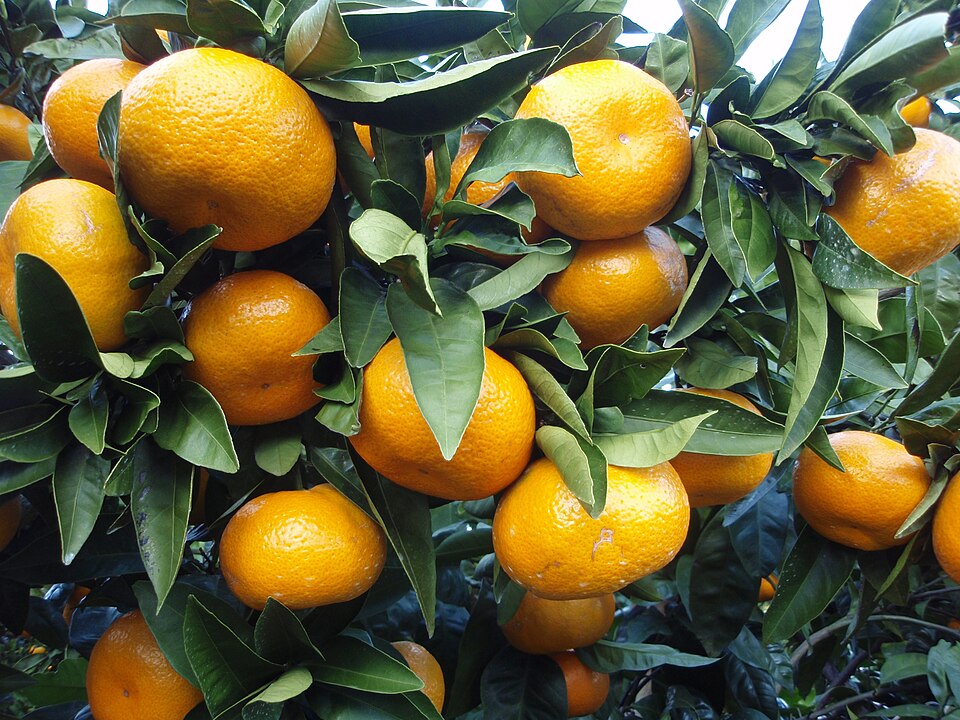
Photo: Wikimedia Commons
Satsuma mandarins are the cold-hardiest citrus worth growing, the one citrus that survives where others freeze. The fruit peels in seconds, segments cleanly, and carries almost no seeds, making it the ideal lunchbox fruit. The trees stay compact, bear young, and ask for little beyond sun, drainage, and frost protection at the edge of their range. For gardeners in zone 8 wondering whether citrus is possible, the satsuma answers yes.
Satsuma mandarins are the most cold-hardy citrus you can grow, surviving temperatures that kill other citrus outright. The fruit peels in seconds, segments cleanly, and has almost no seeds, which makes it the lunchbox citrus par excellence. The trees stay compact and bear young, often within two to three years. If you live at the edge of citrus country and wonder whether any citrus will survive, learning how to grow satsuma mandarins is the safest first step.
The species is Citrus unshiu, hardy in zones 8 through 11. In zone 8 it is only marginally hardy and needs a sheltered spot plus frost protection in cold snaps. The USDA PLANTS Database documents the citrus group. Fruit ripens from fall into winter, a welcome harvest when the rest of the orchard sleeps.
Choosing a Tree
When it comes to how to grow satsuma mandarins, getting the details right makes all the difference.

Many homeowners find that how to grow satsuma mandarins is easier than they expected once they know the basics.
Buy a grafted tree from a reputable nursery. Named varieties like Owari are the standard; they fruit true and bear young. Seedling citrus is a gamble in both fruit quality and tree size. A one- to two-year-old grafted tree establishes fastest.
In zone 8, choose the warmest microclimate on your property: a south-facing wall, a sheltered courtyard, anywhere that holds daytime heat into the night. Cold air pools in low spots, so avoid hollows. Container growing is also an option; a large pot moved to shelter beats a frozen in-ground tree. The Missouri Botanical Garden plant profiles cover citrus for marginal climates.
When and How to Plant
Many homeowners find that how to grow satsuma mandarins is easier than they expected once they know the basics.
The key to how to grow satsuma mandarins is choosing the right approach for your space and budget.
Plant in spring after all danger of frost has passed. Dig a hole twice as wide as the root ball but no deeper, set the graft union above the soil line, and space trees 10 to 12 feet apart. Water deeply at planting and mulch, keeping mulch away from the trunk.
In zone 8, consider planting in spring so the tree has a full growing season to establish before its first winter. A well-rooted tree survives cold far better than a new transplant. Look up your USDA zone planting dates to time spring planting after your last frost.
Stake young trees in windy sites for the first year. Remove the stake once the trunk stiffens.
Soil and Sun
The key to how to grow satsuma mandarins is choosing the right approach for your space and budget.
With a little planning, how to grow satsuma mandarins can fit even a busy schedule.
Full sun and well-drained, slightly acidic sandy loam. Citrus wants at least six hours of direct sun; more is better. Drainage is critical. Waterlogged soil kills citrus roots, so avoid low spots and heavy clay unless you plant on a mound.
A soil test tells you the pH; satsumas like slightly acidic ground. In alkaline soils, the trees show iron chlorosis, yellow leaves with green veins. Amending with sulfur or growing in containers with acidic mix solves it. The University of Florida IFAS Extension citrus pages detail soil preparation for in-ground trees.
Other cold-hardy fruits share the southern orchard. Meyer lemons in pots and figs in the ground round out a small citrus-zone planting.
Watering and Feeding
With a little planning, how to grow satsuma mandarins can fit even a busy schedule.
Before you start, it helps to understand how how to grow satsuma mandarins works in real homes.
Water deeply, then let the soil dry. Citrus likes a wet-dry cycle: a long soak, then drying until the top few inches are dry. Shallow daily watering grows shallow roots and invites disease. In dry weather, a deep watering every week or two suffices for established trees.
Feed lightly with citrus fertilizer through the growing season. Follow the label rates; overfeeding pushes soft growth that frost damages. A spring feeding and a midsummer feeding cover most trees. Mulch to keep roots cool and conserve moisture, but keep mulch off the trunk. The Clemson Home & Garden Information Center citrus notes give feeding schedules for home growers.
Care Through the Season
Before you start, it helps to understand how how to grow satsuma mandarins works in real homes.
A good plan for how to grow satsuma mandarins saves time, money, and frustration.
Prune lightly. Remove dead wood, crossing branches, and suckers from below the graft. Satsumas naturally stay compact and need less pruning than larger citrus. Prune after harvest, not before bloom.
Watch for scale insects and citrus leafminer. Scale clusters on stems and leaf undersides; horticultural oil smothers them. Leafminer tunnels in new flush growth; the damage is cosmetic on mature trees. Good air circulation and proper watering prevent most problems. Clemson Cooperative Extension pest guides cover citrus insects with photos.
In zone 8, protect trees in cold snaps. Cover with frost cloth before the freeze, drape lights under the cover for extra warmth, and water the soil beforehand; moist soil holds more heat than dry soil. Potted trees move to shelter. The Old Farmer's Almanac frost-protection guides cover the techniques.
Harvest
A good plan for how to grow satsuma mandarins saves time, money, and frustration.
For most people, how to grow satsuma mandarins comes down to a few smart choices.
Expect fruit two to three years after planting. Satsumas ripen from fall into winter. Pick when the fruit is fully orange and the skin loosens and puffs slightly away from the segments. Taste-test, since color can precede full sweetness.
The easy-peel skin is the signature trait. A child can peel a satsuma, and the segments separate cleanly with almost no seeds. Eat fresh, juice, or segment into salads. The fruit stores in the refrigerator for weeks, and the tree holds ripe fruit well, so harvest as you need.
Do not leave all the fruit on the tree into deep winter in marginal zones; pick before hard freezes threaten. A freeze-damaged crop is worse than an early harvest.
Satsumas Through the Seasons
For most people, how to grow satsuma mandarins comes down to a few smart choices.
If you are new to how to grow satsuma mandarins, start with the simplest option and build from there.
Spring is planting time, after all frost danger has passed. Set out grafted trees in the warmest microclimate: a south-facing wall or sheltered courtyard that holds daytime heat. Space ten to twelve feet apart in well-drained, slightly acidic soil. Water deeply at planting and mulch, keeping mulch off the trunk. A full growing season before the first winter builds the cold hardiness the tree needs.
Summer is the growing season. Water deeply, then let the soil dry; citrus likes the wet-dry cycle. Feed lightly with citrus fertilizer through the growing season, following label rates. Watch for scale and leafminer on new growth. The trees stay compact naturally and need little pruning beyond removing dead wood and suckers.
Fall brings the harvest. Satsumas ripen from fall into winter, a welcome crop when the rest of the orchard sleeps. Pick when fully orange and the skin loosens slightly; taste-test, since color can precede sweetness. Before the first hard freeze, protect zone-8 trees with frost cloth, and move potted trees to shelter.
Winter in zones 9 through 11 needs only light pruning after harvest and cleanup of fallen fruit. In zone 8, watch forecasts and cover trees before cold snaps; water the soil beforehand, since moist soil holds more heat. Potted trees winter in a bright, cool spot.
Eating Satsumas
If you are new to how to grow satsuma mandarins, start with the simplest option and build from there.
When it comes to how to grow satsuma mandarins, getting the details right makes all the difference.
The easy-peel skin is the signature trait: a child can peel a satsuma, and the segments separate cleanly with almost no seeds. Eat fresh out of hand, juice them, or segment into salads. The sweet-tart flavor suits breakfast and lunchboxes alike. The fruit stores in the refrigerator for weeks, and the tree holds ripe fruit well, so harvest as you need rather than all at once.
Troubleshooting
When it comes to how to grow satsuma mandarins, getting the details right makes all the difference.
Puffy, dry fruit usually means the fruit stayed on the tree too long or the tree is drought-stressed. Pick on time and water deeply through fruit development. Small crops on young trees are normal; production builds with age.
Frost damage shows as blackened leaves and dead twigs. Prune dead wood in spring after new growth shows what survived. In zone 8, site selection and cold-snap protection make the difference between a bearing tree and a struggling one. The USDA National Agricultural Library indexes citrus cold-hardiness research, and Gardenia.net variety notes list hardiness honestly.
Yellow leaves with green veins signal nutrient lockout, usually from alkaline soil or overwatering. Check drainage first, then soil pH.
Puffy, dry fruit usually means it stayed on the tree too long or the tree is drought-stressed. Pick on time and water deeply through fruit development. Small crops on young trees are normal; production builds with age.
Frost damage shows as blackened leaves and dead twig tips. Prune dead wood in spring after new growth reveals what survived. In zone 8, site selection and cold-snap protection make the difference between a bearing tree and a struggling one.
Yellow leaves with green veins signal nutrient lockout, usually from alkaline soil or overwatering. Check drainage first, then soil pH. A soil test takes the guesswork out of amendments.
For container growing, use a pot at least eighteen inches across with citrus mix, and move it to shelter before the first freeze. Potted satsumas fruit well and give zone-pushing gardeners full control over winter protection.
References
Clemson University Cooperative Extension. (n.d.). Home & Garden Information Center. https://hgic.clemson.edu/
Missouri Botanical Garden. (n.d.). Plant finder. https://www.missouribotanicalgarden.org/
U.S. Department of Agriculture. (n.d.). PLANTS database. https://plants.usda.gov/home
University of Florida IFAS Extension. (n.d.). Gardening solutions. https://gardeningsolutions.ifas.ufl.edu/
Was this guide helpful?

About My Garden US
The My Garden US editorial team writes practical, in-depth home and garden guides for American homeowners — tested advice, no fluff.
You May Also Like
Succulent Variety Packs Deals Near Me: A Full Buying Guide
June 2, 2026 19 views
Native Grass Seed for Sale USA: A Practical Guide for Homeowners
January 2, 2026 19 views
Daffodil Bulb Packs Buying Guide USA: How to Choose, Buy, and Plant
September 28, 2026 22 views