
Why Native Grass Seed Matters
Many lawns in the United States use grass types that come from other lands. These grasses need much water, much fertilizer, and much mowing. The demand for native grass seed for sale usa has grown because homeowners want a lawn that fits the land. Native grasses grew here long before towns and fences. They know the soil. They know the rain. They know the heat and the cold.
A native lawn asks less of you. It often needs less water after the first year. It often needs less fertilizer. Many native grasses grow slower than common lawn grass, so you mow less. They also feed birds and insects. Their deep roots hold the soil firm during heavy rain.
There is another reason people search for native grass seed for sale usa. It is cost. A native lawn can cut the yearly cost of lawn care. You buy less fertilizer. You run the sprinkler less. You sharpen the mower less often. Over five years, the savings can be large.
But not all seed sold as “native” is right for your land. Some mixes use seed that is native to the country but not to your state. Some bags hold weed seed. Some mixes use one grass only, when a mix would do better. This guide will help you buy with care.
What Native Grass Seed Really Is: Native Grass Seed for Sale Usa
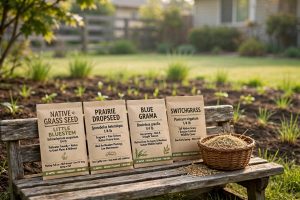
The phrase native grass seed means seed from grasses that grew in a region before modern settlement. In the United States, common native grasses include buffalo grass, blue grama, little bluestem, big bluestem, sideoats grama, and switchgrass. Each one fits a climate and a soil type.
Buffalo grass and blue grama fit the plains and dry western states. Little bluestem and big bluestem fit the Midwest and much of the East. Fine fescues can work in the North. No single grass fits the whole country. That is why a good mix matters.
When you shop for native grass seed for sale usa, look at the seed tag on the bag. Federal law says the tag must list the kind and variety of each seed, the germination rate, and the amount of weed seed. Read this tag before you buy. It tells you more than the front of the bag.
How to Choose the Right Seed
Know Your Region
The first step is simple. Learn which grasses are native to your county or state. A local extension office can give a free list. The USDA National Institute of Food and Agriculture supports extension offices across the country. They have plant guides for many regions. Seed that is right for Texas may fail in Minnesota. Seed that thrives in Oregon may burn in Arizona.
Check the Mix
Pure stands of one grass can look fine. But most experts favor a mix. A mix of three to five native grasses gives a thicker lawn. It also gives insurance. If one grass has a weak year, the others fill in. Many growers sell blends of blue grama, buffalo grass, and little bluestem for the central states.
Look for the term “ecotype” or “origin” on the bag. Seed grown near your home tends to fit better than seed grown far away. Some large seed houses sell regional mixes. Smaller growers often sell seed taken from their own fields. Both can be good if the tag is honest.
Read the Seed Tag
The seed tag is your best friend. It lists the purity, meaning how much of the bag is actual seed. It lists germination, meaning how much of the seed is likely to sprout. It lists the test date. Old test dates are a warning. Seed tested more than nine months ago may be weak.
The tag also lists weed seed and noxious weeds. Buy seed with the lowest weed seed content you can find. Good native seed often lists 0.00 to 0.05 percent weed seed. A higher number means you may plant problems with your lawn.
Order Size and Coverage
Native grass seed goes further than you think. Many native grasses need only one to four pounds per thousand square feet. Common lawn grass often needs five to ten pounds for the same area. Check the label for the seeding rate. Buying too much is a waste. Buying too little leaves bare spots that weeds will take.
For large fields or meadows, growers sell seed by the acre. For a home lawn, bags of one to five pounds are common. Many sellers of native grass seed for sale usa also sell bulk pounds at a lower price per pound.
Types and Options on the Market
Buffalo Grass
Buffalo grass is a short, soft native of the Great Plains. It grows only six to twelve inches tall. It can form a lawn you mow only a few times a year. It takes heat and drought well. It stays gray-green in summer and goes tan in winter. It needs full sun.
Blue Grama
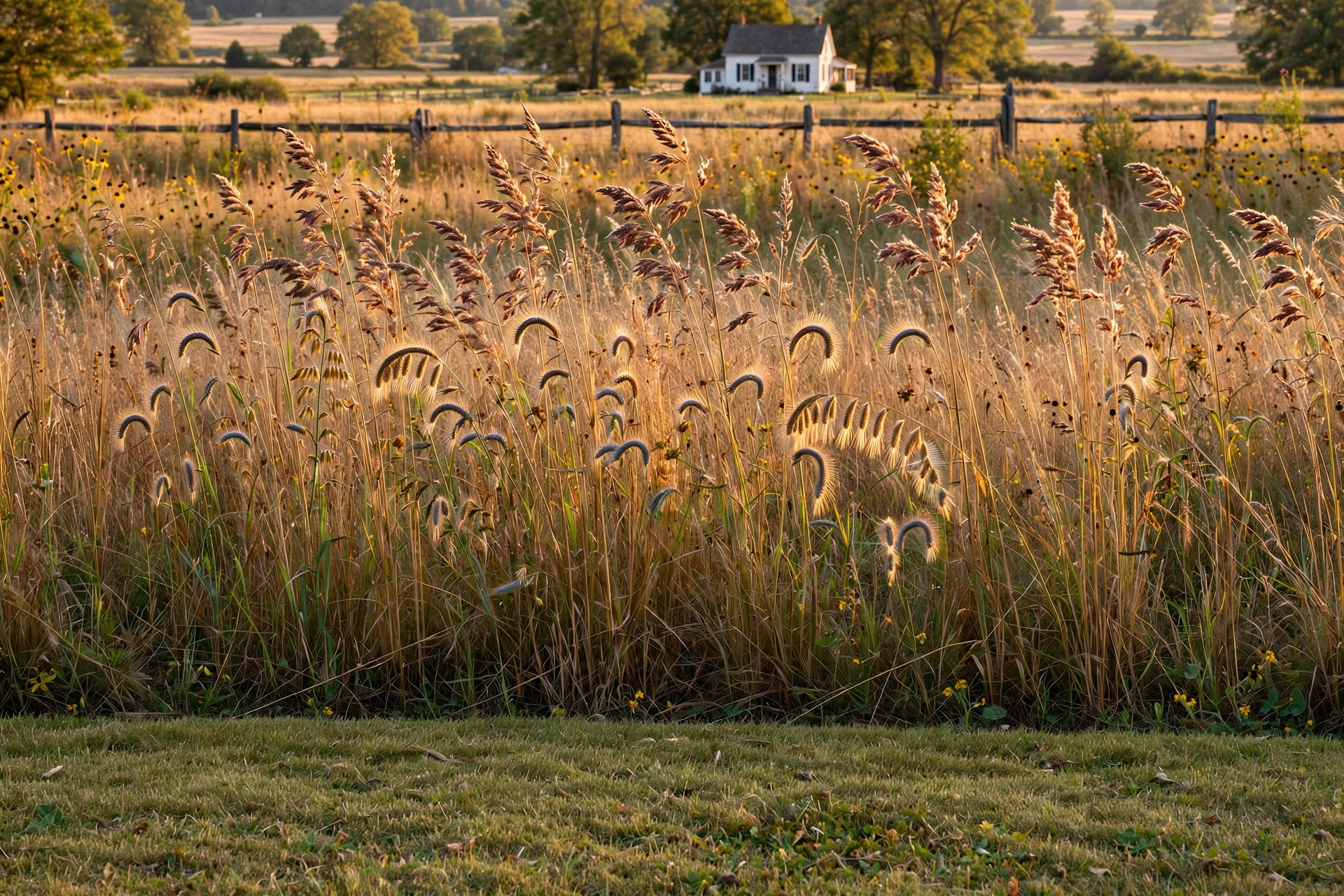
Blue grama grows across much of the West and Midwest. It has fine leaves and graceful seed heads shaped like tiny combs. It can be mowed like a lawn or left tall as a meadow grass. It pairs well with buffalo grass in mixes.
Bluestems
Big bluestem and little bluestem are tall prairie grasses. In a meadow, they stand three to six feet high. In a mowed lawn, little bluestem can be kept short. They give rich color in fall. They feed many birds in winter. They are best for meadows and borders rather than play lawns.
Sideoats Grama
Sideoats grama is a medium grass with oat-like seed heads on one side of the stem. It is tough and long-lived. It fits well in wildflower meadows. Many people pair it with wildflower seed mixes for sale usa to make a blooming prairie.
Fine Fescues
Creeping red fescue and hard fescue are native to cooler parts of North America. They work in the shade and in the North. They need less water than Kentucky bluegrass. They give a fine, soft lawn where the summers are mild.
Cost and Price
Native grass seed often costs more per pound than common lawn seed. A pound of good native seed may cost ten to thirty dollars. A pound of common turf seed may cost five to twelve dollars. The price looks higher at first. But the seeding rate is lower. You need fewer pounds per acre.
For a home lawn of five thousand square feet, you may need ten to twenty pounds of native seed. That puts the seed cost between one hundred and six hundred dollars. A common lawn of the same size may need fifty pounds of seed at a lower price per pound. The totals can be close.
Watch for very cheap bags. Seed that costs much less than the market rate often has low germination or high weed content. Reputable growers like Burpee and Park Seed have sold seed for generations and list full tags. Heritage nurseries such as White Flower Farm and Monrovia also sell plants and seed with clear labels. Newer brands such as Proven Winners and Gurney’s offer regionally grown choices. The price tells part of the story. The tag tells the rest.
Bulk seed from a regional grower is often the best value. Ask for the test date and the germination rate before you pay. Many growers will mail you the tag by email. If a seller will not share the tag, walk away.
Where to Buy
Garden centers carry small bags in spring. Big box stores carry larger bags. Farm supply stores in rural areas often carry bulk seed. Online sellers give the widest choice. When you shop online for native grass seed for sale usa, read the reviews and check the seed tag photo.
Local native plant societies often sell seed at spring plant sales. These sales are worth a visit. The seed comes from local plants. The volunteers can tell you which mix fits your soil. Prices are often lower than online stores.
Seed swaps and county conservation offices are another source. Some states have cost-share programs that pay part of the cost of native plantings. Ask your soil and water district. You may save real money.
Planting Your Native Grass Seed
Timing
Fall is the best time to plant native grass in most of the country. The seed sits through winter and sprouts in spring. This is called frost seeding. It copies how nature does it. Spring planting also works, but you must watch the water more closely.
Soil Prep
Native grasses are not picky, but they hate weeds. Kill the old lawn before you seed. You can use a sod cutter, smother the grass with black plastic for a month, or spray with a grass killer twice. This is the most work in the whole job. Do not skip it. Weeds will outrun young native grass.
Rake the soil smooth. You do not need to till deep. A light rake gives the seed soil contact. Roll the area with a lawn roller after seeding if you can.
Seeding
Spread the seed evenly. A hand spreader works for small lawns. A broadcast spreader works for large areas. Mix the seed with sand or sawdust to see where you have spread it. The seed should rest on or just under the soil. Most native grass seed needs light to sprout. Do not bury it more than a quarter inch deep.
Watering
Water lightly every day until the seed sprouts. Then water less often but deeper. After the first year, most native grasses need no extra water except in a bad drought. The first summer is the test. Keep the young plants alive through it, and they will root deep for years.
Care and Upkeep
The first year needs patience. Native grass grows its roots first and its leaves later. Your lawn may look thin in year one. Do not give up. By year two, it fills in. By year three, it can be thick and strong.
Mow high. Set the mower to three or four inches. Taller grass shades the soil and keeps weeds down. Mow only when the grass is dry. Leave the clippings. They feed the soil.
Skip the fertilizer, or use very little. Native grasses evolved in poor soil. Heavy fertilizer makes them grow weak and floppy. It also feeds weeds. A light top dress of compost once a year is plenty for most lawns.
If you want a full native grass seed buying guide usa with month-by-month steps, read it before you order. Planning ahead makes the job much easier.
Safety
Grass seed itself is safe. But read the whole bag. Some seed comes coated with fungicide or insecticide. Coated seed is dyed a bright color, often pink or green. Keep it away from children and pets. Wash your hands after handling it.
If you spray to kill the old lawn, follow the label. Wear gloves. Store leftover chemicals in a locked shed. Never pour them down a drain.
Some people have grass pollen allergies. Native grasses make pollen like all grasses. If you are sensitive, mow before the seed heads form. A low-mowed native lawn makes far less pollen than a tall meadow.
Common Mistakes
The most common mistake is planting at the wrong depth. Seed buried too deep never sprouts. The second mistake is giving up in year one. Native lawns look thin at first. This is normal.
The third mistake is buying seed that is not native to your area. A bag labeled “native wildflower and grass mix” may hold seed from Europe. Read the species list. Good sellers like those profiled at Gardening Know How and The Spruce stress this point in their guides.
The fourth mistake is too much water and fertilizer. Treat a native lawn like a prairie, not like a golf course. Less is more.
FAQ
How much native grass seed do I need per acre? Most native grass mixes need ten to forty pounds per acre, based on the species. Check the label. Do not guess. A bag made for turf lawns will list a different rate than a bag made for meadows.
Is native grass seed for sale usa cheaper online or in stores? Small bags are often cheaper in stores. Bulk seed is often cheaper online from regional growers. Compare the price per pound and the germination rate.
How long does native grass seed stay good? Most grass seed keeps for two to three years in a cool, dry place. Buy fresh seed when you can. Check the test date on the tag.
Will native grass grow in shade? Most native prairie grasses need full sun. For shade, look for native fine fescues or woodland sedges. Check The Old Farmer’s Almanac planting charts for your zone and light level.
Can I plant native grass seed with wildflowers? Yes. Many people plant a prairie mix of grasses and flowers together. The grasses hold the soil. The flowers feed bees. Sow both at the same time in fall for the best result.
A Short Final Word
A native lawn is a long game. Year one tests your patience. Year two rewards it. Year three gives you a lawn that asks little and gives much. Buy good seed, read the tag, prep the soil, and plant at the right time. If you are also planning a kitchen garden, you may like our notes on onion sets planting for sale usa. Start with the land you have. The grass will do the rest.
References
Burpee. (n.d.). Seeds, plants, and gardening supplies. https://www.burpee.com Gardening Know How. (n.d.). Gardening guides and plant care. https://www.gardeningknowhow.com Gurney’s Seed & Nursery Co. (n.d.). Seeds, plants, and garden supplies. https://www.gurneys.com Monrovia. (n.d.). Plants for home gardens. https://www.monrovia.com National Institute of Food and Agriculture. (n.d.). Agricultural research and extension. https://www.nifa.usda.gov Park Seed. (n.d.). Seeds, plants, and gardening supplies. https://www.parkseed.com Proven Winners. (n.d.). Plants and gardening inspiration. https://www.provenwinners.com The Old Farmer’s Almanac. (n.d.). Gardening calendars and advice. https://www.almanac.com The Spruce. (n.d.). Home and garden advice. https://www.thespruce.com White Flower Farm. (n.d.). Plants, bulbs, and garden supplies. https://www.whiteflowerfarm.com
Was this guide helpful?

About Jennifer Lee
The My Garden US editorial team writes practical, in-depth home and garden guides for American homeowners — tested advice, no fluff.
You May Also Like
Garlic Bulbs Planting American Homes Guide
March 11, 2026 0 views
Dahlia Bulbs Bulk American Homes Guide: Plant Big and Bloom Bright
June 15, 2026 0 views
Tulip Bulbs Fall for Sale USA: A Plain Guide to Buying and Planting
May 28, 2026 0 views