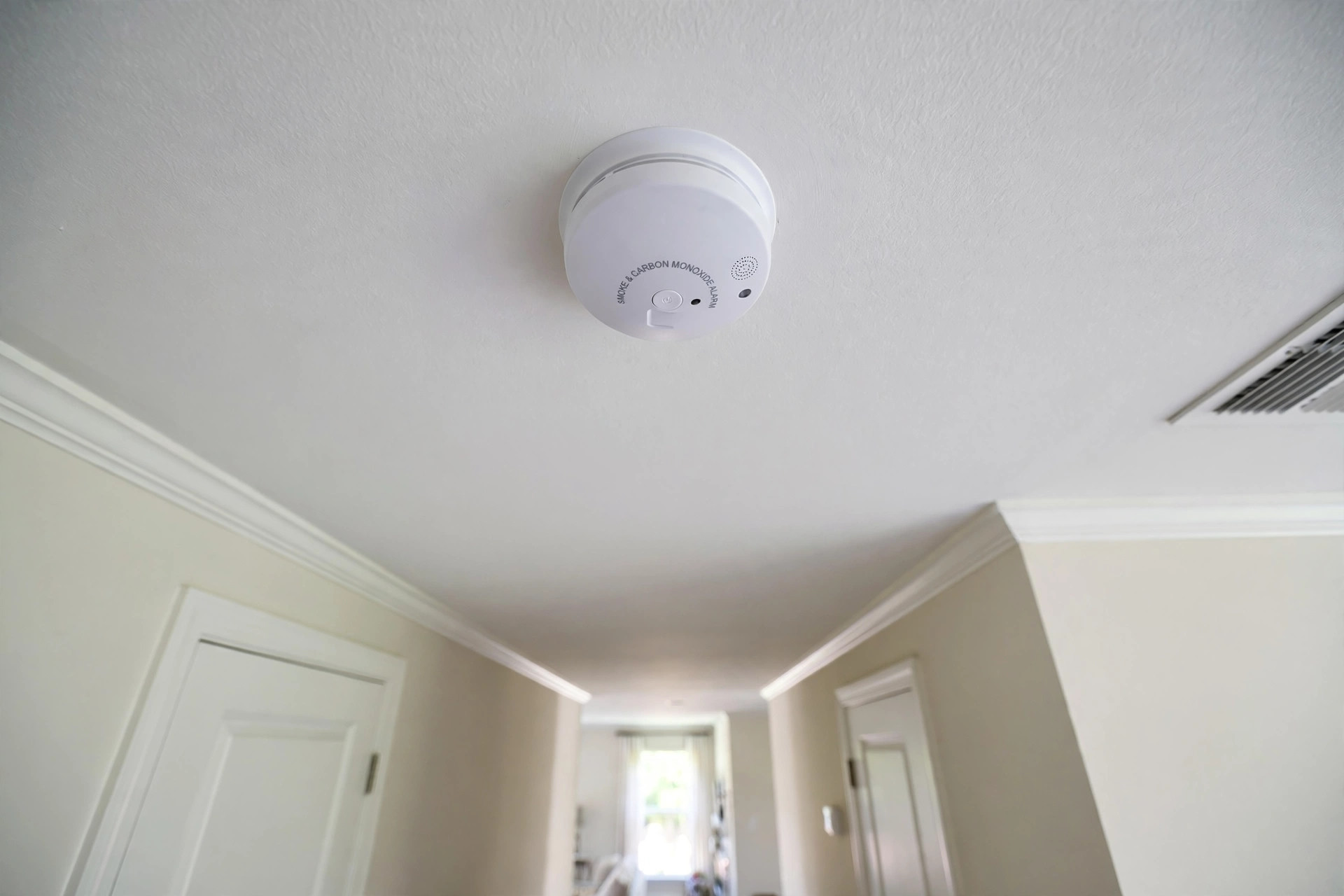

Every home in the United States needs working smoke alarms and carbon monoxide alarms. The question for many buyers is not whether to buy, but which brand to buy. This nest protect vs first alert comparison usa guide walks through the two leading names side by side. It looks at what each product does, how they send alerts, how they connect to the rest of the house, what they cost, and how to keep them working. The facts here apply to the current US models of Nest Protect, made by Google Nest, and the popular smart alarm lines sold by First Alert.
Why This Comparison Matters
Smoke and carbon monoxide alarms save lives. A working alarm gives a family precious minutes to wake up, get low, and leave the house. Yet an alarm that sounds too often for no cause can do quiet harm. People who hear false alarms learn to ignore them. They pull the batteries. They take the unit off the ceiling and put it in a drawer. That is worse than no alarm at all, because it gives a false sense of safety.
Both Nest Protect and First Alert aim to fix this problem, but they come at it from different directions. Nest Protect is a high-end smart alarm built around a phone app and voice alerts. First Alert offers a wide range, from basic battery alarms under twenty dollars to its own line of app-connected alarms called OneLink. In a nest protect vs first alert comparison usa shoppers need, the real contest is between Nest Protect and the smart OneLink models, since the plain First Alert alarms are a different class of product entirely.
How to Choose a Smart Smoke and CO Alarm: Nest Protect vs First Alert Comparison Usa
Before the details, it helps to know what to look for. A good smoke and CO alarm should meet three simple tests.
First, it must be certified. In the United States, alarms should be listed to the UL standards for smoke alarms and carbon monoxide alarms. Both brands sell certified units. Check the package before you buy.
Second, it should tell you where the danger is. Old alarms all sound the same no matter which room is in trouble. Smart alarms speak. They say, “Smoke in the kitchen,” or, “Carbon monoxide in the hallway.” That short sentence tells you where to go and where not to go. If you want a smart co detector with app alerts usa, this spoken location is one of the features to weigh.
Third, it should reach you when you are away. A standard alarm only helps the people inside. A connected alarm sends a push alert to your phone when trouble starts at home while you are at work or on a trip. This is the main reason people pay more for smart alarms, and it is where this nest protect vs first alert comparison usa will spend the most time.
Meet the Two Contenders
Nest Protect
Nest Protect is Google Nest’s smoke and carbon monoxide alarm. It comes in a round white or black unit. It sells in a battery version and a wired 120-volt version with battery backup. The product was one of the first smart alarms in the United States, and it built its name on clear voice alerts and a clean phone app.
The key traits of Nest Protect:
– Detects both smoke and carbon monoxide in one unit. – Uses a spoken voice alert before the horn, so you hear what and where the danger is. – Sends alerts to the Google Home app on your phone. – Can test itself with a silent monthly test called Safety Checkup. – Lights up green when you wave your hand under it, showing all is well. – Connects to other Nest Protects, so when one alarms, all of them sound. – Includes a pathlight feature that glows white at night when you walk past.
First Alert Smart Alarms
First Alert is one of the oldest alarm brands in America. Its smart line, sold under the OneLink name, is the direct answer to Nest Protect. The OneLink alarms also detect smoke and carbon monoxide in one unit. They also speak the location of the danger. They also send alerts to a phone app.
The key traits of First Alert smart alarms:
– Available in battery and wired versions. – Speak the type and location of the danger. – Send push alerts through the OneLink Home app. – Connect with other OneLink alarms so all sound together. – Work with both Apple HomeKit and Alexa in many models, a plus for mixed smart homes. – Usually cost less than Nest Protect.
First Alert also sells plain alarms without any app, for shoppers who want simple protection at a low price. Those are not part of this nest protect vs first alert comparison usa on features, but they matter for the budget discussion below.
Head-to-Head: Key Differences
Detection and Sensor Type
Nest Protect uses what it calls a Split-Spectrum sensor, a two-wave photoelectric design meant to catch both fast and slow-burning fires while cutting down on false alarms from steam and cooking. First Alert’s OneLink alarms use photoelectric smoke sensing as well in most models. In practice, both brands are certified to the same UL standard, and both will alarm in a real fire. Lab tests reported by consumer review sites and tech reviewers at CNET and PCMag generally treat the two as peers on detection, with setup and daily living being the greater difference.
Voice Alerts and False Alarms
This is where the nest protect vs first alert comparison usa gets practical. Nest Protect gives a calm spoken warning first: “Heads up, there is smoke in the kitchen.” It pauses. Then, if the smoke grows, it sounds the full alarm. This early warning is popular with cooks. A bit of burnt toast triggers a heads-up, and you can silence it by waving a hand under the unit instead of climbing a chair to press a button.
First Alert OneLink also speaks and also lets you silence a nuisance alarm from the app. Reviewers at The Verge and CNET have noted that the First Alert voice and hush features work well, though the tone and wording differ. One real difference is that Nest Protect’s hand-wave hush only works on the unit itself, while First Alert lets you hush from your phone. For a tall ceiling, the phone option wins.
App Experience and Alerts
Nest Protect lives in the Google Home app. If your home already runs on Google smart devices, the alarm fits right in. It shows a green ring in the app when all is well, sends push alerts for smoke, CO, low battery, and sensor failure, and keeps a history of past alerts.
First Alert’s OneLink app is a separate download. It sends push alerts for the same events and offers a similar history. Because the OneLink line supports Apple HomeKit in many models, iPhone users who run an Apple-based smart home often prefer it. Nest Protect does not support HomeKit. So the app winner depends on the phone in your pocket and the smart home you already own.
Smart Home Integration
Nest Protect works with Google Home and, through it, with routines like turning on all lights during an alarm. First Alert OneLink models commonly work with both Apple HomeKit and Amazon Alexa. Neither brand integrates deeply with the other brand’s ecosystem. For readers building out a full connected home, it is worth looking at how the alarm fits beside a best poe security camera system reviews usa setup or a best wireless doorbell camera reviews usa before choosing.
Price and Ongoing Cost
Nest Protect is the premium choice. A single unit typically sells for about one hundred to one hundred twenty dollars in the United States, and a wired version costs a little more. First Alert OneLink alarms usually sell for fifty to ninety dollars per unit, with plain battery alarms for under twenty dollars. For a house that needs six or eight alarms, the gap grows fast. A full Nest Protect setup can cost several hundred dollars more than the First Alert equivalent.
Both brands build in a replacement clock. Alarm sensors wear out. Both companies say to replace the unit after ten years for smoke and after seven to ten years for carbon monoxide sensing. Budget for that replacement when you choose.
Design and Build
Nest Protect is the better-looking unit. It is a low-profile disc that blends into a ceiling, and the white or black finish suits modern homes. First Alert OneLink units are more traditional in shape and a little bulkier. This is a small matter, but alarms sit on the ceiling for ten years. Looks count to some buyers.
Cost and Price Breakdown
Here is a plain picture of what American shoppers pay:
– Basic First Alert battery smoke alarm: under twenty dollars. – Basic First Alert battery CO alarm: about twenty-five to forty dollars. – First Alert OneLink smoke and CO smart alarm: fifty to ninety dollars. – Nest Protect smoke and CO smart alarm: one hundred to one hundred twenty dollars. – Wired versions of either brand: add ten to twenty dollars per unit.
Installation is simple for battery units: mount the bracket, twist on the unit, test it. Wired units that replace an existing wired alarm are also simple for a careful homeowner who turns off the breaker first. Adding new wiring where none exists is a job for an electrician, and it costs extra no matter which brand you buy.
Care and Upkeep
Both brands need the same basic care. Test each alarm once a month with the test button or the app. Dust the unit with a vacuum brush every few months, because dust can cause false alarms. Change batteries at once when the app or the unit reports a low battery. In the Google Home app, Nest Protect runs a silent self-test each month, which is a real plus for busy people.
Write the install date on the inside of each unit with a marker. When the ten-year mark comes, replace the whole alarm, not just the battery. The sensor ages even in a clean house. The US Consumer Product Safety Commission offers plain guidance on alarm placement and replacement schedules that is worth reading; their smoke and CO alarm advice lives at CPSC.
Safety Rules That Apply to Both
No comparison is complete without the safety basics, because they do more than any brand choice:
– Put an alarm inside every bedroom, outside each sleeping area, and on every floor of the home. – Keep alarms at least ten feet from the stove to cut down on cooking false alarms. – Never paint an alarm. Never block its vents. – Make a home escape plan. Practice it twice a year. Pick a meeting spot outside. – If an alarm sounds and you are not sure it is false, leave the house first and call the fire department. Do not go back in to check. – For carbon monoxide, know the signs of poisoning: headache, dizziness, nausea, confusion. They feel like the flu but arrive without a fever.
FAQ
Which is better, Nest Protect or First Alert?
There is no single winner. Nest Protect wins on design, early warning features, and life inside a Google smart home. First Alert wins on price and on support for Apple HomeKit and Alexa. Both detect smoke and carbon monoxide to the same certified standard. Pick the one that fits your phone, your smart home, and your budget.
Can I mix Nest Protect and First Alert alarms in one house?
You can, but they will not talk to each other. Each brand’s alarms only link with alarms of the same brand and app. If one brand alarms, the other brand’s units will not sound together. Most homes are safer with all alarms of one brand.
Do these alarms work without Wi-Fi?
Yes. Both brands sound their horn and speak the danger even if the Wi-Fi is down. You only lose the phone alerts and the app history until the connection returns.
How long do the batteries last?
Battery models of both brands usually run a year or more on their batteries, and both send a low-battery warning well before they die. Wired models use a backup battery that also needs checking.
Are smart alarms harder to install than plain ones?
No. The mounting step is the same. The only extra step is pairing the unit with the phone app, which takes a few minutes per alarm. The Google Home app and the OneLink app both walk you through it.
Which costs less to fill a whole house?
First Alert, by a wide margin. Between cheaper units and the option of plain alarms for low-risk spots, a First Alert setup for six to eight alarms can cost half of a full Nest Protect setup.
Final Word
In this nest protect vs first alert comparison usa, the honest answer is that both brands protect your family well. The choice comes down to three questions. What phone and smart home do you use? How much will you spend per alarm? And how much do you care about design? Answer those, and the right alarm picks itself.
For wider smart home planning, review independent alarm guidance from Consumer Reports and safety information from CPSC, compare connected options from Ring for broader home monitoring, read alarm reviews at CNET and PCMag, check the maker pages at Google Store for Nest Protect details and SimpliSafe plus ADT for whole-home alternatives.
References
ADT. (n.d.). Home security and automation. https://www.adt.com CNET. (n.d.). Technology news and reviews. https://www.cnet.com Consumer Reports. (n.d.). Product reviews and ratings. https://www.consumerreports.org Google Store. (n.d.). Smart home devices. https://store.google.com PCMag. (n.d.). Technology product reviews. https://www.pcmag.com Ring. (n.d.). Smart home security devices. https://www.ring.com SimpliSafe. (n.d.). Home security systems. https://www.simplisafe.com The Verge. (n.d.). Technology news and reviews. https://www.theverge.com U.S. Consumer Product Safety Commission. (n.d.). Product safety information. https://www.cpsc.gov
Was this guide helpful?

About Sarah Mitchell
The My Garden US editorial team writes practical, in-depth home and garden guides for American homeowners — tested advice, no fluff.
You May Also Like

Generac vs Kohler Generator Comparison USA
April 3, 2026 0 views
Window Alarm Sensors Reviews for Renters USA: The Best No-Drill Options for Apartments
March 11, 2026 0 views
Smart Under Cabinet Lighting Reviews 2026 USA
July 23, 2026 0 views