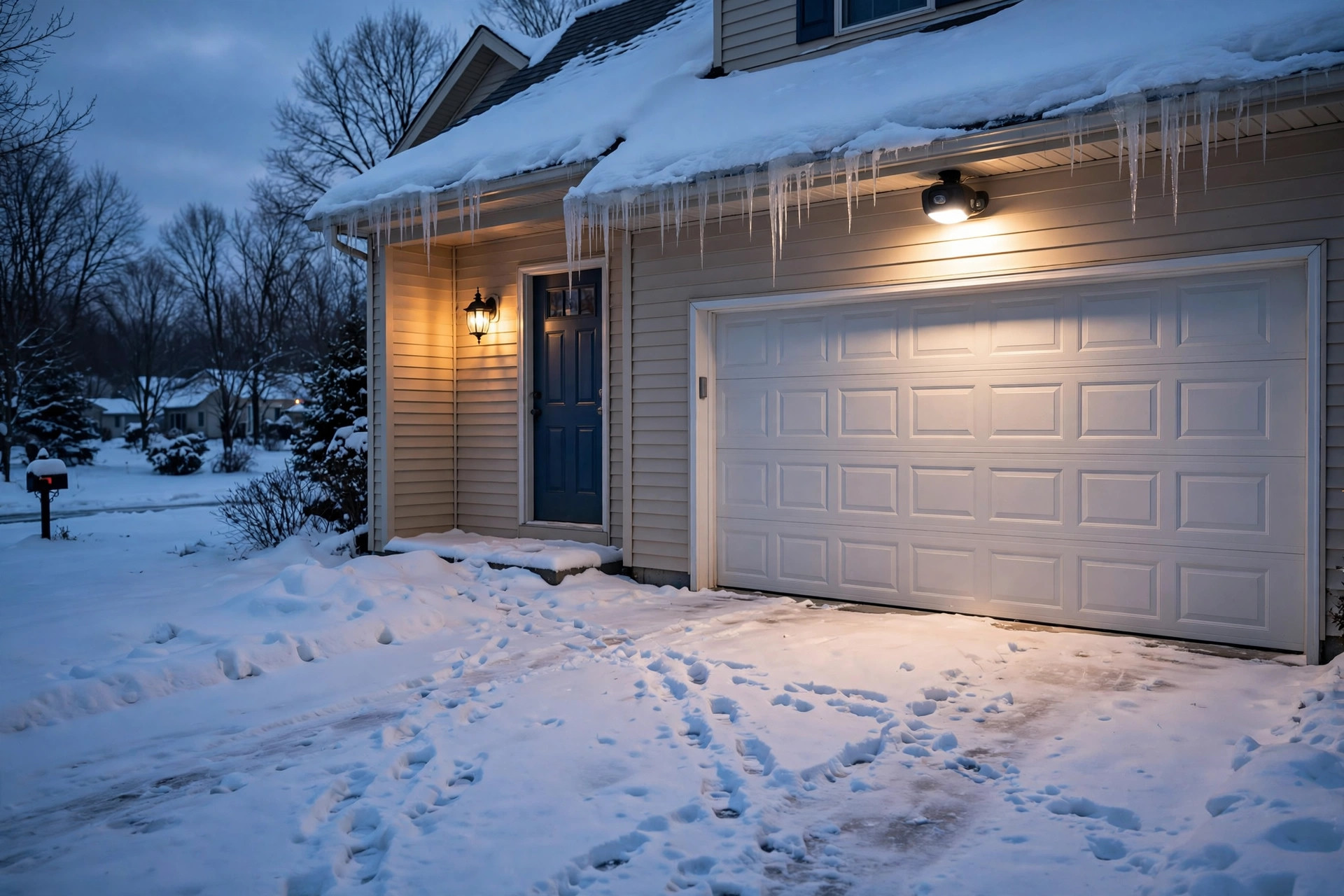

Winter nights are long in the northern states. Snow, ice, and wind test every part of a house. The lights outside a home are no exception. When a porch light fails on a cold January night, a dark walkway becomes a danger. Finding top rated exterior lighting fixtures for cold climates is one of the smartest steps a homeowner can take before winter arrives. Good fixtures turn on every night, no matter how far the temperature falls. They light steps, driveways, and doorways. They help guests find the front door. They let a homeowner see who stands at the door after dark. This guide explains what makes a fixture worthy of a cold climate, which types work best, what they cost, and how to care for them through the winter months.
Why Cold Weather Lighting Matters
A house in a warm state can use almost any outdoor light. A house in Minnesota or Maine faces a harder test. Night temperatures fall far below freezing. Wind drives snow into every crack. Ice builds up on roofs and gutters. Light fixtures hang in this weather for months. Cheap fixtures often fail in February. Seals crack. Water gets inside the housing. Bulbs burn out early. Motion sensors stop working when the air turns bitter.
The risks go beyond a dead bulb. A dark porch invites falls. Ice on steps is hard to see without light. A dark driveway makes backing out of a garage risky. Burglars also prefer dark homes. A well lit house looks watched and cared for. Police and neighborhood watch groups have long said that good lighting is one of the simplest forms of home security.
Cold rated fixtures also save money over time. A fixture that survives ten winters costs less than a cheap one replaced every two years. Labor counts too. Climbing a ladder in January to change a fixture is no small chore. Buying right the first time avoids that job. For these reasons, shoppers in cold regions do well to look for top rated exterior lighting fixtures for cold climates rather than the cheapest box on the shelf.
What to Look for in Exterior Lighting Fixtures for Cold Climates: Top Rated Exterior Lighting Fixtures for Cold Climates
Not every outdoor light is built for winter. The box may say outdoor rated, but that rating often means rain, not real cold. Here is what to check before buying.
Housing and Build Quality
The housing is the body of the fixture. It holds the bulb and the wiring. In cold climates, look for metal housings. Cast aluminum and solid brass hold up well. Plastic housings can turn brittle in deep cold and crack. Check that the housing feels heavy and solid in the hand. Seals and gaskets matter just as much. Rubber gaskets around the lens keep out driving snow and melt water. When gaskets dry out and crack, water reaches the socket and the fixture fails. Many guides at The Spruce stress that build quality is the first thing to judge in an outdoor fixture.
Weather Ratings and Cold Temperature Limits
Look for a UL or ETL listing for wet locations. That listing means the fixture is tested for rain and snow. Then read the fine print for a temperature rating. Some fixtures list an operating range, such as minus 20 degrees Fahrenheit. Others give no cold rating at all. A fixture with a stated low temperature limit is the safer choice. LED fixtures often carry these ratings. Consumer Reports and buying guides at Lowe’s often note temperature limits in product details, and smart shoppers read them.
The Right Bulb for Freezing Air
The bulb type makes a large difference in cold weather. Old style compact fluorescent bulbs were slow to start in the cold and often refused to light below freezing. Modern LEDs start fast in cold air and run well in winter. That is one reason LEDs now rule outdoor lighting. LEDs also use far less power than old incandescent bulbs, which matters when lights burn for fourteen hours a night in December. Choose bulbs rated for outdoor and enclosed use. A warm white color, around 2700 to 3000 Kelvin, gives a welcoming glow at the door. For more on choosing bulbs and fixtures, the project guides at Family Handyman offer plain advice.
Types of Exterior Lighting Fixtures That Handle Cold Well
Outdoor lights come in several shapes. Each type serves a different spot around the house. Cold climate shoppers will find good options in every group.
Wall Lanterns and Porch Lights
Wall lanterns hang beside doors and on porch walls. They are the most common outdoor fixture in America. For cold regions, pick lanterns with sealed glass panels and metal frames. Low maintenance outdoor wall lanterns come in many styles, but the best ones for winter have simple shapes that shed snow. Avoid fixtures with open tops where snow can pile up and melt into the socket. A lantern with a covered top and a downward lens lasts longer in snow country.
Flood Lights and Security Lights
Flood lights throw a wide beam across a driveway or backyard. Motion sensor versions turn on when they sense movement. Affordable motion sensor flood lights are popular for cold driveways because they stay off until needed, which saves power and bulb life. Check that the motion sensor itself is cold rated. Some sensors grow sluggish in deep cold and react slowly. Dual head LED floods are a strong choice. They use little power, start at once in the cold, and cover a wide area.
Path Lights and Post Lights
Path lights line walkways and mark the edge of steps. Post lights stand at the end of a driveway or beside a gate. In cold states, low voltage LED path lights work well. Solar path lights are tempting, but they struggle in northern winters. Short days and snow covered panels mean weak light. If you love solar lights, clear snow off the panels daily or accept dim light in January. Wired low voltage lights are the surer choice for cold climates. They shine at full power no matter the weather.
Recessed Soffit Lights and Step Lights
Soffit lights sit under the eaves and wash the walls with light. Step lights mount low on stair risers and light each tread. Step lights are a fine partner for budget friendly exterior stair railings for cold climates, since light plus a handrail makes icy stairs far safer. Both types sit partly inside the house structure, which shields them from the worst wind. Make sure the trim and housing are rated for damp or wet spots as needed.
Cost and Price
Prices for outdoor lighting spread wide. A basic wall lantern can cost twenty dollars. A top rated fixture from a known maker can cost one hundred fifty dollars or more. Motion sensor flood lights often run between forty and one hundred twenty dollars. A full set of low voltage path lights with a transformer may cost two hundred to four hundred dollars.
Labor adds to the total when new wiring is needed. An electrician may charge one hundred to three hundred dollars to install a fixture where no wire exists. Replacing an old fixture on an existing box is a simpler job that many handy homeowners do themselves.
The long view favors quality. A cheap thirty dollar lantern that fails in two winters costs more over a decade than a ninety dollar lantern that lasts twelve years. LED bulbs add to the savings. They use a fraction of the power of old bulbs and last for years. When winter lights burn all night, the power savings add up fast. Shoppers comparing prices at The Home Depot and Lowe’s often find that mid priced fixtures give the best mix of build quality and value.
Care and Upkeep Through Winter
Even the best fixture needs some care. A little work each fall keeps lights shining all winter.
Start with a fall checkup. Before the first freeze, walk around the house at dusk and look at every fixture. Replace any burned out bulbs. Tighten loose mounting screws. Look at the gaskets and seals. If a gasket looks cracked or flat, replace it. A small bead of outdoor rated silicone around the top of a wall mount can stop melt water from seeping behind the fixture.
Clean the lenses. Dirt and grime cut light output. Wipe glass panels with a soft cloth and mild soap in the fall. During winter, brush snow off fixtures after storms. Heavy snow on top of a lantern can trap heat or push melt water into seams. Do not use hot water to melt ice off a fixture. The shock of hot water on cold glass can crack the lens.
Check motion sensors after deep cold snaps. Walk past each sensor to make sure it still triggers. Some sensors need their range reset after a power outage. Keep spare bulbs on hand. A dead porch light on a Friday night is a small thing, but a spare bulb in the drawer turns it into a five minute fix. The seasonal maintenance checklists at This Old House remind homeowners that fall is the time to get outdoor systems ready.
Safety
Outdoor lighting brings safety, but only when installed right. Water and power do not mix. Always turn off the breaker before touching a fixture. If you are unsure about wiring, hire a licensed electrician. The cost of a service call is small next to the risk of a shock or a fire.
Use only fixtures and bulbs rated for the spot where they hang. A fixture rated for damp locations does not belong in open rain or snow. Check that outdoor boxes and covers are rated for wet use. Keep fixtures clear of dry leaves, pine needles, and stacked firewood. Old hot bulbs could set dry debris alight. LEDs run far cooler, which lowers that risk.
Place lights to remove dark spots, not to blind people. A flood light aimed at a neighbor’s window causes bad feeling. Aim floods down at the driveway. Use shields or shades where needed. For steps and stairs, light every tread evenly. A single bright light at the top of dark stairs can hide the lower steps in shadow. Even, gentle light is safer than one harsh glare.
Frequently Asked Questions
Do LED outdoor lights work in very cold weather?
Yes. LEDs perform well in cold air. They start at once and reach full brightness right away. Many LED fixtures list operating ranges down to minus 20 degrees Fahrenheit or lower. This is one reason LEDs are now the top pick for top rated exterior lighting fixtures for cold climates.
What is the best color temperature for outdoor winter lighting?
Most homeowners prefer warm white, around 2700 to 3000 Kelvin, near doors and porches. It feels welcoming. For driveways and security areas, a slightly cooler white around 4000 Kelvin gives sharper detail. Avoid harsh blue white light near the front door, as it can look cold and unwelcoming.
How long should a good outdoor fixture last?
A well built metal fixture can last fifteen to twenty years or more. The bulbs are the part that wears out. LED bulbs often last five to ten years in nightly use. Gaskets and seals may need replacement every five to eight years to keep water out.
Are motion sensor lights a good idea in cold climates?
They are, with one caution. The sensor must be rated for low temperatures. Cheap sensors can grow slow or fail in deep cold. Choose a sensor with a stated cold rating, and mount it where wind driven snow will not pack against it. Bob Vila buying guides often flag sensor quality as the key point in a motion light.
Can I install exterior lighting myself?
Replacing a fixture on an existing wired box is a fair do it yourself job for a careful homeowner. Turn off the breaker, test that power is off, and follow the wiring diagram. Running new wire or adding a new circuit belongs to a licensed electrician. When in doubt, call a pro.
Should I pick solar lights for a cold climate?
Solar lights work best where winter sun is strong and days are mild. In northern states with short gray days, solar lights often glow weakly in midwinter. They still work as accent lights in summer. For sure winter light, wired electric fixtures are the better choice.
A Final Word
Choosing top rated exterior lighting fixtures for cold climates comes down to a few plain rules. Buy metal housings with good seals. Check the wet location listing and the low temperature rating. Pick LED bulbs that start fast in the cold. Place lights where they remove dark spots on steps, walks, and driveways. Do a small checkup each fall. These steps cost little and pay back every winter night. A home that glows warm against the snow is safer, more welcoming, and worth more care. Start before the first freeze, and the dark months will feel a little less dark.
See James Hardie for more detail.
References
Bob Vila. (n.d.). Home improvement advice. https://www.bobvila.com Consumer Reports. (n.d.). Product reviews and ratings. https://www.consumerreports.org Family Handyman. (n.d.). DIY home repair and maintenance. https://www.familyhandyman.com James Hardie. (n.d.). Fiber cement siding and exterior products. https://www.jameshardie.com Lowe’s. (n.d.). Home improvement products. https://www.lowes.com The Home Depot. (n.d.). Home improvement products. https://www.homedepot.com The Spruce. (n.d.). Home and garden advice. https://www.thespruce.com This Old House. (n.d.). Home renovation guidance. https://www.thisoldhouse.com
Was this guide helpful?

About Robert Taylor
The My Garden US editorial team writes practical, in-depth home and garden guides for American homeowners — tested advice, no fluff.
You May Also Like
Finding the Best Foundation Crack Repair Near Me
January 9, 2026 0 views
Budget Friendly Vinyl Replacement Windows Buying Guide
May 27, 2026 0 views
Energy Efficient Cedar Shake Siding with Free Shipping
June 29, 2026 0 views