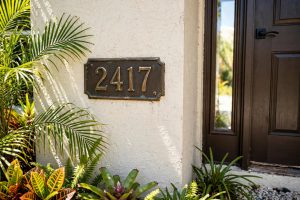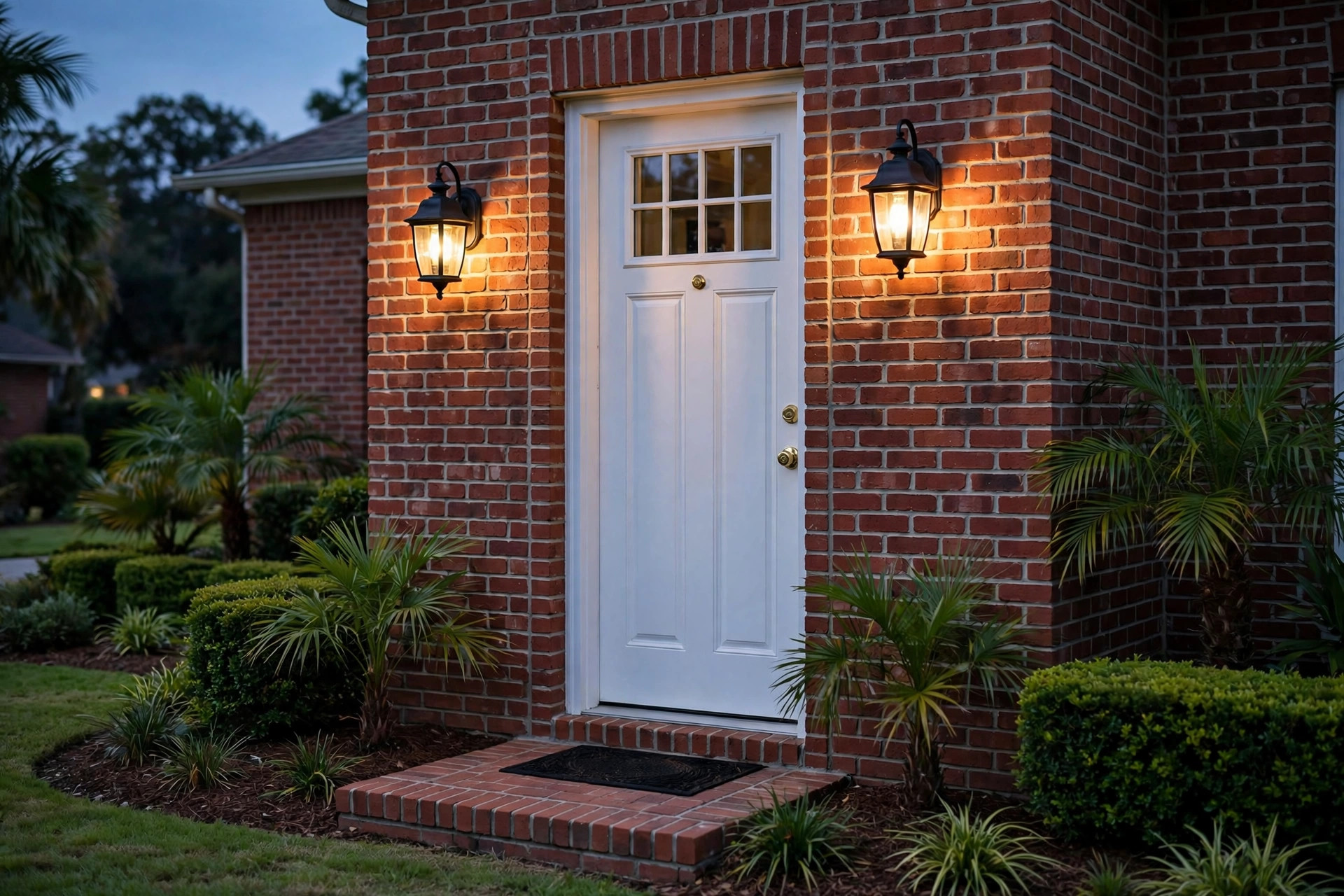

Shoppers who search for top rated outdoor wall lanterns for southern states want more than good looks. They need fixtures that survive Gulf Coast humidity, desert heat in Texas, and summer storms that roll through Florida and the Carolinas. This guide explains why the best picks for the South differ from ordinary outdoor lights, how to choose them, what they cost, and how to keep them working for years.
Why the Right Wall Lantern Matters in the South
A wall lantern beside the front door or garage does three jobs at once. It lights the way, it frames the home, and it adds a sense of safety after dark. In the southern states, the fixture faces a harder life than in most of the country.
Heat is the first enemy. Summer days above ninety degrees are common from Texas to Georgia. Cheap plastic parts soften and warp. Glue that holds a lens in place can fail. Top rated models use cast aluminum or solid brass bodies that hold their shape in the heat.
Moisture is the second enemy. Humid air in Louisiana, Florida, and the Carolinas seeps into every seam. A fixture with a weak seal will show water spots inside the glass and rust on the screws. Good lanterns carry a wet-location rating, which means they can take direct rain.
Salt air is the third enemy for coastal homes. Steel fixtures corrode quickly near the ocean. Homeowners from Charleston to Galveston do best with powder-coated aluminum or brass, both of which resist salt far longer than plain steel.
A lantern chosen with these facts in mind can last ten years or more. A poor choice may need replacement after two summers. That is why the guides at Bob Vila stress matching fixture materials to local climate before falling in love with a style.
What to Look for in a Southern-Ready Lantern: Top Rated Outdoor Wall Lanterns for Southern States
The Wet-Location Rating
Look for the words “wet location” or “suitable for wet locations” on the box. This is the strongest rating a lighting maker gives. Damp-location models suit covered porches but may fail on an open wall. For the South, where wind-driven rain is normal, wet-location fixtures are the safe choice.
Housing Material
Cast aluminum with a powder-coat finish is the workhorse choice. It is light, it resists rust, and it costs less than brass. Solid brass costs more but can last decades, even near salt water. Avoid thin stamped steel in humid regions. It rusts from the inside out.
Glass or Lens
Clear seeded glass gives the classic lantern look and hides water spots better than smooth glass. Frosted or opal glass softens glare and shows fewer dust marks. Make sure the glass sits in a gasket or rubber seal so driving rain cannot slip behind it.
Socket and Bulb Type
Most wall lanterns now use an E26 socket that fits a standard LED bulb. LEDs run cooler than old incandescent bulbs, which matters in a hot climate. A cooler bulb also keeps the fixture’s wiring in better shape. Many buying guides, such as those on Lowe’s, note that LEDs also cut power use, which helps during long southern cooling seasons when the electric bill already runs high.
Mounting and Wiring
A mounting plate with a foam or rubber gasket keeps water out of the electrical box behind the fixture. Stainless steel screws cost a few cents more but will not seize up with rust when you change a bulb years later. Guides at Family Handyman walk through the wiring steps and stress turning off the breaker first.
Types and Styles That Suit Southern Homes
Classic Carriage Lanterns
The carriage style has a straight-sided glass box with a simple cap. It matches brick colonials in the Carolinas and stucco homes in Florida. Top rated models in this style often come in textured black or oil-rubbed bronze finishes that hide dust and pollen stains.
Rustic Cage Lanterns
Cage lanterns show the bulb through open metal bars with a glass liner inside. They suit farmhouses and cottages in Texas and Tennessee. Choose a model with a sealed inner glass tube so humidity cannot reach the socket directly.
Modern Minimal Sconces
A simple rectangular box with an up-and-down glow fits newer homes in Atlanta and Austin. Many use integrated LED boards that last fifty thousand hours. The style reviewers at The Spruce often rank these high for curb appeal on contemporary builds.
Lanterns With Motion Sensors
For garages and side doors, a lantern with a built-in motion sensor adds security. The sensor turns the light on when someone approaches and off after a few minutes. Make sure the sensor lens is sealed against humidity, or false triggers will waste energy. Practical project help for adding sensor lights appears on This Old House.
Solar Wall Lanterns
Solar models charge by day and glow by night without wiring. They work well in the South, where sunlight is plentiful. Their weakness is the small battery, which heat can shorten. Treat solar lanterns as accent lights, not as the main entry light.
Cost and Price Ranges
Outdoor wall lanterns span a wide price range. A basic single lantern from a mass-market line costs between twenty-five and sixty dollars. These are fine for a rental or a short-term fix, and Home Depot stocks dozens of such models with customer ratings.
Mid-range lanterns from sixty to one hundred fifty dollars usually bring better seals, heavier housings, and longer warranties. This is the sweet spot for most southern homeowners. You get true wet-location ratings and finishes that hold up.
Premium lanterns from one hundred fifty to four hundred dollars per fixture often use solid brass or copper. They age gracefully and may carry lifetime finish warranties. The makers’ own pages, such as James Hardie, remind shoppers that exterior upgrades like lighting should match the quality of the siding and trim around them — a copper lantern looks right against fiber-cement siding and may outlast several paint jobs.
Pair the fixture cost with installation. A homeowner who replaces an existing fixture can do the job in under an hour. A new fixture where no wiring exists may cost one hundred to three hundred dollars for an electrician to run a circuit. When planning a full exterior refresh, remember that lighting pairs with other upgrades. Shoppers comparing the best asphalt shingle roofing for USA homes often bundle new entry lighting into the same project, and a clean roof line makes new lanterns stand out.
Care and Upkeep in Hot, Humid Weather
A lantern that lasts in the South still needs basic care. Wipe the glass twice a year with a soft cloth and mild soap. Dust and pollen bake onto hot glass in summer and dim the light.
Check the gaskets every spring. Pull the glass panel and look at the rubber seal. If it is cracked or flattened, buy a replacement gasket before the summer storms arrive. A five-dollar gasket saves a hundred-dollar fixture.
Tighten screws and re-seat the bulb once a year. Heat cycles loosen metal parts. While you are at it, inspect the wire nuts in the mounting box for signs of green corrosion. If you see corrosion, cut the wire back to clean copper and re-strip it.
Trim plants away from the fixture. Shrubs that touch the lantern hold moisture against the housing and invite insects. Keep at least six inches of clear air around each light. Also wash away pollen film in late spring. Southern pine pollen coats everything each year, and a filmed-over lens can cut light output in half before summer even starts.
For brass or copper lanterns, decide whether you like the patina. Many southern homeowners let these metals darken naturally. If you prefer the bright finish, apply a coat of marine-grade lacquer once a year, as described in finish-care articles on CertainTeed resource pages for exterior materials.
Safety Tips for Outdoor Fixtures
Always turn off the breaker before touching a fixture. Test the wires with a non-contact voltage tester before you loosen anything. The step-by-step safety checklists on Bob Vila repeat this rule because it prevents the most common DIY injury.
Keep wattage within the fixture’s rating. A lantern marked for sixty-watt maximum should not take a hundred-watt bulb, even an LED that draws less power. The rating is about heat, not just current.
In hurricane zones, inspect fixtures after every major storm. Wind can crack glass and loosen mounting plates. Replace cracked glass at once, since water will enter and reach the wiring.
Choose bulbs with the right brightness. A front-door lantern usually needs eight hundred to eleven hundred lumens. Too bright a light creates glare that blinds visitors and annoys neighbors. Many Lowe’s lighting guides suggest warm white bulbs around twenty-seven hundred Kelvin for entries, because the warm glow flatters brick and wood siding.
Keep the fixture away from flammable materials. Real flame candles are never safe inside an outdoor wall lantern. Use LED candles or real bulbs only.
Frequently Asked Questions
What size wall lantern should I buy for my front door?
Match the lantern to the door. For a standard thirty-six-inch door, a lantern twelve to sixteen inches tall looks balanced. For double doors or tall entries, go eighteen inches or more. Mount the center of the lantern at eye level, about sixty to sixty-six inches above the porch floor.
Do I need a wet-location rating if my porch is covered?
A covered porch still sees blown rain in southern storms, so a wet-location rating is the safer pick. Damp-location fixtures are fine only in deep porches that never see sideways rain. When in doubt, choose wet-location. It costs little more and removes the risk.
Which finish lasts longest in coastal Florida?
Powder-coated aluminum holds up well and costs less than brass. Solid brass lasts even longer against salt air but costs more. Avoid painted steel near the coast. The finish will bubble within a year or two no matter how good the paint sounds on the box.
Can I install a wall lantern myself?
If a junction box already exists and the wiring is sound, most handy homeowners can swap a fixture in under an hour. Turn off the breaker, test the wires, and follow the maker’s diagram. If there is no box or the wiring is old knob-and-tube, hire an electrician. Local code may also require a permit for new outdoor circuits.
How do outdoor wall lanterns affect home value?
Good entry lighting improves curb appeal, which matters to buyers. A pair of matching lanterns costs a few hundred dollars but makes the whole facade look cared for. Exterior projects work as a set: many shoppers who read a seamless gutter guard buying guide also refresh their entry lighting at the same time, and basement waterproofing services buyers often add exterior lighting to the same punch list before listing a home.
Are LED integrated lanterns better than socket models?
Integrated LED models use less energy and never need a bulb change, but when the LED board dies, you replace the whole fixture. Socket models let you swap in a new bulb in seconds. For the South, where heat shortens electronics, many buyers prefer socket models because a failed bulb is a five-dollar fix, not a full replacement.
A Short Final Word
The best outdoor wall lantern for a southern home is not the fanciest one in the catalog. It is the one with a wet-location rating, a rust-proof housing, a tight gasket, and a size that fits the door. Spend the middle of the price range, install it on a solid gasket, and give it ten minutes of care each spring. Done this way, the lantern will greet visitors warmly through many long southern summers.
References
Bob Vila. (n.d.). Home improvement advice. https://www.bobvila.com CertainTeed. (n.d.). Building materials and exterior products. https://www.certainteed.com Family Handyman. (n.d.). DIY home repair and maintenance. https://www.familyhandyman.com James Hardie. (n.d.). Fiber cement siding and exterior products. https://www.jameshardie.com Lowe’s. (n.d.). Home improvement products. https://www.lowes.com The Home Depot. (n.d.). Home improvement products. https://www.homedepot.com The Spruce. (n.d.). Home and garden advice. https://www.thespruce.com This Old House. (n.d.). Home renovation guidance. https://www.thisoldhouse.com
Was this guide helpful?

About Lisa Anderson
The My Garden US editorial team writes practical, in-depth home and garden guides for American homeowners — tested advice, no fluff.
You May Also Like

Best Gutter Installation Services Near Me: A Complete Guide
September 4, 2026 0 views
Durable Exterior Stair Railings for Small Apartments: A Complete Guide
March 26, 2026 0 views
Energy Efficient Cedar Shake Siding Buying Guide
August 22, 2026 0 views