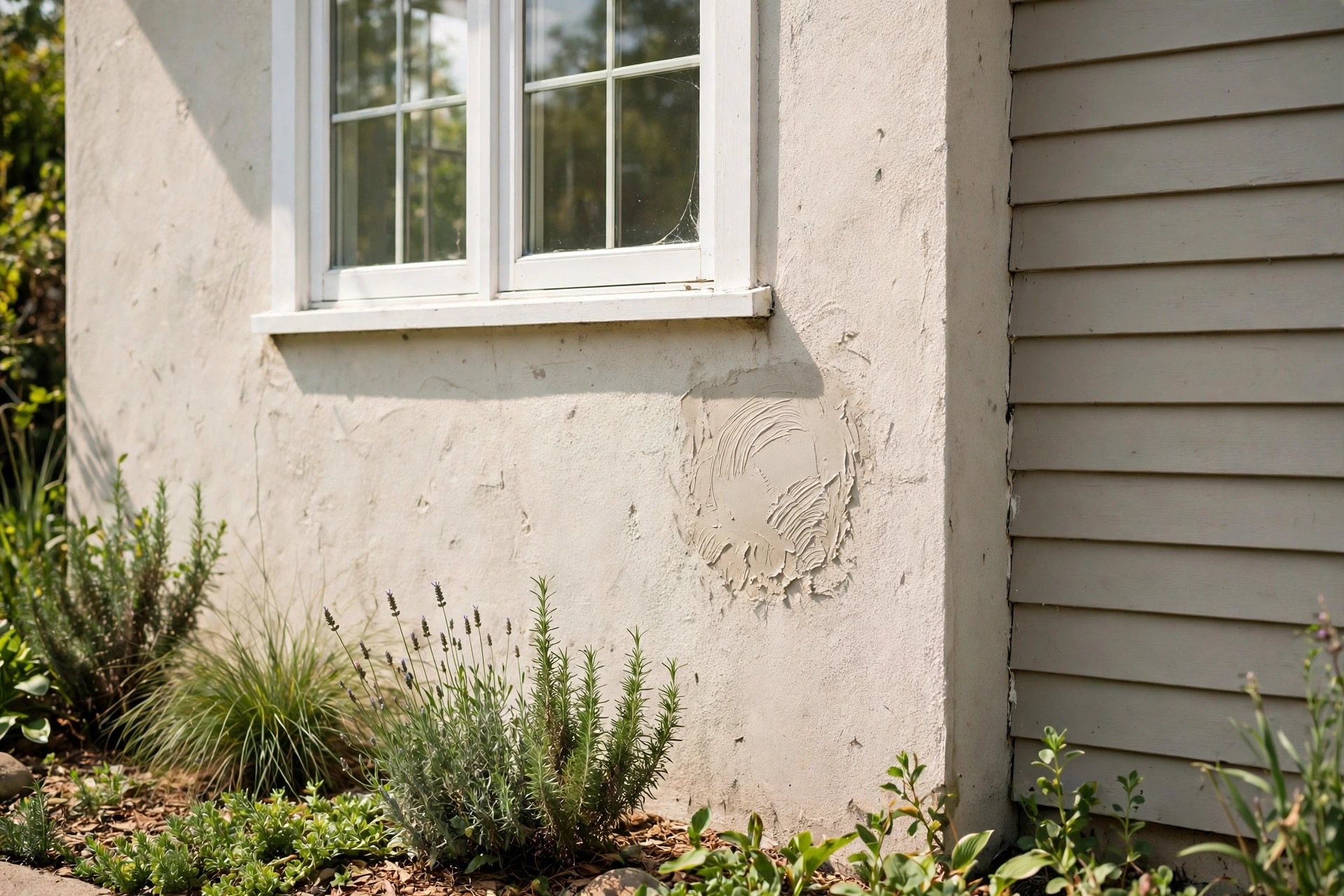

Stucco walls look clean and solid when they are new. After years of sun, rain, and wind, they can crack and chip. A small crack may look like nothing to worry about. But water can find its way through that crack. Water can rot the wood behind the wall. It can stain the inside of the house. That is why many home owners search for professional grade stucco exterior repair near me. They want a repair that is done right the first time. They want a repair that lasts for many years. This guide will help you. It explains what professional grade repair means. It shows the kinds of damage stucco can face. It tells you how to choose a skilled contractor. It gives real price ranges. It also covers care and upkeep. Read on, and you will know exactly what to do when your stucco walls need help.
Why Stucco Repair Matters
Stucco is more than a pretty surface. It is a hard shell that keeps water out of your walls. When that shell breaks, water gets in. Rain can soak the layers under the stucco. In winter, that water can freeze and expand. Each freeze makes the crack wider. This slow damage is called freeze and thaw. It can ruin large areas of wall in a few years.
Water damage also invites mold. Mold can grow inside dark wall spaces. It can cause bad smells and health problems. Termites like wet wood too. A cracked wall gives them a path into your home. A good repair stops all of these problems early.
There is also the look of your home. Cracked stucco lowers curb appeal. Buyers notice it right away. A neat, fresh wall can raise the value of your home. Real estate agents often list new stucco as a selling point. Small repairs now can save you from a full wall replacement later. A full replacement costs much more than a patch.
How to Find Professional Grade Stucco Exterior Repair Near You: Professional Grade Stucco Exterior Repair near Me
The word professional grade means the work meets a high standard. The contractor uses the right materials. The patch matches the old wall in color and texture. The repair is built in layers, just like the first wall. It is not a quick smear of caulk over a crack.
Start your search close to home. Stucco types vary by region. In the Southwest, stucco is often very thick. In the Southeast, thin synthetic stucco is common. A local contractor knows the type used in your area. Ask friends and neighbors who they used. Look at review sites for local ratings. You can also read repair advice from This Old House to learn the right terms before you call.
What to Ask Before You Hire
Ask each contractor the same questions. This makes it easy to compare.
– Are you licensed and insured in my state? – How many years have you worked with stucco? – Can you show me photos of past repairs? – Will you give me a written estimate? – What materials will you use for the patch? – How long will the job take? – Do you offer a written warranty?
A good contractor will answer with ease. He or she will visit your home before giving a price. The estimate should list labor, materials, and clean up. It should also note how the new texture will match the old. Ask about the drying time between layers. Real stucco needs time to cure. A rushed job can crack again in months.
Warning Signs of a Bad Contractor
Some signs tell you to walk away. Do not hire a contractor who asks for full payment in cash up front. Do not hire one who will not give a written contract. Be careful of prices far below the others. Very low bids often mean cheap materials or skipped steps. The Consumer Reports buying guides remind home owners that fair price and clear terms matter more than a low quote. Also avoid any worker who pressures you to sign today. A real professional gives you time to think.
Types of Stucco Damage and Repair Options
Not all stucco damage is the same. Each type needs a different fix.
Hairline Cracks
Hairline cracks are thin, like a pencil line. They often come from the house settling or from heat stress. Most hairline cracks are only in the top coat. A contractor can fill them with an elastomeric sealant or a thin stucco patch. The fix is quick and low cost. You should still act fast. Even thin cracks let water in over time.
Wide Cracks
Wide cracks are larger than a credit card edge. They may run through all layers of the stucco. The contractor must open the crack into a V shape. Then he or she fills it with fresh stucco in two or three layers. Wire mesh may be added for strength. The final coat is textured to match the wall. You can see step photos in many Family Handyman project guides.
Holes and Chips
Holes come from impacts, like a ladder hitting the wall. Small chips can be filled with a premixed stucco patch. Larger holes need new wire lath nailed to the studs. The contractor builds up the layers and lets each one cure. Texture matching is the hard part here. A skilled worker blends the patch so you cannot see the edge.
Stains and White Powder
Dark stains often mean water is trapped behind the wall. White powder is called efflorescence. It forms when water pulls salts out of the stucco. Both signs point to a water problem. The contractor must find the source first. It may be a bad gutter, a cracked seal around a window, or poor drainage. Fix the water source before you fix the stain. For related trim work, see this guide on soffit and fascia repair.
Bulging or Loose Stucco
Tap the wall with your hand. If an area sounds hollow, the stucco has pulled away from the base. Bulging walls may have rotted wood behind them. This is the most serious type of damage. The loose stucco must be cut out. The wood and paper behind it must be checked and replaced. Then new stucco goes on in full layers. This job takes more time and costs more.
What Professional Grade Materials Look Like
The materials make the repair last. Cheap patch products may crack in one year. Professional grade products hold up for ten years or more. Ask your contractor what brands they use. Look for acrylic modified stucco mixes. These flex a little with heat and cold. They resist cracks better than plain cement mixes.
A true repair uses several layers. The base coat bonds to the wall. The middle coat builds thickness. The finish coat gives color and texture. Some jobs need new metal lath and a water barrier behind the patch. The Spruce explains how each layer of a stucco wall works. You can buy quality mixes at Home Depot or Lowe’s if you want to see what pros use. For painted stucco, a high quality exterior coating from Sherwin-Williams can seal the wall after the repair cures. Bob Vila also reviews top exterior products each year. If you plan bigger exterior work later, check this metal roofing installation cost guide as well.
Cost and Price
Prices change by region, but these ranges hold true for most of the country.
– Small patch or crack fill: 150 to 400 dollars – Medium repair with new lath: 400 to 900 dollars – Large repair with wood replacement: 900 to 2,500 dollars or more – Full wall re-stucco: 8 to 15 dollars per square foot
Several things push the price up or down. Hard to reach walls cost more. Walls with three thick coats take more labor than thin synthetic stucco. Matching a rare texture takes extra skill. Your region matters too. Labor rates in big cities run higher than in small towns. For a full breakdown of stucco pricing, read our stucco exterior repair cost guide.
Get at least three written bids. Make sure each bid covers the same work. Ask each contractor to note the number of coats. Ask how they will match the texture. A clear bid protects you from surprise charges. Never pay the full amount before the work is done. A common plan is one third down, one third at the mid point, and the rest when you are happy.
Care and Upkeep After the Repair
A good repair can last decades if you care for it. Walk around your home twice a year. Look for new cracks or chips. Spring and fall are good times for this check. Catch small problems early.
Keep water away from the walls. Clean your gutters so rain flows off the roof. Point sprinklers away from the stucco. Soil should slope away from the house. Water that pools at the base can wick up into the wall.
Wash the stucco once a year with a garden hose. A soft brush can remove dirt. Do not use a harsh pressure washer close to the wall. High pressure can cut into the finish. Touch up caulk around windows and doors each year. A fresh bead of sealant stops leaks. Many painters suggest a breathable exterior coating every seven to ten years. Breathable means water vapor can escape while rain stays out.
Safety
Stucco work looks simple, but it has risks. Dust from old stucco can irritate lungs. Workers should wear masks and eye protection. You should stay clear of the work zone. Keep children and pets inside while grinding or cutting is under way.
Homes built before 1978 may have lead paint under or over the stucco. Do not sand or scrape old painted walls without a test. A certified lead test is cheap and fast. Ladders are another risk. Falls are the top cause of injury in home repair. Let pros with scaffolds handle high walls. They know how to set up safe platforms. The James Hardie and CertainTeed sites both stress safe handling of exterior cladding products.
Frequently Asked Questions
How long does stucco repair take?
Small patches take a few hours. Medium repairs take one to two days. Large jobs with wood replacement can take a week. Each coat needs time to cure. A good contractor will not rush this step.
Can I patch stucco myself?
You can fill tiny hairline cracks with a store bought sealant. Larger damage needs skill. Texture matching is hard for a beginner. Bad patches stand out and can trap water. For anything larger than a coin, call a pro.
Will the new patch match the old wall?
A skilled contractor can match most textures and colors. New stucco may look slightly different at first. It blends in as it cures and weathers. Ask to see past color match work before you hire.
How much does professional grade stucco exterior repair cost near me?
Most small jobs cost 150 to 400 dollars. Larger repairs run 900 to 2,500 dollars or more. Prices depend on your region and the size of the damage. Get three local bids for an exact number.
How long will the repair last?
A well done patch lasts 10 to 20 years. Good materials and proper curing make the difference. Yearly checks and quick touch ups extend the life even more.
Do I need to paint after the repair?
Not always. Many stucco patches use a colored finish coat that matches the wall. Some jobs look better with a fresh coat of paint. Wait at least 30 days for the stucco to cure before painting.
Final Word
Cracked stucco is a warning, not a disaster. Act early and the fix is small. Wait, and water will do costly damage. A professional grade repair restores both the look and the strength of your wall. Choose a licensed local contractor. Ask the right questions. Use quality materials. Then keep up with simple care each year. Your home will thank you with dry walls and lasting curb appeal.
References
Bob Vila. (n.d.). Home improvement advice. https://www.bobvila.com CertainTeed. (n.d.). Building materials and exterior products. https://www.certainteed.com Consumer Reports. (n.d.). Product reviews and ratings. https://www.consumerreports.org Family Handyman. (n.d.). DIY home repair and maintenance. https://www.familyhandyman.com James Hardie. (n.d.). Fiber cement siding and exterior products. https://www.jameshardie.com Lowe’s. (n.d.). Home improvement products. https://www.lowes.com Sherwin-Williams. (n.d.). Paints and coatings. https://www.sherwin-williams.com The Home Depot. (n.d.). Home improvement products. https://www.homedepot.com The Spruce. (n.d.). Home and garden advice. https://www.thespruce.com This Old House. (n.d.). Home renovation guidance. https://www.thisoldhouse.com
Was this guide helpful?

About Robert Taylor
The My Garden US editorial team writes practical, in-depth home and garden guides for American homeowners — tested advice, no fluff.
You May Also Like

Energy Efficient Cedar Shake Siding with Free Shipping
June 29, 2026 0 views
Top Rated Wood Siding Replacement Reviews: A Plain Guide for Homeowners
March 24, 2026 0 views
Best Concrete Driveway Resurfacing Near Me: A Plain Guide for Homeowners
February 3, 2026 0 views