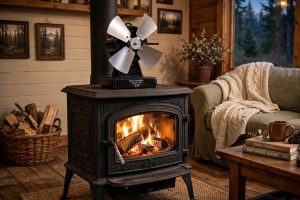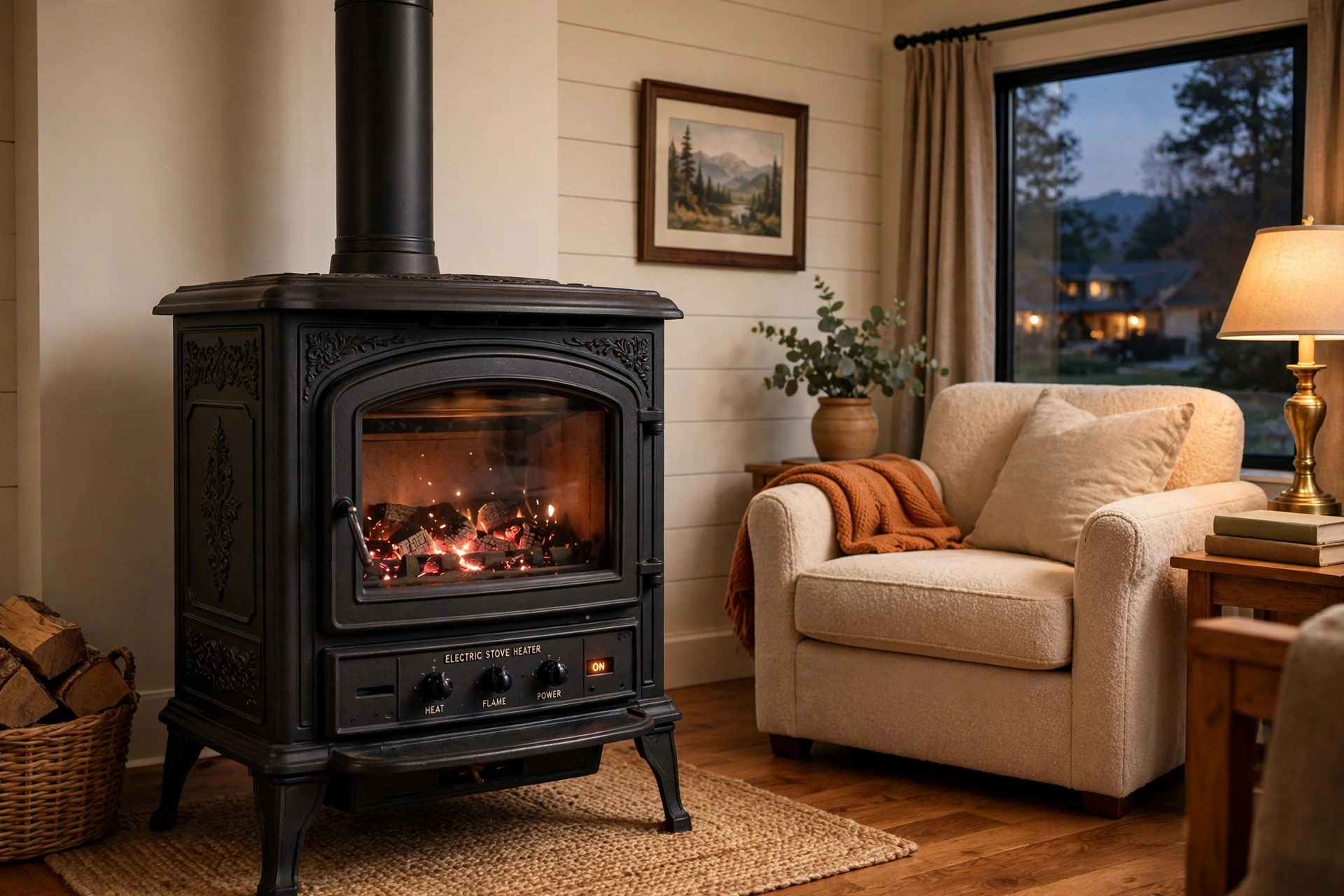

A home with a wood stove has a certain charm. The glow of the fire. The crackle behind glass doors. But not every home can vent a wood stove. Some rooms have no chimney. Some towns have burn bans. That is where epa certified freestanding electric stoves with free shipping enter the picture. They stand on the floor like a wood stove. They look like a wood stove. They plug into a wall outlet.
There is one catch that buyers should know up front. The Environmental Protection Agency certifies wood-burning stoves for low emissions. Electric stoves burn nothing at all, so they cannot carry an EPA certification. When a listing uses the words EPA certified next to an electric stove, it is usually marketing language. This guide explains what that means, what to look for instead, and how to buy one with free shipping.
Why It Matters
A freestanding electric stove solves real problems. It adds heat where the central system falls short. A cold corner of a living room becomes usable in winter. A finished basement becomes warm without ductwork. A rental home gets a fireplace look without any changes to the building. Because the stove stands free, it needs no chimney, no gas line, and no permit in most places.
The words in the listing matter because they set the wrong expectations. A buyer who trusts the phrase EPA certified may think the stove has passed some test. It has not. No federal test applies to electric heaters in that way. What does apply are electrical safety listings from groups such as UL or ETL. The U.S. Environmental Protection Agency publishes its wood stove rules for wood burners only. Knowing this keeps buyers from paying extra for a label that means nothing on an electric model.
Free shipping matters too. These stoves weigh 30 to 80 pounds. A cast-iron-look unit can be heavy and bulky. Shipping fees can add 50 to 150 dollars if the store charges them. Stores that offer free shipping make the total price honest and easy to compare.
What to Look For When You Shop: Epa Certified Freestanding Electric Stoves with Free Shipping
Start with heat output. Most freestanding electric stoves list their heat in BTUs or watts. A common size is 1,500 watts, which covers about 400 square feet. Small rooms need less. Measure the room first. A stove that is too strong will cycle on and off. One that is too weak will run all day without warming the space. The U.S. Department of Energy has plain guides that explain how room size and insulation change heating needs.
Next, check the voltage. Most stoves plug into a standard 120-volt outlet. Larger units may need a 240-volt circuit. If you only have a normal outlet in the room, buy a 120-volt model.
Look at the flame effect. Some stoves use simple lights and a spinning mirror. Others use LED screens or water vapor for a more real look. The better effects cost more. Read buyer photos, not just the store photos, before you decide.
Check the safety marks. Look for a UL or ETL listing on the label or in the product specs. These marks show the stove passed electrical safety tests. A store such as The Home Depot or Lowe’s usually lists these marks in the details.
Also check the noise level. Some stoves have fans that hum. If the stove will sit in a bedroom, look for a fanless infrared model or one with a quiet setting.
Types and Options
Freestanding electric stoves come in a few styles. Cast-iron-look stoves copy old wood burners with legs, a door, and a flue pipe that goes nowhere. They suit cabins and farmhouse rooms. Wooden mantel stoves look like a small fireplace with a shelf on top for photos or a plant. Modern stoves have clean lines, black glass, and simple shapes for city apartments.
Infrared stoves heat objects and people in the room directly. Forced-fan stoves blow warm air around the room. Infrared models warm you faster but cover less space. Fan models spread heat more evenly. Both use about the same power.
Some stoves run their flame effect with the heat off. That is a nice touch for spring evenings when you want the glow without the warmth. Check the specs for this feature if it matters to you.
Color choices are wide now. Black is standard. White, red, and cream models suit kitchens and cottages. Measure doorways and stairs before you order. Some boxed stoves are wide.
For more reading on hearth styles, see Napoleon and Heatilator, which both describe many stove and fireplace designs.
Cost and Price
Prices run from about 150 dollars to over 900 dollars. Simple stoves with basic flame effects sit at the low end. Larger stoves with strong LED flames, remote controls, and solid cabinets cost more. Free shipping is common on orders over a set amount at big stores. Watch the delivery terms. Free shipping often means curbside drop-off. Carrying the box inside and upstairs is your job unless you pay for extra service.
Running costs stay modest. At average power rates, a 1,500-watt stove costs roughly 18 to 25 cents per hour to run on full heat. The flame-only mode uses almost no power. Compare that with the price of wood, chimney cleaning, and repairs for a real wood stove. The Family Handyman and This Old House both break down home heating costs in plain terms.
Sales cluster around fall and winter. Late winter brings clearance prices as stores clear stock. Summer sales are rare but can be the cheapest time to buy.
Free shipping deserves a closer look. Big online stores often ship these stoves free to the lower 48 states. Some charge extra for Alaska and Hawaii. Rural addresses may face longer delivery times. The box can weigh 40 to 80 pounds, so ask a friend to help you carry it. Check the return policy too. A good store gives you 30 to 90 days to send the stove back if the flame effect looks cheap in your room. Keep the box until you are sure you want to keep the stove.
Care and Upkeep
Care is simple. That is one of the best reasons to buy electric. Dust the stove with a dry cloth each month. Wipe the glass front with glass cleaner when it looks dull. Vacuum the back vents so dust does not block the airflow. Keep curtains, blankets, and papers at least three feet away.
The LED bulbs or flame unit last many years. When the flame looks dim, check the manual for bulb replacement steps. Most parts swap out with a screwdriver. If the heater stops blowing warm air, unplug the stove, let it cool, and check for blocked vents before you call for help.
Once a year, pull the stove away from the wall and vacuum behind it. Dust builds up there and can make the fan work harder. Check the power cord for cracks or fraying. If the cord looks worn, stop using the stove and have it serviced. Tighten any loose legs or feet so the stove stands level. A level stove heats well and looks right.
Stores like The Spruce and Bob Vila publish seasonal checklists that help you fold stove care into normal home upkeep.
Safety
Safety is where electric stoves beat wood stoves by a wide margin. There is no open flame. There is no smoke. There is no carbon monoxide from fuel. Still, a heater is a heater. Keep the three-foot rule for anything that can burn. Never plug the stove into a power strip or extension cord. Plug it straight into the wall. A heater can pull the full power of a circuit.
Do not leave the stove running all night in a bedroom unless the manual says it is safe and the stove has a timer or shutoff. Keep children and pets from touching the front glass when the heat is on. It can get hot enough to burn skin.
Look for safety features in the listing. Overheat shutoff turns the stove off if it gets too hot. A tip-over switch cuts power if the stove falls. A cool-touch body stays safe on the outside. Consumer Reports tests heaters and rates these features in its reviews.
If your home has an old wood stove too, get the chimney checked each year. A top rated chimney inspection service near me can spot cracks or creosote before they cause trouble. And if small children visit, a top rated fireplace safety gate for florida homes or any state keeps little hands away from hot surfaces.
What About “EPA Certified” on an Electric Stove
This point deserves its own section because it confuses many buyers. The EPA runs a program that limits smoke from wood stoves. A wood stove must meet those limits to be sold. An electric stove has no firebox and no smoke, so the program does not cover it.
Why does the phrase show up in listings then? Some sellers copy keywords to attract searches. Some use it to suggest the product is clean and green. In a strict sense, it is a false claim. An electric freestanding stove ordered with free delivery can still be a fine and efficient heater. ENERGY STAR lists efficient electric products, though few freestanding stoves carry that mark. Judge the stove by its UL or ETL listing and its real specs, not by EPA words in the title.
If you truly want an EPA certified stove, you want a wood burner. That is a different product with a chimney, wood storage, and ash cleanup. An energy efficient propane fire pit for sale is another route to outdoor fire without wood smoke.
FAQ
Can I use a freestanding electric stove as my main heat source?
It can heat one room well. It is not meant to heat a whole house. Use it to warm the rooms you live in and turn the main thermostat down a few degrees.
Do these stoves need any venting?
No. They burn nothing, so they make no smoke or gas. They need only a wall outlet and clear space around them.
How much does it cost to run one?
Roughly 18 to 25 cents per hour at full heat with average power rates. Flame-only mode costs almost nothing.
Is free shipping really free?
The store pays the freight, so you pay nothing extra at checkout. Check whether delivery is curbside or to your door, and whether hauling it inside costs more.
What does EPA certified mean on an electric stove listing?
Almost nothing. EPA certification applies to wood stoves. On an electric stove it is marketing language. Look for UL or ETL safety marks instead.
Can I put one in a bedroom?
Yes, if the manual allows it. Choose a quiet model, keep three feet of clear space, and use the timer or auto shutoff. Never use extension cords.
A Short Final Word
Epa certified freestanding electric stoves with free shipping sound like a mouthful. Strip away the marketing and the idea is simple. A freestanding electric stove gives you the look of a fire with the ease of a lamp. Plug it in, turn it on, and enjoy the glow.
Shop with clear eyes. Ignore the EPA words on electric models. Check the watts, the safety marks, and the delivery terms. Buy from a store that ships free and backs the product with a fair return policy. Do that, and you will get warm rooms and a calm mind all winter long.
References
Bob Vila. (n.d.). Home improvement advice. https://www.bobvila.com Consumer Reports. (n.d.). Product reviews and ratings. https://www.consumerreports.org ENERGY STAR. (n.d.). Energy efficient products. https://www.energystar.gov Family Handyman. (n.d.). DIY home repair and maintenance. https://www.familyhandyman.com Heatilator. (n.d.). Fireplaces and fireplace products. https://www.heatilator.com Lowe’s. (n.d.). Home improvement products. https://www.lowes.com Napoleon. (n.d.). Fireplaces, grills, and heating products. https://www.napoleon.com The Home Depot. (n.d.). Home improvement products. https://www.homedepot.com The Spruce. (n.d.). Home and garden advice. https://www.thespruce.com This Old House. (n.d.). Home renovation guidance. https://www.thisoldhouse.com U.S. Department of Energy. (n.d.). Energy efficiency and renewable energy. https://www.energy.gov U.S. Environmental Protection Agency. (n.d.). Protecting human health and the environment. https://www.epa.gov
Was this guide helpful?

About Jennifer Lee
The My Garden US editorial team writes practical, in-depth home and garden guides for American homeowners — tested advice, no fluff.
You May Also Like
How to Buy Outdoor Fire Pits Online in California: A Practical Guide
April 18, 2026 0 views
Fireplace Installation Services Cost Guide USA
January 23, 2026 0 views
Best Direct Vent Gas Fireplaces for American Homes: A Complete Buyer’s Guide
September 29, 2026 0 views