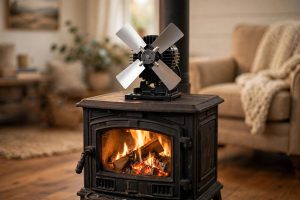

Many American homes do not have a chimney. Many do not have a gas line either. Yet the owners still want the look and feel of a real fire. This is where premium gel fuel fireplaces with free shipping enter the picture. A gel fuel fireplace burns small cans of gel alcohol fuel. It gives a true flame with true warmth. It needs no vent, no chimney, and no electric hookup. When the seller ships the unit to your door at no charge, the whole purchase becomes simple and low risk.
This guide explains how these fireplaces work, what to look for when you buy, the main types, the true cost, care, and safety. It also answers the questions buyers ask most often.
Why Gel Fuel Fireplaces Matter
A real fire changes a room. It draws the eye. It gives light and heat. For decades, the only way to get that effect was a wood fireplace with a masonry chimney, or a gas fireplace tied into the home’s gas supply. Both options demand major work.
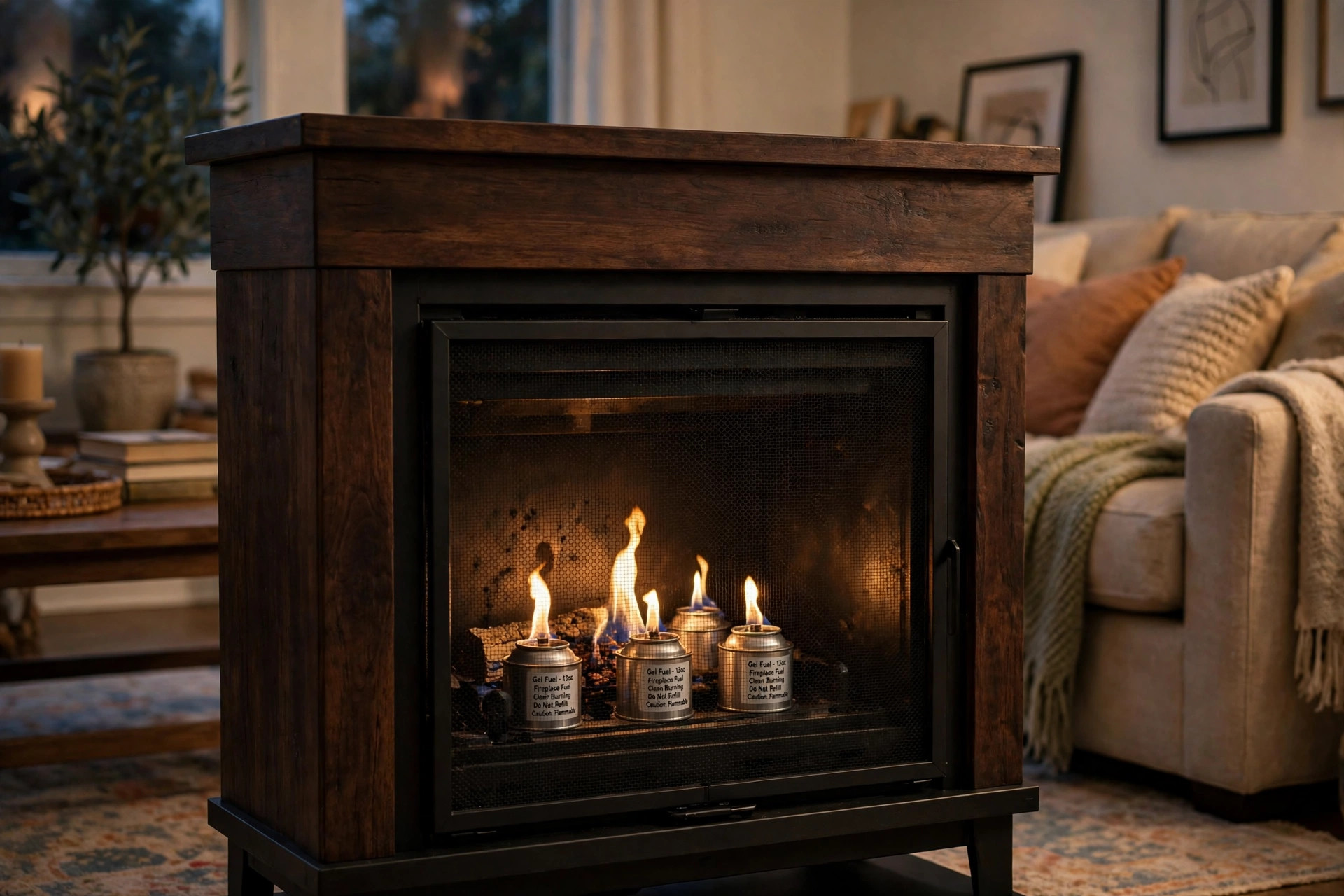
Gel fuel changed the rules. The fuel comes in small metal cans, much like cans of paint. Each can holds a thick alcohol gel. You set one, two, or three cans in the firebox, take off the lid, and light the gel with a long match or a long-reach lighter. The flame burns clean and steady. It looks like a small campfire. There is no smoke, no ash, and no soot.
The fireplace itself can be a freestanding box, a tabletop model, or a wall-mount unit. Because the flame is ventless and the fuel burns so cleanly, most models need no vent at all. Renters can use them. Apartment dwellers can use them. Anyone who cannot cut a hole in a wall for a chimney can use them.
Delivery matters too. A fireplace is a heavy, bulky item. Freight charges on such goods can run high. When a seller offers free shipping, that barrier disappears. For buyers in rural areas, where delivery surcharges are common, the savings can be large.
How a Gel Fuel Fireplace Works: Premium Gel Fuel Fireplaces with Free Shipping
The design is simple. The fireplace has a firebox, a frame, and a set of fuel canisters. The firebox holds the burning gel cans. A metal screen or glass panel may sit in front of the flame. The frame gives the unit its style: classic mantel, modern black steel, rustic wood, or sleek glass.
Each gel fuel can burns for about two and a half to three hours. The flame of one can puts out roughly 3,000 BTUs of heat. Three cans give about 9,000 BTUs. That is enough to warm a small to medium room, though it will not heat a whole house. Think of it as zone heat and mood, not as a furnace.
Lighting is easy. Remove the can lid. Place the cans in the holders. Light each can with a long lighter. To put out the flame, place a snuffer lid over the can or close the built-in damper. Never blow on the flame. Never pour water on it.
Refueling rules are strict. Let the cans cool for at least fifteen minutes before you touch them. Never add fresh fuel to a warm can. Never light a can that is nearly empty and then refill it while it is warm.
What to Look for When You Buy
Not all gel fuel fireplaces are built alike. A premium unit differs from a cheap one in frame quality, firebox design, and safety hardware. Here is what to check before you order.
First, look at the frame material. Solid wood mantels, steel bodies, and tempered glass cost more than thin particle board. They also last longer and look better. A premium fireplace should feel solid when you set it down. It should not wobble.
Second, check the firebox. A good firebox is lined with steel or another heat-resistant material. It should hold the fuel cans firmly so they cannot tip. Look for a built-in snuffer or damper that closes the flame fast.
Third, check the size. Measure the room and the wall where the unit will stand. A tabletop model suits a small apartment. A full mantel model suits a large living room. Make sure the shipping box will fit through your front door. Free shipping is no help if the box cannot get inside.
Fourth, read the fuel spec. Most gel fuel fireplaces use standard 13-ounce gel fuel cans. A unit that burns standard cans will cost you less over time. Check how many cans the unit holds and how long each can burns.
Fifth, look at the warranty. A premium maker stands behind the product for at least one year. Read the return policy too. Free shipping should cover the delivery to you, but find out who pays for return freight if the unit arrives damaged.
Sixth, compare the true price. A low sticker price with a high shipping charge can cost more than a premium unit with free shipping. Add up the full cost: the unit, the fuel starter pack, any screen or tool set, and the shipping. The best deal is the lowest total, not the lowest sticker.
Many shoppers compare gel fuel models with other ventless options, such as luxury smart electric fireplaces with free shipping. Others add high efficiency childproof fireplace screens for american homes for extra safety around the open flame. A third group weighs outdoor choices instead, reading a wood burning fire pits reviews and buying guide before they decide.
Types and Options
Gel fuel fireplaces come in several forms. Each suits a different home and a different taste.
Freestanding mantel fireplaces are the most popular. They look like a classic fireplace with a wooden surround and stand against a wall. Some include a mantel shelf for photos or a clock. They range from three feet to five feet wide.
Wall-mount fireplaces hang on the wall like a picture. They have a slim profile and a modern look. They suit small rooms because they take no floor space. They must be fixed to wall studs, so the mount is secure.
Tabletop fireplaces are small units that sit on a table or a desk. They hold one or two fuel cans. They are light and easy to move. Keep flammable items well away from the flame.
Outdoor gel fireplaces and fire bowls use the same fuel cans. They sit on a patio table or stand on the deck. They give a soft flame for evening gatherings. They are not meant to replace a full-size fire pit, but they add charm with very little work.
Cost and Price
A premium gel fuel fireplace usually sells for between 200 and 800 dollars. Tabletop models sit at the low end, often under 200 dollars. Full-size mantel models with solid wood frames sit at the high end. Wall-mount units fall in the middle.
Free shipping changes the math. A fireplace in a large box can cost 60 to 120 dollars to ship by freight or parcel carrier. When the seller covers that charge, a 500-dollar unit with free shipping beats a 450-dollar unit with 80 dollars of shipping. Always compare the delivered price.
The fuel is the running cost. A standard 13-ounce gel fuel can costs about 3 to 5 dollars when bought in a case. A three-can fireplace burns through three cans per evening, so a full evening of fire costs 9 to 15 dollars. That is more per hour than natural gas and far more than wood, if you cut your own. Gel fuel is a luxury fuel. You pay for the clean burn and the easy setup, not for cheap heat.
Plan the yearly cost. If you light the fireplace two evenings a week for six months, that is about 50 evenings. At three cans per evening and 4 dollars per can, the fuel bill is about 600 dollars a year. Buy fuel in bulk cases to get the lowest price per can.
Replacement parts are cheap. A snuffer lid, a screen, or a set of can holders costs little. The steel firebox should last for years.
Care and Upkeep
A gel fuel fireplace asks for little care. That is part of its charm. Still, a few simple habits will keep it safe and good-looking.
Wipe the firebox after each use, once it is fully cool. Use a dry cloth. Never use water or a wet cleaner inside the firebox.
Check the fuel cans before each lighting. A dented or leaking can should go straight into the trash, outdoors, away from the house. Never use a can that is swollen or rusted. Store spare cans in a cool, dry place, far from the fireplace and far from any heat source. Keep them out of reach of children.
Inspect the frame once a season. Tighten any loose screws. Touch up paint or stain as needed. If the unit has a glass panel, clean it with a glass cleaner and a soft cloth when it is cool.
Check the snuffer or damper. It must close fully and quickly. A damper that will not close is a safety risk. Replace it before you use the fireplace again.
Keep the area around the fireplace clear. Curtains, paper, and throw pillows must stay at least three feet from the flame. Never place the unit under a low shelf or near a doorway where someone might bump it. A stable, level floor is a must.
Safety
An open flame always demands respect. Gel fuel fireplaces are safe when used as directed, and the U.S. Consumer Product Safety Commission publishes general guidance on safe use of home heating and flame products. The U.S. Environmental Protection Agency also offers clear information on clean burning and indoor air quality that applies to any ventless flame in the home.
Follow these rules every time you light the unit.
Never leave a burning fireplace alone. Stay in the room. If you must leave, snuff the flames first. Keep children and pets at a safe distance. A fireplace screen guide from This Old House shows how a simple barrier keeps little hands away from the flame.
Vent the room lightly. Gel fuel burns clean, but it still uses oxygen and gives off carbon dioxide and water vapor. Crack a window a small amount when the fireplace is lit. Never use the fireplace in a tiny sealed room.
Keep a fire extinguisher nearby. A small ABC-rated extinguisher in the same room is cheap insurance. Know how to use it before you need it.
Read the manual. Every model has its own rules for can placement, lighting, and snuffing. The manual also states the minimum clearances from walls and furniture. Follow those numbers exactly. Guidance from The Spruce on fireplace safety and Family Handyman can help you set up a safe hearth area, and Bob Vila’s home guides cover mantel and surround care in plain terms.
Buy fuel from a known brand. Cheap no-name gel cans can burn unevenly or leak. Store the cans upright, away from heat.
Retailers such as Home Depot and Lowe’s stock gel fuel and fireplace accessories. Specialty makers like Napoleon and Heatilator publish detailed specs on their ventless and direct-vent lines, useful reading when you compare a gel unit against gas or electric options.
Frequently Asked Questions
Do gel fuel fireplaces need a chimney or vent? No. Gel fuel burns very cleanly, with no smoke or soot. Most models are sold as ventless. You still need a small amount of fresh air in the room, so crack a window while the fire burns.
How much heat does a gel fuel fireplace give? One 13-ounce can gives about 3,000 BTUs. A three-can unit gives about 9,000 BTUs. That will warm a small to medium room by a few degrees. It is mood heat for one room, not whole-house heat.
How long does one can of gel fuel burn? About two and a half to three hours. Burn time varies with the brand of fuel and the draft in the room.
Is gel fuel expensive to run? It costs more per hour than gas or wood. A full evening with three cans can cost 9 to 15 dollars. Many owners use the fireplace a few nights a week or on special occasions to hold the cost down.
Can I use a gel fuel fireplace in an apartment? In most cases, yes. There is no chimney, no gas line, and no wiring to install. Check your lease first. Some landlords ban all open flames.
Does free shipping really save money? Yes, when you compare the delivered price. Shipping a large, heavy fireplace box can cost 60 to 120 dollars. A seller who ships free spares you that charge at checkout.
A Final Word
A premium gel fuel fireplace brings the sight and feel of real fire into homes that cannot have a chimney. It lights in seconds, burns clean, and needs no vent. The running cost is higher than gas or wood, but the ease of use is hard to beat. Shop with care: check the frame, the firebox, the fuel spec, and the warranty. Compare the delivered price, not just the sticker. Light it on a cold evening, sit close, and enjoy one of the oldest comforts known to the home.
References
Bob Vila. (n.d.). Home improvement advice. https://www.bobvila.com Family Handyman. (n.d.). DIY home repair and maintenance. https://www.familyhandyman.com Heatilator. (n.d.). Fireplaces and fireplace products. https://www.heatilator.com Lowe’s. (n.d.). Home improvement products. https://www.lowes.com Napoleon. (n.d.). Fireplaces, grills, and heating products. https://www.napoleon.com The Home Depot. (n.d.). Home improvement products. https://www.homedepot.com The Spruce. (n.d.). Home and garden advice. https://www.thespruce.com This Old House. (n.d.). Home renovation guidance. https://www.thisoldhouse.com U.S. Consumer Product Safety Commission. (n.d.). Product safety information. https://www.cpsc.gov U.S. Environmental Protection Agency. (n.d.). Protecting human health and the environment. https://www.epa.gov
Was this guide helpful?

About Emily Rodriguez
The My Garden US editorial team writes practical, in-depth home and garden guides for American homeowners — tested advice, no fluff.
You May Also Like
High Efficiency Gas Log Sets for Sale: What to Know Before You Buy
July 5, 2026 0 views
Energy Efficient Propane Fire Pits for Sale: A Practical Buying Guide
March 19, 2026 0 views
Buy Tile Fireplace Surrounds Online in Texas: A Plain Guide for Homeowners
May 27, 2026 0 views