
A wet basement is more than a small nuisance. Water that seeps through walls and floors can rot wood, rust metal, and grow mold behind the walls. It can lower the value of a home and make rooms unsafe to use. This guide explains premium basement waterproofing services for homeowners in plain terms. You will learn what these services do, how the main methods work, what they cost, and how to pick a contractor you can trust.
Why Basement Waterproofing Matters
Most basements sit below the level of the soil around the house. Rain and melted snow soak into that soil. The soil pushes water against the foundation walls. Over time, water finds small cracks, weak joints, and porous concrete. It works its way inside.
A damp basement causes several problems at once. Stored boxes and furniture can be ruined. Carpets and rugs can rot. Mold can spread through the air ducts and affect the whole house. Paint can peel from the walls. In bad cases, the wood beams that hold up the house can weaken. That is why so many owners choose premium basement waterproofing services for homeowners before the damage grows.
A dry basement also adds usable space. Many families turn a dry basement into a playroom, a home office, or a guest bedroom. That adds value when the house is sold. A home with a documented waterproofing system often brings a higher price and sells faster.
What Premium Service Really Means: Premium Basement Waterproofing Services for Homeowners
Not all waterproofing work is the same. A premium job differs from a quick patch in several ways.
First, it starts with a full inspection. The contractor walks the whole basement, inside and out. He checks the walls for cracks, the floor for low spots, and the joints where the floor meets the wall. He may use a moisture meter. He looks at the grade of the soil outside and the condition of the gutters.
Second, it uses better materials. Premium sealants, thicker membranes, and heavy-duty pumps cost more, but they last longer. Cheap fixes often fail within a year or two.
Third, it comes with a real warranty. Many premium companies offer a transferable lifetime warranty on the drainage system. That means the next owner of the house is also covered. A written warranty is a sign that the company stands behind its work.
Fourth, the crew is trained and insured. Ask to see proof of insurance and any state licenses. A premium contractor has done hundreds of jobs like yours.
Types of Basement Waterproofing
Contractors use three main methods. Many premium jobs combine two or all three.
Interior Drainage Systems
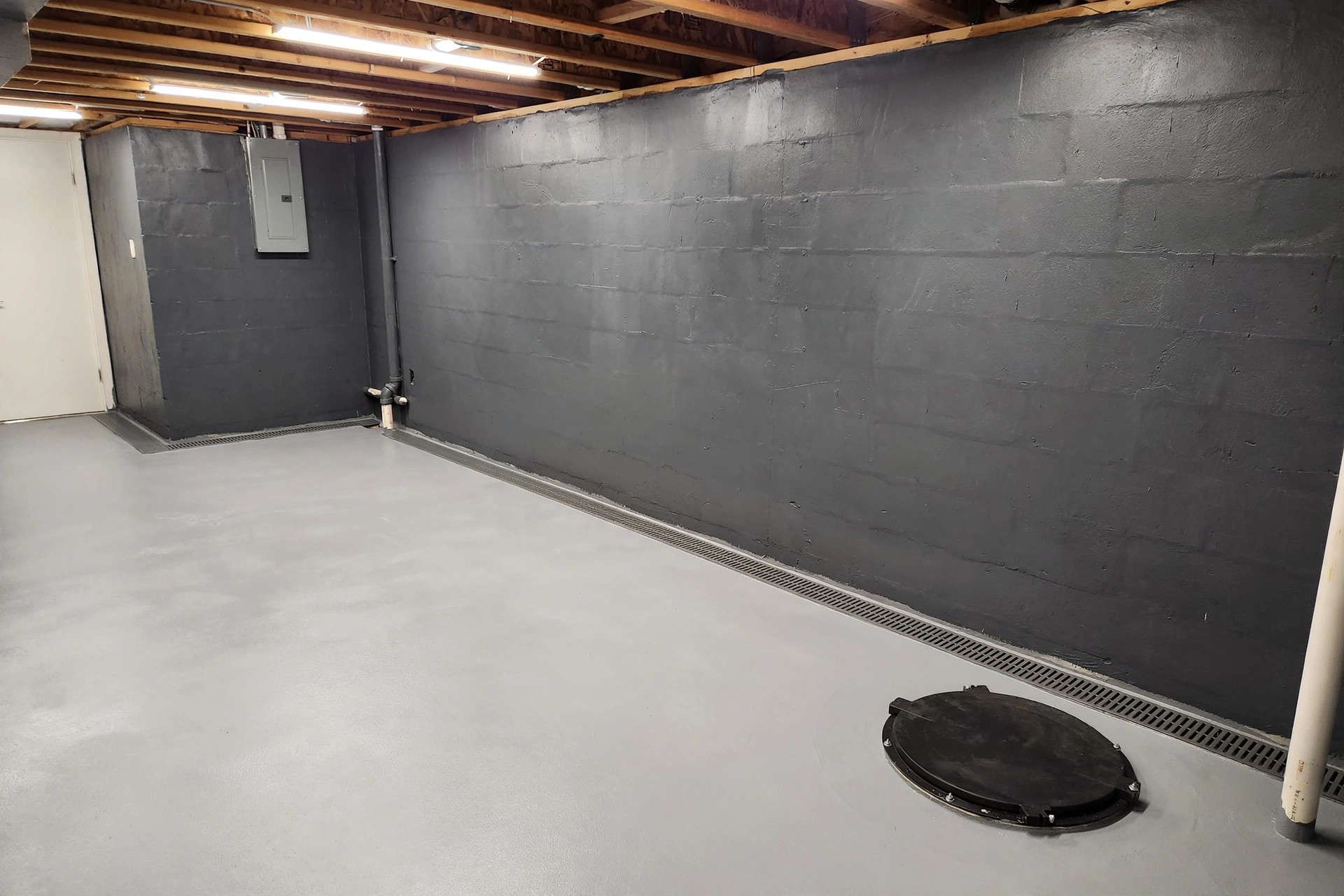
An interior system catches water after it enters the walls or floor. Workers break out a narrow strip of concrete along the edge of the floor. They lay a perforated pipe in a bed of gravel. The pipe carries water to a sump pit. A sump pump then lifts the water out of the house through a discharge line.
This is the most common method in finished homes. It does not require digging up the yard. It works well because water is caught at the lowest point, right where it wants to collect. A battery backup pump is a smart addition. Power often fails during the same storms that bring heavy rain. Without backup power, the sump pit can overflow in a single night.
Related repairs often go hand in hand. If you see cracks in the walls, read our guide on foundation crack repair cost guide usa before you plan the job.
Exterior Waterproofing
Exterior waterproofing stops water before it touches the foundation. Workers dig the soil away from the outside walls, down to the footing. They clean the wall, fill cracks, and apply a waterproof membrane or coating. They often add a drainage board and a footing drain made of pipe and gravel. Then they backfill the soil.
This method is the most thorough. It is also the most disruptive and the most costly. Digging machines tear up lawns, walkways, and decks. It is often done during new construction or when the yard is being redone anyway. For many older homes, interior systems give better value.
Wall Sealants and Coatings
Special paints and cement-based coatings can seal damp walls. They work best on walls that are only slightly damp and have no structural cracks. A contractor may use these coatings as part of a larger job, for example to finish walls after an interior drain is installed.
Coatings are not a fix for flowing water. If water is running down the wall, a coat of paint will not stop it. Any contractor who offers only paint for a flooding basement is not offering premium work.
Grading and Gutter Work
Water problems often start at the roof. When gutters are clogged or downspouts dump water next to the house, the soil near the foundation gets soaked. A premium service looks at the whole picture. Re-grading the soil so it slopes away from the house can make a big difference. So can longer downspout extensions. For more on keeping water away from the roofline, see our article on top rated gutter installation services reviews. Exterior trim and roof edges matter too, which is why some homeowners also review weather resistant soffit and fascia repair for homeowners.
How to Choose the Right Contractor
Choosing a contractor is the most important step. Here is a simple process that works.
Get three written bids. Do not settle for the first quote. Three bids let you compare price, method, and warranty side by side.
Ask for the inspection report. A good contractor puts the findings in writing. The report should list each crack, each damp spot, and the suggested fix.
Check references. Ask for the names of three past customers. Call them. Ask if the basement has stayed dry and if the crew was tidy.
Read the warranty. Look for the length of coverage, what it covers, and whether it transfers to a new owner. Watch for fine print that voids the warranty if the sump pump is not serviced.
Avoid pressure tactics. If a salesman says the price is only good today, walk away. A reputable company gives you time to think.
Verify the business. Look up the company with the state licensing board and the Better Business Bureau. A long record with few complaints is a good sign.
Many homeowners start their research on large home improvement retailers and trusted advice sites. Guides at The Home Depot and Lowe’s explain common drainage products. Step-by-step repair articles at Family Handyman show what good work looks like.
Cost and Price
Costs vary by region, basement size, and method. The numbers below are broad ranges for American homes.
An interior drainage system with a sump pump often runs from three thousand to eight thousand dollars for a typical basement. Larger basements and high-end pumps push the price higher.
Exterior waterproofing is much more costly. Full excavation and membrane work can run from ten thousand to thirty thousand dollars or more. Access problems, such as a deck or driveway in the way, raise the cost.
Wall sealant jobs are the cheapest, often a few hundred to a couple thousand dollars. But remember that coatings alone do not fix active leaks.
A sump pump with battery backup adds several hundred to over a thousand dollars. It is money well spent. A flooded basement can cost tens of thousands in cleanup and lost belongings.
Always get the price in writing with each task listed. A bid that says only “waterproof basement, five thousand dollars” tells you nothing. A good bid lists labor, materials, the pump model, and the warranty terms.
Care and Upkeep After the Job
A waterproofing system needs some care to keep working for decades.
Test the sump pump twice a year. Pour a bucket of water into the pit. The pump should start and drain the pit quickly. Replace the pump every seven to ten years, or sooner if it sounds rough.
Check the battery backup. Test it once a year. Replace the battery as the maker directs, often every three to five years.
Keep gutters clean. Clogged gutters send water straight to the foundation. Clean them each spring and fall.
Walk the basement after heavy rain. Look at the walls and the floor joint. Catching a small problem early keeps it small.
Keep the discharge line clear. The pipe that carries water away from the house should not freeze or clog. In cold regions, use a freeze-resistant discharge fitting.
Home care resources such as This Old House and Bob Vila publish seasonal checklists that help owners stay on schedule.
Safety
Waterproofing work has real safety risks. Workers break concrete, which makes dust. Good contractors use dust control and wear respirators. Basements can also hold radon gas. A radon test before and after the job is wise. If radon levels are high, a mitigation system should be part of the plan.
Electrical safety matters too. Sump pumps run on house current near water. The pump should plug into a grounded outlet with a ground fault interrupter. Never stand in water while handling electrical gear.
Mold is another hazard. If the basement has heavy mold growth, the crew should set up containment and wear protective gear. Homeowners should stay out of the work area during heavy mold removal. General safety and building guidance is available from The Spruce.
Frequently Asked Questions
How long does a basement waterproofing job take? An interior drainage system usually takes two to four days in a typical home. Exterior excavation work takes one to three weeks, depending on the size of the house and the weather.
Will waterproofing raise my home value? A dry, usable basement adds value. Buyers pay more for homes with documented waterproofing systems and transferable warranties. Appraisers also view a dry basement as a plus.
Can I waterproof my basement myself? Small jobs, such as painting a slightly damp wall with a sealing product, are fair do-it-yourself projects. Full drainage systems are not. They require breaking concrete, setting pipe to the right slope, and wiring a pump. Mistakes can make flooding worse.
How long does the system last? A well-built interior drainage system can last thirty years or more. Sump pumps wear out sooner and need replacement. Exterior membranes can last decades if the backfill is done right.
Does homeowners insurance cover water damage? Most standard policies do not cover water that seeps up through the foundation. Some policies offer a rider for sump pump failure. Read your policy and talk to your agent before a flood happens.
What is the best season for the work? Late spring through early fall is best in most regions. The ground is easier to dig, and rain is less likely to delay exterior work. Interior systems can be installed any time of year.
A Short Final Word
A wet basement will not fix itself. Water damage grows worse and more costly with each season. Premium basement waterproofing services for homeowners offer a lasting fix: a full inspection, proven methods, quality materials, and a warranty in writing. Take time to get three bids, check references, and read the fine print. The money you spend today protects the structure, the air, and the value of your home for years to come. If you are also updating the outside of the house, building material makers such as James Hardie and CertainTeed offer guides on exterior products that stand up to wet weather.
References
Bob Vila. (n.d.). Home improvement advice. https://www.bobvila.com CertainTeed. (n.d.). Building materials and exterior products. https://www.certainteed.com Family Handyman. (n.d.). DIY home repair and maintenance. https://www.familyhandyman.com James Hardie. (n.d.). Fiber cement siding and exterior products. https://www.jameshardie.com Lowe’s. (n.d.). Home improvement products. https://www.lowes.com The Home Depot. (n.d.). Home improvement products. https://www.homedepot.com The Spruce. (n.d.). Home and garden advice. https://www.thespruce.com This Old House. (n.d.). Home renovation guidance. https://www.thisoldhouse.com
Was this guide helpful?

About Sarah Mitchell
The My Garden US editorial team writes practical, in-depth home and garden guides for American homeowners — tested advice, no fluff.
You May Also Like

Top Rated Cedar Shake Siding for Southern States
February 5, 2026 0 views
Brick Veneer Siding Reviews and Buying Guide
February 1, 2026 0 views
Affordable Pressure Treated Lumber Decking Buying Guide
May 30, 2026 0 views