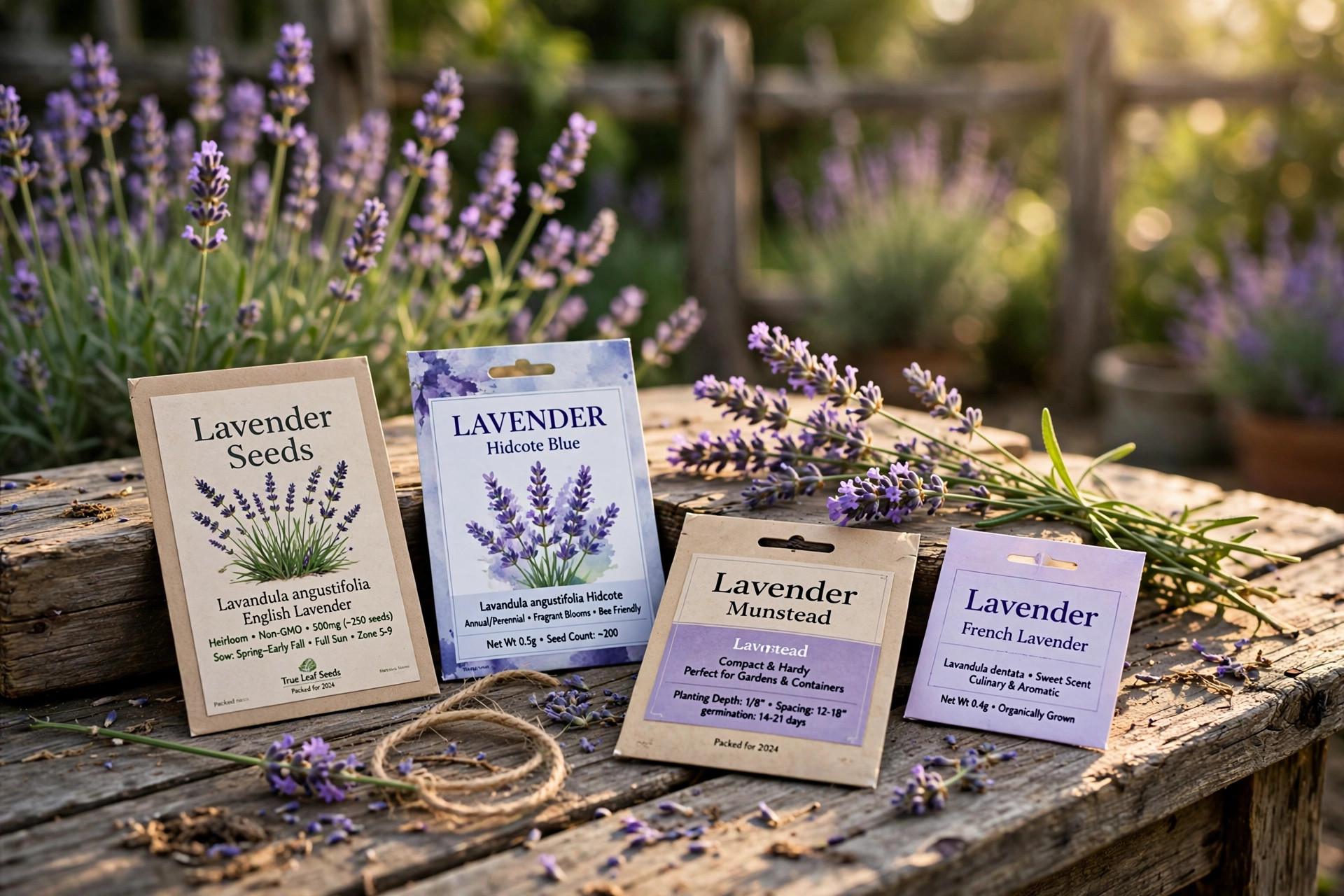

Many home gardeners dream of a row of fragrant lavender along a walkway. Buying started plants is the easy path, but it is also the costly one. A packet of seeds can fill a whole bed for a few dollars. This lavender seed packets reviews buying guide USA edition walks through what reviewers say about the packets sold in American stores and seed catalogs. It covers what to look for on the packet, which types grow best from seed, how much to pay, and how to get the seeds to sprout. The goal is simple. Spend less. Grow more. End up with healthy lavender plants that carry scent through the summer.
Why This Guide Matters
Lavender has a hard name in the seed trade. Many beginners buy a packet, sow it, and see nothing come up. They blame the seeds. In truth, lavender seed is slow and picky. It needs light, patience, and the right start. Reviews of lavender seed packets show a clear pattern. Gardeners who read the packet and follow the steps report good germination. Those who treat lavender like tomatoes report failure. A good buying guide saves both money and heartbreak. It helps a gardener pick fresh seed, the right variety, and a seller with a fair germination record.
Lavender seed also keeps well when stored right. A packet bought this year can still work two or three years later if kept cool and dry. That makes seed buying smart for gardeners who plan ahead. One strong packet can supply plants for several seasons.
What to Look for on the Packet: Lavender Seed Packets Reviews Buying Guide Usa
The packet tells most of the story. Read it before you buy.
Pack date or test date. Fresh seed matters more than brand names. Look for a “packed for” year or a germination test date. Seed from the current season gives the best stand. Reviewers note that packets older than two years lose much of their vigor.
Seed count. Lavender packets vary widely. Some hold 25 seeds. Some hold 100 or more. Because germination is often 60 to 70 percent, a low-count packet leaves little room for error. A packet with at least 50 seeds gives a safer start for a new grower.
Variety name. The packet should name the variety, not just say “lavender.” True lavender, known as Lavandula angustifolia, is the best choice for fragrance and winter hardiness in much of the country. English varieties such as ‘Munstead’ and ‘Hidcote’ grow well from seed. Spanish lavender and French types are less hardy and slower from seed in cold zones.
Germination notes. Good packets print clear sowing steps. Look for depth, temperature, and days to sprout. Lavender needs light to germinate, so seeds are sown on the soil surface or pressed in lightly. Daytime soil near 65 to 70 degrees Fahrenheit helps. Sprouting can take 14 to 28 days. Packets that hide these facts tend to earn poor reviews.
Origin and lot number. A lot number shows the seed was tracked and tested. This is a small sign of a careful seller.
Types of Lavender Seed Packets You Can Buy
American gardeners meet four main kinds of packets.
English lavender packets. These hold Lavandula angustifolia types such as ‘Munstead’, ‘Hidcote’, and ‘Vera’. They are the classic fragrant lavenders. Reviewers rate them the most reliable from seed. They take about two years to bloom fully, but the plants live long and smell strong.
French lavender packets. French types bloom earlier and flower longer, but they are tender. In warm southern states they grow well. In the north they often die over winter. Buy these only if your winters are mild.
Spanish lavender packets. Spanish types carry the odd “rabbit ear” flower heads. They like heat and are even less hardy than French types. From seed they are slow. They suit growers in zones 7 and warmer.
Mixed or generic packets. Some packets say only “lavender seeds” with no variety name. Reviews of these packets are mixed at best. The seeds may be a mix of types, and germination is often poor. A named variety is always the safer buy.
When buying organic herb seeds, note that organic lavender seed exists but is less common. Certified organic packets cost more. For most home growers, untreated conventional seed from a known grower works just as well.
How to Choose a Seller
Reviews point to a few trusted patterns.
Seed houses with test data. Large seed companies test each lot and print results. Their packets cost a little more, but germination rates are steady. Gardeners at burpee.com and similar houses often mention clear instructions and fresh lots.
Garden centers. Store racks are fine if the seed turns over fast. Check the pack date. Seed that sat in a hot store all summer may be weak. Reviewers suggest buying early in the season, when stock is fresh.
Online sellers. Small online sellers can be good or bad. Read recent reviews of the seller, not just the product. Look for notes about germination and freshness. Be wary of sellers with no contact address or no test date on the packet.
Bulk seed dealers. For big plantings, bulk seed saves money. Bulk lots from a known seed house are usually tested and labeled. Avoid bulk seed sold loose with no label at all.
Cost and Price
Lavender seed packets are among the cheaper ways to start plants. A single packet in American stores usually runs from two to six dollars. Online prices are much the same. Premium or organic packets can reach eight to ten dollars.
Price is not the main cost. Time is. Lavender takes three to four months to reach a size fit for the garden, and a full year to form a strong plant. Many gardeners start seed indoors in late winter. A heat mat and a simple light can raise success rates, though they add cost.
Compare seed with started plants. A single gallon lavender plant can cost twelve to eighteen dollars. A packet with 75 seeds can produce a dozen good plants for five dollars. Even with a 60 percent germination rate, seed wins on price by a wide margin. For a full border, the savings are large.
Buying wildflower seed mixes shows the same math. Seed is cheap. Started plants are dear. The trade is patience for money.
How to Start Lavender Seed
Follow these steps for the best chance of success.
1. Cold treatment. Lavender seed often needs a chill to wake up. Place the seed in a damp paper towel in a bag in the fridge for three to four weeks. This step, called stratification, lifts germination rates in many varieties.
2. Start indoors. Use a fine seed-starting mix in a tray. Many growers use seed starting trays with a clear dome to hold moisture. Sow the seed on the surface. Press it gently into the mix. Do not cover it deeply. Lavender needs light to sprout.
3. Give warmth and light. Keep the tray near 65 to 70 degrees Fahrenheit in the day. Place it under a shop light or near a bright window. Keep the mix damp but not soaked. A mister works well.
4. Wait. Sprouts may appear in two weeks. Some take a month. Do not give up early. Thin to one plant per cell once seedlings have two sets of true leaves.
5. Harden off. Before moving plants outside, give them a week of short outdoor visits. Start with shade and calm air. Add sun and wind a little each day. Plant out after the last frost, in a spot with full sun and sharp drainage.
6. Do not overwater. Lavender hates wet feet. Water deeply but rarely. In clay soil, plant on a small mound or in a raised bed with added grit.
Guidance from gardeningknowhow.com and gurneys.com both stress the same two points. Give the seed light. Keep the soil lean and well drained.
Care and Upkeep
Lavender asks little once it is set. Full sun is the first need. Six hours of direct sun is the floor. Eight or more is better. Poor soil suits it. Rich soil grows leafy, weak plants with little scent. Do not feed heavily. A light yearly mulch of gravel or coarse sand keeps crowns dry.
Prune after bloom. Cut back flower stems but do not cut into old wood. Lavender rarely regrows from bare stems. In the second year, shape the plant into a soft mound. Good air flow cuts disease. Space plants 18 to 24 inches apart in most soils.
In cold zones, winter care matters. Snow is a friend. It insulates. Bare, wet cold is the enemy. A windbreak of burlap helps in exposed sites. Many growers in zones 5 and 6 report that ‘Munstead’ and ‘Hidcote’ live through winters when planted in sharp, dry soil.
Safety
Lavender is generally safe in the garden. The leaves and flowers are used in teas, baking, and sachets. Eat only flowers and leaves, never roots or stems, and use only plants grown without pesticides.
Skin contact can bother a few people. Wear gloves if you have sensitive skin. Keep essential oil products away from small children and pets. Plain garden lavender is fine, but concentrated oils are strong.
Store seed packets out of the reach of children. The seed is not food. Wash hands after handling treated seed, though most home garden packets are untreated.
Frequently Asked Questions
How long does lavender seed take to germinate? Most packets promise 14 to 28 days. Some seeds sprout in 10 days. Some take a full month. Cool soil slows things down. Steady warmth near 68 degrees Fahrenheit speeds them up.
Which lavender variety is easiest to grow from seed? ‘Munstead’ wins most reviewer polls. It is an English lavender with good cold hardiness and steady germination. ‘Hidcote’ is a close second. Both give fragrant plants that live many years.
Can I sow lavender seed straight outdoors? You can, but results are mixed. Outdoor sowing works best in mild climates after the last frost. In most of the country, indoor starts give far better stands. Direct sowing needs warm soil, light cover, and steady moisture for a month.
How many seeds should I sow for a dozen plants? Sow 25 to 30 seeds for a dozen good plants. With a 60 to 70 percent germination rate and normal losses, this gives room for weak seedlings. A 75-seed packet is plenty for a small border.
Does lavender seed need cold treatment? Many English types sprout without it, but a chill helps. Three to four weeks in the fridge in a damp towel can lift germination. Reviewers who skip the chill often report slower, patchier sprouting.
Where can I buy fresh lavender seed packets in the USA? Seed racks in garden centers carry them in spring. Online seed houses list them year round. Information from thespruce.com and nifa.usda.gov can help you match varieties to your growing zone before you order.
A Short Final Word
Lavender from seed is a slow joy. The packet costs little. The wait teaches patience. The reward is a border of silver-green plants that hum with bees and carry scent on warm evenings. Read the packet. Buy fresh seed of a named English variety. Give the seed light, warmth, and time. In two years, the plants will pay you back many times over. This lavender seed packets reviews buying guide USA edition hopes to set you on that path with a clear eye and a full tray of seedlings.
Related guides on this site include heirloom vegetable seeds buying guide usa, organic herb seeds buying guide usa, and wildflower seed mixes buying guide usa.
References
Burpee. (n.d.). Seeds, plants, and gardening supplies. https://www.burpee.com Gardening Know How. (n.d.). Gardening guides and plant care. https://www.gardeningknowhow.com Gurney’s Seed & Nursery Co. (n.d.). Seeds, plants, and garden supplies. https://www.gurneys.com Monrovia. (n.d.). Plants for home gardens. https://www.monrovia.com National Institute of Food and Agriculture. (n.d.). Agricultural research and extension. https://www.nifa.usda.gov Park Seed. (n.d.). Seeds, plants, and gardening supplies. https://www.parkseed.com Proven Winners. (n.d.). Plants and gardening inspiration. https://www.provenwinners.com The Old Farmer’s Almanac. (n.d.). Gardening calendars and advice. https://www.almanac.com The Spruce. (n.d.). Home and garden advice. https://www.thespruce.com
Was this guide helpful?

About Michael Thompson
The My Garden US editorial team writes practical, in-depth home and garden guides for American homeowners — tested advice, no fluff.
You May Also Like
Morning Glory Seeds USA Online Deals: A Plain Guide to Buying Fresh Seed and Growing Bright Blooms
February 5, 2026 0 views
Garlic Bulbs Planting Deals Near Me: How to Find Seed Garlic at a Good Price
April 22, 2026 0 views
Fiddle Leaf Figs Where to Buy USA: A Full Guide for Home Gardeners
January 15, 2026 0 views