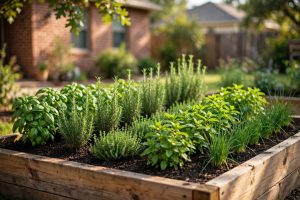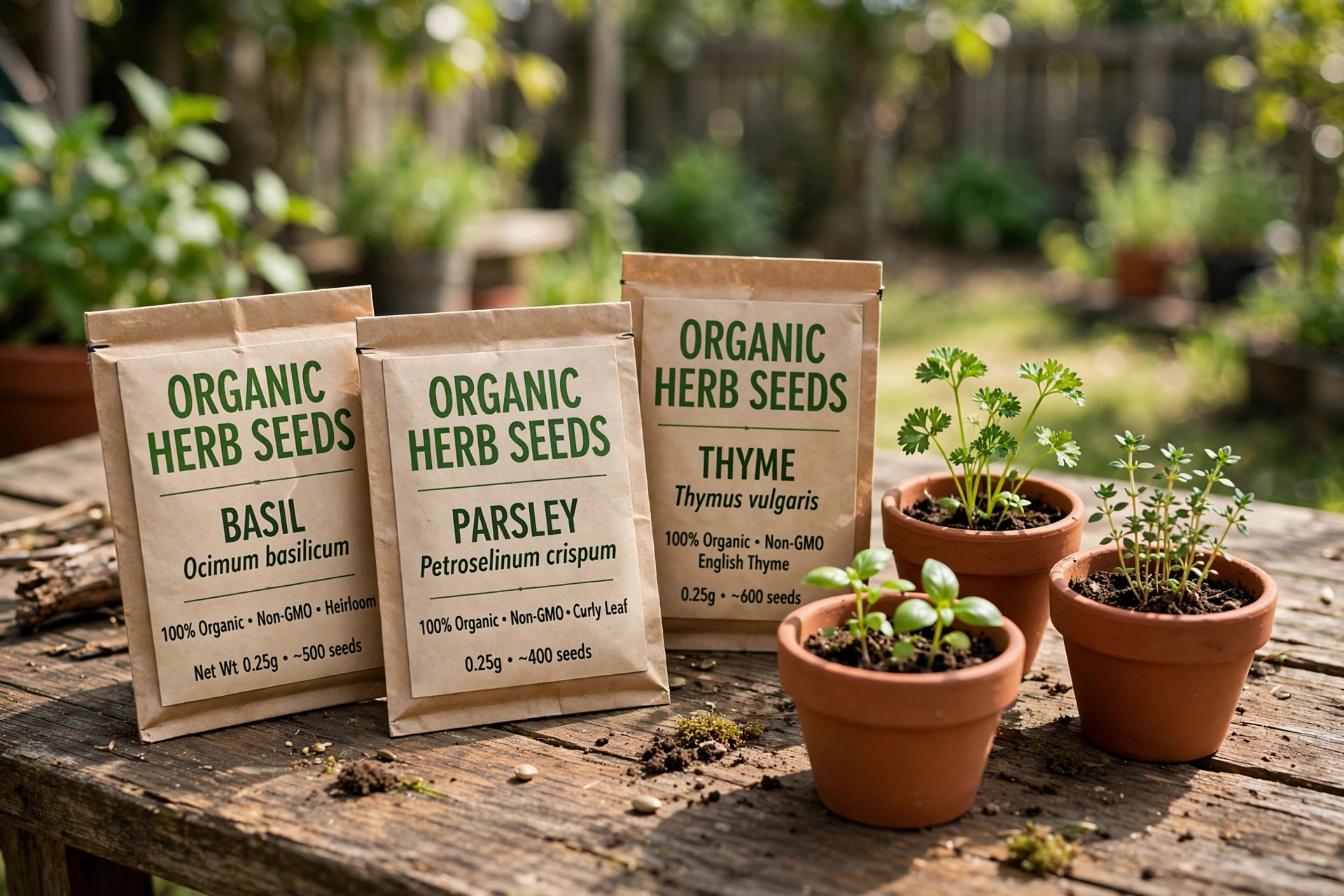

Growing your own herbs from seed is one of the simplest and most rewarding projects in home gardening. This organic herb seeds buying guide usa walks you through every step of choosing the right packets, from understanding the word “organic” on a seed label to picking varieties that will thrive in your own yard or on your own windowsill. Fresh herbs cost several dollars for a small bunch at the store. A single packet of seeds, bought wisely, can supply your kitchen for a whole season or longer.
The market for organic herb seeds has grown steadily across the United States. Garden centers, farm supply stores, and mail-order catalogs all carry wide lines of certified organic options. With so many choices, a careful buyer needs a clear plan. The sections below give you that plan. You will learn what the label really means, what to check before you pay, which seed types suit beginners, how much to spend, and how to care for the young plants once they sprout.
Why Buying Organic Herb Seeds Matters
Health and Purity of the Plants
Organic seed is produced without synthetic pesticides and without chemical fertilizers. The parent plants grow in soil that meets strict organic standards. This matters because herbs are usually eaten fresh and uncooked. Leaves that land directly on your plate should carry as little residue as possible. When you buy certified organic seed from a trusted seed house, you start with a clean foundation.
Environmental Benefits
Organic seed production protects the land where the seed is grown. Farmers use crop rotation, compost, and natural pest control instead of harsh chemicals. This keeps the soil alive and protects the water that flows through it. The National Institute of Food and Agriculture supports research into such methods, and the results show that organic practices can sustain healthy yields over many seasons. By choosing organic herb seeds, you support farms that treat the land with care.
Stronger, More Reliable Plants
Many gardeners report that organic seed produces sturdy seedlings. The reason is simple. Organic parent plants must survive in real field conditions without chemical help. Their seed often carries good vigor. Vigorous seed gives you quick germination and healthy young plants. Practical gardening guides note that strong starts are the single best defense against early-season disease.
Alignment With Organic Gardening Goals
If you plan to run an organic garden, certified organic seed closes the circle. Your soil, your plants, and your seed all meet the same standard. This is especially important for gardeners who sell at farmers markets or who hope to earn organic certification for their own plots. Starting with non-organic seed can complicate that path later.
What to Look for on the Seed Packet: Organic Herb Seeds Buying Guide Usa
The Certified Organic Seal
Look for the USDA organic seal or the words “certified organic” printed on the packet. True certification means an independent agency checked the seed farm. A packet that merely says “natural” or “untreated” is not the same thing. These words are not regulated in the same way. When in doubt, check the seed company’s catalog for a clear organic line.
The Packing Date and Seed Age
Seed does not stay fresh forever. Most herb seed keeps well for one to three years, but older seed germinates more slowly. Good packets print the year the seed was packed for sale. Buy this year’s stock when you can. A packet packed two years ago may still work, but you may need to sow extra seed to make up for weaker germination.
Germination Rate
Reputable companies print a germination rate on the packet or list it in their catalog. This number tells you what share of the seed is expected to sprout under test conditions. A rate of 80 percent or higher is a good sign for most herbs. Rates below 70 percent suggest tired or poorly stored seed. Seasoned seed houses test their lots regularly and print honest numbers.
Seed Count or Weight
Packets vary widely. One packet of basil may hold 200 seeds. Another may hold 50. Check the count so you can compare prices fairly. A packet that looks cheap may simply hold very little seed. The count is usually printed in small type near the bottom of the packet.
Variety Name and Growing Notes
Herb varieties differ in flavor, size, and cold tolerance. A packet should name the exact variety, not just “basil” or “thyme.” It should also give basic growing notes: days to germination, light needs, and mature height. These notes help you match the variety to your space. If the packet gives no guidance, the company may not take its herb line seriously.
Untreated Seed
Organic seed is by definition untreated with synthetic coatings. Some conventional seed is coated with fungicide, often dyed pink or blue. Coated seed is not allowed in organic gardens. The packet should state that the seed is untreated. This is a small check, but it matters for purity.
Types of Organic Herb Seeds to Consider
Culinary Favorites
Most beginners start with the kitchen classics. Basil, parsley, cilantro, dill, and chives are easy to grow and quick to use. Basil gives big harvests in warm weather. Parsley is slower to sprout but very cold hardy. Cilantro prefers cool spring days and bolts in heat. Plant what you actually cook with. A garden planning calendar can help you time your sowing for your zone.
Medicinal and Tea Herbs
Chamomile, lemon balm, peppermint, and echinacea grow well from organic seed. These herbs suit gardeners who enjoy herbal teas or home remedies. Mint spreads fast, so many growers keep it in pots. Chamomile is a gentle annual that self-sows if you let a few flowers go to seed. Browse a wide herb seed selection to see which medicinal types suit your climate.
Perennial Herbs
Thyme, oregano, sage, and rosemary come back year after year in most of the country. They cost more per packet than annuals, but one planting can last for years. Perennial seed often germinates slowly and needs patience. Thyme seed, for example, can take three weeks to appear. Sow it early and keep the soil lightly moist.
Heirloom and Open-Pollinated Varieties
Heirloom varieties are old lines passed down for generations. Open-pollinated seed breeds true, which means you can save seed from your own plants and grow the same herb next year. Many organic gardeners prefer these types. They connect you to a long tradition of seed saving. Herb growing guides often list which varieties save seed most reliably.
Microgreen and Sprouting Seed
Some herb seed is sold for sprouting or for growing microgreens indoors. This seed is tested for food safety and for clean germination in water or on damp mats. Do not confuse regular garden seed with sprouting seed. Only seed labeled for sprouting should be eaten as sprouts. Garden seed may carry treatments or field soil that make it unsafe to eat raw.
If you are new to seed catalogs, you may also enjoy reading about wildflower seed mixes buying guide usa for pollinator beds, or the sunflower seed packs for sale usa if you want tall summer color next to your herbs.
Cost and Price: What to Expect
Typical Packet Prices
Organic herb seed packets in the United States usually cost between two and five dollars. Common herbs like basil and parsley sit at the low end. Rarer varieties, such as lemon basil or Greek oregano, cost more. Prices above six dollars a packet are high unless the packet holds a large count or a rare variety.
Bulk Seed for Larger Gardens
If you plant a big herb bed or supply a community garden, bulk seed saves money. A quarter ounce of basil seed can plant a long row. Bulk bags cost more up front but far less per seed. Check the plant collections from a major nursery for bulk options, and compare the per-seed cost with small packets before you decide.
Cost Per Plant
Do the simple math. A three-dollar packet with 200 seeds can, with good care, give you dozens of plants. Each plant might cost you less than ten cents. Compare that with four-dollar nursery transplants. Seed wins on price almost every time. The trade-off is time and patience.
Shipping and Catalog Minimums
Mail-order seed companies often add shipping charges. Some waive shipping above a set order size. Plan one order per season and buy all your seed at once. This saves money and reduces packaging waste. Many proven garden plant lines are sold through retailers, so you can also check local stores and skip shipping entirely.
When a Higher Price Is Worth It
Pay more when the seed is certified organic, freshly packed, and clearly tested. Pay more for named heirloom varieties that you cannot find elsewhere. Do not pay more for fancy packaging alone. A plain paper packet from a respected company often holds better seed than a glossy packet from an unknown brand.
Starting and Caring for Your Herb Seedlings
Soil and Containers
Use a fine, clean seed-starting mix. Garden soil is too heavy for small seed and may carry disease. Fill small pots or cell trays with the mix and water it before you sow. A light, even moisture level helps tiny herb seed make good contact with the soil.
Light and Warmth
Most herb seed needs warmth to germinate. A soil temperature of 65 to 75 degrees works for basil, parsley, and dill. A simple heat mat under the tray speeds things along. Once seedlings appear, give them strong light. A sunny south window works, but a basic shop light hung a few inches above the plants gives more even growth.
Watering Young Plants
Water gently. A fine mist or bottom watering keeps small seedlings from washing away. Let the top of the mix dry slightly between waterings. Constantly wet soil invites damping-off, a fungal problem that kills seedlings at the soil line. Good air flow around the trays also helps.
Thinning and Transplanting
Sow a few extra seeds and thin to the strongest seedlings. Crowded plants grow weak and leggy. When seedlings have two or three sets of true leaves, move them to larger pots or to the garden. Harden them off first by setting them outside for a few hours a day over a week. Tender basil, in particular, hates cold nights.
Feeding and Ongoing Care
Herbs need only light feeding. A weak liquid organic fertilizer every two or three weeks is enough. Too much nitrogen makes soft, weak growth with less flavor. Pinch basil and mint often to keep them bushy. Let perennials like thyme and oregano establish for a full season before you harvest heavily.
Gardeners who like container growing may also want the succulent variety packs buying guide usa for easy indoor plant projects between herb sowings.
Safety Notes for Herb Growers
Read the Whole Label
Some seed packets include warnings about seed treatments, even on organic lines that share packing equipment. Read the full label. If a packet mentions any chemical treatment, do not use that seed in an organic garden.
Keep Seed Away From Children and Pets
Seed packets are small and easy to swallow. Store them on a high shelf. A few herb seeds, such as those of foxglove or castor bean, are truly poisonous, so know what you are planting. Keep a simple list of the varieties you sow each season.
Wash Harvested Herbs
Even in an organic garden, dust and soil splash onto leaves. Rinse herbs under clean water before you eat them. This simple habit removes soil and any visiting insects.
Allergies and Sensitivities
Some people react to certain herbs. Chamomile belongs to the ragweed family and can trouble people with ragweed allergies. Handle new herbs in small amounts first. When in doubt, ask a health professional before using medicinal herbs.
Frequently Asked Questions
How long does organic herb seed stay good?
Most herb seed stays usable for one to three years if kept cool and dry. Basil and parsley often last two years. Chives and onions lose vigor faster. Store packets in a sealed jar in the refrigerator for the longest life. Always check the packing date before you buy.
Can I plant organic herb seed directly in the garden?
Yes, for many herbs. Dill, cilantro, and chamomile do well sown straight into prepared soil after the last frost. Basil and slow herbs like parsley do better started indoors, where you control warmth and moisture. Read the packet notes and match the method to the herb.
Is organic seed really better than regular seed?
For organic gardening, yes, it is the right choice. Certified organic seed is grown to strict standards and is free of synthetic treatments. Regular seed can still grow fine herbs, but it does not meet organic rules. If your goal is a fully organic garden, start with organic seed.
How many seeds should I sow per pot?
Sow two or three seeds per small pot, then keep the strongest seedling. For very fine seed like thyme, sprinkle a light pinch over the surface and thin later. Sowing extra seed is cheap insurance against poor germination.
Where is the best place to buy organic herb seed?
Buy from established seed companies with clear organic lines and printed germination rates. Local garden centers let you check packing dates in person. Mail-order catalogs offer the widest variety. Whichever route you choose, look for the certified organic seal and fresh packing dates.
Can I save seed from my own herb plants?
Yes, with open-pollinated and heirloom varieties. Let a few plants flower and set seed, then collect the dry seed heads. Store the seed in a cool, dry place. Note that hybrids will not grow true from saved seed, so check the variety type before you save.
A Final Word
Buying organic herb seeds is a small decision with a large payoff. A few dollars and a little patience give you fresh flavor all season, plants you can trust, and a garden that treats the land well. Start with herbs you love to cook with. Read the packet carefully. Sow a little extra. Before long, you will wonder why you ever paid full price for a plastic clamshell of wilted basil. Your own garden, grown from clean organic seed, is the better answer.
References
Burpee. (n.d.). Seeds, plants, and gardening supplies. https://www.burpee.com Gardening Know How. (n.d.). Gardening guides and plant care. https://www.gardeningknowhow.com Gurney’s Seed & Nursery Co. (n.d.). Seeds, plants, and garden supplies. https://www.gurneys.com Monrovia. (n.d.). Plants for home gardens. https://www.monrovia.com National Institute of Food and Agriculture. (n.d.). Agricultural research and extension. https://www.nifa.usda.gov Park Seed. (n.d.). Seeds, plants, and gardening supplies. https://www.parkseed.com Proven Winners. (n.d.). Plants and gardening inspiration. https://www.provenwinners.com The Old Farmer’s Almanac. (n.d.). Gardening calendars and advice. https://www.almanac.com The Spruce. (n.d.). Home and garden advice. https://www.thespruce.com White Flower Farm. (n.d.). Plants, bulbs, and garden supplies. https://www.whiteflowerfarm.com
Was this guide helpful?

About Michael Thompson
The My Garden US editorial team writes practical, in-depth home and garden guides for American homeowners — tested advice, no fluff.
You May Also Like
Monstera Plants Sale: American Homes Guide
June 2, 2026 0 views
Daffodil Bulb Packs Buying Guide USA: How to Choose, Buy, and Plant
September 28, 2026 0 views
Wildflower Seed Mixes for California Homes: A Simple Guide
March 13, 2026 0 views