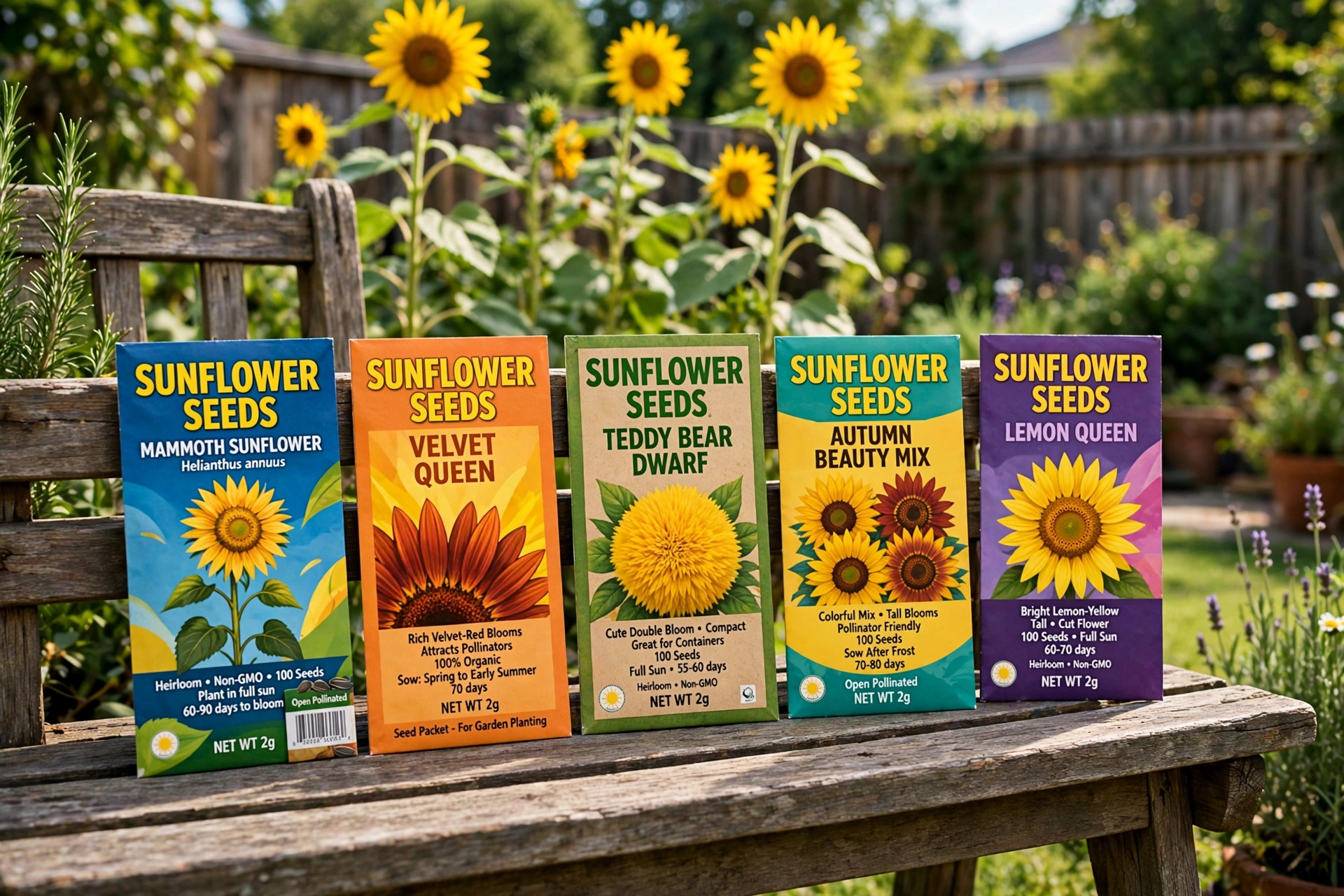
Every spring, home gardeners across the country go looking for sunflower seed packs for sale USA stores and catalogs carry. It is a simple purchase. Yet the shelf holds more choices than many buyers expect. Packets range from a few cents of plain oilseed to named hybrid types that promise larger heads and sturdier stems. This guide walks through the kinds of packs on sale, what to check before you buy, what they cost, and how to plant them for strong summer blooms. All of it is written in plain words for the new grower and the seasoned one alike.
Why Sunflower Seed Packs Matter
A seed pack is a small promise. Inside sits the genetic code of the plant you will tend for three months. The quality of that pack sets the ceiling for your garden. Fresh seed from a tested lot gives high germination. Old or poorly stored seed gives patchy rows and weak stems. Because sunflower seed packs for sale USA wide come from many suppliers, the quality range is wide. A careful buyer learns to read the packet. That habit costs nothing and saves a season of work.
Sunflowers fit nearly every garden plan. They grow fast. They feed bees and birds. Tall types shade a porch by August. Short types fill pots on a deck. Cut types stock the kitchen table. Few flowers give so much for so little money. The right pack matches the right plant to the right place. That is the whole secret.
How to Choose Sunflower Seed Packs: Sunflower Seed Packs for Sale Usa
Read the Packet Back
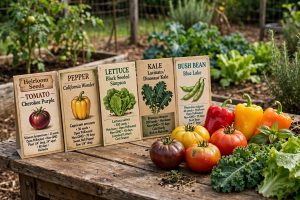
The back of a good packet tells you a great deal. It lists the type name. It lists days to bloom. It lists mature height. It lists seed count or weight. It lists the lot number and the test date. Seed packed for the current year or the past year is best. Germination rates are often printed as a percent. Anything above 85 percent is strong for sunflowers. If the packet says nothing about a test date, treat it as a risk. Reliable seed companies such as Burpee and Park Seed print this data on every pack they sell.
Match Height to the Spot
Sunflowers range from eighteen inches to fourteen feet. A packet marked “dwarf” or “patio” grows to about two feet and suits pots. A packet marked “giant” needs full ground and room to spread. Measure your space first. Then buy the pack that fits it. Nothing is sadder than a twelve-foot plant in a two-foot pot.
Decide the Bloom Purpose
Ask what you want from the flower. Big heads for seed harvest need large-seeded types such as Russian Mammoth. Bright single stems for cutting need pollen-free hybrids that do not shed on the table. Branching types give many small blooms over a long season and suit the mixed border. The packet front usually shows the use. Catalogs from Gurney’s and White Flower Farm group their packs by garden use, which helps the choice.
Check the Seed Count
A packet may hold 25 seeds or 200 seeds. The price per seed matters more than the price per pack. For a long row of cut flowers, a packet with 100 or more seeds is good value. For a single pot, a small pack of 20 seeds is enough. Count before you compare prices.
Types of Sunflower Seed Packs for Sale
Standard Garden Types
The classic garden sunflower grows six to eight feet with a big golden head. Types like Mammoth Russian and Sunrich are the workhorses. Packs of these are the cheapest and most common. They germinate fast and tolerate poor soil. For a first garden, start here.
Dwarf and Patio Types
Types like Teddy Bear and Sundance Kid stay under three feet. Their packs are sold for containers and front borders. They bloom a week or two earlier than tall types. They need full sun just the same. A six-inch pot will grow a dwarf sunflower, but a ten-inch pot grows a better one.
Cut-Flower Hybrids
These are bred for the vase. They are pollen-free, so they do not drop yellow dust. They carry one strong stem per plant. Their packs cost more per seed because breeding costs more. If you want clean bouquets, they are worth the price. Trial reports from university programs, such as those at the National Institute of Food and Agriculture, often note which new hybrids perform best in field trials.
Branching and Multi-Head Types
Branching types grow many stems from one seed. They bloom for six weeks or more. They are the best choice for a wild look and for constant bee traffic. A single pack of 50 seeds can fill a long border. Proven Winners and Monrovia list such types in their annual color programs for gardeners who want long color.
Seed-Harvest Types
If you want to eat the seeds, buy packs marked for seed harvest. Oilseed types give small seeds for birds. Confection types give large striped seeds for eating. Mammoth types give the largest of all. One plant can give a head with over a thousand seeds. Dry the heads, rub out the seed, and store it in jars.
Wildflower Mixes With Sunflowers
Many wildflower seed mixes sold for California homes and other regions include sunflowers in the blend. These packs suit meadows and low-care areas. They give a natural mix of heights and colors. They are not the choice for a neat row, but they are the choice for a free corner of the yard. If you like the idea of bulk planting, see our notes on dahlia bulbs in bulk and wildflower seed mixes for California homes for other large-planting options.
Cost and Price Guide
Sunflower seed packs for sale USA wide sit at the low end of seed prices. A small packet of a common type costs between one and three dollars at a garden center. A packet of a named hybrid cut type costs three to six dollars. Bulk seed sold by the ounce or pound costs less per seed and suits long rows. A quarter pound of a common type may cost eight to twelve dollars and sow a forty-foot row.
Prices rise with three things: breeding work, organic certification, and seed count guarantees. Organic packs cost a dollar or two more than standard packs of the same type. That premium pays for clean production fields. It does not change how the plant grows in your soil.
Watch the price per seed, not the price per pack. A five-dollar pack with 100 seeds beats a two-dollar pack with 15 seeds if you need many plants. For more on judging bulk plant value, our guide to buying pothos plants in bulk covers the same math for indoor plants.
Store-bought packs from last year are often marked down in spring. They are a fair buy if the test date is within two years. Seed kept cool and dry holds well. A growing calendar from the Old Farmer’s Almanac can help you time the purchase so seed goes into warm soil on schedule.
How to Plant Sunflower Seeds
Timing
Sunflowers hate cold soil. Wait until the soil is at least fifty degrees and all frost danger has passed. In the South that may be March. In the North it may be late May. Planting in warm soil gives germination in seven to ten days. Planting in cold soil invites rot.
Sowing Depth and Spacing
Sow one inch deep. Space seeds six inches apart for cut flowers, or twelve inches apart for big heads. Thin to the strongest plant per spot. Rows should be thirty inches apart for tall types. Branching types need a full two feet between plants to spread.
Soil and Sun
Sunflowers want full sun, six hours at least. They accept plain soil but reward rich soil. Work compost into the top six inches before sowing. They dislike soggy ground. A raised bed or a slope suits them. Do not plant in the low spot where water stands.
Watering
Water at sowing time. Then water when the top inch of soil dries. Once plants pass knee height, they need about an inch of water a week. Cut types grown for market need steady water for straight stems. Giant types need steady water for full heads. Mulch with straw to hold moisture.
Staking
Tall types in wind need stakes. Push a six-foot stake in at planting time, six inches from the seed. Tie the stem loosely as it grows. Dwarf types never need stakes. Cut types grown close together hold each other up with netting.
Care and Upkeep Through the Season
Sunflowers are light feeders. A single side dressing of compost in July is enough. Too much nitrogen grows tall weak stems that fall over. Watch for aphids on the bud tips. A hard spray of water knocks them off. Slugs eat young plants at night. A ring of coarse sand around each seedling slows them down.
Deadhead spent blooms on branching types to keep new buds coming. Leave the heads on seed-harvest types until the back of the head turns yellow and dry. Then cut the head with a foot of stem and hang it in a dry shed to finish. Advice on drying and storing seeds from Gardening Know How matches this old method.
Birds are the main pest at harvest. Cover ripening heads with paper bags or mesh. Netting over the whole row works for a big planting. Some gardeners plant extra rows just for the goldfinches. That is a fair trade.
Safety Notes
Sunflower seeds sold for planting are not treated with the same care as food-grade seed, but they are safe to handle with bare hands. Keep packs out of reach of small children and pets, as with all garden supplies. Do not eat planting seed that carries a fungicide coating. The packet will say if it is treated. Treated seed is often dyed pink or blue. Wash hands after sowing treated seed.
Tall sunflowers near a house should stand clear of power lines. A fourteen-foot stem in a storm can touch a line. Keep tall plantings ten feet from overhead wires. This is a small risk but a real one.
Sunflowers are not toxic to dogs, cats, or horses. The stems are rough and the heads are heavy, so keep play areas clear of falling heads in late summer. Fallen heads can trip a child. Cut spent plants at the base in autumn and compost them.
Frequently Asked Questions
How long do sunflower seed packs stay good?
Stored cool and dry, packs hold strong germination for two to three years. The printed test date tells you when the lot was last checked. After three years, sow twice as thick to make up for weaker sprouting.
Can I plant seeds from a store-bought sunflower head?
You can, but the result varies. Hybrid types do not grow true from saved seed. You may get shorter plants or odd colors. Open-pollinated types like Mammoth grow true and give fine plants. For sure results, buy a fresh pack each spring.
How many seeds are in a typical pack?
It varies by type. Common garden packs hold 50 to 100 seeds. Dwarf and hybrid packs often hold 20 to 30 seeds. Bulk packs hold far more. The count is printed on the back. Always check it before you compare prices.
Do sunflowers need full sun all day?
They need at least six hours of direct sun. More is better. In half shade they grow tall and thin and bloom late. Choose the sunniest spot you own.
When should I start seeds indoors?
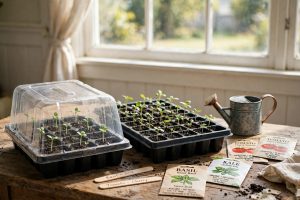
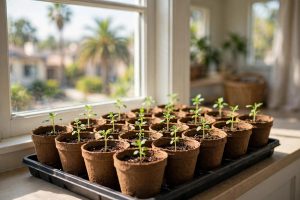
Most gardeners sow direct. If your season is short, start seeds indoors three weeks before the last frost. Use peat pots so the roots are not disturbed. Transplant on a calm evening and water well.
Are organic sunflower seed packs worth the extra cost?
They are worth it if you want certified organic production from field to packet. In your garden they grow the same as standard seed. The choice is about the farming method, not the flower.
A Short Final Word
Sunflower seed packs for sale USA wide give the home gardener a rare deal. A few dollars buy months of bloom, armloads of cut flowers, and seed for the birds. Read the packet. Match the type to the spot. Sow in warm soil. Give the plants sun and a drink when the soil dries. The flowers will do the rest. By August you will have a wall of gold that costs less than a single bouquet at the shop. That is the quiet math of the sunflower, and it has held true for a hundred years.
References
Burpee. (n.d.). Seeds, plants, and gardening supplies. https://www.burpee.com Gardening Know How. (n.d.). Gardening guides and plant care. https://www.gardeningknowhow.com Gurney’s Seed & Nursery Co. (n.d.). Seeds, plants, and garden supplies. https://www.gurneys.com Monrovia. (n.d.). Plants for home gardens. https://www.monrovia.com National Institute of Food and Agriculture. (n.d.). Agricultural research and extension. https://www.nifa.usda.gov Park Seed. (n.d.). Seeds, plants, and gardening supplies. https://www.parkseed.com Proven Winners. (n.d.). Plants and gardening inspiration. https://www.provenwinners.com The Old Farmer’s Almanac. (n.d.). Gardening calendars and advice. https://www.almanac.com The Spruce. (n.d.). Home and garden advice. https://www.thespruce.com White Flower Farm. (n.d.). Plants, bulbs, and garden supplies. https://www.whiteflowerfarm.com
Was this guide helpful?

About James Carter
The My Garden US editorial team writes practical, in-depth home and garden guides for American homeowners — tested advice, no fluff.