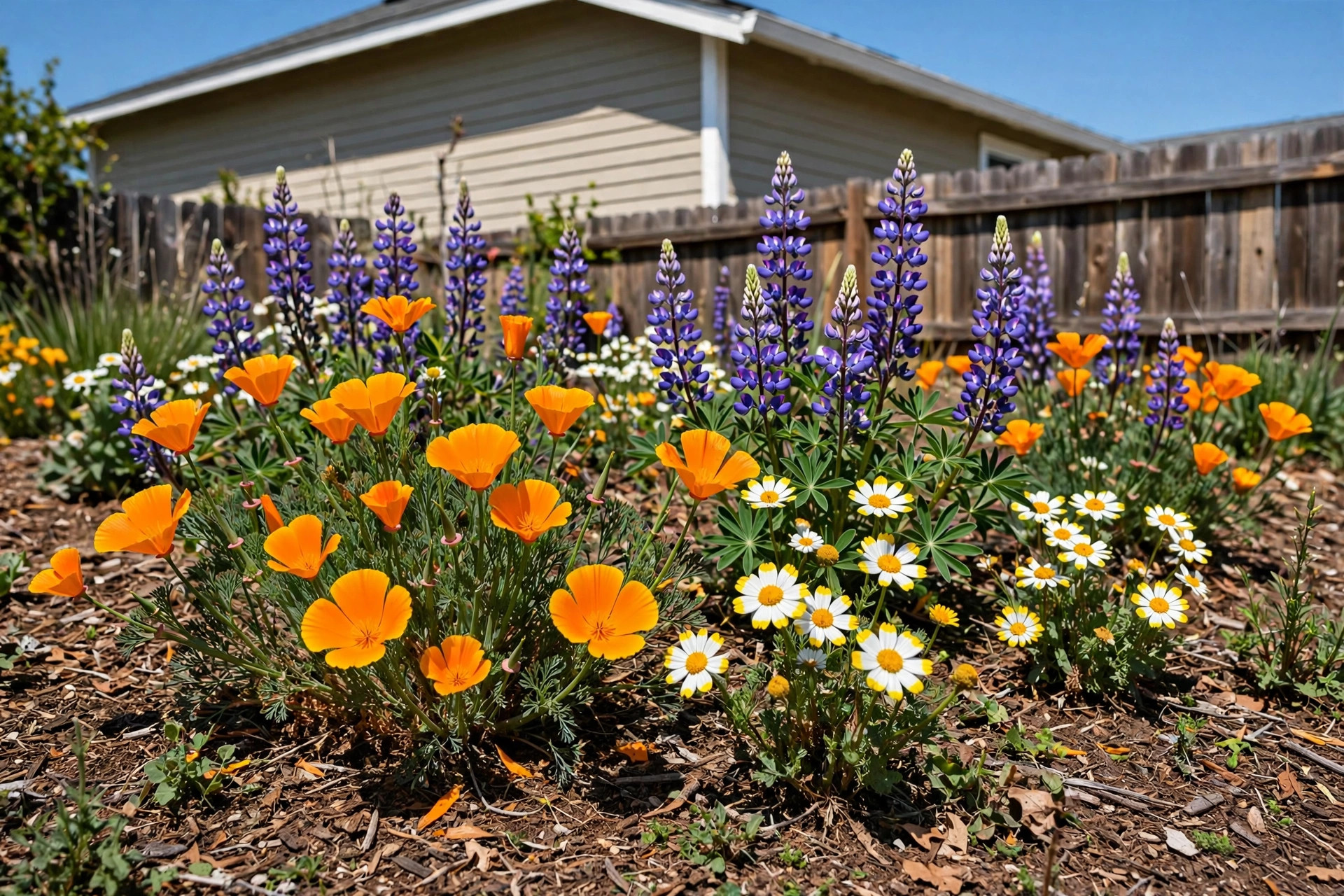

Many California home owners dream of a yard that looks like the open hills in spring. A field of color that needs little water and asks for little care. Wildflower seed mixes california homes usa is the search term that brings many of them to this idea. And for good reason. California is home to some of the finest wildflowers in the country. The state poppy. The lupine. The tidy tips. These plants grew here for thousands of years before lawns arrived. They know the soil. They know the rain. They know the heat.
This guide is for home owners who want to try a wildflower bed, a wildflower strip, or even a wildflower meadow. It explains why these mixes matter, how to choose one, what they cost, how to plant them, and how to care for them. It also covers safety and answers common questions. Every word is kept plain and simple, in the old style of books and newspapers.
Why Wildflower Seed Mixes Matter
California has a climate like few other states. The winters are wet and mild. The summers are dry and hot. Most lawn grasses come from wet places. They need much water to stay green in a California summer. Wildflowers are the opposite. They rest in the dry months. They bloom in the wet months. They fit the rhythm of the land.
A lawn can use more water than any other plant in a yard. In many towns, water rules now limit when you can water. Wildflowers help you obey these rules and still have a lovely yard. Once they are set, many need no water at all beyond the winter rain. That saves money. It also saves a resource that the whole state shares.
Wildflowers also feed life. Bees, butterflies, and hummingbirds visit them. A yard of wildflowers can hum with bees in spring. Kids can watch butterflies from the porch. This is a gift that a plain lawn cannot give. A lawn is green. A wildflower bed is alive.
How to Choose the Right Mix: Wildflower Seed Mixes California Homes Usa
Native Mixes Versus General Mixes
The most important choice is between a native mix and a general mix. A native mix has only plants that grow wild in California. A general mix may have plants from all over the world. Both will bloom. But the native mix is the better choice for most homes.
Native plants support native bees and butterflies. They have lived with these insects for a very long time. A wildflower seed mixes buying guide can help you compare labels, but the short rule is simple. Look for the word native and the word California on the bag. If the label lists species like California poppy, lupine, and clarkia, you are on the right path.
General mixes often hold species that are fine in a garden but do not help local wildlife as much. A native mix avoids this risk.
Reading the Label
Read the seed label the way you would read a food label. A good label lists each species by its full name. It tells you the percent of each kind. It gives the seed date or the test date. It names the seller. A bad label says only “wildflower mix” and nothing more. Do not buy that one.
Check the percent of pure seed and the germination rate. Higher is better. Also check for weed seed. The label must list any noxious weeds by law. A clean label is a sign of a careful company. Stores like Burpee and Park Seed sell mixes with full labels, and many gardeners start their search there.
Think about your own yard before you buy. How much sun does the spot get? Is the soil sand or clay? How big is the area? Many mixes are made for full sun. Some are made for part shade. Some are made for coastal fog. Match the mix to your place. A mix made for the desert will not be happy in a damp coastal garden.
How Much Seed You Need
Seed bags give a coverage rate. A common rate is one ounce for about one hundred square feet. Measure your bed first. Buy a little extra. Thin spots let weeds move in.
If you want to save money, look for wildflower seed mixes deals at local stores in fall. Fall is the best planting time in California. Stores often put seed on sale just when you need it.
Types of Wildflower Mixes
Annual Mixes
Annual wildflowers grow, bloom, make seed, and die in one year. The California poppy is the best known example. Annual mixes give fast color. They are the right choice if you want a bright show in the first spring. Many will reseed themselves. That means new plants come up next year from the seed they drop. You may need to sow again after a few years to keep the show strong.
Perennial Mixes
Perennial wildflowers live for many years. They grow roots deep into the soil. They bloom in their second year or later. They are slower to start. But once they are set, they ask for very little. Many California gardeners mix annuals and perennials. The annuals give color in year one. The perennials take over in year two and beyond.
Pollinator Mixes
Pollinator mixes are made to feed bees and butterflies. They hold many kinds of flowers that bloom at different times. This gives insects food from early spring to late fall. If your main goal is wildlife, choose a pollinator mix with native species. Guides at Gardening Know How explain which flowers draw the most bees in the West.
Shade and Special Mixes
Most wildflowers want full sun. But some mixes are made for light shade under trees or on the north side of a house. There are also mixes for poor soil, for slopes, and for dry spots. A slope mix often holds deep-rooted plants that hold the soil in place.
Cost and Price
Wildflower seed is one of the cheapest ways to change a yard. A small packet that covers one hundred square feet often costs between five and fifteen dollars. Larger bags cost more but bring the price per square foot down. A pound of seed may cover several thousand square feet and cost between twenty and sixty dollars. Prices move with the year and the seller.
Compare this to sod or nursery plants. Sod for the same area can cost many times more. Nursery plants cost even more. Seed is the clear winner for a large area. The main cost is your own time. You must clear the spot, sow the seed, and water until the rain takes over.
Buy from a trusted seller. Cheap seed with a poor label can be full of weed seed or old seed that will not sprout. A good seller tests the seed and prints the results. The price may be a little higher. The result is worth it. The Old Farmer’s Almanac planting guides can help you time your purchase for the best fall prices.
How to Plant Wildflower Seed
When to Sow
In most of California, the best time to sow is in the fall. October and November are good months. The first rains wake the seed. The cool winter lets roots grow deep. By spring, the plants are strong and ready to bloom. In cold mountain areas, you may sow in early spring instead. In the low desert, fall is still best.
Clearing the Spot
Wildflowers do not like to fight weeds. Clear the spot well before you sow. Pull the weeds by hand or cover the area with black plastic for a few weeks in summer to kill them with heat. Do not use heavy chemicals if you can avoid it. Many gardeners prefer the simple way. Mow the area short. Rake it hard. Remove the dead grass.
Sowing the Seed
Mix the seed with sand or dry soil. Use about four parts sand to one part seed. This helps you spread the seed evenly. It is hard to see tiny seeds on bare soil. The sand makes them visible. Walk the area in one direction and scatter half the mix. Then walk across in the other direction and scatter the rest. This cross pattern gives even cover.
Press the seed into the soil. You can walk over the area. You can roll it with a lawn roller. You can rake it very lightly. The seed needs contact with the soil. But do not bury it deep. Most wildflower seeds need light to sprout. A thin cover of soil, no more than an eighth of an inch, is enough.
Water gently after sowing if no rain is coming. Use a fine spray. A hard stream will wash the seed away. Keep the soil damp until the seedlings are up and growing. Then let the winter rain do the work.
Care and Upkeep
Wildflowers ask for less care than a lawn. But they still need some. In the first year, pull weeds by hand. Weeds grow faster than wildflower seedlings. If you let them win, they will shade out your flowers. A little weeding each week in winter and spring pays off well.
Do not fertilize. Most California wildflowers like poor soil. Fertilizer makes them grow tall and weak. It also feeds the weeds.
In summer, let the plants go to seed. The brown stalks may look messy. But they are making next year’s flowers. Birds will eat the seed heads. Goldfinches love them. When the seed is ripe and dry, you can mow the area short. Leave the cut stems on the ground for a week so the last seeds fall. Then rake them up or leave them as mulch.
Every few years, you may need to sow more seed. Some species fade with time. A fresh sowing every three or four years keeps the mix rich. Fall is the time to do it.
If you want a neater look, mow a clean edge around the wildflower bed. A sharp border of lawn or path makes the wild area look planned.
Native grasses can be good partners for wildflowers. A native grass seed deal can add texture and hold the soil. Grasses and flowers grew together in the old California prairies. They still look right together today.
Safety
Wildflower seed mixes are safe for most homes. But a few points deserve care. Some wildflowers are mildly toxic if eaten. Lupine seeds, for example, can upset the stomach. Teach small children not to eat seeds or flowers. Keep seed packets out of reach. Pets rarely eat wildflowers, but watch young dogs that chew everything.
Check local rules before you plant. Some towns have weed laws that limit plant height in front yards. A wildflower bed that grows three feet tall may break such a rule. A quick call to the city office can save trouble. Homeowner groups may also have rules. Read them first.
Do not plant mixes near wild lands if the mix has non-native species. Seeds travel on wind and on shoes. A garden plant can become a wild weed. This is why native mixes are the safe choice near parks and open space. The National Institute of Food and Agriculture supports research on native plants and their role in healthy land.
Bees will visit your flowers. This is the point. But if someone in the home is allergic to bee stings, place the wildflower bed away from doors and paths. Keep a clear walk to the house. Most bees are gentle when they are feeding. They sting only when trapped or stepped on.
Frequently Asked Questions
Will wildflowers grow in clay soil?
Yes, many will. California has much clay soil. Wildflowers like clarkia and poppies do well in it. The key is drainage. If water stands in puddles for days, mix in some compost or plant on a slight mound. Do not dig deep and fill with rich soil. That makes a bowl that holds water. Shallow care is better.
Do I need to water in summer?
Once set, most California native wildflowers need no summer water. They are built for dry summers. Watering in summer can even kill them. It wakes up root rot in the warm soil. Let them rest. The winter rain is their water. First-year seedlings may need some water in a dry fall. After that, leave them be.
How long until I see flowers?
Annuals sown in fall often bloom the next spring, about four to six months later. Perennials may bloom lightly in year one and strongly in year two. Be patient. The second spring is often the best one. Each year the roots grow deeper and the show grows fuller.
Can I plant wildflowers over my old lawn?
Yes, but you must kill the lawn first. Grass is a fierce weed in a wildflower bed. Mow it very short. Cover it with cardboard or black plastic for six to eight weeks in warm weather. Then rake and sow. Do not sow seed into a living lawn. The grass will win.
Where can I learn more about native species?
Two fine places to start are White Flower Farm and Monrovia, which list many native plants with growing notes. For seed-specific help, Gurney’s and Proven Winners also carry useful guides. Your county farm advisor office can name the best species for your exact area.
Are wildflower mixes good for small yards?
Yes. You do not need an acre. A strip along a fence or a bed by the porch works well. Even a large pot on a patio can hold a small mix. Choose shorter species for small spaces so they do not flop over the path. A four by eight foot bed can hold a fine show.
A Short Final Word
A wildflower bed is a simple gift to a home. It costs little. It asks for little water. It brings bees, butterflies, and color. It ties a yard to the land it stands on. Start small if you are unsure. One bed. One packet of native seed. One fall of rain. By spring, you will know if you want more. Most people do.
References
Burpee. (n.d.). Seeds, plants, and gardening supplies. https://www.burpee.com Gardening Know How. (n.d.). Gardening guides and plant care. https://www.gardeningknowhow.com Gurney’s Seed & Nursery Co. (n.d.). Seeds, plants, and garden supplies. https://www.gurneys.com Monrovia. (n.d.). Plants for home gardens. https://www.monrovia.com National Institute of Food and Agriculture. (n.d.). Agricultural research and extension. https://www.nifa.usda.gov Park Seed. (n.d.). Seeds, plants, and gardening supplies. https://www.parkseed.com Proven Winners. (n.d.). Plants and gardening inspiration. https://www.provenwinners.com The Old Farmer’s Almanac. (n.d.). Gardening calendars and advice. https://www.almanac.com White Flower Farm. (n.d.). Plants, bulbs, and garden supplies. https://www.whiteflowerfarm.com
Was this guide helpful?

About Sarah Mitchell
The My Garden US editorial team writes practical, in-depth home and garden guides for American homeowners — tested advice, no fluff.
You May Also Like
Sunflower Seed Packs California Homes USA: A Plain Guide to Growing Tall, Happy Blooms
March 23, 2026 0 views
Air Plants Bulk American Homes Guide: Buying, Choosing, and Keeping Them Green
June 4, 2026 0 views
Snake Plants Indoor Deals Near Me: A Simple Buying Guide
May 23, 2026 0 views