
Why Search for Wildflower Seed Mixes Deals Near Me
Every spring, gardeners across the United States start to ask the same question. Where can I find wildflower seed mixes deals near me? The reason is simple. Wildflower seed is one of the best values in all of gardening. A single bag of seed can cover a wide strip of ground. It costs far less than buying potted plants one by one. And it brings color, bees, and butterflies to the yard for months.
The words “near me” matter more than many people think. Seed bought from a local shop or a regional supplier is often better suited to the local climate. A mix packed for gardens in Georgia is not the same as a mix packed for gardens in Minnesota. Local dealers tend to carry blends that match local soil and local weather. That gives the seed a better chance to grow. Local shops also run sales at just the right time, since shipping seed across the country adds cost. In late winter and early spring, shelves fill up with wildflower seed. Prices are low. A careful shopper can buy enough seed for a whole season at a small price.
This guide explains how to find good deals on wildflower seed mixes near your home. It covers how to choose a blend, when to buy, what prices to expect, and how to sow the seed so it grows well. It also answers common questions about wildflower seed mixes.
Why Wildflower Seed Mixes Are Worth Buying: Wildflower Seed Mixes Deals near Me
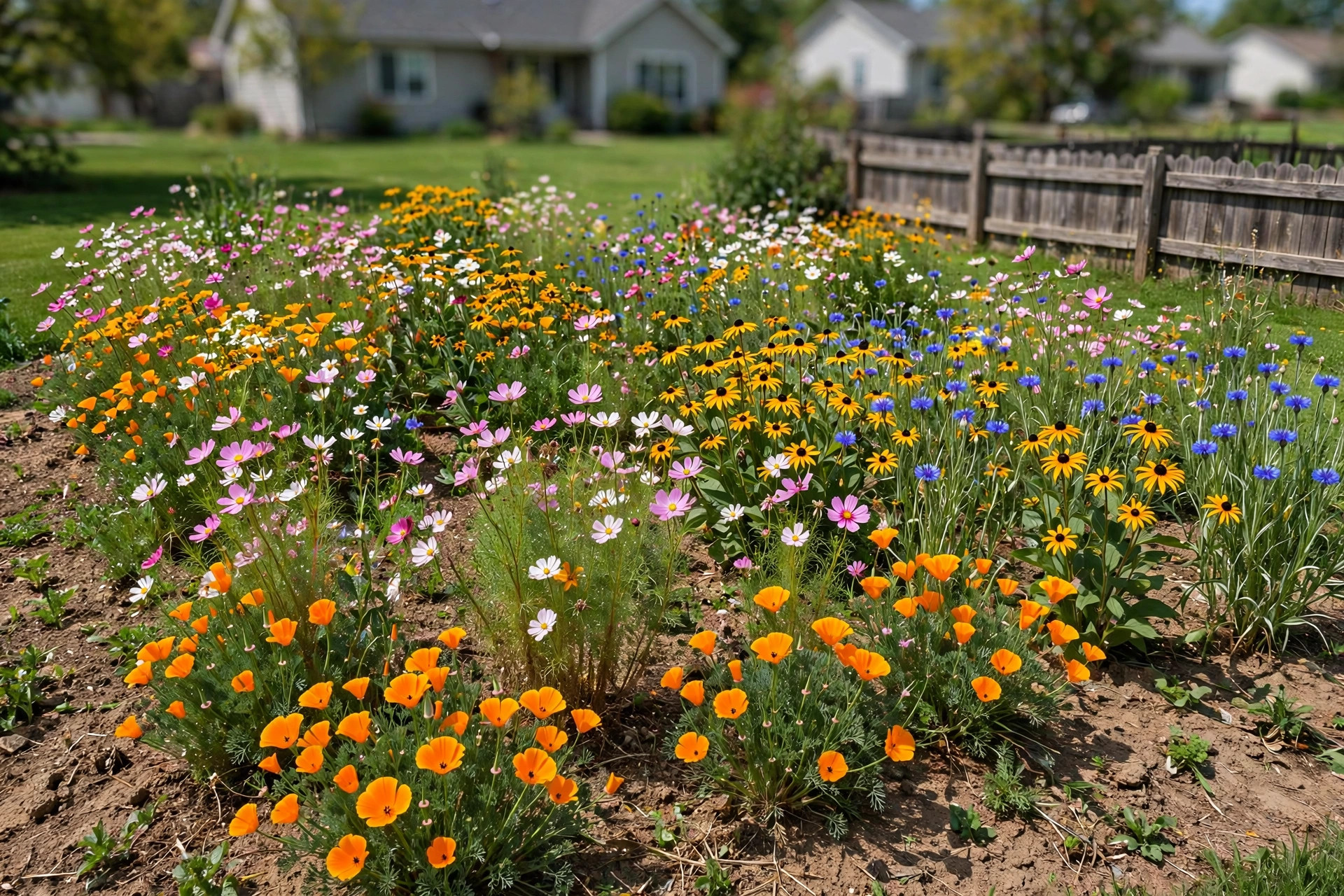
Wildflower seed mixes are bags of seed that hold many kinds of flowers. A good mix may contain ten, twenty, or even thirty kinds. Common types include poppies, cosmos, black-eyed Susan, cornflower, and clarkia.
There are three strong reasons to plant them. First, they are cheap. A few dollars of seed can fill a bed that would cost hundreds of dollars in nursery plants. Second, they are easy. Third, they help wildlife. Bees, butterflies, and hummingbirds feed on wildflowers.
Gardeners who shop for wildflower seed mixes deals near me often have a project in mind. Some want to turn a bare strip along a fence into color. Some want to replace part of a lawn that is hard to mow. Wildflower seed fits each one.
How to Find Wildflower Seed Mixes Deals Near Me
Finding a deal takes a little planning. Here are the places to look and the steps to take.
Start With Local Garden Centers
Local garden centers are the best place to start. They stock seed mixes that are chosen for the area. Staff can tell you which blends work well in local soil. Ask them when their seed sale begins. Many shops cut prices on seed in early spring and again in late summer.
Independent nurseries often carry regional mixes you will not find in big chains. These blends are made by local growers. They cost a little more at full price, but they grow better. When they go on sale, they are a true bargain.
Check Farm Supply and Hardware Stores
Farm supply stores sell wildflower seed in larger bags meant for meadows and field edges. The price per pound is often much lower than small packets. If you have a big area to cover, this is the cheapest path. Hardware stores also stock seed racks each spring and run weekend sales.
Watch Big Box Stores and Club Warehouses
Large home improvement stores carry wildflower seed mixes from national brands. The blends are general, but the prices are low. Club warehouses sometimes sell jumbo bags in spring. One bag can seed a large yard. Compare the price per ounce before you buy.
Look at Community Sales and Seed Swaps
Gardening clubs, nature groups, and farm markets sometimes hold seed swaps. Members trade seed they saved from their own gardens. This is often free or nearly free. It is also a fine way to get seed of plants that are proven to grow nearby.
Compare Prices Before You Buy
A deal is only a deal if the price is truly low. Note the weight of the bag. Seed mixes range from small packets of a few grams to bags of several pounds. Work out the cost per ounce or per pound. A big bag at a high price can still be the cheapest deal. A small packet at a low price can be the most costly.
What to Look for When You Choose a Blend
Not all wildflower seed mixes are equal. A low price means nothing if the seed will not grow. Here is what to check on the label.
Regional or Native Mixes
The best mixes are made for your region. Labels often say things like “Northeast Wildflower Mix” or “Texas Native Mix.” These contain plants that suit the local rain, heat, and cold. They are more likely to bloom in the first year. National mixes are fine too, but regional ones are safer.
The Seed List
A good label lists each plant in the mix. Look for names you know. Be wary of bags that list only a few kinds of seed and much filler. Some filler is normal. It helps spread the seed evenly. But the bulk of the bag should be flower seed.
Annual, Biennial, or Perennial
Annual wildflowers bloom in the first year and then die. Perennials take longer to start but come back each year. Many mixes hold both kinds. This gives quick color in year one and steady plants later. Read the label to learn the balance.
Purity and Germination
Seed bags carry a small panel with test results. It shows the percent of pure seed and the germination rate. Higher numbers are better. Old seed on a clearance shelf may have lost power.
Organic or Treated
Some seed is sold as organic. Some is coated or treated with chemicals to help it sprout. For a pollinator garden, plain untreated seed is best. Bees and butterflies feed on the flowers, so clean seed is the safer choice.
Types of Wildflower Seed Mixes
Shoppers will meet several kinds of mixes. Each suits a different need.
Pollinator mixes are made for bees and butterflies. They hold flowers rich in nectar and pollen. These mixes are popular near vegetable gardens. They draw in the insects that help food plants grow.
Native mixes hold plants that grow wild in the region. They support local wildlife best of all. They also need the least water and care once set. Many states have native plant societies that suggest good mixes.
Cut-flower mixes are chosen for long stems and bright blooms. Cosmos, zinnias, and sunflowers are common in them. These are the best choice for gardeners who want flowers for the vase.
Shade mixes are made for spots under trees. Check that the bag truly lists shade-tolerant plants.
Deer-resistant mixes hold plants that deer tend to avoid. No mix is fully deer-proof, but some are better than others. Local staff can say which ones work nearby.
Low-grow mixes stay short. They suit borders, path edges, and spots where tall plants would block a view.
Cost and Price Guide
Wildflower seed is one of the cheapest ways to plant a garden. Still, prices vary. Here is what to expect in most of the country.
Small packets, around one to two ounces, often cost three to eight dollars. These cover about fifty to one hundred square feet. They are fine for small beds.
Medium bags, around a quarter pound to a pound, often cost ten to thirty dollars. These cover several hundred square feet. This is the most common size for home gardens.
Large bags, one pound and up, often cost thirty to eighty dollars per pound for good mixes. Bulk farm bags can cost less per pound. These cover a thousand square feet or more.
Watch for seasonal sales. Prices often drop by twenty to forty percent in early spring and late summer. End-of-season clearance can be deeper still, but the seed is older. Buy only what you can sow within a year or two. Seed stored cool and dry keeps its strength for two to three years.
A useful rule is to compare cost per square foot of coverage. The label tells how much ground a bag covers. Divide the price by the coverage. This shows the true cost of the deal.
How to Sow Wildflower Seed for Best Results
Good seed still needs good sowing. Follow these steps for strong growth.
Pick the Right Spot
Most wildflowers need full sun, at least six hours a day. Pick a spot with good drainage. Low spots that hold water can rot the seed. Clear the ground of weeds before you sow. Weeds are the main rival of young wildflowers.
Time It Well
Sow after the last hard frost, when the soil is workable. In warm southern areas, fall sowing also works. Fall-sown seed rests through winter and sprouts early.
Prepare the Soil
Wildflowers like lean soil. Rich, heavily fertilized soil makes them grow tall and weak, and it feeds weeds. Loosen the top inch or two of soil with a rake. Remove roots and stones. A firm, fine seedbed is the goal.
Sow Evenly
Mix the seed with dry sand or sawdust. This helps spread it evenly. Scatter half the mix walking one way, then the other half walking at right angles. Press the seed into the soil with the back of a rake or by walking over it. Most wildflower seed needs light to sprout, so do not bury it deep. A thin cover is enough.
Water With Care
Keep the soil moist until the seeds sprout. This may mean light watering every day for two to three weeks. After the plants are a few inches tall, cut back. Most wildflowers prefer soil on the dry side.
Manage the First Year
The first year tests patience. Annuals will bloom, but perennials may stay small. Weeds will try to take over. Pull weeds by hand while they are small. Do not use strong weed killers near wildflower beds.
Gardeners often pair wildflower beds with simple starter gear. If you plan to raise a few plants indoors first, read a guide on seed starting trays reviews buying guide usa. For moving young plants outdoors, notes on peat pots seedlings where to buy usa can help you shop. And if you also grow indoor plants, a look at succulent variety packs reviews buying guide usa may be useful.
Care and Upkeep
Wildflower beds are low care, not no care. A little work each year keeps them bright.
Water during long dry spells in the first year. After that, most mixes handle normal rain on their own. Do not fertilize.
Deadhead spent blooms if you want more flowers in the same season. Or leave them to set seed for next year. Cut back the whole bed in late fall or early spring. This clears old stems and lets new growth through.
Watch for bare spots. Scatter a little extra seed each spring where plants are thin. Over time the bed will fill in.
Safety Notes
Wildflower seed is safe to handle, but a few points matter.
Keep seed bags away from small children and pets. Some wildflower seed is treated with coatings. The label will say so. Wash hands after sowing.
Know what you are planting. A few wildflowers can spread fast and crowd out other plants. A few are toxic if eaten. Check the plant list on the bag. If you have grazing animals nearby, make sure none of the plants are harmful to them.
Wear gloves when clearing ground. Old lots can hide thorns, glass, or stinging insects. Use sun protection during sowing work. Spring sun is stronger than it feels.
Store leftover seed in a cool, dry place. A sealed jar in a cool room is ideal. Keep it out of reach of children. Label the jar with the mix name and the year.
Frequently Asked Questions
How much wildflower seed do I need?
Most mixes cover about one thousand square feet per pound. Small beds need only an ounce or two. Measure your bed first. Length times width gives the area. Then buy seed to match. It is better to buy a little extra than to run short.
When is the best time to buy for the lowest price?
Late winter and early spring bring the widest choice. The deepest discounts often come at the end of planting season, when stores clear stock. Fall can also bring sales on mixes meant for autumn sowing. Shop the sales, but check the seed test date on old stock.
Are cheap wildflower seed mixes worth it?
They can be. Price alone does not tell quality. Read the seed list and the germination rate. A cheap bag with good seed and high germination is a fine deal. A cheap bag full of filler and dead seed is a waste. Compare labels, not just prices.
Will wildflowers come back every year?
It depends on the mix. Annuals bloom once and die, but they drop seed that may sprout next year. Perennials return from their roots. Most good mixes hold both. With light care, a bed can last many years. A fresh sowing every few years keeps it full.
Can I plant wildflower seed on a lawn?
Yes, but the lawn must be cleared first. Grass will outgrow young wildflowers. Remove the grass in the planting area, or smother it with cardboard for some weeks. Then prepare the soil and sow. Do not simply scatter seed over thick grass. It will fail.
How long does wildflower seed take to sprout?
Most kinds sprout in seven to twenty-one days with warm soil and steady moisture. Some take longer. Cool spring weather slows them down. Do not give up too soon. Keep the bed moist and weed-free for at least a month after sowing.
A Final Word
The search for wildflower seed mixes deals near me is worth the effort. Local shops, farm stores, and seasonal sales all offer real value. A careful buyer reads the label, compares the true cost, and sows at the right time. The reward is a bed of color that costs little and asks for little. Year after year, it feeds bees, pleases the eye, and reminds the gardener that the simplest projects are often the best.
For more background, see Gurney’s Seed & Nursery Co, White Flower Farm, and Monrovia. For more background, see Proven Winners, Gardening Know How, and The Old Farmer’s Almanac. Buying guides are also published by The Spruce and Burpee.
References
Burpee. (n.d.). Seeds, plants, and gardening supplies. https://www.burpee.com Gardening Know How. (n.d.). Gardening guides and plant care. https://www.gardeningknowhow.com Gurney’s Seed & Nursery Co. (n.d.). Seeds, plants, and garden supplies. https://www.gurneys.com Monrovia. (n.d.). Plants for home gardens. https://www.monrovia.com Proven Winners. (n.d.). Plants and gardening inspiration. https://www.provenwinners.com The Old Farmer’s Almanac. (n.d.). Gardening calendars and advice. https://www.almanac.com The Spruce. (n.d.). Home and garden advice. https://www.thespruce.com White Flower Farm. (n.d.). Plants, bulbs, and garden supplies. https://www.whiteflowerfarm.com
Was this guide helpful?

About Lisa Anderson
The My Garden US editorial team writes practical, in-depth home and garden guides for American homeowners — tested advice, no fluff.
You May Also Like
Garlic Bulbs Planting Florida Homes USA: A Complete Grower’s Guide
September 11, 2026 0 views
Lavender Seed Packets USA Online Deals: What to Know Before You Buy
January 11, 2026 0 views
Sunflower Seed Packs: Reviews and a Buying Guide for USA Gardeners
May 12, 2026 0 views