Our succulent variety packs reviews buying guide usa is written for the new buyer who wants honest advice. Succulents rank among the most popular houseplants in the United States. Their thick leaves hold water, so they survive when you forget to water them. A variety pack puts many kinds in one box. You receive an instant collection. You learn which shapes and colors you love. This guide explains how to read reviews, what to check before you pay, and how to keep the plants alive once they arrive.
Why Succulent Variety Packs Matter
A variety pack gives you more for your money than single plants. One small succulent in a garden shop often costs four or five dollars. A pack of twelve may cost less than twenty dollars. The price per plant drops fast. That matters when you want to fill a shelf, a windowsill, or a wedding table.
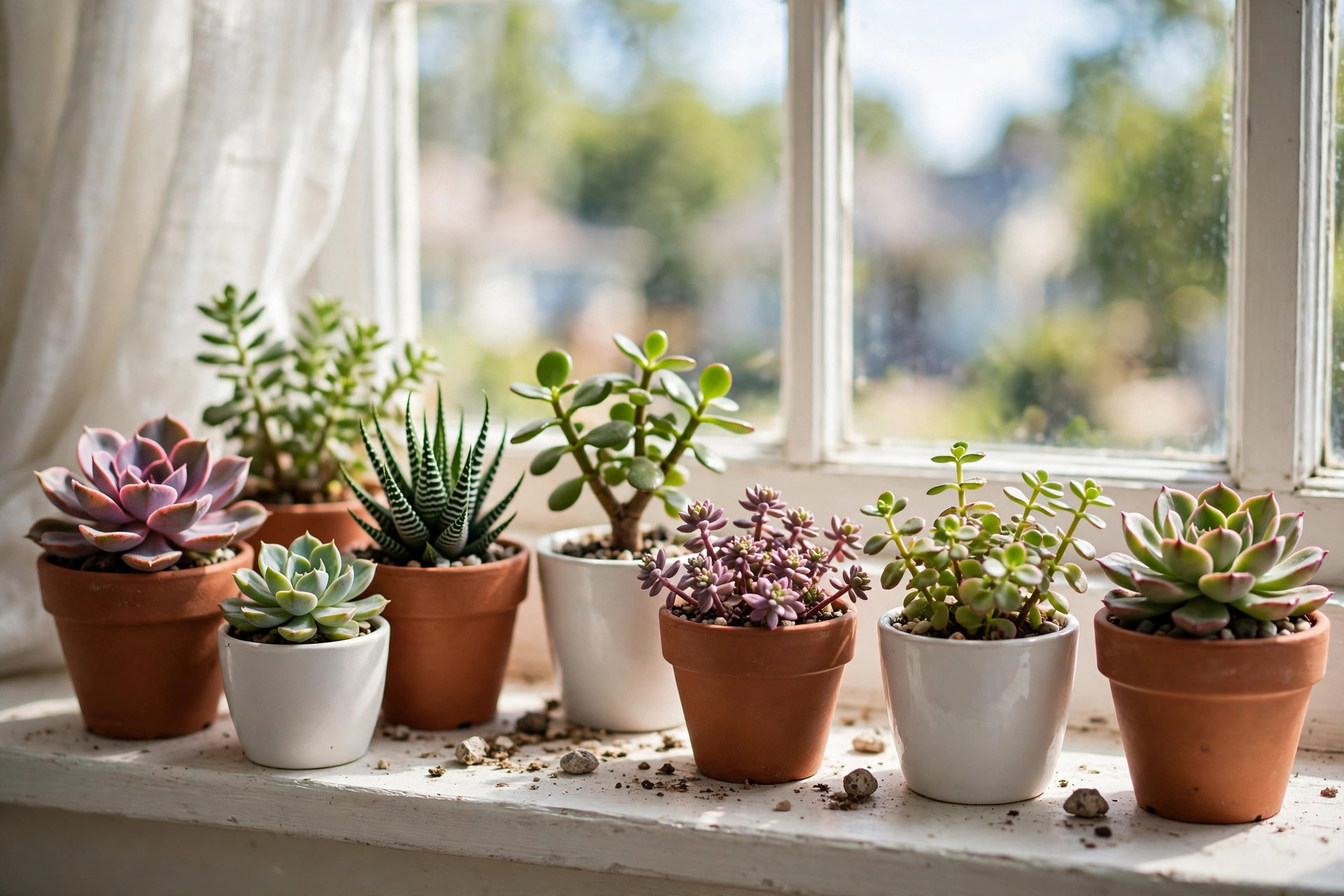
Variety packs also teach you. Each pack holds different species. You will see echeveria rosettes, jade plants, haworthia, sedum, and more. You learn which ones grow well in your light. You learn which ones you like to look at. A beginner cannot learn that from one plant.
Gift giving is another reason. Small succulents make fine gifts for teachers, coworkers, and party guests. A pack lets you pot ten or twenty tiny gifts at a low cost. Many buyers split a large pack for this reason.
Finally, variety packs suit small spaces. A dorm room, an office desk, or a small apartment can hold a tray of two-inch pots. The plants stay small for a long time. They ask for little care. That is why so many Americans start their plant hobby with a succulent variety pack.
How to Choose a Succulent Variety Pack: Succulent Variety Packs Reviews Buying Guide Usa
Good reviews separate the fine sellers from the poor ones. Read the review section before you order. Look for reviews with photos. Photos show the true size and health of the plants. Read the one-star and two-star reviews too. They tell you about dead plants, poor packing, and slow shipping. A seller with hundreds of reviews and a high average rating is usually safe.
Check the Plant List
Many sellers list the species in the pack. Some list exact names. Others only promise an assortment. Exact names are better. They show the seller knows the plants. They also help you avoid types you do not want. If you need pet-safe plants, a named list lets you check each one. Care guides from The Spruce can help you learn what each species needs.
Count and Size Matter
Packs range from six plants to one hundred. Small packs of ten to twelve suit most homes. Large packs of fifty or more suit weddings and events. Check the pot size. Two-inch pots are the standard for variety packs. A two-inch succulent is small but rooted and ready to grow. Cuttings cost less but need time to root. Rooted plugs sit in the middle. Know which one you are buying before you click order.
Packaging and Shipping
Succulents are tough, but bad packing can still crush them. Good sellers wrap each plant or nest them in dry paper. They ship early in the week so plants do not sit in a truck over the weekend. They avoid shipping in deep winter cold without heat packs. Reviews often mention packing quality. Trust those comments. If several buyers report broken leaves and mold, pick another seller.
Types of Succulent Variety Packs
Sellers group their packs in a few common ways. Each type suits a different buyer.
Assorted rooted cuttings. These are the cheapest packs. The seller cuts stems or leaves from mother plants and ships them bare. You place them in soil and wait for roots. They cost the least, but some cuttings may fail. This type suits patient growers who enjoy the process.
Rooted plugs. Plugs have small root systems and often come in trays. They settle into new pots fast. They cost more than cuttings but less than potted plants. Many buyers of a succulent variety pack choose plugs as a fair middle ground.
Potted mini succulents. These arrive in two-inch plastic pots, ready to display. They are the easiest option for beginners and gifts. The price per plant is highest, but the plants look good at once. You can set them on a shelf the day they arrive.
Themed packs. Some sellers build packs around a theme. Rosette packs hold only echeveria and similar shapes. Color packs mix purple, pink, and blue-toned plants. Trailing packs hold string-of-pearls and burro’s tail for hanging baskets. Themed packs cost more but give a planned look with no extra work.
Rare and collector packs. These hold uncommon species and hybrids. They appeal to collectors who already own the common kinds. Prices run high. Beginners should start with a standard assortment first and move up later.
If you enjoy easy-care plants beyond succulents, our air plants bulk buying guide covers another fine low-water option for the home.
Cost and Price
Prices follow a clear pattern. A pack of ten to twelve potted minis usually costs between twelve and twenty dollars. A pack of twenty to twenty-five runs twenty-five to forty dollars. Bulk packs of fifty or more often cost fifty to eighty dollars. Rare and collector packs can pass one hundred dollars for a dozen plants.
Shipping adds to the bill. Many sellers charge six to ten dollars for shipping. Some offer free shipping over a set amount. Cold-weather heat packs may add a few dollars in winter. Always check the total at checkout, not just the pack price.
Season affects price too. Spring brings the widest choice and the freshest stock. Nurseries list new packs in March and April. Late summer sales can bring discounts as sellers clear stock. Winter choice is smaller, and shipping risks rise with cold. For the best value, order in spring. The planting calendars at the Old Farmer’s Almanac can help you time your order with the season.
Care and Upkeep
Succulents ask for light, fast-draining soil, and restrained watering. Give them these three things and most will thrive for years.
Light. Bright light is the key. A south or west facing window suits most succulents. They need four to six hours of bright light each day. Too little light makes them stretch tall and pale. A small grow light can help in dark rooms. Turn the pots every week so all sides get light.
Soil. Regular potting soil holds too much water. Use a cactus or succulent mix. You can also mix regular potting soil with perlite or coarse sand, half and half. The mix must drain fast. Water should run out of the pot holes within seconds of watering.
Water. Water deeply, then let the soil dry out fully. In most homes that means watering every one to two weeks. In winter, once a month may be enough. Soft, mushy leaves mean too much water. Wrinkled, thin leaves mean too little. When in doubt, wait another day before you water.
Pots. Use pots with drainage holes. Terracotta pots are a fine choice because they let soil dry faster. Repot your new plants within a week or two of arrival. Move them up one pot size. Fresh soil gives them a strong start. Step-by-step repotting help is easy to find at Gardening Know How.
Pests. Mealybugs are the most common pest. They look like tiny white cotton balls in leaf joints. Dab them with a cotton swab dipped in rubbing alcohol. Check new plants for pests before you place them near your other houseplants. A two-week quarantine on a separate shelf is a smart habit.
Feeding and seasons. Succulents need little fertilizer. Feed once in spring and once in summer with a weak cactus fertilizer, mixed at half the label rate. Skip feeding in fall and winter when growth slows. Watch the seasons. Plants grow fastest in spring and summer and rest in the cold months. Move pots back from cold window glass in winter. A short rest with less water keeps them compact and healthy until spring returns.
For more plant choices from trusted growers, browse the catalogs at Park Seed, Burpee, and Gurney’s.
Safety
Most common succulents are safe to handle. A few need care. Euphorbia types release a milky sap that can irritate skin and eyes. Wear gloves when you prune them. Wash your hands after handling any plant with sap.
Pets change the math. Jade plants and kalanchoe can harm cats and dogs if chewed. Echeveria, haworthia, and most sedums are safer choices for pet homes. If your cat chews plants, pick a pack with a named species list and check each name. Plant sellers such as White Flower Farm and Monrovia often note pet safety on their plant pages.
Cactus packs sometimes hide in the succulent aisle. Their spines can prick fingers. Use tongs or folded newspaper to handle spiny plants. Keep them out of reach of small children. Choose smooth-leaved packs if toddlers are in the home.
Frequently Asked Questions
How many succulents come in a variety pack? Most packs hold ten to twenty-five plants. Small starter packs hold six to twelve. Event and wedding packs can hold fifty to one hundred. The listing should state the exact count.
Will the plants arrive alive? Healthy succulents ship well. They may look dull or closed up after days in a dark box. That is normal. Give them light and a small drink of water, and they open up within a week. Read recent reviews to confirm the seller ships live plants in good shape.
Do I need special soil? Yes. Use a cactus or succulent mix, or mix potting soil half and half with perlite. Regular garden soil stays wet and rots the roots. Good soil is the single biggest factor in success.
How often should I water them? Water deeply, then wait until the soil is fully dry. That is usually every one to two weeks indoors. In winter, water less. It is safer to underwater than to overwater.
Can I keep them outdoors in winter? Most succulents in variety packs are not frost hardy. Bring them inside when nights drop near freezing. A few types, like some sedums, survive cold winters. Check each species if you plan to plant outdoors. The National Institute of Food and Agriculture publishes plant hardiness research that can guide outdoor planting.
Are succulent variety packs good gifts? Yes. They are low cost, easy to wrap, and simple to keep alive. Pot them in small containers with a ribbon for a finished gift. Many buyers order extra packs during the holidays for this reason.
If you want larger statement plants instead, see our monstera plants sale buying guide and our snake plants indoor buying guide.
A Final Word
A succulent variety pack is one of the simplest ways to start or grow a plant collection. Read the reviews, check the species list, and buy from a seller with a strong record. Give your plants bright light, fast-draining soil, and a light hand with the watering can. Do that, and your small box of plants will turn into a shelf of healthy, colorful succulents that last for years. Start small, learn what thrives in your home, and order again with confidence.
References
Burpee. (n.d.). Seeds, plants, and gardening supplies. https://www.burpee.com Gardening Know How. (n.d.). Gardening guides and plant care. https://www.gardeningknowhow.com Gurney’s Seed & Nursery Co. (n.d.). Seeds, plants, and garden supplies. https://www.gurneys.com Monrovia. (n.d.). Plants for home gardens. https://www.monrovia.com National Institute of Food and Agriculture. (n.d.). Agricultural research and extension. https://www.nifa.usda.gov Park Seed. (n.d.). Seeds, plants, and gardening supplies. https://www.parkseed.com The Old Farmer’s Almanac. (n.d.). Gardening calendars and advice. https://www.almanac.com The Spruce. (n.d.). Home and garden advice. https://www.thespruce.com White Flower Farm. (n.d.). Plants, bulbs, and garden supplies. https://www.whiteflowerfarm.com
Was this guide helpful?

About Michael Thompson
The My Garden US editorial team writes practical, in-depth home and garden guides for American homeowners — tested advice, no fluff.