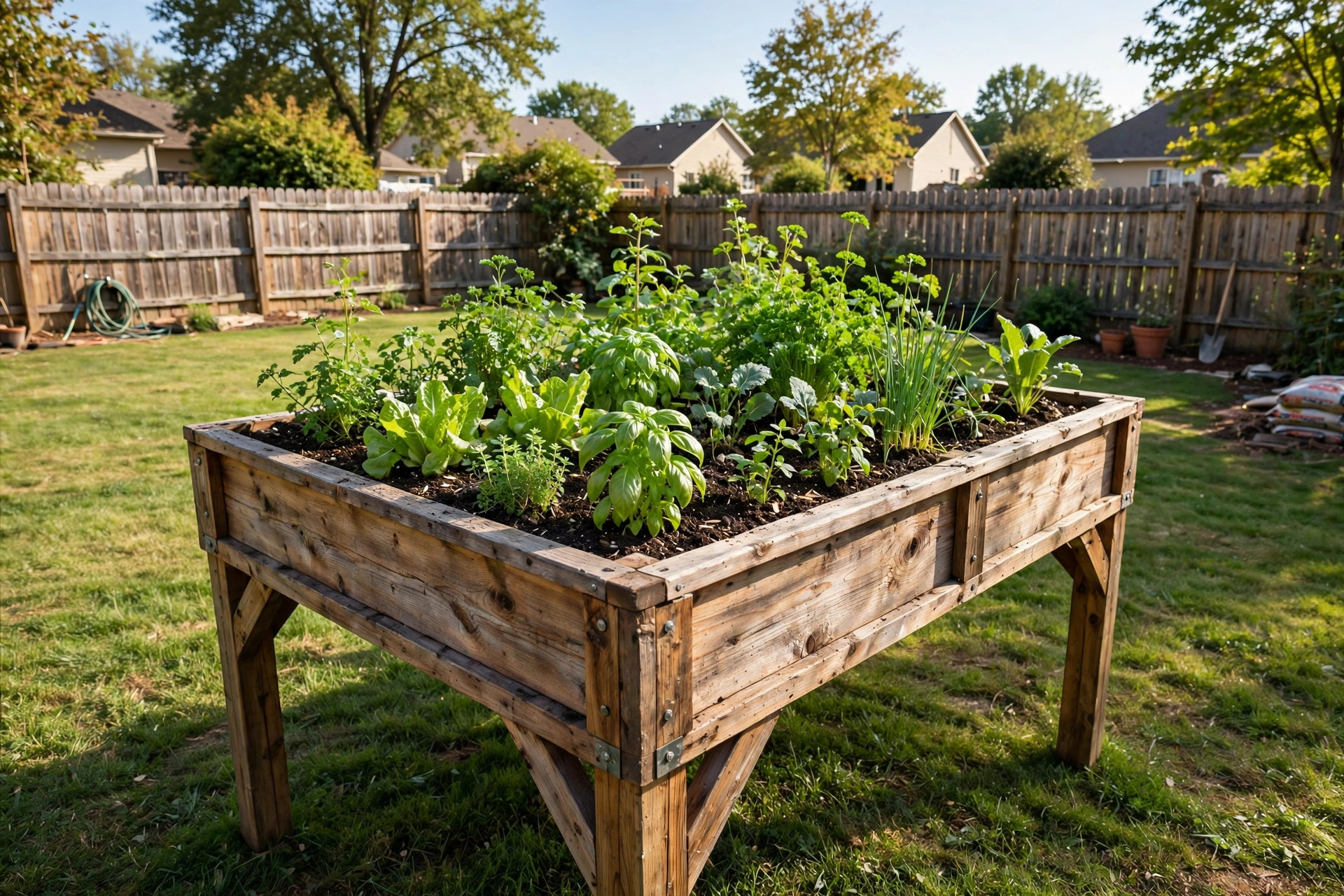

Gardeners who read raised garden bed on legs reviews want one thing before they spend their money. They want the truth. They want to know which beds hold up year after year, which ones wobble and crack, and which ones make gardening easier instead of harder. A raised bed on legs lifts the soil to waist height. That single change makes a big difference. There is no more kneeling in the mud. There is no more bending over rows until the back aches. The work comes to the gardener, not the other way around.
Over the past few years, these tall beds have grown in number. Stores now carry many brands and sizes. Prices range from modest to dear. Some beds are made of cedar. Some are made of recycled plastic or steel. Each kind has its friends and its critics. This article gathers the main points found in raised garden bed on legs reviews across the country. It looks at why the beds matter, what to look for before you buy, the main types, the costs, and how to care for one once it is in your yard.
Why a Raised Bed on Legs Matters
The chief reason gardeners buy a bed on legs is comfort. Many reviewers say the same thing in plain words. They planted more because it hurt less. Older gardeners, gardeners with bad knees, and gardeners with stiff backs all praise the standing height. Work at waist level lets you plant, weed, and pick with a straight back. That is the point that appears in review after review.
The second reason is control. Soil in a tall bed drains well. It warms fast in spring. You fill it with the mix you want, not the clay or sand that came with the yard. Reviewers note that plants start a week or two earlier in a warm raised bed than in the cold ground.
The third reason is defense. A bed on legs sits high above the ground. Rabbits, dogs, and many crawling pests have a harder time reaching the plants. Some reviewers add small fences or covers and report very little damage. It is not a perfect shield, but it helps.
Finally, there is the look of the thing. A neat bed on legs turns a dull patio or a small lawn corner into a tidy garden. Apartment dwellers with only a balcony write fond reviews of small beds on legs that fit a tight space.
What to Look for Before You Buy: Raised Garden Bed on Legs Reviews
Reading raised garden bed on legs reviews shows that happy buyers usually checked the same points before they paid. Here is what the reviewers agree on.
Size and Depth
Most raised beds on legs stand 30 to 36 inches high. That range suits most adults. The planting depth should be at least 8 to 12 inches for vegetables. Herbs can grow in less. Deeper beds cost more because they hold more soil, but reviewers who grow carrots or potatoes say the extra depth is worth it.
Material
Cedar and redwood win the most praise in raised garden bed on legs reviews. Wood looks natural and holds up for years outdoors. Reviewers warn that soft pine beds may rot within two or three seasons unless they are treated. Steel and aluminum beds are strong and light, though some buyers dislike how hot metal gets in summer sun. Plastic and composite beds get mixed reviews. They do not rot, but cheap models may bow under the weight of wet soil.
Drainage
A bed on legs must let water out. Reviewers stress that beds without drainage holes turn into swamps. Look for beds with drain holes or slats that let water pass. Many gardeners line the bottom with landscape fabric to keep the soil in while letting water escape. The Corona Tools homepage offers simple guidance on bed preparation, and Gardener’s Supply sells liners made for raised beds.
Weight and Strength
Wet soil is heavy. A 4 by 2 foot bed can hold over 200 pounds of soil and water. Reviewers who bought weak legs or thin boards often complain that the bed sags in the middle or wobbles. The best raised garden bed on legs reviews come from buyers who checked the weight rating first. Sturdy cross braces under the bed are a good sign. Wide feet that spread the load are another.
Assembly
Many reviewers judge a bed by how easy it is to put together. The best models go up in under an hour with a single screwdriver. Reviewers complain loudly about kits with vague instructions or missing parts. Before buying, read the assembly comments in several raised garden bed on legs reviews, not just the star rating.
Types of Raised Beds on Legs
Wooden Cedar Beds
Cedar beds are the classic choice. Reviewers praise their looks and their long life. Cedar fights rot on its own, so it needs no chemicals. A good cedar bed on legs often lasts five to ten years. The main drawback is price. Cedar costs more than pine or plastic. Reviewers also note that wood beds need oiling or sealing every few years to keep them sound.
Metal Beds
Galvanized steel beds on legs are rising in the reviews. They are strong, light, and modern looking. Buyers say they last a long time without care. The chief complaint is heat. In hot states, the metal sides can warm the soil too much, and roots may suffer. Some reviewers line metal beds with insulation board or keep them in part shade.
Plastic and Composite Beds
Plastic beds do not rot, rust, or need paint. Reviewers like their low care and low price. The weaker models draw the worst raised garden bed on legs reviews. Thin walls can bulge, and cheap legs can crack under load. Heavier, thicker composite beds get much better marks.
Elevated Planters with Wheels
A small group of beds on legs comes with casters. Reviewers with patios and balconies love them. They roll the bed into the sun in the morning and into the shade at noon. The wheels must lock, or the bed will drift in wind. These planters hold less soil, so they suit herbs and salad greens more than deep-rooted crops.
Self-Watering Beds
A few newer models add a water tank under the planting tray. The soil drinks from below through wicks. Raised garden bed on legs reviews of these models are mostly warm. Gardeners report fewer missed waterings and steadier growth. They cost more up front, and the tanks need cleaning now and then.
Cost and Price
Prices for raised beds on legs vary widely. Small plastic models start around fifty dollars. Mid-range cedar beds run from one hundred to two hundred dollars. Large steel or self-watering models can pass three hundred dollars. Reviewers say the cheapest beds often cost more in the end, since they fail sooner and must be replaced.
Soil is a cost that surprises many buyers. A tall bed drinks a lot of mix. Reviewers advise filling the bottom with light filler, such as empty pots, straw, or coarse bark, before adding good soil on top. For the top layer, a proven raised garden bed soil mix recipe and the best soil for raised vegetable beds make the difference between thin plants and full ones. Bags of potting mix from The Home Depot or Lowe’s add up fast, so many reviewers buy bulk mix by the cubic yard from a local supplier.
Filling and Planting Your Bed
Once the bed stands level, filling it is the next task. Many reviewers follow a simple order. First comes a layer of landscape fabric over the drainage holes. Then coarse filler, if the bed is deep. Then the soil mix, topped to within an inch of the rim.
Planting rules do not change just because the bed is tall. Give each plant its space. Tall crops like tomatoes need staking so the wind does not knock them over, since a raised bed on legs can catch the breeze. Herbs, lettuce, peppers, and beans are the crops that appear most often in happy reviews. They suit the depth and the small footprint.
Watering matters more in a raised bed on legs. The soil dries faster than ground soil, since air moves under the bed. Many reviewers water daily in hot weather. A simple drip line solves the problem for many gardeners. Guides to how to install raised bed irrigation walk through the parts needed. Fiskars and The Spruce both publish plain advice on watering raised beds, and Burpee lists plant spacing charts that suit small beds.
Care and Upkeep
A raised bed on legs needs less care than a ground bed, but it is not care-free. Reviewers list a short set of jobs.
Top up the soil each spring. Soil settles as it breaks down. Most gardeners add an inch or two of fresh mix or compost every year. The Old Farmer’s Almanac notes that compost also feeds the soil life that keeps plants strong.
Check the legs and joints. Once a year, tighten the bolts and look for cracks. Wood legs may need a fresh coat of sealer. Metal legs should be checked for rust spots, which can be sanded and painted.
Clean the drainage. Pull out old roots and wash the drain holes each season. Blocked drains cause the swampy soil that ruins more beds than any other fault.
Watch for wear. Thin wooden slats may need replacing after a few years. Reviewers say that replacing a few boards is cheap and keeps a good bed going for many more seasons. Advice on bed repair appears regularly at Family Handyman and Bob Vila.
Safety
Safety gets little space in many raised garden bed on legs reviews, but it matters. Place the bed on flat, firm ground. A full bed is heavy, and soft or sloped ground lets it tip. Keep the bed away from high-traffic paths where someone might bump it.
Use food-safe materials. Some reviewers warn against old railroad ties or treated lumber with harsh chemicals. Cedar, redwood, untreated pine, steel, and food-grade plastic are the safe choices. If the bed will hold vegetables, line any treated wood with thick plastic sheeting as an extra guard.
Lift with care. A bed on legs is heavy once filled. Move it before you fill it, not after. When two people carry it, each should lift from the legs, not the side boards. Reviewers who tried to drag a filled bed report cracked joints and spilled soil.
For broader product safety and buying standards, many reviewers cite testing notes from Consumer Reports, which rates outdoor gear for build quality and safety.
Frequently Asked Questions
How long does a raised garden bed on legs last?
It depends on the material. Cedar beds last five to ten years with care. Steel beds often last longer. Cheap pine or thin plastic beds may fail in two to three seasons. Reviewers say that shelter from hard weather adds years to any bed.
What size raised bed on legs is best for vegetables?
A bed 4 feet long and 2 feet wide suits most homes. That size reaches across easily from one side. Depth of 10 to 12 inches grows most vegetables. For carrots, parsnips, and potatoes, choose 14 inches or more.
Do raised beds on legs need drainage holes?
Yes. Without drainage, water pools at the bottom and roots rot. Most good beds come with holes or slats. If yours does not, drill several half-inch holes in the base before filling it.
What soil should I use in a raised bed on legs?
Use a loose mix, not plain garden dirt. A common mix is one part compost, one part peat or coco coir, and one part perlite or coarse sand. Reviewers report that heavy clay soil packs down and drains poorly in a raised bed.
Can I put a raised bed on legs on a deck or balcony?
Yes, if the deck can bear the weight. A filled bed can weigh several hundred pounds. Check the deck’s load limit. Place a tray or mat under the bed to catch drips, and keep the drainage clear so water does not pool on the deck.
Are raised beds on legs good for beginners?
Reviewers say yes. The height makes the work easier, the small size keeps the job simple, and the controlled soil gives quick wins. Many beginners start with herbs and salad greens and grow their skills from there.
A Short Final Word
The honest story told by raised garden bed on legs reviews is a hopeful one. These beds work. They spare the back, warm the soil, and bring the garden up to the gardener. The buyers who end up happy are the ones who read the reviews first, checked the weight rating, picked strong legs, and filled the bed with good soil. Do the same, and your bed is likely to earn its place in your yard for many seasons to come.
References
Bob Vila. (n.d.). Home improvement advice. https://www.bobvila.com Burpee. (n.d.). Seeds, plants, and gardening supplies. https://www.burpee.com Consumer Reports. (n.d.). Product reviews and ratings. https://www.consumerreports.org Corona Tools. (n.d.). Garden and landscape tools. https://www.corona-tools.com Family Handyman. (n.d.). DIY home repair and maintenance. https://www.familyhandyman.com Fiskars. (n.d.). Garden and cutting tools. https://www.fiskars.com Gardener’s Supply Company. (n.d.). Gardening tools and supplies. https://www.gardeners.com Lowe’s. (n.d.). Home improvement products. https://www.lowes.com The Home Depot. (n.d.). Home improvement products. https://www.homedepot.com The Old Farmer’s Almanac. (n.d.). Gardening calendars and advice. https://www.almanac.com The Spruce. (n.d.). Home and garden advice. https://www.thespruce.com
Was this guide helpful?

About James Carter
The My Garden US editorial team writes practical, in-depth home and garden guides for American homeowners — tested advice, no fluff.
You May Also Like

How to Build a Compost Bin Cheap: A Simple Guide for Any Yard
May 8, 2026 0 views
Compost Accelerator for Faster Breakdown: A Practical Guide
May 6, 2026 0 views
How to Install Raised Bed Irrigation: A Step-by-Step Guide
March 22, 2026 0 views