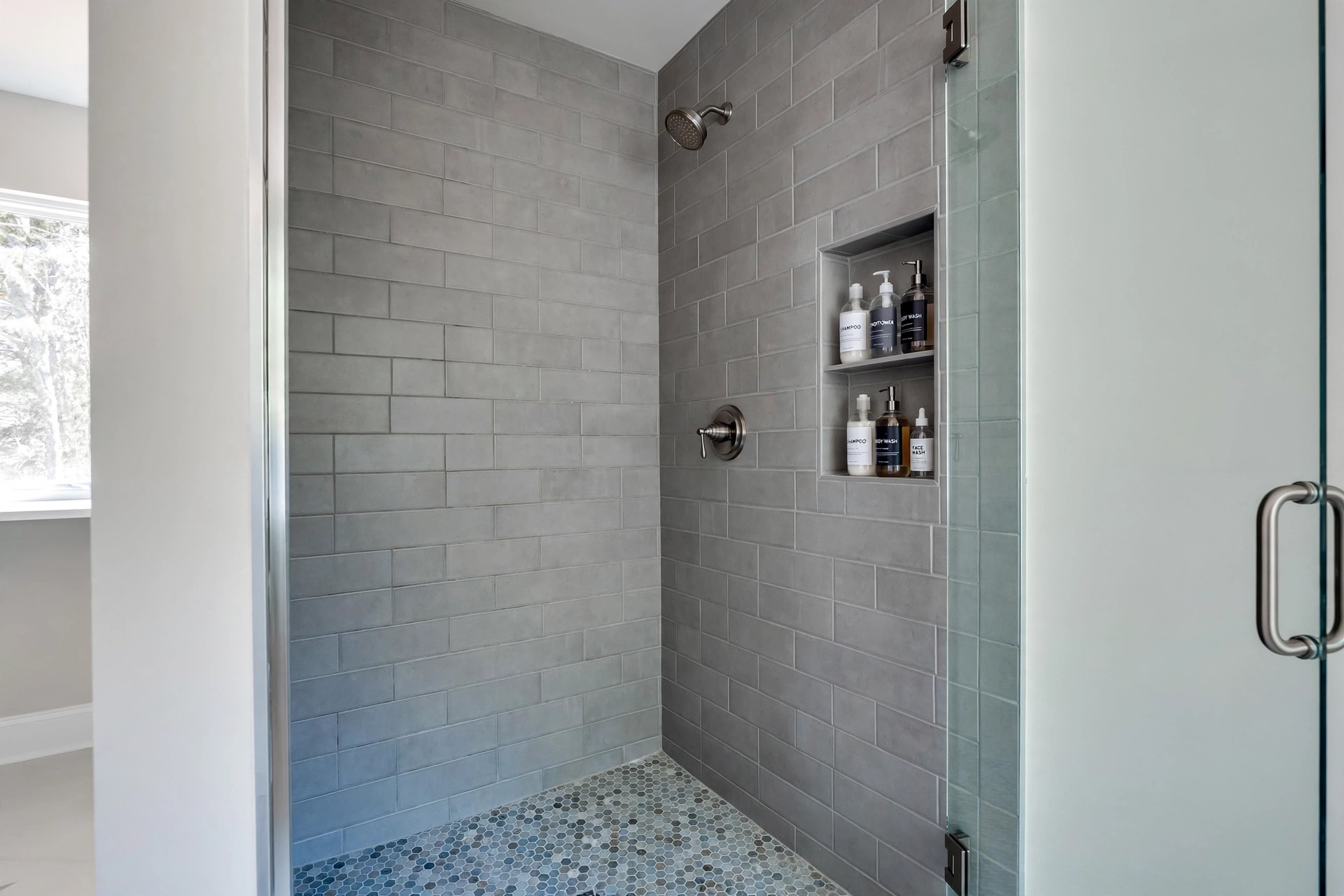

Every year, thousands of American families tear out old tubs and stained tile to build the shower they want. This shower remodel cost breakdown for USA homes shows where the money goes, from tear-out to tile to trim. A simple swap of a fiberglass unit may cost a few thousand dollars. A full custom tile shower with a glass door can cost ten thousand dollars or more. What drives the price is labor, materials, and size. Read on, and you will know how to plan with care.
Why a Cost Breakdown Matters
A remodel without a plan is a risk. Many home owners start with a rough guess. They hear a number from a friend. Then the real bills arrive, and the guess falls apart. A clear breakdown keeps you in charge. You see the parts. You see the choices. You can move money from one line to another when you must.
A breakdown also helps you compare bids. When two builders quote the same job, their lists may look very different. One may include the new shower pan. The other may list it as extra. If you know what each part should cost, you can spot a missing line before work begins. ## What Drives the Cost
Five forces shape the final bill. Size comes first. A small hall-bath shower costs less than a large master walk-in. More square feet means more tile, more waterproofing, and more labor. Second is the type of shower. A prefabricated fiberglass unit is the cheapest route. A custom tile shower with a bench and a niche is the dearest.
Third is labor. In most cities, labor is half or more of the total cost. Tile setting, sloping a pan to the drain, and sealing corners takes training. If you move a drain or a supply line, the price rises fast. Fourth is materials. Tile ranges from two dollars a square foot to twenty. Glass doors range from a few hundred to a few thousand. Fixtures range from basic to luxury.
Fifth is the condition of what is there now. Water damage behind an old shower is common. When the builder opens the wall, rot or mold may appear. A good builder will tell you this risk up front. ## The Full Cost Breakdown, Line by Line
Here is the core of this shower remodel cost breakdown for USA homes. Prices are typical 2026 ranges. Your city may sit higher or lower.
Demolition and tear-out: $300 to $800. Taking out the old tub or shower, tile, and backer board takes a day. Hauling debris adds to the bill. Some builders include this in the job. Others list it apart. Ask before you sign.
Plumbing rough-in: $500 to $2,500. If the drain and valves stay in place, the cost is low. Moving a drain across the floor is dear. A new thermostatic valve costs more than a simple two-handle set.
Waterproofing and shower pan: $400 to $1,200. This is the part you never see, and it matters most. A good pan and membrane keep water out of the walls and floor. Do not let a builder skip this step or use plain drywall in a shower. That is a leak waiting to happen.
Tile and stone: $800 to $4,000. Ceramic is the most affordable choice. Porcelain costs a bit more and wears very well. Natural stone such as marble costs the most and needs sealing. A straight layout costs less to install than herringbone or a complex mosaic. For current labor rates, see our guide to tile installation cost per square foot usa.
Tile setting labor: $1,500 to $5,000. This is often the largest single line. Large-format tile can cost less per foot to set because fewer pieces are needed. Small mosaics cost more because they take longer. Niches, benches, and curbs add labor. Bad tile work shows every day.
Fixtures and valve: $200 to $1,500. The valve is the working heart of the shower. A pressure-balance valve is standard and safe. A thermostatic valve holds the temperature steady and costs more. Each added spray head raises both fixture cost and plumbing cost. Chrome is the cheapest finish. Brushed nickel, matte black, and brass cost more.
Glass door or enclosure: $500 to $3,500. A framed door from a home store is the low end. A semi-frameless door sits in the middle. A custom frameless glass enclosure with heavy glass is the high end.
Shower floor heating: $300 to $1,000. Warm tile under bare feet is a small luxury many owners love. Electric mats are the common choice. For a fuller look at prices, see our piece on heated bathroom floor cost per square foot.
Lighting and ventilation: $150 to $600. A recessed light with a wet-location rating is common. A new exhaust fan keeps steam from harming the room. If your fan is old, replace it now while the walls are open. It is cheap insurance against mold.
Paint, trim, and finishing: $200 to $600. Once the shower is set, the room needs paint and caulk and trim. Mildew-resistant paint is the right choice for a bath.
Permits and inspection: $100 to $500. Many towns require a permit for plumbing work. The fee is small next to the job. A permit also means an inspector checks the work.
Total typical range: $4,500 to $18,000. A basic fiberglass-to-fiberglass swap sits at the low end. A new tile shower in an average home often lands between $8,000 and $12,000.
Types of Shower Remodels and What Each Costs: Shower Remodel Cost Breakdown for Usa Homes
Prefabricated unit swap. The old unit comes out. A new acrylic or fiberglass unit goes in. There is no tile to set and no grout to clean. Cost: $2,500 to $6,000 all in. This is the fastest route, often done in two to three days.
Tile shower with a ready-made pan. The walls are tile. The floor is a factory-made pan. This skips the custom mortar pan, which saves labor and removes one risk point. Cost: $6,000 to $12,000. Many builders favor this path because it is reliable.
Fully custom tile shower. Tile on the walls and the floor. A custom pan built on site. Often a bench, a niche, and a frameless glass door. Cost: $9,000 to $18,000 or more. This is the most beautiful and the most costly. It needs a skilled tile setter and two to three weeks.
Wall tile choice changes both the look and the bill. Our review of the best tile for shower walls reviews usa walks through the top choices, from porcelain to natural stone.
How to Choose Materials That Fit Your Budget
Start with the tile. It is the largest material line. Porcelain tile is the workhorse of American showers. It looks like stone or wood. It resists water. It costs little. Ceramic is fine for walls. For the shower floor, use a small tile or a mosaic. Small pieces grip the sloped pan and give better footing.
Grout is the next choice. Standard cement grout is cheap and needs sealing. Epoxy grout costs more and resists stains far better. In a shower, epoxy grout earns its price. A setter may charge more to use it, because it sets quickly and is hard to clean. Ask about this in advance.
For fixtures, match quality to the rest of the home. A pressure-balance valve meets code and keeps the water safe. A thermostatic valve is a step up in comfort. Handheld showerheads add use for children and pets. They also help with cleaning.
Glass is a place where money shows. Heavy frameless glass looks open and grand. It also costs two to three times a framed door. If the budget is tight, a semi-frameless door looks clean and costs far less. Do not forget the small parts. A good drain, a corner shelf or niche, and a sturdy grab bar matter every day. These parts cost little next to tile and labor, but they shape how the shower feels.
Cost by Region: What USA Homes Really Pay
Prices move with place. Big coastal cities run twenty to forty percent above the national middle. New York, Boston, Seattle, and San Francisco sit at the top. The Midwest and the South sit near or below the middle. Labor is the main reason. A tile setter in a high-cost city charges more per day.
Get three bids wherever you live. Check that each bid lists the same lines. ## Saving Money Without Cutting Corners
Keep the plumbing where it is. Moving a drain is one of the dearest single changes. Keep the shower the same size and in the same spot. Pick a ready-made pan instead of a custom mortar pan. Pick porcelain tile instead of natural stone. Use a standard valve instead of a luxury one. These choices can save thousands.
Do not skip waterproofing. Do not let a builder set tile on plain drywall. Do not buy the cheapest valve you can find. A failed valve means opening the wall again. That costs far more than a good valve today.
Some owners do part of the work themselves. Demolition and painting are common DIY tasks. Tile setting is not a good DIY job for most people. A bad pan slope is a costly fix. If you want to help, do the tear-out and the paint. Leave the wet work to a pro.
Price your materials from trusted sellers before you talk to a builder. The Home Depot and Lowe’s websites show real prices for tile, pans, and fixtures. Flooring makers such as Shaw Floors and Mohawk Flooring publish guides that help you compare tile lines. For tile itself, Daltile and LL Flooring are useful places to study colors and sizes.
Care and Upkeep After the Remodel
Rinse the walls after each use. A quick rinse washes away soap film before it hardens. Squeegee the glass after showering. It takes ten seconds and keeps water spots away. Leave the door open or the fan on for twenty minutes so the shower dries. Damp tile grows mildew fast.
Clean with mild cleaners. Harsh acids can eat grout and dull stone. A mix of dish soap and water handles most films. Seal natural stone once a year. Sealed stone resists stains. Unsealed stone soaks them up.
Good guides from This Old House and The Spruce offer step-by-step care advice for tile showers. They cover sealing, grout care, and stain removal in plain terms.
Safety in the Shower
A remodel is the right time to make the shower safer. Wet tile is slick. Pick a floor tile with some grip. Small tiles with many grout lines grip better than large smooth ones.
A grab bar is wise at any age. Modern grab bars look like towel bars. They mount into studs or solid blocking. Ask your builder to add blocking in the wall during the remodel. Adding it later is much harder.
Set the water heater to 120 degrees. This is hot enough for comfort and low enough to prevent scalding. A pressure-balance or thermostatic valve adds one more guard. It keeps the temperature steady when a toilet flushes elsewhere in the house.
A bright, wet-rated light shows soap on the floor. A strong fan clears steam fast. Less steam means less mold and longer paint life.
FAQ
How long does a shower remodel take? A prefab swap takes two to four days. A tile shower with a ready-made pan takes one to two weeks. A fully custom tile shower takes two to three weeks. Delays come from material lead times, hidden water damage, and permit waits.
Can I remodel a shower for under $5,000? Yes, if you keep it simple. A prefab unit swap with no plumbing moves can land under $5,000 in many cities. A tile shower at that price is hard. Tile labor alone often passes $3,000. Be wary of bids far below the range. They often skip waterproofing.
Is tile or acrylic better for a shower? Tile looks richer and lasts longer with care. Acrylic is cheaper, faster, and easier to clean. Tile needs grout care and sealing. Acrylic can scratch and fade over time. Most buyers favor tile in a main bath.
Do I need a permit to remodel a shower? In most towns, yes, if you touch the plumbing. A permit costs little and brings an inspection. The inspector checks the pan, the valve, and the drain. Call your local building office before work starts.
What is the most expensive part of a shower remodel? Labor is the largest cost, and tile setting labor is the largest slice of that. The glass enclosure is the dearest single product in most jobs. Fixtures can pass glass in a luxury build with many spray heads.
Will a shower remodel raise my home value? A clean, modern shower helps a home sell. You will not get back every dollar, but a well-done shower often returns a large share of its cost. Keep the style neutral. Bold tile that you love may not please the next owner.
A Short Final Word
A shower remodel is a project you will use every day. That makes it worth planning well. Know each line of the cost. Pick materials that fit your home and your budget. Hire a builder with real shower experience. Check the waterproofing before the tile goes up.
This shower remodel cost breakdown for USA homes gives you the map. The rest is choice. Spend where it shows and where it lasts: the pan, the valve, the tile work. Save where it does not: fancy trim, bold extras, moved drains. Do that, and your new shower will serve you well for twenty years or more.
References
Daltile. (n.d.). Ceramic and porcelain tile. https://www.daltile.com LL Flooring. (n.d.). Hardwood, vinyl, and tile flooring. https://www.llflooring.com Lowe’s. (n.d.). Home improvement products. https://www.lowes.com Mohawk Flooring. (n.d.). Flooring products. https://www.mohawkflooring.com Shaw Floors. (n.d.). Flooring products. https://www.shawfloors.com The Home Depot. (n.d.). Home improvement products. https://www.homedepot.com The Spruce. (n.d.). Home and garden advice. https://www.thespruce.com This Old House. (n.d.). Home renovation guidance. https://www.thisoldhouse.com
Was this guide helpful?

About David Wilson
The My Garden US editorial team writes practical, in-depth home and garden guides for American homeowners — tested advice, no fluff.
You May Also Like
Best Tile Cleaner for Hard Water Stains: A Complete Guide
May 20, 2026 0 views
Installing Vinyl Plank Over Tile: A Complete USA Guide
January 4, 2026 0 views
Round Jute Rug for Entryway for Sale: A Plain Buying Guide
April 8, 2026 0 views