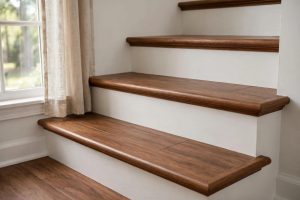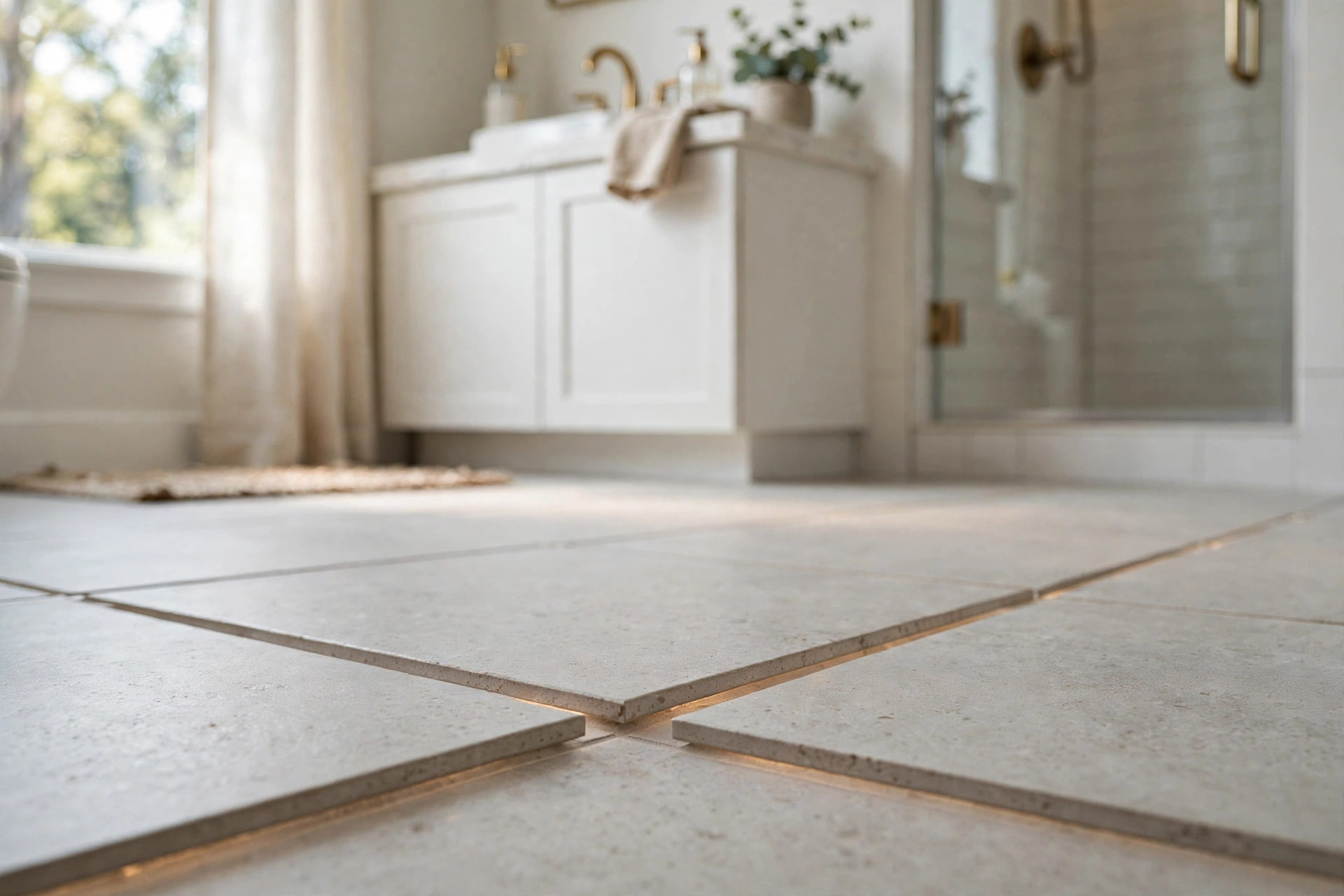

Nothing changes a cold morning faster than stepping onto a warm bathroom floor. Heated bathroom floors have moved from a high-end luxury to a common upgrade in home remodels. Before you plan your own project, it helps to know the heated bathroom floor cost per square foot so you can set a real budget and avoid surprise charges.
Why Heated Bathroom Floors Matter
Bathrooms have hard floors. Tile, stone, and concrete feel cold under bare feet, and that chill is worst on winter mornings. A heated floor warms the surface to a steady, even temperature. You step out of the shower onto a warm floor instead of a cold one.
There are other gains besides comfort. A heated floor dries damp tile faster, which can cut the moisture that feeds mold and mildew. It also lets you turn down the room thermostat a little, since your feet feel warm. Many homeowners see it as a selling point too. In buyer surveys, warm radiant floors rank high among features that make a bathroom feel new and well kept.
Radiant heat feels different from a forced-air vent. It warms objects and people first, not just the air. The result is a gentle heat that spreads evenly across the whole floor. There are no cold corners and no drafts. For small rooms like bathrooms, this even heat is one of the main reasons people choose radiant systems over other options.
What Decides the Heated Bathroom Floor Cost Per Square Foot
The heated bathroom floor cost per square foot is not one fixed number. It shifts with the type of system, the size of the room, the tile above it, and the cost of labor in your area. Most projects fall in the range of $12 to $25 per square foot for materials and installation together. The heating mat or cable itself often runs $8 to $15 per square foot. Labor adds the rest.
Small bathrooms cost more per square foot than large ones. An electrician or installer still charges a minimum to visit and wire a thermostat, whether the job covers 40 square feet or 90. That fixed cost spreads over fewer feet in a small room. A large bathroom may land near $10 to $14 per square foot for materials, while a tiny powder room may reach $20 or more per square foot for the full job.
The floor covering matters too. Ceramic and porcelain tile conduct heat well and work with every system. Natural stone takes longer to warm up but holds heat longer. Some systems can sit under luxury vinyl or engineered wood, but not all of them, so check the maker’s rules before you buy. Retailers like Home Depot and Lowe’s list which systems pair with which floor types, and this is a good place to start your research.
Electric Radiant Systems
Electric systems are the most common choice in bathrooms. They use thin heating cables or pre-made mats that roll out under the tile. A mat system is easy to lay in a simple rectangle. A loose cable system fits around toilets, vanities, and odd corners.
Electric systems are cheaper to buy and install than hydronic systems. They need a dedicated circuit and a floor-sensing thermostat. The thermostat reads the floor temperature and keeps it at your setting. Most electric mats draw 12 to 15 watts per square foot. A 50-square-foot bathroom may add $10 to $20 a month to the electric bill in winter, based on local rates and how often the heat runs.
Hydronic Radiant Systems
Hydronic systems move hot water through tubes under the floor. They connect to a boiler or a water heater. The running cost is often lower than electric heat, but the install cost is much higher. Tubes need more depth, so they suit new construction or full gut remodels better than small tile jobs.
For one bathroom, hydronic heat rarely pays off. The boiler, manifold, and pumps cost thousands before a single tube is laid. Hydronic systems shine when a whole house or whole floor is heated at once. If you are heating only one bath, an electric mat is almost always the smarter buy.
Cost Breakdown by System Type
The numbers below cover a typical American bathroom of 40 to 80 square feet of heated area. They include the heating product, thermostat, and standard labor. Prices move with region and tile choice.
| System | Materials per sq ft | Installed per sq ft | Typical total, 50 sq ft bath | |—|—|—|—| | Electric mat | $8–$12 | $12–$20 | $600–$1,000 | | Electric cable | $9–$14 | $13–$22 | $650–$1,100 | | Hydronic (whole house tie-in) | $6–$10 | $18–$35 | $900–$1,750 plus boiler |
The thermostat is one of the largest single parts. Timers save real money, because they heat the floor only when you need it. Morning and evening schedules cover most homes. Running the floor all day wastes energy.
Insulation boards under the mat add $1 to $3 per square foot but cut warm-up time. They stop heat from sinking into the subfloor and push it up into the tile. In a bathroom over an unheated garage or crawl space, insulation boards pay for themselves in comfort. They also lower the electric bill, since the floor reaches temperature faster and cycles off sooner.
Electrical work is a real line item. Many older homes lack a free circuit for the floor. An electrician may charge $200 to $500 to add one, depending on panel space and distance. Tile labor is separate from the heating labor. Setting tile over a mat adds care and time, so tile setters often charge a bit more than a plain floor job. Plan on 10 to 20 percent extra for the tile work itself.
Labor and Installation Steps
Most installers follow the same order. First, the subfloor is checked and cleaned. Loose boards and cracks are fixed. Then insulation board goes down, if you chose it. The mat or cable rolls out and is secured. The floor sensor from the thermostat is set into the floor bed. Then a self-leveling layer or thinset covers the heating element. Tile goes on top. Last, the electrician wires the thermostat and tests the system.
Testing matters. A good installer checks the cable resistance before the tile goes down and again after. This takes minutes and catches damaged wire before it is buried.
You can cut labor cost by doing the mat layout yourself. Many kits are sold for DIY use. The electrical hookup still belongs to a licensed electrician in most places. Check local code. Some towns require a permit and an inspection for a new circuit. The permit may cost $50 to $150, and the inspection gives you a paper trail that helps at resale.
If your project also includes new tile, think about the whole floor job at once. Guides like our guide to the cheapest way to redo floors in the USA can help you weigh radiant heat against plain tile or other budget options before you commit.
How to Choose the Right System for Your Bathroom
Start with the room shape. A simple square or rectangle suits a pre-sized mat. An L-shaped bath or one with many fixtures suits loose cable, which you weave to fit. Measure the free floor area, not the whole room. Do not heat under the vanity, tub, or toilet base. Heating there wastes energy and can overheat fixtures.
Next, check your floor build-up. A mat plus thinset adds about half an inch of height. That can matter at a doorway or where the bathroom meets a hallway. Thin systems add as little as one-eighth inch. If the height change is a worry, look at low-profile mats and plan a smooth transition strip at the door.
Think about your finish floor. Porcelain and ceramic tile are the best partners for radiant heat. They move heat fast and feel warm underfoot. Stone works well too. Wood and vinyl need care. Some makers approve their systems under luxury vinyl, others do not. Flooring makers such as Shaw and Mohawk publish heat limits for their products, so read them before you buy.
Finally, think about control. A programmable thermostat with a floor sensor is worth the price. Look for a model that lets you set separate schedules for weekdays and weekends. A timer that starts the floor 30 to 60 minutes before your morning shower uses far less power than a floor that runs all day. Some newer models connect to a phone app, which lets you turn the heat on before you get home.
Review sites can help you compare thermostats and kits. Consumer Reports tests home heating products for safety and performance, and Bob Vila offers hands-on guides to radiant floor installation.
Care and Upkeep
A heated bathroom floor needs little care once it is in. The cables sit sealed under tile. There is nothing to clean or oil. The main upkeep is the thermostat. Keep its battery fresh if it uses one, and check the schedule each season. A schedule that fit winter may waste power in spring.
Watch for warning signs. If the floor stops warming, or warms only in patches, turn the thermostat off and call the installer. A patchy floor can mean a damaged cable. Do not try to fix the cable yourself. Repairs need special tools to find the break under the tile.
Keep heavy point loads off thin floors. Dropping a heavy tool on the tile can crack both the tile and the cable below. When you set a new toilet or vanity, do not drill into the heated zone. Mark the heated area on paper and keep it with your home records. Future workers will thank you.
The floor surface needs the same care as any tile floor. Sweep often and mop with a mild cleaner. Avoid harsh acids on grout. If your project used large-format tile, our guide to the best spacers for large format tile explains how proper spacing keeps wide tiles flat over the heating layer.
Safety Notes
Electric floor heat is safe when installed to code. It runs on low voltage at the floor and connects through a ground-fault circuit interrupter, or GFCI. The GFCI cuts power at once if it senses a fault. Most floor thermostats have GFCI built in. Never bypass it.
Keep the system away from wet-wall areas like the inside of a shower floor unless the maker rates it for that spot. Some systems are approved for shower floors, many are not. Read the label. Water and electricity mix badly, and the wrong product in a wet zone is a real hazard.
If you have small children, set the thermostat limit. Most units let you cap the floor temperature. A floor set to 80 or 82 degrees feels warm and cannot burn bare feet. Without a cap, a curious child could raise the setting. General home electrical safety guides from the CPSC are worth a look as part of any bath remodel plan.
Frequently Asked Questions
How much does a heated bathroom floor cost per square foot in total?
The heated bathroom floor cost per square foot usually runs $12 to $25 installed. The mat or cable is $8 to $15 per square foot. Labor, the thermostat, and electrical work make up the rest. Small bathrooms land at the high end of the range.
Is electric or hydronic cheaper for one bathroom?
Electric is cheaper for one bathroom. A hydronic system needs a boiler and pumps, which can add thousands. Hydronic wins only when you heat a whole house or a large addition. For a single bath, an electric mat is the clear value pick.
Can I install a heated floor myself?
Many homeowners lay the mat themselves. The electrical connection should be done by a licensed electrician in most areas. Check your local code for permit rules. Always test the mat before and after the tile goes in.
What floor types work with radiant heat?
Ceramic and porcelain tile work best. Natural stone works well too. Some vinyl and engineered wood can work if the maker approves the pairing and the temperature stays within limits. Tile stores like LL Flooring and Daltile list approved pairings for their products.
How much does it cost to run each month?
A 50-square-foot electric floor may cost $10 to $25 a month in winter, based on your power rate and schedule. A timer that runs the floor only mornings and evenings cuts this in half. Hydronic running costs are lower per unit of heat but come with the high install price.
Will a heated floor raise my home value?
It can help, mainly in mid-range and higher-end homes. Buyers notice warm tile floors, and the feature photographs well in listings. It rarely pays back its full cost at resale, so treat it as a comfort upgrade first. Design sites like HGTV and Apartment Therapy often list radiant floors among the bath upgrades buyers ask about.
A Short Final Word
The heated bathroom floor cost per square foot is easy to budget once you know the pieces. Pick electric for a single bath, measure only the free floor area, buy a good timer thermostat, and have a licensed electrician make the final connection. Done right, the floor will greet you with steady warmth every cold morning for decades.
For more bathroom floor ideas, see our guide to the best tile for an outdoor patio in Texas, which covers how tile choices change with climate. And if you want step-by-step remodel advice, This Old House and The Spruce both run strong bathroom project guides.
References
Apartment Therapy. (n.d.). Home design ideas and inspiration. https://www.apartmenttherapy.com Bob Vila. (n.d.). Home improvement advice. https://www.bobvila.com Consumer Reports. (n.d.). Product reviews and ratings. https://www.consumerreports.org Daltile. (n.d.). Ceramic and porcelain tile. https://www.daltile.com HGTV. (n.d.). Home and garden ideas. https://www.hgtv.com LL Flooring. (n.d.). Hardwood, vinyl, and tile flooring. https://www.llflooring.com Lowe’s. (n.d.). Home improvement products. https://www.lowes.com Mohawk Flooring. (n.d.). Flooring products. https://www.mohawkflooring.com Shaw Floors. (n.d.). Flooring products. https://www.shawfloors.com The Home Depot. (n.d.). Home improvement products. https://www.homedepot.com The Spruce. (n.d.). Home and garden advice. https://www.thespruce.com This Old House. (n.d.). Home renovation guidance. https://www.thisoldhouse.com
Was this guide helpful?

About Emily Rodriguez
The My Garden US editorial team writes practical, in-depth home and garden guides for American homeowners — tested advice, no fluff.
You May Also Like
Bathroom Floor Tile Trends 2026 USA: What American Homeowners Are Choosing
October 3, 2026 0 views
Walk In Shower Installation Cost Near Me: A Plain Guide for Homeowners
August 5, 2026 0 views
Porcelain vs Ceramic Tile for Floors: A Complete Guide for USA Homes
August 17, 2026 0 views