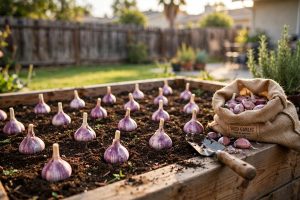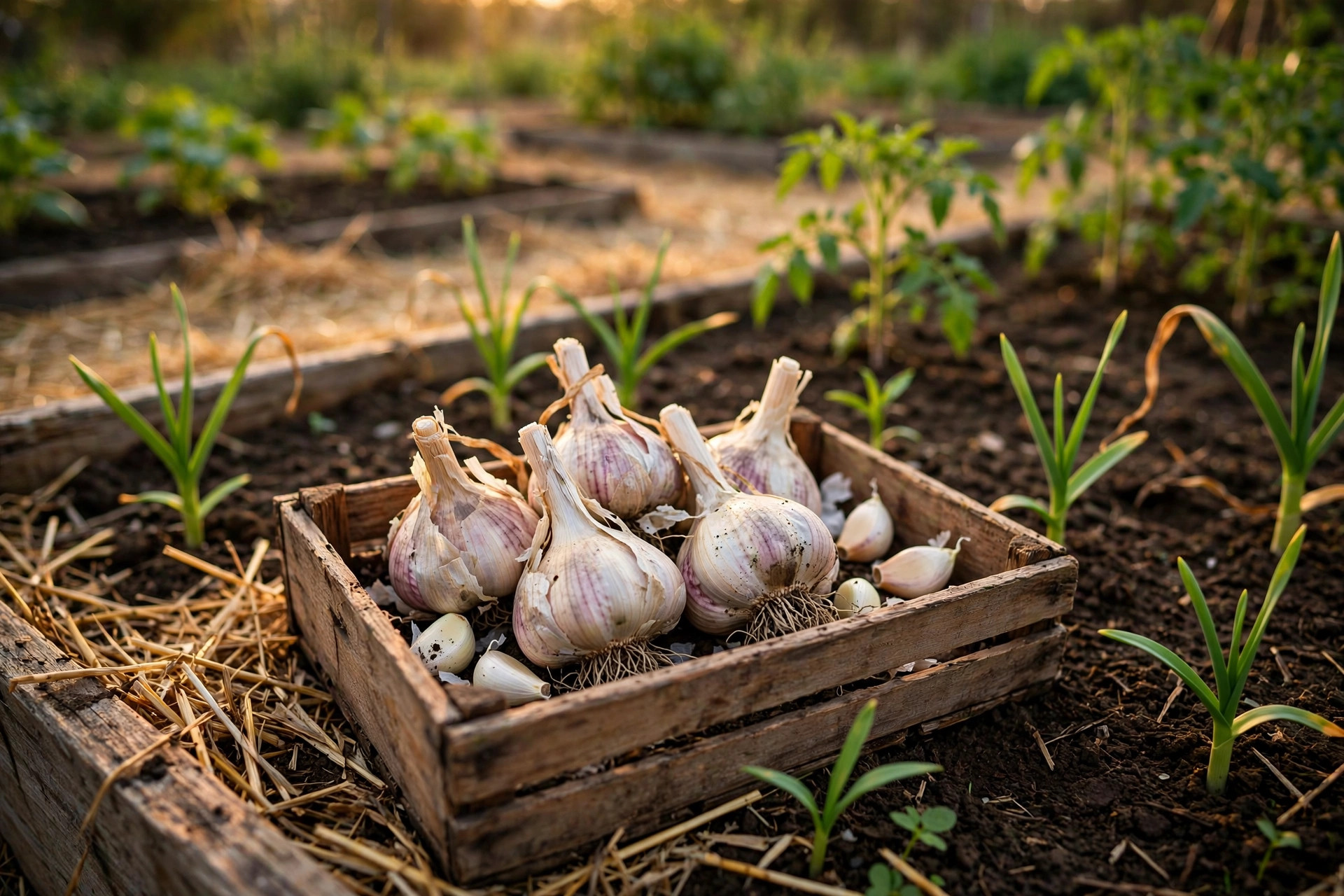

Gardeners who take up garlic bulbs planting Texas homes USA style soon learn one simple truth. Texas is not like other states. The winters are mild in the south and sharp in the north. The springs arrive early. The summers bring real heat. Garlic, however, is a patient plant. It asks for cool months to build roots and warm days to fill out its bulbs. Texas gives it both, if the grower plants at the right time. This guide explains how to choose bulbs, when to put them in the ground, and how to care for them until harvest.
Why Garlic Deserves a Place in Texas Gardens
Few crops reward small effort the way garlic does. One head of garlic bought at the store can become ten heads in the garden. The work is light. The gardener breaks a bulb into cloves, presses each clove into the soil, and waits. The plant does most of the work itself through the fall and winter. By early summer, tall green stalks turn brown at the tips. That is the signal. The grower pulls up bulbs that are fresh, strong, and full of flavor.
Home-grown garlic tastes better than most store garlic. Store garlic often comes from far away and sits in bins for weeks. Fresh garlic from the home garden has a clean, rich bite. Some varieties are sweet. Others are hot. Texas gardeners can grow both kinds. They can also save the best heads from each harvest and plant them again the next fall. Year after year, the crop adjusts to the local soil and weather.
Garlic also helps the garden itself. Many pests dislike its strong scent. Gardeners often plant it near roses, tomatoes, and fruit trees for this reason. It needs little space. A four-foot row can hold twenty or more cloves. Even a small backyard bed can grow enough garlic to last a family for months.
Choosing the Right Bulbs for Texas Homes: Garlic Bulbs Planting Texas Homes Usa
Not every garlic variety suits Texas heat. Garlic comes in two broad groups. Hardneck garlic grows a stiff flower stalk called a scape. It likes cold winters and does best in northern states. Softneck garlic has no stiff stalk. It keeps longer in storage and handles warm weather well. Most Texas gardeners get better results from softneck types. They plant in the fall and harvest in late spring or early summer, before the worst heat arrives.
What to Look for in Planting Bulbs
Good planting stock matters more than most gardeners think. The best place to start is a trusted seed supplier, not the grocery store. Grocery garlic may carry disease. It may also be a variety that does not grow well in warm states. Certified seed garlic is checked for disease and is true to its variety name. A garlic bulbs planting buying guide can help a first-time buyer compare suppliers, sizes, and prices before ordering.
When the bulbs arrive, the gardener should inspect them. Heads should feel firm and heavy. They should be dry on the outside with tight skins. Loose, light, or soft heads are a poor sign. Each bulb should break into large, plump cloves. Big cloves grow big plants. Small cloves grow small bulbs. Gardeners should plant only the largest cloves and set the small ones aside for cooking.
Buy from growers in climates like Texas when possible. Garlic raised in warm regions is already used to mild winters and long springs. Many gardeners also check variety notes on nursery sites such as Gurney’s, Burpee, and Park Seed, which list chill needs and maturity times for each type. The Old Farmer’s Almanac planting charts also show fall planting dates by region.
Softneck Favorites for the Lone Star State
Artichoke softneck types are the workhorses of Texas garlic. They produce many cloves per head and store for months after harvest. Silverskin softneck types store even longer, sometimes eight months or more. Both handle the mild Texas winter with ease. In the far north of the state, where winters run colder, gardeners can also try hardneck varieties like German Extra Hardy. The rest of the state should stick with softneck for the most reliable harvest.
Elephant garlic is another option. It is not true garlic but a type of leek. It grows huge, mild cloves that roast well. It also grows well in Texas soils. Gardeners who want something different often plant a short row of elephant garlic alongside their regular crop.
When to Plant in Texas
Timing is the heart of garlic bulbs planting Texas homes USA gardeners follow. Garlic needs a period of cold weather to form bulbs. Planting too late gives the roots no time to grow. Planting too early can cause weak growth before winter. Most of Texas should plant garlic in October or November. In the far south, planting can wait until late November or early December. In the Panhandle, early October is better.
The simple rule is this: plant when daytime highs fall into the sixties and the soil still holds warmth. The cloves send out roots in the warm soil. Then the cool winter slows the tops while the roots grow strong. When spring arrives, the plant shoots up fast and begins to form its bulb.
Gardeners in USDA zones 8 and 9, which cover much of central and south Texas, should also think about chill hours. Some garlic types need a set number of cold nights to bulb well. Softneck types bred for the South have low chill needs. Variety descriptions on sites like Monrovia and Proven Winners often note regional fit. Extension resources from the USDA National Institute of Food and Agriculture can point growers toward their local extension office for advice on varieties tested in Texas.
How to Plant: Soil, Spacing, and Depth
Garlic likes rich, loose soil that drains well. It hates wet feet. Soggy ground in winter rots the bulbs. Gardeners should pick a sunny spot and work the bed before planting. Mix in two or three inches of compost. Add a balanced organic fertilizer. If the soil is heavy clay, as much Texas soil is, build raised beds or mounds. Raised beds warm faster in spring and drain better after rain.
To plant, break each bulb into cloves the day of planting. Keep the papery skin on each clove. Press each clove into the soil pointy end up, about two inches deep. Space cloves four to six inches apart in rows twelve inches apart. A little mulch helps a great deal in Texas. Four inches of straw or shredded leaves keeps the soil cool, holds moisture, and blocks weeds. Good how-to notes appear on Gardening Know How and The Spruce, which both cover spacing and mulching in plain detail.
Water the bed well right after planting. Then water only when the soil feels dry an inch down. Winter rain in Texas often provides enough moisture. Overwatering is a common mistake. It invites rot and weak roots.
Many gardeners plant garlic next to other fall crops. Onion sets go in at much the same time and share the same bed care. Herbs, greens, and heirloom vegetable seeds for Texas homes can also fill nearby beds, so the fall garden feeds the table all winter.
Cost and Price of Seed Garlic
Seed garlic costs more than grocery garlic, but a little goes far. Prices in recent years run about ten to twenty dollars per pound for common softneck types, with rare or organic types higher. One pound of seed garlic holds roughly forty to fifty cloves, enough for a bed about ten feet long. That bed can return five to eight pounds of fresh garlic at harvest.
Gardeners can lower costs by saving their own seed. At harvest, set aside the largest, healthiest heads. Cure them well. Plant the biggest cloves in the fall. After two or three seasons, the grower has a steady supply of free planting stock that is tuned to the home garden. Many home growers find this the best deal of all.
Shipping adds to the cost of mail-order garlic. Order early in the summer for fall delivery. The best varieties sell out by September. Local nurseries and farmers markets also carry seed garlic suited to the region, often at fair prices and with no shipping wait.
Care and Upkeep Through the Season
Garlic is a low-care crop, but a few habits make the harvest bigger. In fall, after planting, keep the mulch in place and check that winter winds have not blown it away. In late winter, side-dress the rows with a nitrogen-rich fertilizer such as blood meal or a balanced organic feed. This feeds the leaf growth that later fills the bulbs.
Spring is the growing season. Keep weeds out. Weeds steal water and light from garlic, which has shallow roots. Hand weed carefully so the roots are not harmed. Water steadily through April and May. Each plant should get about an inch of water per week from rain or the hose.
Watch for the scapes on hardneck types. If any hardneck plants grow curly flower stalks, snap them off when they curl. This sends energy down into the bulb instead of the flower. The scapes are tasty in stir-fries, so nothing goes to waste.
Stop watering when the lower leaves begin to yellow, usually in late May or June in Texas. The plant is finishing its work. Extra water at this stage can cause the bulbs to split or rot in the ground. Wait until about half the leaves have turned brown, then harvest.
Harvest on a dry day. Loosen the soil with a fork and lift each plant gently. Do not pull hard or the bulbs may bruise. Lay the plants in a shaded, airy spot for two to three weeks to cure. Good air flow is key. A barn, carport, or covered patio works well. Once the necks are dry and the skins are papery, trim the roots and tops and store the bulbs in a cool, dry place. Well-cured softneck garlic keeps for six months or more.
Common Problems in Texas Garlic Beds
Texas gardeners face a few pests and troubles. The onion thrips, a tiny insect, can scar leaves. Strong water sprays and insecticidal soap keep them in check. Nematodes in sandy soils can stunt plants. Rotating the garlic bed each year helps, as does adding compost to feed helpful soil life.
White rot is the worst garlic disease. It shows as fluffy white mold at the base of the plant. There is no cure. Infected plants must be pulled and thrown in the trash, not the compost. Do not plant garlic, onions, or leeks in that spot for several years. Buying certified disease-free seed garlic is the best guard against white rot.
Texas heat itself is a factor at harvest time. If the bulbs stay in hot, wet soil too long, they break apart into loose cloves. Harvest on time. A soil thermometer and a watchful eye on the leaves are the grower’s best tools.
Safety Notes for Home Gardeners
Garlic is safe to grow and eat, but a few points deserve care. Wear gloves when working with blood meal and other fertilizers. Wash hands after handling them. Keep fertilizers and pest sprays away from children and pets. Read every product label before use and follow the rate given.
Do not eat garlic that shows signs of rot or mold in storage. Trim away any soft spots. When in doubt, throw it out. Botulism risk from garlic stored in oil at room temperature is real. Only use tested recipes for garlic in oil, and keep such products in the refrigerator. These are simple habits, but they keep the harvest safe.
Frequently Asked Questions
Can garlic grow in south Texas heat?
Yes. Softneck garlic grows well in south Texas. Plant in late November or early December. Harvest in May or June, before the worst summer heat. Choose low-chill varieties and mulch well.
Should I plant grocery store garlic?
It is better not to. Grocery garlic may carry disease. It may also be a variety that needs more cold than Texas gives. Certified seed garlic from a nursery costs more but gives a far more certain crop.
How deep should garlic cloves be planted?
Plant each clove about two inches deep, pointy end up. In sandy soils, three inches is fine. Deeper planting protects cloves from cold snaps in north Texas.
When is garlic ready to harvest in Texas?
Most Texas garlic is ready in late May or June. Watch the leaves. When half of them have turned brown but half are still green, dig a test bulb. If the head is full with tight skins, harvest the bed.
Can garlic grow in pots or containers?
Yes. Use a pot at least twelve inches deep with drainage holes. Fill it with rich potting mix. Plant cloves two inches deep and six inches apart. Water when the top inch of mix is dry. Containers suit small patios and balconies well.
How do I store garlic after harvest?
Cure the bulbs for two to three weeks in a shaded, airy spot. Then trim roots and tops. Store in mesh bags or braids in a cool, dry place with good air flow. Do not store garlic in the refrigerator, which can cause sprouting.
A Final Word
Garlic bulbs planting Texas homes USA gardeners practice is one of the easiest wins in the home garden. The work fits into a single fall weekend. The care through winter and spring is light. The reward arrives in early summer: braids of fresh garlic with flavor no store can match. Start with good seed, plant on time, mulch well, and harvest when the leaves tell you. The Texas garden will do the rest.
References
Burpee. (n.d.). Seeds, plants, and gardening supplies. https://www.burpee.com Gardening Know How. (n.d.). Gardening guides and plant care. https://www.gardeningknowhow.com Gurney’s Seed & Nursery Co. (n.d.). Seeds, plants, and garden supplies. https://www.gurneys.com Monrovia. (n.d.). Plants for home gardens. https://www.monrovia.com National Institute of Food and Agriculture. (n.d.). Agricultural research and extension. https://www.nifa.usda.gov Park Seed. (n.d.). Seeds, plants, and gardening supplies. https://www.parkseed.com Proven Winners. (n.d.). Plants and gardening inspiration. https://www.provenwinners.com The Old Farmer’s Almanac. (n.d.). Gardening calendars and advice. https://www.almanac.com The Spruce. (n.d.). Home and garden advice. https://www.thespruce.com
Was this guide helpful?

About Lisa Anderson
The My Garden US editorial team writes practical, in-depth home and garden guides for American homeowners — tested advice, no fluff.
You May Also Like
How to Grow Bell Peppers: USA Gardener’s Guide
October 6, 2026 1 views
Wildflower Seed Mixes American Homes Guide: Planting Wild Beauty Around Your House
June 24, 2026 0 views
Garlic Bulbs Planting Florida Homes USA: A Complete Grower’s Guide
September 11, 2026 0 views