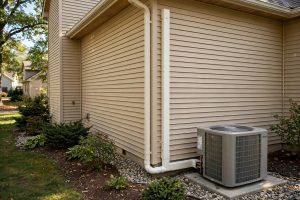

Winter in the Northeast asks a lot of a heating system. From the coast of Maine to the hills of Pennsylvania, the cold season stretches long, and temperatures below freezing can hold for weeks. For decades, oil boilers and gas furnaces did this work. Now more homeowners are looking at the best heat pump for northeast winters USA, because modern cold-climate designs keep producing heat in weather that shut down older models. A heat pump draws heat from the outside air and moves it indoors. In summer it reverses and cools the home. One machine does both jobs. But not every model stands up to a January night in Vermont. This guide covers what to look for, which designs handle deep cold, what the job costs, and how to keep the unit in good shape.
Why It Matters
Heat is one of the largest costs a Northeast household faces. Oil prices rise and fall, and propane delivery runs dear in rural towns. A well-chosen heat pump can cut fuel use and trim monthly bills. Electricity often costs less per unit of heat than oil, and in some states it is cheaper than natural gas too. The gain comes from the way the machine works. A furnace makes heat by burning fuel. A heat pump moves heat from one place to another, and moving heat takes less energy than making it. Even on a cold day, the outside air holds heat. The machine gathers it and sends it inside.
There is also the matter of comfort. A heat pump delivers warm air in a steady stream rather than in hot bursts. Rooms stay even. In July the same unit cools, which matters as Northeast summers grow warmer. Many homeowners with aging window units find that a heat pump solves the summer problem at the same time.
Home value is another point. Buyers now ask about heating costs. A modern system with low bills makes a home more attractive at sale time. Local and federal programs also help. Rebates and tax credits cut the up-front cost of a good unit, and Energy.gov posts guidance on the credits still open to homeowners. When bills fall, the machine pays for its own keep year after year.
Adoption is rising fast across the region. Vermont and Massachusetts now count heat pumps among the most common upgrades in older homes, and contractors in Maine report steady demand through each heating season. Cold winters once kept buyers away. The new cold-climate designs changed that story, and neighbors who made the switch tell the rest of the street what they learned.
What to Look for When You Choose: Best Heat Pump for Northeast Winters Usa
Choosing the best heat pump for northeast winters USA starts with cold-weather performance, not brand name. Here is what to check.
Low-Temperature Heating Capacity
Ask how much heat the unit still makes at five degrees and at minus five. Standard heat pumps lose strength as the air gets colder. Cold-climate models hold their rated output far lower, some down to minus fifteen or below. The specification sheet should show capacity at several outdoor temperatures. Compare those numbers, not the headline rating.
HSPF2 and SEER2 Ratings
HSPF2 measures heating efficiency across a season. SEER2 measures cooling. Higher numbers mean lower running costs. In the Northeast, the heating number matters most. Look for a cold-climate air-source model with a strong HSPF2, and check whether it is ENERGY STAR certified for cold climates, which sets a separate bar for low-temperature operation.
Inverter Technology
Older units ran at full speed or not at all. Inverter-driven compressors slow down and speed up as needed. This saves energy and holds room temperature steady. Nearly every model built for cold climates now uses this design.
Right Sizing
A unit too small strains on the coldest nights. A unit too large cycles on and off and wastes energy. A proper load calculation for your home, room by room, sets the right size. Ask the contractor for the written result. Rules of thumb based on square footage alone are not enough.
Ducted or Ductless
If your home has sound ducts, a central cold-climate heat pump fits in place. Many older Northeast homes use baseboard heat or radiators and have no ducts. Ductless mini-split heads on the wall serve those rooms well and avoid the cost of new ductwork.
Types and Options
Cold-Climate Air-Source Heat Pumps
This is the most common pick for the region. These units use improved compressors and larger coils to pull heat from bitter air. Makers such as Carrier, Trane, Lennox, Rheem, and Goodman all sell cold-climate lines, and several build units that heat well below zero. If you want to compare brands head to head, browse our cold climate heat pump reviews before you call a contractor.
Dual-Fuel Heat Pump Systems
A dual-fuel setup pairs a heat pump with a gas or oil furnace. The heat pump does the work down to a set temperature, often around twenty-five or thirty degrees. Below that, the furnace takes over. This approach suits homes that already have a working furnace, and it keeps fuel use low in the shoulder seasons. See our dual fuel heat pump system reviews for more detail on how the switchover is set.
Geothermal Heat Pumps
A geothermal system draws heat from the ground, where the temperature stays near fifty degrees all year. Cold air cannot touch it. It is the most efficient choice and the most expensive to install, since it needs buried loops or wells. Well-suited lots in rural New York and New England often qualify. Up-front cost runs high, but running costs are the lowest of any heating method.
Cost and Price
A central cold-climate heat pump for a typical Northeast home usually runs between twelve thousand and twenty-five thousand dollars installed. Ductless systems with several heads land in a similar range, sometimes higher. Geothermal work starts near twenty-five thousand and can reach forty thousand or more.
Price moves with the size of the home, the state of the ducts, electrical panel upgrades, and local labor rates. Rebates change the math. Federal tax credits and state programs in Massachusetts, New York, and Connecticut can take thousands off the bill. For a closer look at the numbers, read our heat pump vs furnace cost comparison.
Running costs depend on electricity rates, which vary across the region. In most cases the monthly bill for a heat pump runs below oil and often below propane. Natural gas is cheaper per unit of heat in some cities, but the heat pump makes up ground because it uses far less energy to move heat than the furnace uses to make it.
Get three written quotes before you sign. Prices for the same job can differ by thousands between contractors, and the low bid is not always the best one. Each quote should list the exact model number, the rated capacity at five degrees, and the warranty terms in plain language. State programs such as Mass Save in Massachusetts and the rebates offered through New York utilities add another layer of savings, but paperwork takes time, so start early in the season.
Care and Upkeep
A heat pump needs steady care, and the work is simple. Clean or change the indoor filters every one to three months during the heating season. Dust blocks airflow and forces the machine to work harder.
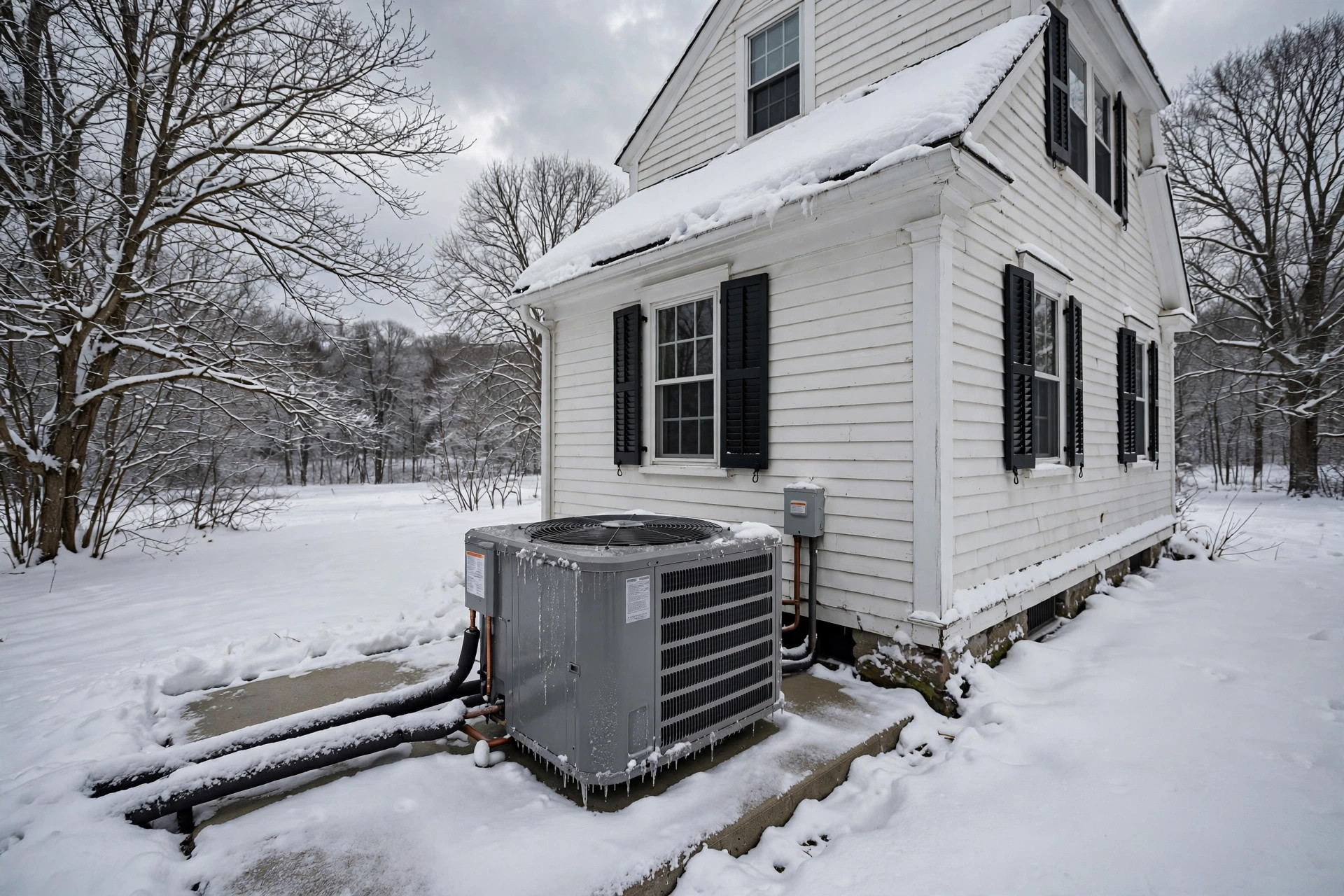
Keep the outdoor unit clear of snow and ice. Leave two feet of open space on all sides. After a storm, brush snow off the top and sides by hand. Never pour hot water on an iced coil; the swing in temperature can crack parts.
Trim bushes and grass back from the unit. In fall, clear leaves that gather around the base. Once a year, call a technician for a full check: refrigerant levels, electrical connections, coil cleaning, and the defrost cycle. A yearly visit catches small faults before they grow. Family Handyman and This Old House both publish seasonal maintenance checklists worth keeping by the furnace room door.
Learn how the defrost cycle sounds. In freezing weather the outdoor coil grows frost, and the unit briefly reverses to melt it. Steam may rise from the fan. This is normal and lasts a few minutes. If the cycle runs every few minutes or the unit never leaves defrost, call for service, since a bad sensor or low refrigerant is often the cause.
Set the thermostat to a steady temperature. Heat pumps work best holding a level heat, not jumping up and down through the day. A smart thermostat made for heat pumps avoids the costly backup heat kicking on during recovery.
Safety
Heat pumps are among the safest heating machines in a home. They burn no fuel indoors, so there is no flame and no carbon monoxide from the unit itself. Dual-fuel homes keep the old furnace, so carbon monoxide detectors stay a must near sleeping rooms.
Electrical work needs a licensed hand. The outdoor unit draws real power, and a panel upgrade often comes with the job. Do not run the unit with the service panel open or with wires exposed.
In winter storms, check that the outdoor fan spins free. Ice can lock the blades. Turn the power off before you clear ice by hand. Keep children and pets away from the running unit. If you smell burning or hear grinding, shut the unit down at the breaker and call for service.
Frequently Asked Questions
Do heat pumps really work below zero?
Yes, if the model is built for cold climates. Standard units weaken in the teens. Cold-climate models hold strong output down to minus ten or minus fifteen, though they use more electricity at the extreme. In the far north, some homes keep a small backup heater for the worst nights.
Will a heat pump replace my oil boiler?
It can, in many homes. Ducted units tie into existing ducts. Ductless heads serve homes with baseboard or radiators. A contractor should review insulation and windows first, since a drafty house asks too much of any heater.
How long does a heat pump last?
Most units last fifteen to twenty years. The outdoor unit wears first, facing weather year round. Yearly service and clean filters stretch the life. Compressors carry long warranties on better models, often ten years or more.
Does a heat pump cool in summer?
Yes. The same machine that heats in winter cools in summer by running the cycle in reverse. In the Northeast this replaces window units and stops summer drafts in one step. Cooling adds little to the electric bill compared with old window boxes.
What does installation take?
A straight swap with good ducts takes one to three days. Ductless jobs with several heads take three to five days. Geothermal loops need weeks, with drilling or trenching in the yard. Winter installs are common and safe; the unit can heat the home the day it is done.
Can a heat pump handle an old, drafty house?
Yes, but sealing the leaks comes first. Add insulation, weather-strip doors, and caulk gaps around windows before you size the unit. A tight house needs a smaller machine, which costs less to buy and less to run.
A Short Final Word
The best heat pump for northeast winters USA is not the cheapest box on the lot. It is the cold-climate model sized right for your home, set up by a contractor who knows low-temperature work, and kept clear of snow each winter. Take time with the specification sheets. Ask for the capacity numbers at five below. Check the rebates in your state. A good unit pays back in lower bills and steady comfort for twenty years, through every January the region can bring.
References
Carrier. (n.d.). Heating and cooling systems. https://www.carrier.com ENERGY STAR. (n.d.). Energy efficient products. https://www.energystar.gov Family Handyman. (n.d.). DIY home repair and maintenance. https://www.familyhandyman.com Goodman. (n.d.). Heating and cooling equipment. https://www.goodmanmfg.com Lennox. (n.d.). Heating and cooling systems. https://www.lennox.com Rheem. (n.d.). Heating, cooling, and water heating. https://www.rheem.com This Old House. (n.d.). Home renovation guidance. https://www.thisoldhouse.com Trane. (n.d.). Heating and air conditioning. https://www.trane.com U.S. Department of Energy. (n.d.). Energy efficiency and renewable energy. https://www.energy.gov
Was this guide helpful?

About Robert Taylor
The My Garden US editorial team writes practical, in-depth home and garden guides for American homeowners — tested advice, no fluff.
You May Also Like
Ventless vs Vented Gas Fireplace Comparison: Which One Fits Your Home
August 25, 2026 0 views
Best Fire Pit for Backyard Reviews USA: A Plain Guide
August 9, 2026 0 views
Mini Split vs Central AC Cost Comparison USA: What Each System Really Costs
July 9, 2026 0 views