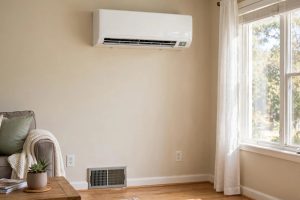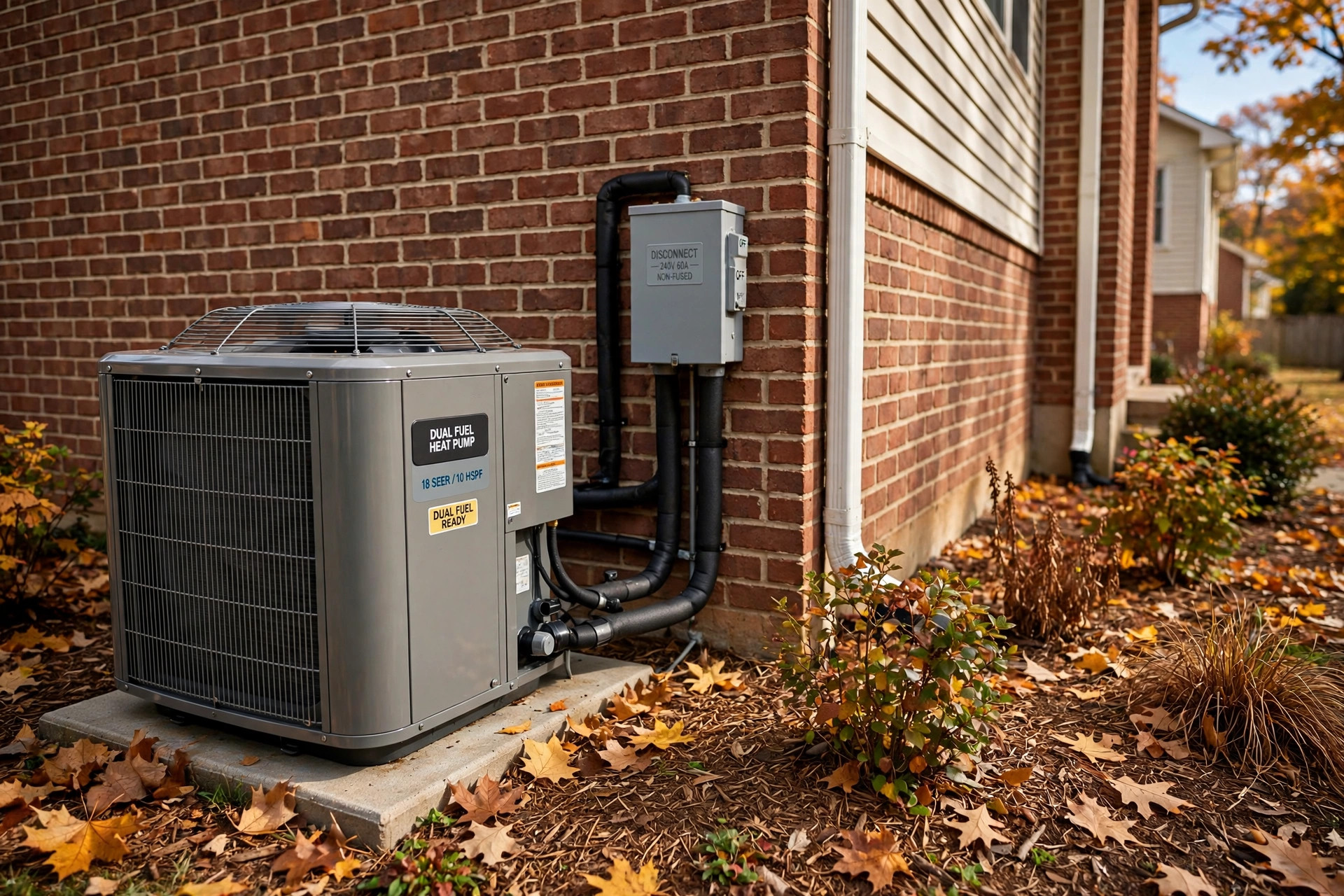

A dual fuel heat pump system reviews usa guide helps many homeowners make a smart choice. Heating a home in winter costs a lot of money. Most families want comfort without high bills. This article looks at dual fuel heat pump systems in plain words. It covers how they work. It covers what buyers like and dislike. It covers costs, brands, care, and safety. By the end, you will know if this kind of system fits your home.
Why It Matters
Winter heating bills can take a large part of a family budget. Many homes use a furnace alone. A furnace burns gas or oil to make heat. That works well in deep cold. But it can be costly in mild weather. A heat pump alone moves heat from the air instead of making it. That saves money in mild weather. But a heat pump can struggle when the cold gets harsh. A dual fuel heat pump system uses both. It uses the heat pump when the weather is mild. It switches to the gas furnace when the weather turns bitter. This mix gives the best of both sides.
Reviews from American homeowners often praise the lower bills. Many report savings of twenty to forty percent over a full winter. The comfort stays steady. The furnace takes over on the coldest nights. That means no cold rooms and no worries. For families in the Midwest and the Northeast, this balance matters a great deal.
What Is a Dual Fuel Heat Pump System: Dual Fuel Heat Pump System Reviews Usa
A dual fuel heat pump system is also called a hybrid heat system. It has two heat sources. The first is an electric heat pump. The second is a gas furnace. A small control, called a changeover control, picks which source runs. The control watches the outdoor temperature. When it is mild, the heat pump runs. The heat pump is cheap to run. When the cold drops below a set point, the furnace starts. The furnace gives strong heat in deep cold.
The set point is often called the balance point. A heating contractor sets it. It may be thirty five degrees. It may be forty degrees. The right point depends on fuel prices in your area. It also depends on how well your home holds heat. A good contractor will test and adjust it.
What to Look for When You Choose
Reading dual fuel heat pump system reviews usa pages is only the first step. You must match the system to your home. Here are the main points to check.
Size
The system must fit your home. A unit that is too small will run all the time. A unit that is too large will cost too much to buy. Ask a contractor to do a load test. This test looks at your home size, windows, and walls. It takes about an hour. It is worth the time.
Heat Pump Rating
Heat pumps have a rating called HSPF2. A higher number means better heating skill. Look for a rating of at least eight. Many new units reach nine or ten. The cooling side has a rating called SEER2. A higher SEER2 means cheaper summer cooling.
Furnace Rating
The furnace has a rating called AFUE. This shows how much fuel turns into heat. A rating of eighty is standard. A rating of ninety or more is high skill. A dual fuel pair often uses a ninety-plus furnace.
Controls
The thermostat must handle the switch between heat pump and furnace. Many new systems come with a smart control. The control learns when to switch. It keeps bills low and comfort high.
Brand Reputation
Stick with known brands. Check warranty terms. Most good brands offer ten years on parts. Read the cold climate heat pump reviews and note which brands owners praise most.
Types and Options
Dual fuel systems come in a few forms. Each fits a different home.
Split System With Gas Furnace
This is the most common form. The heat pump sits outside. The furnace sits in a basement or closet. It suits homes with ducts already in place. It is the setup most dual fuel heat pump system reviews usa pages describe.
Packaged Dual Fuel Unit
Both parts live in one box outside. It suits homes with little indoor space. Mobile homes and small homes often use this type. It costs more to buy but saves space inside.
Heat Pump With Propane Furnace
Some homes lack natural gas lines. They can still use dual fuel. A propane furnace pairs with the heat pump. Propane costs more than natural gas. The balance point is set higher. Still, the savings over oil heat can be large.
Cold Climate Heat Pump Pairings
New cold climate heat pumps work in lower cold than old units. They can stay on the heat pump down to twenty degrees or less. This cuts gas use even more. Ask your contractor if a cold climate model fits your area. For more detail on these units, see cold climate heat pump reviews.
How the Switch Works
The heart of the system is the changeover. It is simple in use. You set the thermostat as normal. The control does the rest. On a mild autumn day, only the heat pump runs. Air feels warm but not hot. On a January night, the furnace runs. Air from the vents feels hotter.
Some owners worry the switch feels rough. In good systems, it does not. The blower keeps moving air the whole time. You may hear the outdoor unit stop and the furnace start. That is normal. If the switch causes short starts and stops, the set point needs a change. Call your contractor.
Cost and Price
Cost is the top question in most dual fuel heat pump system reviews usa write-ups. Prices vary by state and home size. Here are typical ranges for a full install in a mid-size home.
A dual fuel heat pump system often costs between nine thousand and fifteen thousand dollars installed. That is more than a furnace alone. A furnace alone may cost four thousand to eight thousand dollars. A heat pump alone may cost eight thousand to twelve thousand dollars. The dual fuel system costs more up front. It saves money each winter.
The savings depend on gas and power prices where you live. In areas with cheap power, savings are high. In areas with cheap gas, savings are smaller. A good rule: the system pays for itself in six to ten years. Many units last fifteen to twenty years.
Tax credits can help. Federal credits for heat pumps have changed over the years. Check the rules for the current year. State programs may add more help. Your contractor or a state energy office can tell you what applies now. For a fair cost picture, read a heat pump versus furnace cost comparison before you sign a quote.
Get three quotes. Make sure each quote lists the same work. Ask if the price includes new lines, pad, and permits. Ask about the warranty. A low price with weak parts is no deal.
Care and Upkeep
A dual fuel system needs the same care as any heating system. Small tasks keep it running well.
Filters
Change the air filter every one to three months. A dirty filter chokes air flow. That raises bills and wears parts. Mark the date on the filter so you know when you changed it.
Outdoor Unit
Keep leaves and snow away from the heat pump. Give it two feet of clear space on all sides. Hose off dust in spring. Do not stack firewood against it.
Annual Service
Have a contractor service the system once a year. Fall is the best time. The tech will clean coils. The tech will check the gas burner. The tech will test the changeover point. A yearly visit costs about one hundred fifty to three hundred dollars. It prevents larger bills later. You can find heat pump installation cost and service pricing in our related guides.
Watch the Defrost Cycle
Heat pumps freeze up in cold damp air. They run a defrost cycle to melt the ice. Steam may rise from the unit. That is normal. If ice builds up thick and stays, call for service.
Safety
Safety matters with any gas system. Take these steps.
First, have the gas line installed by a licensed pro. Never try to run gas pipe yourself. A small leak can cause a fire. The contractor will test the line with pressure gauges.
Second, place a carbon monoxide alarm near the furnace and in sleeping areas. Test the alarms twice a year. Change the batteries each fall. Carbon monoxide has no smell. An alarm is your guard.
Third, keep the area around the furnace clear. Do not store paint, boxes, or cleaning fluids near it. The furnace needs clean air to burn safely.
Fourth, know the smell of added gas odor. Gas firms add a rotten egg smell to the gas. If you smell it, leave the house. Call the gas firm from outside. Do not flip switches or light matches.
The U.S. Consumer Product Safety Commission posts safety tips for home heating on its site at U.S. Consumer Product Safety Commission. It is wise to read them.
What Homeowners Say in Reviews
Patterns appear across many dual fuel heat pump system reviews usa posts. Here are the most common points.
Owners like the lower winter bills. Many say the first winter paid for part of the extra cost. Owners like the even comfort. Rooms feel the same warmth through the house. Owners like the cool air in summer. The heat pump doubles as an air conditioner. That is one less unit to buy.
Owners dislike the higher upfront cost. Some say the payback took longer than the quote promised. A few note noise from the outdoor unit. Placing the unit away from bedrooms helps. Some report that cheap thermostats switched too often. A good dual fuel thermostat fixes that.
Contractor quality matters more than brand in many reviews. A great unit with poor install runs badly. A fair unit with a great install runs well. Pick the contractor with care. Check licenses. Read local reviews. Ask for past job photos.
For brand background, maker sites such as Trane and Www.lennox.com show current dual fuel lines and specs. The Department of Energy posts plain facts on heat pumps at U.S. Department of Energy. Energy Star lists high skill models at ENERGY STAR. Other maker pages worth a look include Www.carrier.com, Www.goodmanmfg.com, Www.rheem.com, and Daikin. How-to and repair guides appear at Www.thisoldhouse.com and Www.familyhandyman.com.
Frequently Asked Questions
How does a dual fuel heat pump system work?
It pairs an electric heat pump with a gas furnace. A control picks the cheaper source based on outdoor cold. The heat pump runs in mild weather. The furnace runs in deep cold.
Is a dual fuel heat pump worth the extra cost?
For many homes it is. The added cost over a furnace alone is a few thousand dollars. Winter savings of twenty to forty percent can pay it back in six to ten years. The math is best where power is cheap and winters are long.
What temperature does a dual fuel system switch from heat pump to gas?
The changeover point is set by the contractor. It is often between thirty and forty degrees. Homes with cheap gas may switch at forty. Homes with cheap power may switch at thirty. The control can be tuned after install.
Can I add a heat pump to my current gas furnace?
Yes, in many cases. If your furnace is in good shape, a contractor can add a matching heat pump coil and outdoor unit. The furnace must be set up for dual fuel control. Ask a pro to check the match.
How long does a dual fuel heat pump system last?
The heat pump often lasts twelve to fifteen years. The furnace often lasts fifteen to twenty years. Yearly service adds years to both. A clean filter and a clear outdoor unit help a great deal.
Does a dual fuel system work in very cold states?
Yes. The gas furnace covers the deep cold. In states like Minnesota and Maine, the furnace runs most of January. The heat pump still saves money in fall and spring. Cold climate heat pump models stretch the savings further.
A Short Final Word
A dual fuel heat pump system is a smart pick for homes with gas lines and real winters. It trims bills in mild weather. It keeps you warm in harsh cold. The upfront cost is higher than a furnace alone. But the long run savings are real. Read dual fuel heat pump system reviews usa posts with care. Get three quotes. Pick a skilled contractor. Set the balance point right. Do the yearly service. With those steps, this system can serve your home well for many years.
References
Carrier. (n.d.). Heating and cooling systems. https://www.carrier.com Daikin. (n.d.). Heating and cooling solutions. https://www.daikin.com ENERGY STAR. (n.d.). Energy efficient products. https://www.energystar.gov Family Handyman. (n.d.). DIY home repair and maintenance. https://www.familyhandyman.com Goodman. (n.d.). Heating and cooling equipment. https://www.goodmanmfg.com Lennox. (n.d.). Heating and cooling systems. https://www.lennox.com Rheem. (n.d.). Heating, cooling, and water heating. https://www.rheem.com This Old House. (n.d.). Home renovation guidance. https://www.thisoldhouse.com Trane. (n.d.). Heating and air conditioning. https://www.trane.com U.S. Consumer Product Safety Commission. (n.d.). Product safety information. https://www.cpsc.gov U.S. Department of Energy. (n.d.). Energy efficiency and renewable energy. https://www.energy.gov Www. (n.d.). Home and garden information. https://www
Was this guide helpful?

About Lisa Anderson
The My Garden US editorial team writes practical, in-depth home and garden guides for American homeowners — tested advice, no fluff.
You May Also Like
Bypass vs Fan Powered Humidifier Comparison: A Practical Guide
February 28, 2026 0 views
Geothermal Heating Pros and Cons USA Homeowners Should Know
August 23, 2026 0 views
Electric Fireplace Insert Reviews 2026 USA: A Plain Buyer’s Guide
January 24, 2026 0 views