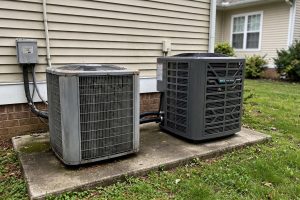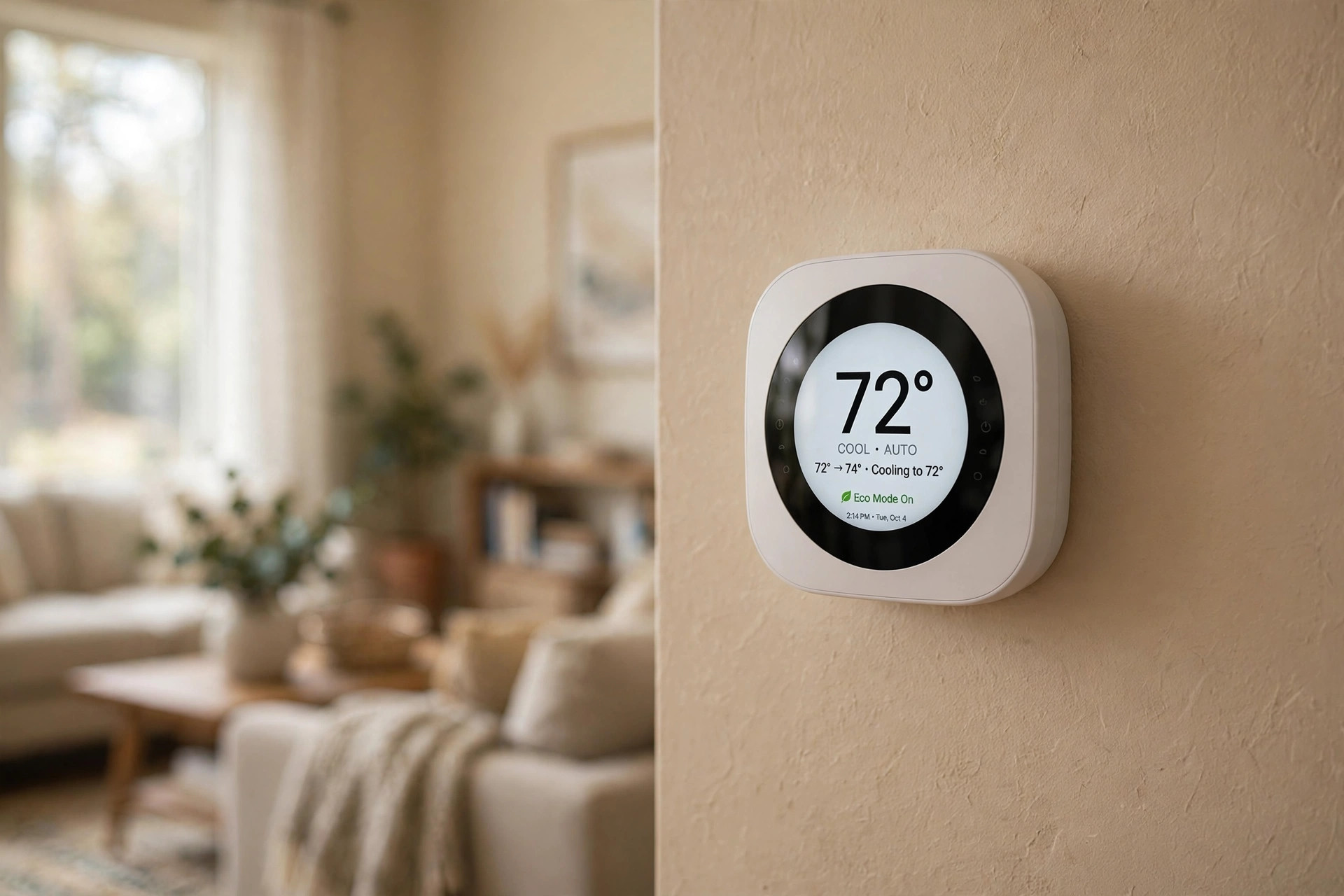

The best thermostat for heat pump reviews usa can be hard to sort through. New brands arrive each year. Old names add new models. The claims all sound the same. This guide cuts through the noise. It explains what a heat pump needs from a thermostat. It shows which features matter and which ones are only sales talk. It helps you pick a model that fits your system and your budget.
A heat pump is not a furnace. It moves heat instead of making heat. That difference changes everything about the thermostat. The wrong control can waste power. It can wear out the outdoor unit. It can call for backup heat when none is needed. The right control keeps the home steady and the bills low.
Why the Thermostat Matters for a Heat Pump
A thermostat is the brain of a heating and cooling system. On a heat pump, it has extra work to do. It must handle heating and cooling from the same unit. It must decide when to start the compressor. It must also manage the backup heat, which is often electric strips or a gas furnace in a dual fuel heat pump system.
Backup heat costs far more to run than the heat pump itself. A good thermostat brings on the backup heat only when it is truly needed. A poor one calls for it too soon. That mistake can add hundreds of dollars to a winter bill.
The thermostat also runs the defrost cycle and the reversing valve. Heat pumps freeze up in cold weather. The system must melt ice off the outdoor coil. The control logic handles the timing. Makers such as Carrier and Lennox design their equipment around specific control logic. A thermostat that understands heat pumps works with this logic instead of fighting it.
Homeowners in cold states feel this the most. Reviews of cold climate heat pump reviews often mention short cycling and high bills. The cause is often the thermostat, not the pump. A control that lacks proper staging will run the pump hard and shut it off fast. The room swings hot and cold. The right model smooths those swings.
What to Look for in a Heat Pump Thermostat: Best Thermostat for Heat Pump Reviews Usa
Not every thermostat works with a heat pump. This is the first and most important point. A basic thermostat made only for a gas furnace can damage a heat pump system. Always check the box or the spec sheet for heat pump support.
Staging and Aux Heat Control
Look for a thermostat that supports multi-stage heating. Heat pumps often run in two stages. The thermostat should stage the heat up slowly. It should hold off the auxiliary heat until the heat pump cannot keep up. Some models let you set the temperature gap before aux heat kicks in. A wider gap saves money. A narrow gap keeps rooms warmer faster. Pick one that lets you choose.
Smart Features That Save Money
Programmable schedules matter. Setback temperatures matter. The U.S. Department of Energy has long said that turning the thermostat back when you sleep or leave can cut heating bills. But heat pumps need gentle setbacks. A deep overnight setback forces the pump to recover in the morning. It may call on costly backup heat to catch up. Smart thermostats made for heat pumps handle this. They learn the recovery time. They start the pump early instead of firing the backup heat.
Room sensors are another useful feature. They measure temperature in the bedroom or the living room, not just the hall where the thermostat hangs. This evens out comfort across the house.
Wiring Compatibility
Heat pumps use more wires than simple furnaces. A common wire, often called the C wire, gives the thermostat steady power. Many smart models need it. Check your wall before you buy. Guides from This Old House and the Family Handyman walk through how to open the thermostat and count the wires. If you lack a C wire, some models include a power extender kit. Others run on batteries. Pick the model that fits your wires.
Ease of Use
A thermostat should be easy to read and easy to set. Large numbers help. A clear screen helps. Older family members should be able to use it without a manual. Many top-rated models have simple dial or touch controls. Reviews on Consumer Reports often grade ease of use. That grade matters as much as the feature list.
Types of Thermostats for Heat Pumps
Four main types appear in American stores. Each has a place.
Non-Programmable Digital
This is the simplest option. You set the temperature by hand. It holds that setting until you change it. These models cost the least. They work well in homes where someone is home all day. They lack schedules and remote control. For a heat pump, choose only a model rated for heat pump use with aux heat control.
Programmable
Programmable models run a schedule. You set different temperatures for morning, day, evening, and night. This type has been around for decades. It saves money if you program it well. The risk with heat pumps is the morning recovery spike. Set the morning step no more than two or three degrees above the night setting. That keeps the backup heat off.
Smart Learning
Smart thermostats learn your habits. They adjust the schedule on their own. They can be run from a phone app. Many track energy use and send monthly reports. Models from makers such as ecobee are built with heat pump logic in mind. They manage staging and aux heat with care. These are the models that most often top the best thermostat for heat pump reviews usa lists.
Line-Voltage and Specialty Controls
Homes with baseboard heaters or some mini-split systems need special controls. Standard 24-volt thermostats do not fit. If your home uses ductless heads, check the maker of the indoor unit. Many ductless systems use their own remote or a brand-specific wall control. Do not buy a standard smart thermostat for these systems without checking fit first.
Cost and Price Ranges
Prices in the United States fall into clear bands.
Budget digital models cost about 30 to 60 dollars. They handle basic heat pump staging. They have no Wi-Fi and no app.
Mid-range programmable models cost about 60 to 120 dollars. They add schedules and sometimes basic aux heat settings.
Smart thermostats cost about 130 to 250 dollars. This is where the top-reviewed heat pump models sit. They include Wi-Fi, apps, room sensors, and learning schedules.
Professional installation adds 100 to 200 dollars if you hire a technician. Many homeowners install the thermostat themselves in under an hour. The job needs a screwdriver and care with the wires. Always turn off power at the breaker first. If the wiring looks odd or the labels are missing, call a pro.
Utility rebates can lower the cost. Many power companies offer 50 to 100 dollars back on smart thermostats. Check your utility bill insert or website. ENERGY STAR guidance on programmable thermostats also lists certified models that meet efficiency rules. Buying a certified model can unlock extra rebates in some states.
Care and Upkeep
A thermostat needs little care. A few simple habits keep it working well.
Keep it clean. Dust on the sensor can throw off readings. Wipe the face with a dry cloth once or twice a year. Do not spray cleaner into the vents.
Check the batteries if your model uses them. Low batteries cause blank screens and lost settings. Change them once a year, even if they still work.
Review the schedule twice a year. Seasons change. Your routine changes. A schedule set for winter wastes money in spring. Walk through the program when the clocks change.
Keep the thermostat away from heat sources. A lamp, a television, or a sunny window near the unit will fool the sensor. The system will short cycle. If a thermostat sits in a bad spot, moving it a few feet can fix comfort problems across the whole house.
Update the software on smart models. Makers push updates that improve heat pump logic. An old firmware version may lack a feature you paid for. Most apps update on their own, but check once in a while.
Safety
Thermostat work is low-voltage work, but it still needs care.
Turn off the power at the breaker before you touch any wires. The furnace and the air handler may sit on different breakers. Turn off both. Test with a voltage pen if you have one.
Label every wire before you remove the old thermostat. Take a photo with your phone. Tape small labels to each wire. The common wire colors are red for power, yellow for cooling, green for the fan, white for heat, and orange or dark blue for the reversing valve. Colors can vary in older homes. Trust the labels, not the colors.
Never jump wires to test the system unless you know the wiring diagram. A wrong jump can blow a fuse on the control board. That turns a 20-minute job into a service call.
If your home has a best heat pump for northeast winters with a gas furnace backup, the wiring is more complex. A dual fuel setup needs a control that can switch fuels at the right outdoor temperature. This is a job many homeowners hand to a licensed technician. The extra cost buys peace of mind.
Keep small children from playing with the thermostat. Repeated button pressing can change schedules and lock out settings. Many smart models have a lock code feature. Use it if the thermostat sits in a hallway the kids pass each day.
FAQ
Can I use any smart thermostat with my heat pump?
No. Some smart models lack proper aux heat control. Others do not support the reversing valve. Always check the spec sheet for heat pump support. The best thermostat for heat pump reviews usa almost always notes staging and aux heat features in the first paragraph.
What is the best temperature setting for a heat pump in winter?
Most guides suggest 68 degrees when you are home and awake. Set it a few degrees lower when you sleep or leave. Avoid deep setbacks of more than three or four degrees. Deep setbacks force a hard morning recovery that can trigger costly backup heat.
Why does my heat pump blow cold air sometimes?
This is often normal. In cold weather the outdoor coil ices up. The system enters defrost mode. It briefly reverses to melt the ice. You may feel cool air from the vents for a few minutes. The backup heat should temper it. If the cold air lasts long, the thermostat or the defrost control may need service.
Do I need a C wire for a smart thermostat?
Most smart models need one. The C wire gives steady power for the Wi-Fi radio and the screen. Some models ship with an adapter kit for homes that lack the wire. Check the wall wiring before you order. The Spruce publishes thermostat guides with clear wiring photos.
How long does a thermostat last?
A good digital or smart thermostat lasts 10 years or more. The screen may dim with age. The battery contacts can corrode. Heat pump control boards in the outdoor unit, made by firms such as Rheem and Goodman, often outlast the wall control. Replace the thermostat when the display fails or when new features would cut your bills.
Will a smart thermostat really lower my bills?
It can, if you use the features. Schedules, setbacks, and room sensors do the work. A smart thermostat left on a fixed hold saves little. Program the schedule. Let the learning features run. Check the monthly energy report in the app. Small changes add up over a heating season.
A Short Final Word
The best thermostat is the one that fits your heat pump, your wiring, and your habits. Read the best thermostat for heat pump reviews usa with a critical eye. Look past the star counts. Check for heat pump staging, aux heat control, and a C wire fit. Spend a little more for a smart model if your utility offers a rebate. Install it with care, or hire a pro for complex wiring. Then set the schedule and let the system do the work. A well-chosen thermostat keeps the house steady, the pump healthy, and the winter bills under control.
References
Carrier. (n.d.). Heating and cooling systems. https://www.carrier.com Consumer Reports. (n.d.). Product reviews and ratings. https://www.consumerreports.org Ecobee. (n.d.). Smart thermostats. https://www.ecobee.com ENERGY STAR. (n.d.). Energy efficient products. https://www.energystar.gov Family Handyman. (n.d.). DIY home repair and maintenance. https://www.familyhandyman.com Goodman. (n.d.). Heating and cooling equipment. https://www.goodmanmfg.com Lennox. (n.d.). Heating and cooling systems. https://www.lennox.com Rheem. (n.d.). Heating, cooling, and water heating. https://www.rheem.com The Spruce. (n.d.). Home and garden advice. https://www.thespruce.com This Old House. (n.d.). Home renovation guidance. https://www.thisoldhouse.com U.S. Department of Energy. (n.d.). Energy efficiency and renewable energy. https://www.energy.gov
Was this guide helpful?

About James Carter
The My Garden US editorial team writes practical, in-depth home and garden guides for American homeowners — tested advice, no fluff.
You May Also Like
QuietCool Whole House Fan Reviews USA: Honest Look at Top Models
July 9, 2026 0 views
Gas Boiler Installation Cost for Old House: A Plain 2026 Guide
September 21, 2026 0 views
HVAC Tax Credits 2026 for Homeowners USA: What You Can Claim and How
May 17, 2026 0 views