
Winter tests a heating system. Cold nights, wind, and ice push every part of a furnace or heat pump to its limit. For many years, people in the northern United States kept oil or gas furnaces because old heat pumps could not hold up in deep cold. That picture has changed. This guide to cold climate heat pump reviews 2026 usa explains which machines now work well below freezing, what to check before you buy, and how much they cost to run and to keep.
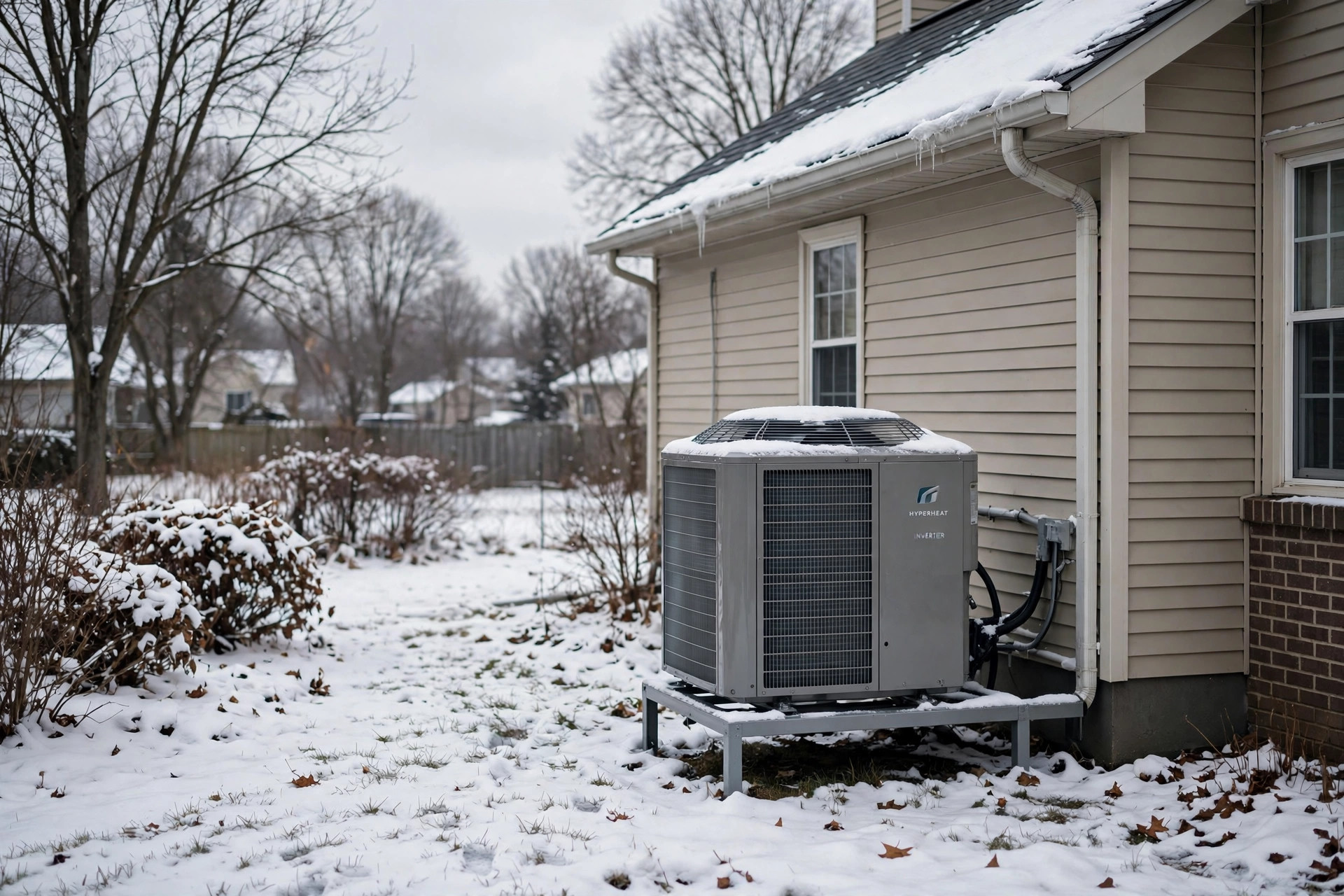
A cold climate heat pump is an air source heat pump built to keep heating when the outdoor temperature drops far below freezing. Standard models lose strength near 30 degrees Fahrenheit. Cold climate models keep full or near full heating down to 5 degrees, and many still work at minus 10 or lower. The U.S. Department of Energy notes that modern cold climate heat pumps can cut heating electricity use by about half compared with baseboard heat (https://www.energy.gov). That is why the best heat pump for northeast winters usa searches keep growing each year.
Why a Cold Climate Heat Pump Matters
Heating is the largest energy bill in most northern homes. Oil, propane, and electric baseboard heat cost more per unit of heat than a well chosen heat pump. A heat pump moves heat from the outdoor air into the house. It does not make heat by burning fuel. For every unit of electricity it uses, a good unit delivers two to four units of heat. This ratio is called the coefficient of performance.
In cold places, that ratio drops. Older units relied on backup electric strips that raised the bill fast. Cold climate heat pumps use larger coils, variable speed compressors, and better refrigerant to hold their strength in the cold. They also defrost in smarter ways. The result is a machine that stays efficient through most of a northern winter, with backup heat needed only on the coldest nights.
What to Look for When You Choose: Cold Climate Heat Pump Reviews 2026 Usa
Reviews alone do not tell the whole story. A unit that scores well in a mild state may fail in Minnesota. Use these points when you read any review.
Heating capacity at low temperatures
Look for capacity tables, not just headline numbers. Good makers publish heating output at 47, 17, 5, and minus 5 degrees Fahrenheit. A strong cold climate model holds close to 100 percent of its rated capacity at 5 degrees. If the maker hides low temperature numbers, take that as a warning.
HSPF2 and COP ratings
HSPF2 is the heating season efficiency rating. Higher is better. A value above 10 in HSPF2 marks a solid cold climate unit. COP is efficiency at one set point. A COP near 2.0 at 5 degrees Fahrenheit is good. ENERGY STAR lists cold climate models that meet set marks (https://www.energystar.gov).
Variable speed compressor
Single stage units run at full blast or off. Variable speed units, often called inverter driven, adjust step by step. They hold room temperature steady, use less power, and handle cold starts better. Most well reviewed cold climate models in 2026 use variable speed.
Defrost control
Frost forms on the outdoor coil in damp cold. Demand defrost sensors trigger the defrost cycle only when frost builds up. Timed defrost runs on a clock and wastes energy. Ask for demand defrost.
Sound level
Outdoor units sit near bedrooms or neighbors. Check the decibel rating. Quieter units cost more but cause fewer problems with towns that set noise limits.
Warranty and parts
Ten year parts warranties are common on premium brands. Labor coverage is often one to two years. A long warranty means little if the installer is far away, so pick a dealer with local service.
Types and Options in 2026
Ducted central heat pumps
A ducted cold climate heat pump connects to the ducts you already have. It heats and cools the whole house through one system. This is the simplest swap for homes with a forced air furnace. Carrier and Trane both offer cold climate rated central models (https://www.carrier.com) (https://www.trane.com).
Ductless mini splits
A ductless mini split puts small wall units in one or more rooms. No ducts are needed. This suits homes without ducts, additions, or rooms that never stay warm. Multi zone models run several indoor heads from one outdoor unit. The air source heat pump pros and cons usa debate often favors mini splits for cold zones because each head can be sized to its room.
Dual fuel systems
A dual fuel setup pairs a heat pump with a gas or oil furnace. The heat pump does the work in mild cold. The furnace takes over in deep cold. This cuts fuel bills without giving up the security of backup heat. Dual fuel is a common pick in states with very cold snaps.
Ground source models
Ground source, or geothermal, heat pumps draw heat from below the soil. Ground temperature stays steady all year, so these units work the same in any weather. They cost far more to install. Most reviewers put them in a separate class from air source models.
Top Performers Noted in 2026 Reviews
No review agrees on a single winner. Your climate zone, duct setup, and power price matter more than brand rank. Still, several names come up again and again in cold climate heat pump reviews 2026 usa.
Carrier Infinity series. Reviewers praise its strong low temperature output and quiet fans. The Greenspeed intelligence feature adjusts output in small steps. Carrier publishes full cold weather data (https://www.carrier.com).
Trane XV and XV20i lines. Trane scores well for build quality and dealer networks. The variable speed models hold capacity deep into the teens. Parts availability is a plus in rural areas (https://www.trane.com).
Lennox XP25. Lennox markets high SEER2 numbers and quiet operation. Some reviewers note higher prices and fewer low cost parts. Still, the cold climate data sheets look solid (https://www.lennox.com).
Rheem Prestige series. Rheem wins praise for value. It does not always match the top tier in extreme cold, but in moderate cold zones it is a strong deal (https://www.rheem.com).
Goodman GSZC models. Goodman keeps prices low and offers a long compressor warranty. Reviews note that the installer matters more than the badge on a Goodman unit (https://www.goodmanmfg.com).
Remember that a review scores the box, not the install. A mid grade unit with a careful install beats a premium unit with sloppy ductwork every time. Read guides from trusted repair sites before you sign (https://www.familyhandyman.com) (https://www.thisoldhouse.com).
Cost and Price in 2026
A cold climate heat pump costs more than a basic model. The premium pays for a larger outdoor coil, a stronger compressor, and cold weather controls. Here are rough ranges for the USA in 2026, before rebates.
Ductless single zone mini split. Equipment and install often run 4,000 to 7,000 dollars. This suits one or two rooms.
Ductless multi zone. Three to five indoor heads can run 10,000 to 18,000 dollars installed.
Ducted central cold climate heat pump. Full system replacement with air handler often runs 12,000 to 22,000 dollars. Complex duct changes raise the price.
Dual fuel setup. Adding a heat pump to an existing furnace often runs 8,000 to 16,000 dollars.
Running costs vary with power prices. In states with cheap electricity, a heat pump can cost half as much as oil heat per winter. In states with high power rates, the savings are smaller. A heat pump vs furnace cost comparison usa can show which side wins in your zip code.
Rebates change the math. The federal tax credit for efficient heat pumps still applies in 2026, and many states add their own rebates. Check the current rules on official sites before you buy, since programs change (https://www.energy.gov) (https://www.energystar.gov).
Care and Upkeep
Cold climate heat pumps need regular care. The work is simple and most owners can do the basics.
Keep the outdoor unit clear. Snow and ice block airflow. After a storm, brush snow off the top and sides. Keep a clear space of about two feet around the unit. Do not pile firewood against it.
Clean or replace filters. Indoor filters catch dust. Dirty filters strain the blower and cut heat output. Check them each month in winter and clean or swap as needed.
Check the condensate drain. In heating mode, water drains from the outdoor unit. Ice can block the drain and pool water under the unit. Make sure the base sits above grade on risers so water can escape.
Book yearly service. A technician should check refrigerant levels, electrical connections, and coil condition once a year. Fall is the best time, before the first hard freeze.
Watch the defrost cycle. Short steam clouds from the outdoor unit during defrost are normal. Long ice buildup on the coil is not. Call for service if the unit ices up and stays iced.
Maintenance guides from repair sites give step by step help for owners (https://www.familyhandyman.com).
Safety
Heat pumps are among the safest heating choices. They burn no fuel indoors and make no carbon monoxide. Still, follow basic safety rules.
Electrical work. The outdoor unit uses high voltage. Shut off the breaker before you touch any panel. Leave wiring work to a licensed electrician.
Backup heat. On the coldest nights, backup strips or a furnace may run. Keep flammable items away from any backup heater.
Refrigerant. Modern refrigerants are safe in normal use but harmful to vent. Never cut lines or vent charge yourself. Only certified technicians should handle refrigerant.
Snow and vent blockage. Keep exhaust and intake areas clear of snow drifts. Blocked airflow can shut the unit down on a safety switch.
For general home heating safety tips, official sources are a good start (https://www.energy.gov).
Installation Notes
A good install decides how well the unit works. Poor installs cause most complaints in reviews, not bad equipment.
Size it right. A Manual J load calculation sets the correct size. Oversized units short cycle. Undersized units run nonstop in January. Insist on the calculation.
Place the outdoor unit well. Set it on the leeward side of the house, away from prevailing wind. Raise it on a stand above the snow line. Keep it away from bedroom windows if noise matters.
Seal the ducts. Leaky ducts waste a third of the heat in some homes. Seal and insulate ducts before you judge the new system. Your installer can test duct leakage.
Plan the thermostat. Heat pumps work best with steady settings. Setback of more than two or three degrees can trigger costly backup heat. A smart thermostat made for heat pumps avoids that trap.
Search for heat pump installation cost near me 2026 to compare local quotes, and get at least three bids before you choose.
FAQ
Do cold climate heat pumps work below zero Fahrenheit?
Yes, many do. Most keep heating at minus 5 to minus 15 degrees Fahrenheit, though output drops as it gets colder. Check the capacity table for the exact model. Below its rated limit, backup heat takes over.
Are they worth it in the far north?
In many cases, yes. Homes in Maine, Vermont, and Minnesota now use them as the main heat source. Savings depend on local power and fuel prices. In areas with very cheap natural gas, the payback is slower.
How long do they last?
A well kept unit lasts 15 to 20 years. The outdoor coil and compressor do the hard work in winter, so yearly service matters more in cold zones than in mild ones.
Can I keep my old furnace too?
Yes. A dual fuel setup uses the furnace only in deep cold. This is a popular middle path for owners who want a safety net.
Do they cool in summer?
Yes. Every heat pump is also an air conditioner. A cold climate model cools just as well as a standard one.
What maintenance can I do myself?
You can clear snow, clean filters, and hose down the outdoor coil in spring. Leave refrigerant, electrical, and deep cleaning work to a pro.
A Short Final Word
Cold climate heat pumps have earned their place in northern American homes. The 2026 models heat through weather that stopped older units cold. Read the low temperature data, size the system with care, and pick a skilled installer. ## References
Rheem. (n.d.). Heating and cooling products. Rheem Carrier. (n.d.). Heating and cooling systems. Carrier Trane. (n.d.). HVAC systems and heat pumps. Trane U.S. Department of Energy. (n.d.). Heat pump systems. U.S. Department of Energy This Old House. (n.d.). Home heating and HVAC guides. This Old House Goodman. (n.d.). Heat pumps and air conditioning. Goodman Lennox. (n.d.). Heat pumps and home comfort. Lennox ENERGY STAR. (n.d.). Cold climate heat pumps. ENERGY STAR Family Handyman. (n.d.). HVAC maintenance and repair. Family Handyman
References
Carrier. (n.d.). Heating and cooling systems. https://www.carrier.com ENERGY STAR. (n.d.). Energy efficient products. https://www.energystar.gov Family Handyman. (n.d.). DIY home repair and maintenance. https://www.familyhandyman.com Goodman. (n.d.). Heating and cooling equipment. https://www.goodmanmfg.com Lennox. (n.d.). Heating and cooling systems. https://www.lennox.com Rheem. (n.d.). Heating, cooling, and water heating. https://www.rheem.com This Old House. (n.d.). Home renovation guidance. https://www.thisoldhouse.com Trane. (n.d.). Heating and air conditioning. https://www.trane.com U.S. Department of Energy. (n.d.). Energy efficiency and renewable energy. https://www.energy.gov
Was this guide helpful?

About Lisa Anderson
The My Garden US editorial team writes practical, in-depth home and garden guides for American homeowners — tested advice, no fluff.
You May Also Like
Most Energy Efficient Space Heater 2026 USA: A Practical Buyer’s Guide
September 12, 2026 0 views
Gas Furnace Installation Cost for 2000 Sq Ft Homes: 2026 Prices and What to Expect
September 4, 2026 0 views
Mini Split for Garage Heating and Cooling: A Practical Guide for Homeowners
July 29, 2026 0 views