
Many American homes now rely on a stick vacuum for daily cleaning. These light machines run on a battery. They carry no cord. They store in a closet or a corner. When you buy cordless stick vacuums online in the USA, you gain access to hundreds of models. You can compare prices from your couch. You can read reviews from real buyers. You can have the machine shipped to your door.
Online shopping does bring some risk. Listings can hide key facts. Photos can mislead. Prices can shift from day to day. This guide walks you through each step. It covers what to look for, what to pay, and how to order with care. By the end, you will know how to pick a cordless stick vacuum that fits your home and your budget.
Why a Cordless Stick Vacuum Makes Sense
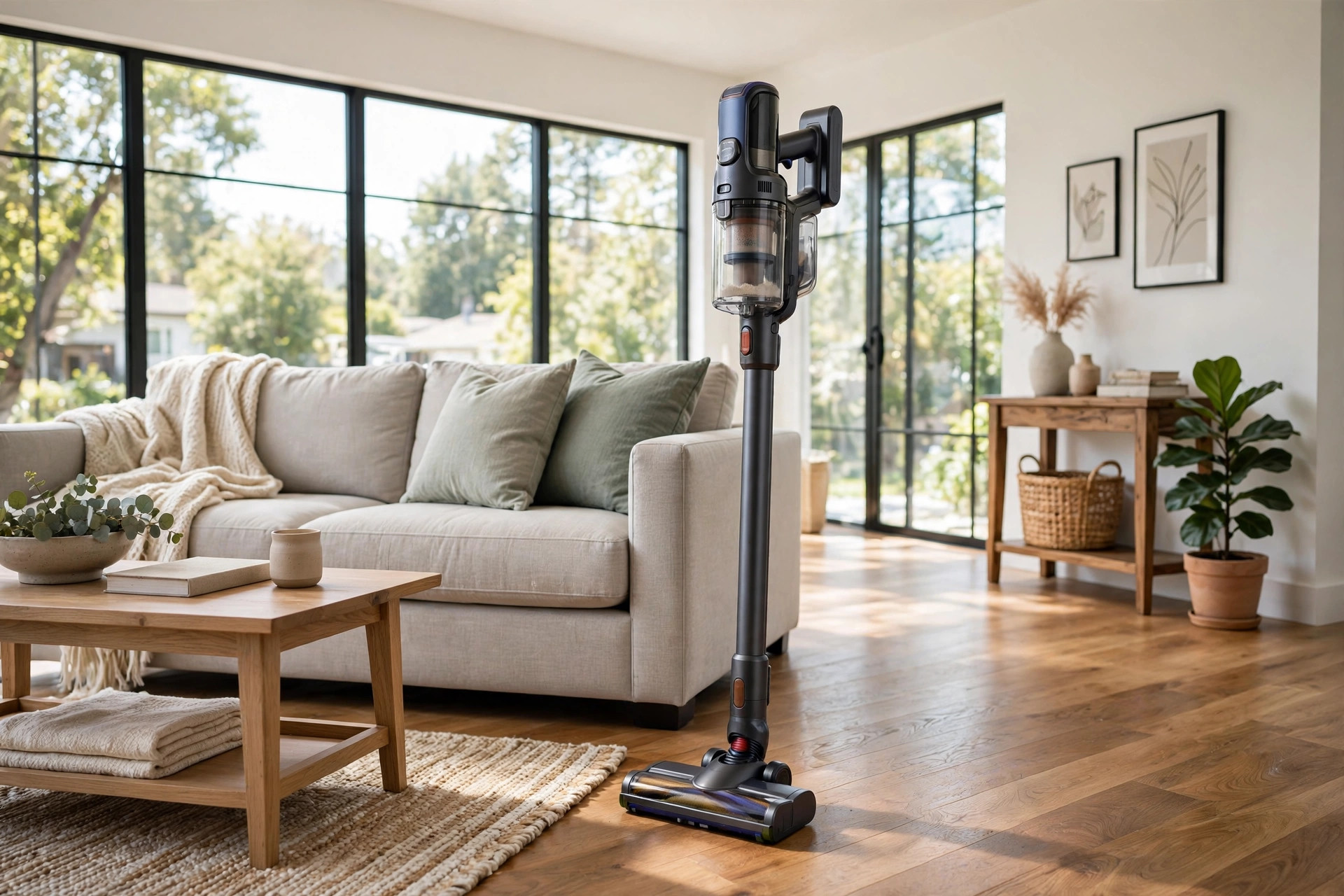
A corded vacuum still cleans well. But it ties you to an outlet. You plug in, unplug, and plug in again as you move from room to room. A cordless stick vacuum removes that chore. You pick it up and you start. Most models weigh between five and eight pounds. That is light enough for stairs, car seats, and high shelves.
Speed is the main draw. A quick clean takes five minutes instead of twenty. Crumbs under the table, dust near the door, and pet hair on the couch all get picked up fast. Many owners use the stick for daily touch-ups and keep a larger machine for deep cleaning once a week. That mix works well in busy homes.
Storage is another plus. A stick vacuum stands on its own or mounts on a wall dock. It takes up little floor space. This matters in small apartments and condos. Students, young couples, and older adults all praise the easy carry and simple design. A lightweight cordless vacuum for small apartments often becomes the most used tool in the home.
What to Look for Before You Buy: Buy Cordless Stick Vacuums Online in the Usa
Not all stick vacuums perform the same. A low price can mean weak suction or a short battery. Read the facts before you click the buy button. The points below tell you what counts.
Suction and Cleaning Power
Suction decides how much dirt the machine lifts. Makers state it in air watts or pascals. Higher numbers mean stronger pull. Hard floors need less power. Thick carpet needs more. If you have pets, look for a motorized brush head. It digs hair out of rugs and fabric. A model built as the best cordless stick vacuum for pet hair should include a tangle-free brush roll and strong mid-range suction.
Battery and Runtime
Runtime is the time the vacuum runs on one charge. Most models run twenty to sixty minutes. High power modes drain the battery much faster. A cordless stick vacuum with long battery life matters in larger homes. Check whether the battery is removable. A spare battery can double your cleaning time. Also check the charge time. Four hours is common. Fast chargers can cut that time in half.
Weight and Ease of Use
You will lift this machine often. A model over eight pounds can tire your arm on stairs. Look at the weight of the stick in hand, not just the shipping weight. A well-balanced design feels lighter than the scale suggests. Trigger locks help too. They let the motor run without holding a button down. That small feature makes a long clean much easier.
Dustbin and Filters
A small dustbin fills fast. Homes with pets or kids need a bin of at least half a liter. Empty it after each use for best results. Washable filters save money over time. A sealed HEPA filter traps fine dust and allergens. If anyone in the home has asthma or allergies, this feature is worth the extra cost. You can compare filtration facts in a hepa vacuum cleaners price comparison usa guide before you decide.
Types and Options
Stick vacuums come in several forms. Each suits a different home.
Standard stick models are the most common. The motor sits near the handle. A long tube leads to the cleaning head. They convert to a handheld unit for cars and furniture. This is the type most buyers choose first.
Two-in-one models ship with many tools. Crevice tools, dusting brushes, and mini motorized heads come in the box. They cost more but cover more jobs. They suit homes with stairs, pets, and mixed floors.
Wet and dry hybrids vacuum and mop at once. They spray water and scrub hard floors. They do not replace a true mop for heavy grime. But they save time on sealed wood, tile, and vinyl. For garage and shop work, a different class of machine fits better, as a wet dry shop vacuums reviews and buying guide explains.
Budget sticks cost under one hundred fifty dollars. They work for small spaces and light dust. Their batteries run short. Their bins are small. They are fine as a second vacuum but weak as the only one.
Premium models cost three hundred dollars or more. They offer laser dust lights, LCD screens, and smart sensors. They adjust suction as the floor changes. They clean deeper. Whether the extras are worth it depends on your floors and your habits.
Cost and Price: What a Good Model Should Run You
Prices for cordless stick vacuums in the United States range widely. Entry models sell for one hundred to one hundred eighty dollars. Mid-range models sell for two hundred to four hundred dollars. Top models from leading brands sell for four hundred to seven hundred dollars.
What does the extra money buy? Stronger motors, longer runtimes, better filters, and sturdier build. Cheap models often fail within two years. Mid-range models last three to five years with fair care. Premium models can last longer, though batteries wear out in all of them. A new battery pack costs forty to one hundred twenty dollars.
Watch for sales. Major holidays bring deep cuts. Black Friday, Memorial Day, and Prime Day often drop prices by twenty to forty percent. Set a price alert on the model you want. Also check for bundles. Some sellers add extra tools or a spare battery at no charge during promo weeks. Compare the full cost, not just the sticker price. Shipping, tax, and warranty terms all change the final number.
Refurbished models can save money. Factory renewed units from known sellers carry a warranty. Avoid used machines from unknown sellers. You cannot verify the battery health, and worn batteries are costly to replace.
How to Buy Online With Care
Buying online is simple when you follow a clear process.
Start with trusted stores. Large retailers and brand websites offer clear return terms. Read the return window before you order. Thirty days is standard. Some stores charge restocking fees. Know the rule before you need it.
Read real buyer reviews. Look for reviews with photos and long-term updates. A review written after six months of use tells you more than a first-day note. Ignore reviews that only praise the box or the shipping speed. Focus on suction, battery, and build quality.
Check the model number. Sellers sometimes list a slightly different model than the one reviewed elsewhere. One letter can mean a weaker battery or missing tools. Match the model number on the brand site with the one in your cart.
Compare warranty terms. Most brands offer one to two years. Some extend the warranty when you register the product. A strong warranty signals faith in the build. Read what it covers. Batteries often carry a shorter term than the motor.
Use secure payment. Pay by credit card or a known digital wallet. These give you a way to dispute a bad charge. Avoid wire transfers and gift card payments. No honest store asks for those.
Independent product tests can help you sort claims from facts. Groups that run lab tests publish results you can trust. Home cleaning guides from long-running publishers add useful context too. It also helps to read what leading vacuum makers say about their own lines, since specs differ even within one brand.
Care and Upkeep
A stick vacuum lasts longer with simple care. Empty the dustbin after each use. A full bin chokes airflow and cuts suction. Tap the filter clean each week. Wash it once a month if the manual allows. Let it dry fully for twenty-four hours before you put it back.
Check the brush roll each month. Hair wraps around it and slows the spin. Cut it free with scissors. Wipe the sensors and the charging contacts with a dry cloth. Store the vacuum in a dry place. Heat harms batteries. Do not leave the unit in a hot garage or a car trunk in summer.
Charge the battery with care. Most modern batteries do not like to sit at full charge for weeks. If you clean once a week, charge after use and unplug when full. Some docks hold the charge at a safe level. Follow the manual that ships with your model. For step-by-step upkeep ideas, the maintenance tips on Family Handyman and the home care articles on This Old House are solid places to start.
Safety in the Home
Stick vacuums are safe when used as directed. Still, a few rules matter.
Keep the machine away from water. These are dry vacuums. Never use one on wet spills unless the model is built for it. Water can reach the motor and the battery. That can cause a short or a fire.
Charge only with the adapter in the box. Cheap third-party chargers can overheat lithium batteries. Unplug the charger when the battery is full. Do not charge on a bed or a couch. Hard, open surfaces let heat escape.
Keep small parts away from young children. Loose filters, screws, and tools can be a choke risk. Store the vacuum where toddlers cannot reach it. If the battery case cracks or swells, stop using the unit at once. Contact the maker for safe disposal steps. Federal guidance on indoor air quality and safe home products is posted by the U.S. Environmental Protection Agency.
Frequently Asked Questions
How long does a cordless stick vacuum battery last? Most run twenty to sixty minutes per charge. High power modes cut that time sharply. Expect the battery pack itself to hold a good charge for two to four years. After that, runtime fades and a new pack may be needed.
Are cordless stick vacuums strong enough for carpet? Mid-range and premium models clean low and medium pile carpet well. Thick shag and heavy pet areas may still need an upright or canister vacuum. A motorized brush head makes a large difference on rugs.
Should I buy a model with a HEPA filter? Yes, if dust or allergies are a concern. A sealed HEPA system traps fine particles instead of blowing them back into the room. An eco friendly hepa vacuum cleaners with free shipping roundup can show which models pair green design with strong filtration.
Is it cheaper to buy online or in a store? Online prices are often lower, and sales come more often. Stores let you hold the machine before you buy. Many buyers test in a store, then order online at the lower price. Just make sure the model number matches exactly.
What do independent testers say about top models? Lab results vary by year and by test method. Consumer Reports publishes scored tests of major brands. Good Housekeeping runs its own household product reviews. Cleaning advice from experts at Bob Vila and the home cleaning guides on The Spruce add practical owner-level detail.
A Short Final Word
A cordless stick vacuum is one of the most used tools in a modern home. The right model makes daily cleaning fast and simple. The wrong one becomes a chore of its own. Take time to compare suction, runtime, weight, and filter type. Read reviews from long-term owners. Buy from a store with a fair return policy. Check the specs on Dyson and Shark pages to see how leading vacuum makers describe their own lines, then match those claims against independent tests.
When you buy cordless stick vacuums online in the USA with these steps, you lower the risk and raise the odds of a good pick. Your floors will thank you every day.
References
Bob Vila. (n.d.). Home improvement advice. https://www.bobvila.com Consumer Reports. (n.d.). Product reviews and ratings. https://www.consumerreports.org Dyson. (n.d.). Vacuum cleaners and home technology. https://www.dyson.com Family Handyman. (n.d.). DIY home repair and maintenance. https://www.familyhandyman.com Good Housekeeping. (n.d.). Product reviews and home advice. https://www.goodhousekeeping.com Shark. (n.d.). Home cleaning appliances. https://www.sharkclean.com The Spruce. (n.d.). Home and garden advice. https://www.thespruce.com This Old House. (n.d.). Home renovation guidance. https://www.thisoldhouse.com U.S. Environmental Protection Agency. (n.d.). Protecting human health and the environment. https://www.epa.gov
Was this guide helpful?

About Michael Thompson
The My Garden US editorial team writes practical, in-depth home and garden guides for American homeowners — tested advice, no fluff.
You May Also Like
Where to Buy Upholstery Cleaning Machines in Arizona
September 14, 2026 0 views
Dehumidifiers for Basements: Reviews and Buying Guide
April 20, 2026 0 views
Quiet Hardwood Floor Buffers for Sale: What to Know Before You Buy
February 17, 2026 0 views