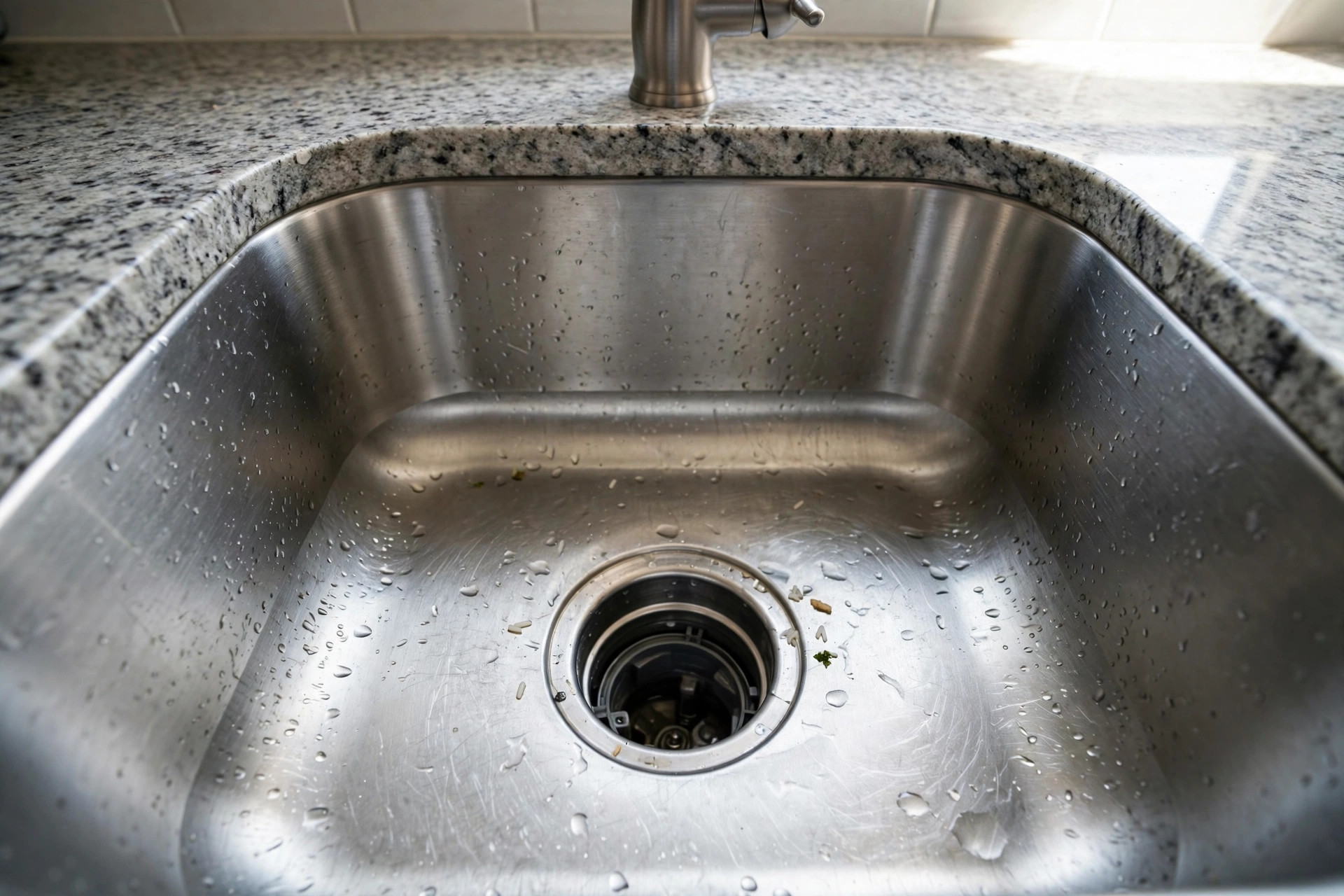

A garbage disposal can stop with no warning. One moment it grinds food waste. The next moment it hums, buzzes, or sits dead silent. Water backs up in the sink. A bad smell rises. Most homes in the United States face this problem at some point. The good news is that learning how to unclog garbage disposal safely in the USA takes only a few basic steps and common tools. No special skill is needed. This guide walks through every step in plain order. It shows what to check first. It shows what to try. It shows what to avoid. It also shows when to call a plumber instead.
Why a Safe Method Matters
A garbage disposal is a small machine under the sink. It uses a motor and spinning metal parts to grind food. Those parts move with great force. The unit runs on electricity. Water and electricity never mix well. Rushing into the job with bare hands or sharp tools can cut a finger or shock the user.
A safe method protects the person and the machine. It also protects the home. The wrong step can break the disposal. It can push a clog deeper into the drain. It can even crack a pipe under the sink. Replacing a broken unit costs far more than a careful fix.
The steps in this guide follow the same order that home repair experts recommend. Each step moves from the safest to the strongest method. Start at the top. Move down only if the clog stays put.
What to Check First: How to Unclog Garbage Disposal Safely Usa
Before any work begins, the disposal must be off. Flip the wall switch to off. Then check the breaker box. Many units also plug into an outlet under the sink. Unplug the cord. Three kinds of shutoff give real safety.
Next, look at what the disposal does when it ran.
Signs of a Simple Jam
A simple jam is the most common case. The disposal makes a low hum when switched on. It does not grind. It does not turn. The hum means the motor gets power but the parts cannot move. A piece of bone, a bottle cap, or a hard chunk of food may be stuck between the parts.
If the unit makes no sound at all, check the reset button. Most disposals have a small red or black button on the bottom. It trips when the motor works too hard. Press it once. If the unit was unplugged, plug it back in after the reset. Then run cold water and try again.
Signs of a Deeper Clog
Sometimes the disposal runs fine but the sink still drains slow. Water sits in the basin. This points to a clog in the drain pipe past the unit, not inside the grinder. Grease, coffee grounds, and starchy food like rice or potato skins build up over time. They form a thick paste in the pipes.
In this case the disposal itself is not the problem. The drain line is. The fix will need flushing and pipe clearing, not jam removal.
How to Unclog Garbage Disposal Safely, Step by Step
Work through these steps in order. Stop at the step that clears the problem.
Step 1: Cut all power. Flip the switch off. Unplug the unit under the sink. This is the most important step. Never reach into the drain opening while the unit has power.
Step 2: Use a flashlight. Shine a strong light into the drain. Look for the object that blocks the unit. Common items include bones, fruit pits, utensils, twist ties, and small lids. Knowing what is stuck helps to plan the next step.
Step 3: Remove loose items with tongs. Use long kitchen tongs or pliers. Reach in and pull the object out. Never use bare hands. The metal parts have sharp edges. A magnet tool also works for metal items.
Step 4: Try the reset button. Find the small button on the bottom or side of the unit. Press it firmly. Plug the unit back in. Run cold water. Flip the switch for a few seconds. Many jams clear at this point.
Step 5: Use the hex wrench. Most disposals ship with an Allen wrench. Look under the sink for a small hex hole in the center bottom of the unit. Insert the wrench. Turn it back and forth several times. This moves the grinding plate by hand and frees stuck items. Pull out any loosened food with tongs. Reset the unit. Test it.
Step 6: Flush with cold water and ice. Drop a tray of ice cubes into the drain. Add a handful of coarse salt if the unit is large. Run cold water and switch the unit on. The ice scrubs the grinding parts clean. It also washes small bits of food out of the pipes.
Step 7: Try a plunger made for sinks. Seal the second side of a double sink with a wet cloth or stopper. Fill the clogged side with a few inches of water. Place the plunger over the drain. Pump hard several times. The pressure can push a soft clog through the pipe. Stop and check the drain between tries.
Step 8: Use baking soda and vinegar. Pour half a cup of baking soda into the drain. Follow with half a cup of white vinegar. Let the mix sit for fifteen minutes. The fizz loosens grease and light buildup. Flush with hot water. Then run the disposal with cold water for a full minute.
These steps solve most clogs in American homes. Guides at This Old House and Family Handyman list the same order of work for common disposal trouble.
What Never to Do
Some habits damage the unit or put the user at risk. Avoid them all.
Never put hands into the drain opening. Even with the power off, the metal edges are sharp.
Never use chemical drain cleaners. Strong acids and lye can eat the seals inside the disposal. They can splash back when the unit runs. The U.S. Environmental Protection Agency warns that many drain cleaners are also harmful to septic systems and local waterways.
Never pour hot grease down the disposal. Grease melts hot but hardens in the pipes. It is one of the main causes of deep clogs.
Never grind fibrous foods like celery, artichoke leaves, or onion skins. The fibers wrap around the parts and bind them tight.
Never grind large amounts of starchy food at once. Rice, pasta, and potato skins swell in water. They form a thick paste that sticks to the pipes.
Never run the unit dry. Always run cold water before, during, and after grinding. Cold water keeps grease solid so the grinder can break it up.
Types of Clogs and How Each Responds
Not all clogs are the same. The right fix depends on the type.
Foreign object jams. A spoon, bottle cap, or small toy blocks the spinning plate. The unit hums. Tongs and the hex wrench fix most of these.
Grease buildup. Years of cooking oil coat the pipes. The drain runs slow even when the disposal works. Baking soda and vinegar help with light buildup. A plumber with a snake may be needed for heavy buildup.
Food paste clogs. Starchy and fibrous foods pack the drain line. The plunger works well here. So does a long flush of cold water with ice.
Mechanical failure. The unit runs but grinds nothing. The plate may be worn or broken. The motor may be dead. If the unit is more than ten years old, replacement often costs less than repair. A guide to the best garbage disposal for septic system use and other types can help when shopping for a new unit. Homeowners who cook daily may also want to read about a continuous feed garbage disposal option before they buy.
Cost and Price: DIY vs. Plumber
A do-it-yourself fix costs almost nothing. Most homes already own tongs, a flashlight, a plunger, baking soda, and vinegar. A new hex wrench costs a few dollars at a hardware store. The steps above use no special parts.
Calling a plumber costs more. In the United States, a service visit for a clogged disposal often runs between 100 and 250 dollars. The price depends on the city and the time of day. Night and weekend calls cost extra. If the clog sits deep in the main line, the job can cost more.
Knowing the local garbage disposal installation cost helps when the unit cannot be saved. A full replacement with labor often runs between 250 and 600 dollars, depending on the model and the plumber.
Try the safe steps first. Call a plumber when the steps fail, when water backs up in other fixtures, or when the job feels unsafe.
Care and Upkeep After the Fix
A few daily habits keep the disposal clear for years.
Run cold water for fifteen seconds before grinding. Keep it running while the unit works. Keep it running for thirty seconds after the grinding sound stops. This flushes every bit of waste down the line.
Feed food slowly. Drop small amounts at a time. Wait for each batch to clear before adding more.
Grind a tray of ice cubes once a week. The ice sharpens nothing, but it scrubs the plate and walls clean.
Add citrus peels now and then. Lemon and orange peels leave a fresh smell. Use only small pieces.
Scrape plates into the trash first. A disposal works best on small scraps, not full meals.
Check the splash guard. The rubber flaps at the drain mouth catch most items before they fall in. Rinse the guard with a brush to keep it clean.
For homes on a septic tank, take extra care. A disposal adds solid waste to the tank. Pump the tank more often. Ask the septic service about the best schedule.
Safety Rules That Come First
Safety runs through every part of this job. Keep these rules in mind.
Always cut power before reaching near the drain. Flip the switch. Unplug the cord. Do not trust the switch alone.
Wear work gloves when handling tools under the sink. The space is tight. Pipes and brackets have rough edges.
Wear eye protection when using a plunger or pouring cleaners like vinegar. Splashback happens fast.
Keep children and pets away from the work area. The cabinet under the sink is no place for small hands.
Do not stand in water while touching the unit or any cord. Call a plumber if the floor is wet.
If the disposal trips the breaker more than once, stop. Repeated trips point to an electrical problem. An electrician should check the wiring.
Frequently Asked Questions
Can I put my hand in the garbage disposal if it is off? No. Even with the switch off, the metal edges inside are sharp enough to cut skin. Use tongs or pliers for any item in the drain. Cut power and unplug the unit first.
Why does my garbage disposal hum but not grind? The hum means the motor has power but the plate cannot turn. Something is jammed between the parts. Unplug the unit. Remove the item with tongs. Turn the hex wrench in the bottom socket to free the plate. Press the reset button and test.
Will baking soda and vinegar really unclog a disposal? They help with light grease and odor buildup. The fizz loosens soft material. They will not clear a hard jam or a deep pipe clog. Use them as a cleaning step, not the main fix.
Is it safe to use chemical drain cleaner in a garbage disposal? No. Chemical cleaners can damage the rubber seals and metal parts inside the unit. They can also splash back when the motor starts. Home repair experts recommend against them. Stick to mechanical methods.
How long should a garbage disposal last? Most units last eight to twelve years with normal use. Heavy use and poor habits shorten that time. When a unit leaks, grinds weak, or needs constant resets, replacement is often the better choice.
What should I do if water backs up in both sink basins? Stop using the sink. The clog likely sits in the shared drain line or deeper in the house pipes. This is a plumber job. A drain snake or auger reaches what home tools cannot.
A Short Final Word
A clogged garbage disposal looks like a big problem. In most cases it is not. Power off the unit. Check with a flashlight. Pull the blockage with tongs. Press the reset button. Work the hex wrench. Flush with ice and cold water. These simple steps fix most clogs in a few minutes.
The safe way is always the slow way. No hands in the drain. No chemicals. No rushing. When the clog fights back, a plumber has the right tools and the training to finish the job.
Keep the daily habits after the fix. Cold water every time. Small loads. A weekly ice flush. The disposal will run clean and quiet for years.
For more background, see The Home Depot, Lowe’s, and Delta Faucet. Buying guides are also published by Kohler and Aquasana.
References
Aquasana. (n.d.). Water filtration systems. https://www.aquasana.com Delta Faucet. (n.d.). Kitchen and bathroom faucets. https://www.deltafaucet.com Family Handyman. (n.d.). DIY home repair and maintenance. https://www.familyhandyman.com Kohler. (n.d.). Bathroom and kitchen fixtures. https://www.kohler.com Lowe’s. (n.d.). Home improvement products. https://www.lowes.com The Home Depot. (n.d.). Home improvement products. https://www.homedepot.com This Old House. (n.d.). Home renovation guidance. https://www.thisoldhouse.com U.S. Environmental Protection Agency. (n.d.). Protecting human health and the environment. https://www.epa.gov
Was this guide helpful?

About Sarah Mitchell
The My Garden US editorial team writes practical, in-depth home and garden guides for American homeowners — tested advice, no fluff.
You May Also Like
Best High Efficiency Toilet Reviews 2026
April 24, 2026 0 views
Tankless vs Tank Water Heater Cost Comparison: What You Will Really Pay
May 28, 2026 0 views
Water Softener Salt Delivery Service Near Me: How to Keep Your Home’s Water Soft
March 5, 2026 0 views