
Introduction
Many homes in the United States use a septic tank instead of a city sewer line. If you live in one of these homes, the best garbage disposal for septic system use is not the same as a standard model. A septic system works by breaking down waste with living bacteria. It cannot handle large amounts of food waste from an ordinary disposal. The wrong unit can harm the tank, clog the drain field, and lead to costly repairs.
This guide will help you choose a septic-safe garbage disposal. You will learn why it matters, what features to look for, what types exist, and what they cost. You will also find care tips, safety advice, and answers to common questions. By the end, you will know how to pick a unit that keeps both your kitchen and your septic system healthy for years to come.
Why a Septic-Safe Disposal Matters: Best Garbage Disposal for Septic System Usa
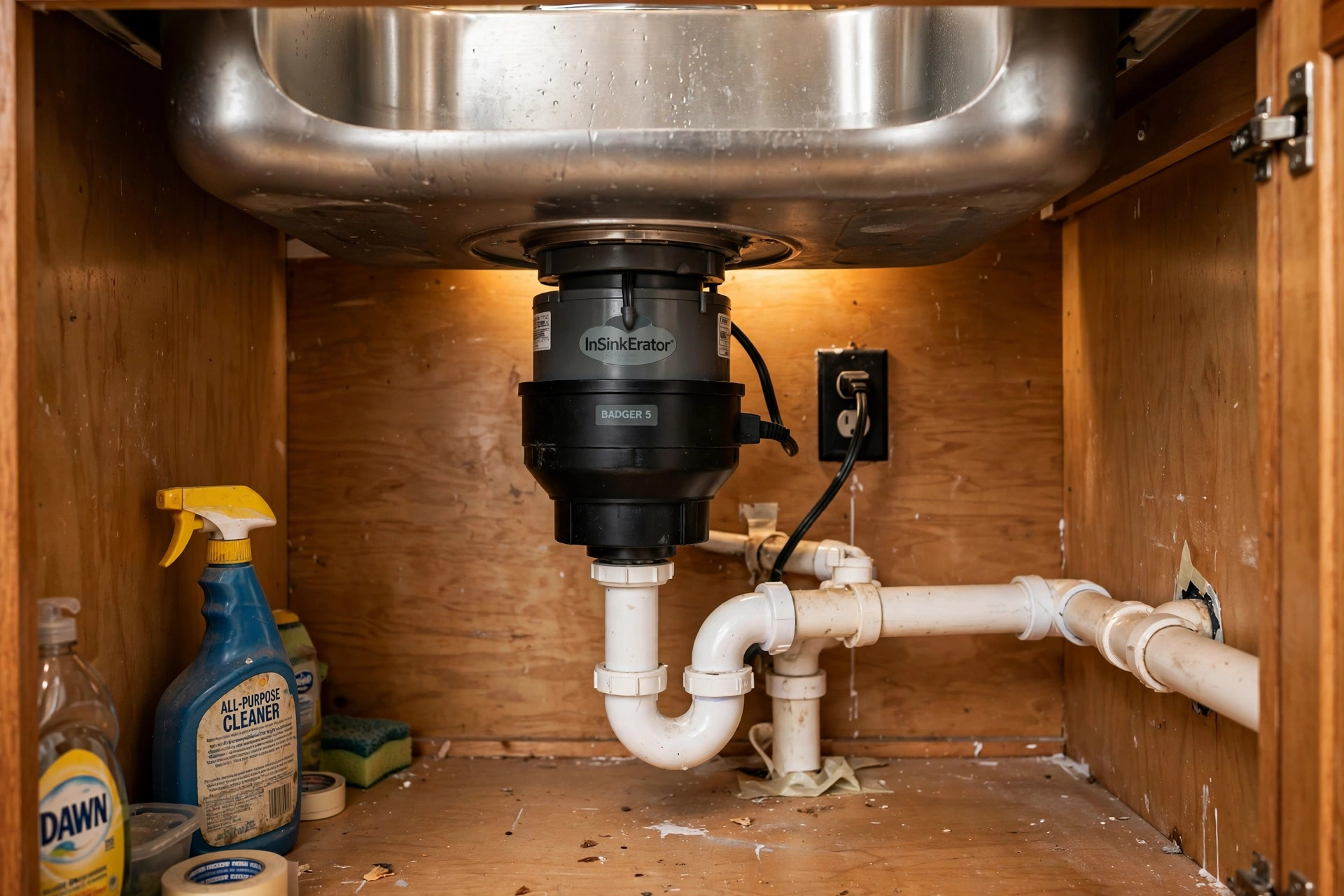
A garbage disposal grinds food scraps into small pieces. These pieces wash down the drain. In a home on a city sewer line, this is not a big problem. But in a home with a septic tank, the extra solids go straight into the tank.
A septic tank is a holding tank buried in the yard. Wastewater flows in, solids settle at the bottom, and bacteria break them down. The liquid part moves on to the drain field, where it soaks into the soil. The EPA offers free guidance on how septic systems work and how to keep them healthy. This process is slow and delicate. When a regular disposal sends too much ground food into the tank, the solids build up faster than the bacteria can break them down.
The result is sludge. Too much sludge means the tank must be pumped more often. In bad cases, solids move into the drain field and clog it. A failed drain field can cost thousands of dollars to fix. The best garbage disposal for septic system homes is built to reduce this risk. Some models grind food finer. Others add special enzyme treatments that help the tank bacteria. Choosing the right model protects your whole system.
What to Look for in a Septic-Safe Disposal
Not every disposal is safe for septic systems. Look for a model that says “septic safe” on the box or in the manual. This is the first and most important sign. Beyond that, several features matter.
Grind quality comes first. A finer grind means smaller food particles. Smaller particles break down faster in the tank. Many septic-safe models use multi-stage grinding or finer grind rings to achieve this.
Motor size matters too. A motor of one half to three quarters horsepower is enough for most homes. More power helps grind bones and tough scraps. But more power also means more food pushed into the tank. Match the motor to your family size and cooking habits.
Look at the septic treatment feature. Some units include an injection system. This system adds an enzyme or bacteria treatment each time you run the disposal. The treatment supports the natural bacteria in the tank. Home improvement guides like This Old House explain how these systems work. Not every expert agrees these treatments are needed, but many homeowners like the added safety.
Also check noise level. Disposals range from loud to very quiet. Units with sound insulation cost more, but they make daily use far more pleasant. Major retailers such as Home Depot and Lowe’s list noise ratings on their product pages, which makes comparison easy. Check the warranty as well. Longer warranties often signal better build quality.
Finally, read the manual for septic guidance. Good brands such as Moen, Kohler, and Delta Faucet tell you plainly how much use is safe and what foods to avoid. If the manual says nothing about septic systems, pick another model.
Types of Garbage Disposals for Septic Homes
There are two main types of disposals: continuous feed and batch feed.
Continuous feed disposals are the most common. You turn on the switch, run water, and drop food in. They are simple and fast. Most septic-safe models on the market are continuous feed. They work well if you use them in moderation.
Batch feed disposals are less common. You load food into the chamber, place the cover on, and the unit starts. You cannot add more food until the cycle ends. This design forces you to use smaller loads. That can actually help a septic system, since it limits how much waste goes down at once. Batch feed models cost a bit more and work a bit slower.
Some models come as full septic systems with an add-on treatment cartridge. These are the ones with the enzyme injection feature. The cartridge needs replacement every few months. The added cost is small compared to a septic repair.
There is one more point worth knowing. A few brands sell models made only for septic use, with both fine grinding and a treatment system built in from the start. These all-in-one units cost more, but they take the guesswork out of the purchase. If you want the simplest choice and plan to use the disposal every day, an all-in-one septic model is worth a look. Because a disposal works closely with your plumbing, clean water matters too. Companies like Aquasana make filtration systems that help keep home water clean.
If you want to learn about fitting, read our guide on garbage disposal installation cost near me.
Cost and Price Guide
Garbage disposals range widely in price. A basic continuous feed model costs around one hundred dollars. A mid-range septic-safe model costs between one hundred fifty and two hundred fifty dollars. High-end models with enzyme injection, quiet insulation, and long warranties can cost three hundred dollars or more.
Installation adds to the cost. A plumber may charge between two hundred and five hundred dollars, depending on your area and the difficulty of the job. Some stores offer package deals that include both the unit and the fitting. Always get a written quote before work begins.
Running costs are low. A disposal uses only a few cents of electricity per month. The treatment cartridges in enzyme-injecting models cost about five to ten dollars each and last a few months. These small costs are worth it. A single septic pump-out costs three hundred to five hundred dollars. A drain field repair can run into the thousands.
Care and Upkeep
A septic-safe disposal needs regular care. Good habits protect both the unit and the tank.
Run cold water while the disposal runs. Cold water keeps fats solid so the unit can grind them. Hot water melts fat, which then coats the pipes. Keep the water running for about thirty seconds after grinding stops. This flushes the food out of the pipes.
Feed food slowly. Never fill the disposal with a large load at once. Small amounts grind finer and move through the system better. Cut large scraps into small pieces before dropping them in.
Never put the following items down the disposal: grease, cooking oil, coffee grounds in large amounts, pasta, rice, potato peels, eggshells in large amounts, fibrous vegetables like celery stalks, and any non-food items. These items clog pipes, add heavy solids to the tank, or jam the unit.
Clean the unit now and then. Drop in a few ice cubes and run the disposal. The ice knocks off build-up inside the chamber. A splash of dish soap with the ice helps cut grease. Family Handyman recommends this simple cleaning trick for keeping disposals fresh. Some people use citrus peels for a fresh smell. Use them only in small amounts.
Pump your tank on schedule. Even a septic-safe disposal adds solids. If you use a disposal daily, you may need to pump more often than the standard three to five years. Ask your septic service provider what schedule fits your household. See also our guide on how often to pump septic tank usa guide.
Safety
A garbage disposal is a strong machine. Treat it with respect. Never put your hand inside, even when it is off. Use tongs or pliers to pull out a stuck object. Always switch off the unit before working near it.
Keep the splash guard clean. A worn guard can let food bits fly out during use. Replace it if it is torn or bent.
Check for leaks under the sink every few months. Look for damp spots, drips, or a musty smell. Small leaks grow over time and can damage the cabinet floor. If you find a leak, call a plumber.
If the unit jams, turn off the switch first. Most disposals have a small reset button on the bottom. Press it. Then use the hex key that came with the unit to turn the motor from below. If the jam will not clear, call a professional. Do not force it.
If you notice slow drains, bad smells from the yard, or wet spots near the tank, your septic system may be stressed. Stop using the disposal and call a septic service right away. Early action saves money.
Frequently Asked Questions
Can I use a garbage disposal with a septic system?
Yes, you can. But you must use a model made for septic systems and use it with care. A standard disposal sends too much solid waste into the tank. A septic-safe model grinds finer and may add helpful enzymes. Even then, use the disposal in moderation and keep up with tank pumping.
Do septic-safe disposals really help the tank?
They help reduce the load. Finer grinding means faster breakdown in the tank. Enzyme cartridges add bacteria-friendly treatment. They do not remove the need for pumping. They simply lower the risk of problems. No disposal makes a septic system carefree. If you use a disposal every day, pairing a septic-safe model with regular pumping is the best plan.
What foods should I avoid with a septic system?
Avoid grease, oil, large amounts of coffee grounds, pasta, rice, potato peels, and fibrous vegetables. Also avoid bones in large amounts and fruit pits. These foods are hard to grind or add too many solids. A good rule: if in doubt, scrape it into the trash or a compost bin instead.
How often should I pump my septic tank if I use a disposal?
Most homes need pumping every three to five years. With daily disposal use, every two to three years may be wiser. Ask your septic service to check the sludge level at your next visit. They can set a schedule based on your tank size and household size.
Should I buy a model with an enzyme injection system?
It is a good option for homes that use the disposal often. The cartridges are cheap and easy to replace. They add a layer of safety for the tank bacteria. If you use the disposal only now and then, a standard septic-safe model may be enough.
Can I install the disposal myself?
If you have plumbing skill, you may be able to. The job takes a few hours and basic tools. But a mistake can cause leaks or electrical faults. Many homeowners hire a plumber for peace of mind. For plumbing cost context, our article on hot water recirculating pump cost installed shows how plumbers price similar jobs.
A Short Final Word
The best garbage disposal for septic system homes is one that grinds fine, matches your household size, and comes from a trusted brand. Look for the words “septic safe” on the box. Use the unit in moderation. Feed it small loads. Run cold water. Keep bad foods out of it. Pump your tank on time.
Do these things, and a disposal can serve your kitchen well without harming your septic system. The money you spend on a good unit and proper care is small next to the cost of a failed tank or drain field.
References
Aquasana. (n.d.). Water filtration systems. https://www.aquasana.com Delta Faucet. (n.d.). Kitchen and bathroom faucets. https://www.deltafaucet.com Family Handyman. (n.d.). DIY home repair and maintenance. https://www.familyhandyman.com Kohler. (n.d.). Bathroom and kitchen fixtures. https://www.kohler.com Lowe’s. (n.d.). Home improvement products. https://www.lowes.com Moen. (n.d.). Faucets and plumbing fixtures. https://www.moen.com The Home Depot. (n.d.). Home improvement products. https://www.homedepot.com This Old House. (n.d.). Home renovation guidance. https://www.thisoldhouse.com U.S. Environmental Protection Agency. (n.d.). Protecting human health and the environment. https://www.epa.gov
Was this guide helpful?

About Jennifer Lee
The My Garden US editorial team writes practical, in-depth home and garden guides for American homeowners — tested advice, no fluff.
You May Also Like
Smart Water Shutoff Valve Reviews 2026 USA: A Plain Guide for Homeowners
January 30, 2026 0 views
Best 50 Gallon Gas Water Heater Reviews USA: A Complete Buying Guide
April 8, 2026 0 views
Best Workstation Kitchen Sink Reviews 2026: A Plain Guide to Buying Right
January 13, 2026 0 views