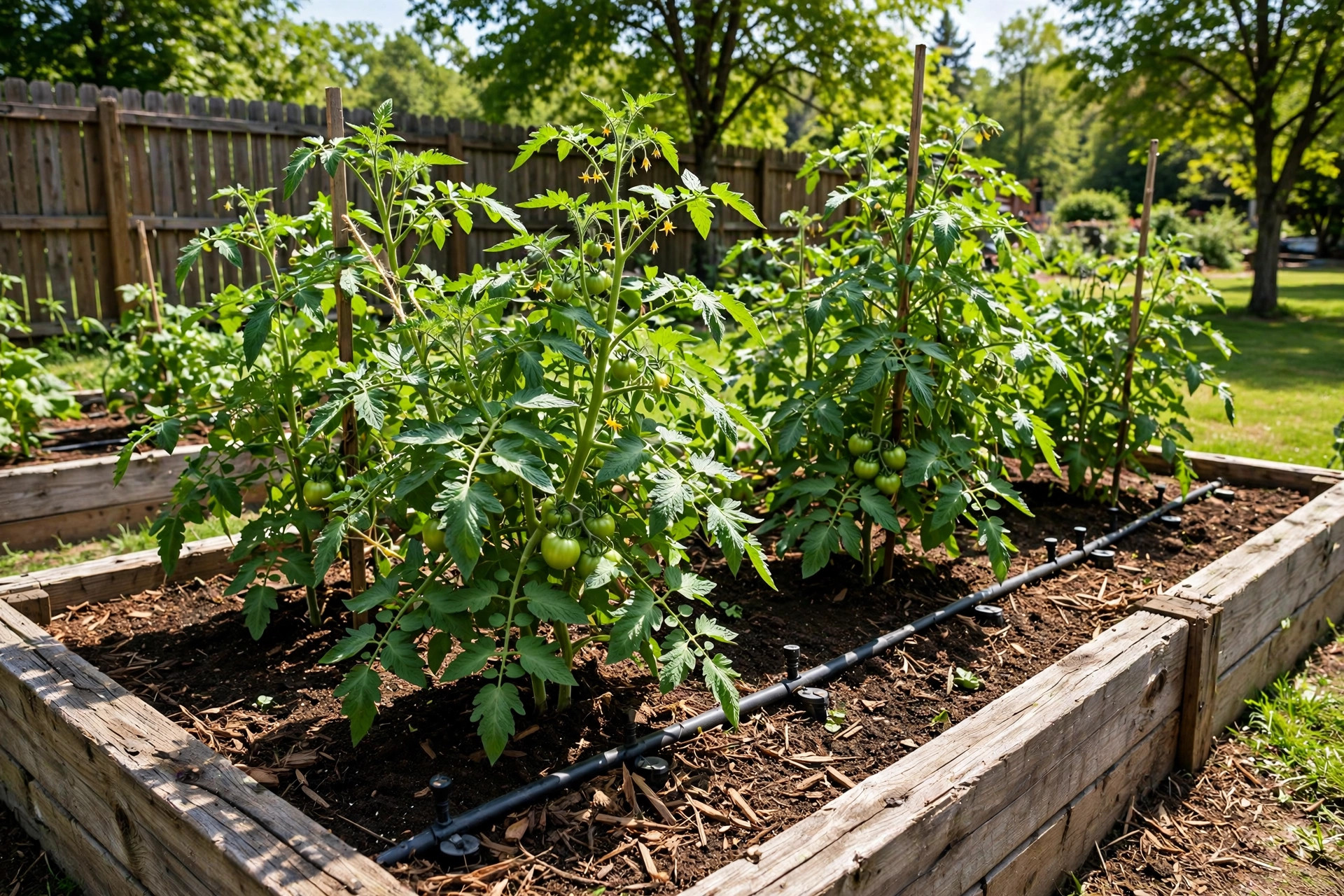

Any round of the best garden soil for tomatoes reviews starts with a simple truth. Tomatoes are heavy feeders. They ask more of the ground than almost any other vegetable in the home garden. They want soil that holds water without staying wet, that feeds them for months, and that lets their roots spread wide and deep. Give them that, and the harvest follows. Give them thin, tired soil, and even the finest seedlings will struggle.
A gardener who has raised tomatoes for twenty years will tell you the same thing a beginner learns in the first season. The plant does the work above the ground, but the soil does the work below it. This guide walks through what the reviews say, what to look for in a bag, how to use it, and how to keep it rich year after year.
Why Soil Matters So Much for Tomatoes
A tomato plant is a hungry machine. From the day it goes into the ground, it builds stems, leaves, blossoms, and fruit all at once. That growth demands nitrogen, phosphorus, potassium, calcium, and magnesium in steady supply. The soil is the storehouse. A good mix releases those nutrients slowly, the way a savings account pays out month by month.
Soil structure matters just as much as feeding. Tomato roots run deep, often two feet down or more. They need room to breathe. Heavy clay holds water like a bowl and starves the roots of air. Pure sand drains so fast that water and food wash right past the roots. The middle ground is loam, a mix of sand, silt, clay, and organic matter that holds moisture yet drains freely.
The reviews agree on this point again and again. Gardeners who switched from ordinary fill dirt to a quality tomato mix report stronger stems, earlier fruit, and fewer problems with blossom end rot. That dark, cracked spot on the bottom of the fruit is often a sign of uneven watering and low calcium, both of which trace back to poor soil. Good soil keeps moisture even and calcium within reach.
What to Look for When You Read the Reviews: Best Garden Soil for Tomatoes Reviews
Review sites and garden columns repeat certain terms. Here is what they mean in plain language.
Texture and Structure
Look for words like loamy, crumbly, and well draining. Take a handful of moist soil and squeeze it. A good tomato mix will form a loose ball that breaks apart when you poke it. If it stays in a hard clod, it has too much clay. If it will not hold shape at all, it is too sandy. Many reviewers post this simple squeeze test in their notes, and it remains the best quick check there is.
Nutrients in the Bag
Most bagged mixes made for vegetables list an N-P-K ratio on the label. That is nitrogen, phosphorus, and potassium. Tomatoes do well with a balanced mix or one slightly higher in phosphorus to support blossoming. Organic matter, shown on the label as composted bark, compost, or peat, is what feeds the soil life that in turn feeds the plant. Reviewers praise bags that smell earthy and fresh, a sign of active organic matter, and warn against bags that smell sour or sharp.
pH Level
Tomatoes prefer soil that is slightly acidic, between 6.0 and 6.8 on the pH scale. In that range the roots can take up the nutrients they need. Cheap home test kits, sold at garden centers and through retailers like Lowe’s, give a reading in minutes. Several reviewers note that adjusting pH with a little lime or sulfur, based on a test, did more for their crop than switching brands.
Types of Soil You Will Find in the Reviews
The reviews group products into a few clear types.
All-purpose garden soil. This is the workhorse bag. It is meant to mix into existing ground or to fill raised beds. It is usually the least costly option. Good brands blend topsoil with composted forest products. Gardeners report solid results when they mix it half and half with their own native soil.
Raised bed and vegetable mixes. These are made for containers and raised beds, where drainage must be quick and steady. They tend to be lighter, with added perlite or coconut coir for air space. Reviewers with small yards favor these because they can set up a bed in an afternoon and plant the same day.
Organic potting mixes. These carry an organic label and rely on compost, worm castings, and natural minerals instead of synthetic fertilizer. Many long-time growers prefer them for tomatoes bound for the table. The reviews note they can dry out a little faster, so mulch becomes more important.
Compost and soil conditioners. These are not complete soils. They are meant to enrich what you already have. A three-inch layer worked into the top of the bed each spring keeps tired soil alive. Trusted growing guides from Burpee recommend building beds with heavy compost for just this reason.
Reading Reviews Like a Grower
Not every review deserves equal weight. A review posted two days after planting tells you nothing about harvest. The reviews worth reading come from gardeners who followed the same bag through a whole season and reported back in August or September. Those writers talk about yield, plant health, and whether the soil held up to heavy rain.
Look for patterns across many voices rather than one glowing report. If twenty gardeners in different states all say a certain mix stayed loose and fed their plants well, that counts. If one reviewer blames the bag for a bad season while admitting they never watered, that tells you more about the watering than the soil.
Independent testers add useful weight. Consumer Reports publishes product testing with measured results, and practical project sites like Family Handyman and Bob Vila run soil through real garden seasons. Their findings tend to match what experienced home growers report.
Also check the date. Soil companies change formulas. A review from five years ago may describe a bag that no longer exists. Fresh reviews from the last two or three seasons are the ones to trust.
Cost and Price
Bagged garden soil runs from a few dollars for a small bag to twenty dollars or more for a large premium bag. A standard raised bed, four feet by eight feet and one foot deep, needs about one cubic yard of fill. That can mean a dozen or more large bags.
The reviews suggest a middle path. The cheapest bags often need heavy amendment with compost before tomatoes thrive in them. The priciest bags are excellent but costly to fill a large bed. Many gardeners fill the bottom of a deep bed with good garden soil from a bulk yard, then top the upper eight inches with the premium mix the reviews praise. Bulk buying from a local supplier, checked against guides at The Home Depot, often cuts the cost in half for big beds.
Price per cubic foot is the fair way to compare. Bags list their volume in cubic feet on the front. Divide the price by that number. A bag that looks cheap at the shelf may cost more per cubic foot than the larger bag beside it.
How to Use Bagged Soil in Your Garden
Good soil still needs good handling. Start by loosening the native ground under a new bed with a fork, especially if you garden on clay. A sturdy garden fork for clay soil breaks the hard pan so water can pass down instead of pooling under your fine new mix.
Fill the bed and water it well a day or two before planting. This settles the soil and shows you where it sinks. Top up the low spots. When you set in the tomato, plant it deep. Strip the lower leaves and bury the stem up to the top set. The buried stem grows extra roots, and extra roots mean a stronger plant. Fine hand tools for this kind of careful work, reviewed by makers like Fiskars and Corona Tools, make the job quick and clean.
Mulch after planting. Three inches of straw, shredded leaves, or bark mulch keeps the soil cool, holds moisture steady, and stops soil from splashing onto the leaves during rain. Soil splash spreads disease. The mulch layer is cheap insurance and nearly every season-long review mentions it.
Water at the base of the plant, not over the leaves. A deep watering two or three times a week beats a light sprinkle every day. Growers who pair good soil with a steady watering routine, sometimes using a backpack sprayer for feeding, report the most even crops.
Care and Upkeep Through the Season
Bagged soil is not a one-time purchase. By midseason the plants have eaten well and the mix has settled. Side-dress each plant with an inch of compost in early summer. This refreshes the food supply right when fruit is setting.
Watch for signs of hunger. Yellowing lower leaves often mean nitrogen is running low. Purple tints on stems and leaves can point to phosphorus shortage in cool spring soil, though this often clears as the weather warms. A balanced organic fertilizer, applied as the label directs, corrects most midseason slumps.
At season’s end, do not throw the soil away. Pull the spent plants, work in fresh compost, and sow a cover crop or lay down a thick mulch for winter. The soil improves with age if you keep feeding it organic matter. Gardeners who reuse and renew their beds, a practice praised across advice columns at The Spruce and Gardener’s Supply, often say their third-year beds outproduce brand-new ones.
Keep your tools clean as you work the harvest months. A garden apron keeps twine, tags, and a harvest basket close at hand, and wiping tools between beds slows the spread of soil-borne trouble.
Safety Around Bagged Soil and Amendments
Bagged soil is safe for ordinary use, but a few plain cautions apply. Dust rises when you pour dry mix. Work upwind, or wear a simple dust mask when filling many bags at once. Wash your hands after handling soil and compost, and keep bags stored dry so they do not grow mold.
Fertilizers and lime demand respect for the label. More is not better. Overfeeding burns roots and pollutes runoff. Measure, do not guess. Keep all amendments out of the reach of children and pets, and store them in their original marked bags.
Wear gloves. Soil hides thorns, sharp bits of bark, and the odd nail from a broken pallet. A pair of sturdy garden gloves costs little and saves many a sore hand.
Frequently Asked Questions
Can I use last year’s bagged soil for tomatoes again? Yes, with renewal. Work in two to three inches of fresh compost, check the pH, and add a balanced fertilizer. Do not plant tomatoes in the exact spot where tomatoes or their relatives grew last year, since soil diseases build up. Rotate to a fresh bed or fresh mix.
How deep should the soil be for tomatoes? Twelve inches of good mix is the practical minimum, and eighteen inches is better. Tomato roots run deep. In a raised bed, loosen the ground below as well so roots can push past the bed floor.
Is garden soil the same as potting soil? No. Garden soil is heavier and meant to mix with native ground or fill beds. Potting soil is lighter and made for containers. Using dense garden soil in a small pot can suffocate roots, so match the product to the job.
Do I need to test my soil if I use bagged mix? A test is still wise. Even good bags vary, and your native ground under the bed affects the final mix. A basic kit or a county extension test costs little and tells you pH and nutrient levels plainly.
What is the best mulch for tomato beds? Straw is the old favorite because it is cheap, light, and breaks down into the soil. Shredded leaves work well too. Keep any mulch a couple of inches away from the stem so moisture does not sit against it.
When should I stop feeding my tomatoes? Ease off heavy feeding once nights cool in late summer. The plant should finish ripening its fruit, not push new leafy growth that the frost will take.
A Final Word
The best garden soil for tomatoes reviews all point to the same quiet lesson. There is no magic bag. There is rich, loose, living soil, steady water, and patient care. Read the reviews to narrow the field, pick a mix that suits your beds and your budget, plant deep, mulch well, and feed the soil every year. Do that, and the tomatoes will do the rest.
References
Bob Vila. (n.d.). Home improvement advice. https://www.bobvila.com Burpee. (n.d.). Seeds, plants, and gardening supplies. https://www.burpee.com Consumer Reports. (n.d.). Product reviews and ratings. https://www.consumerreports.org Corona Tools. (n.d.). Garden and landscape tools. https://www.corona-tools.com Family Handyman. (n.d.). DIY home repair and maintenance. https://www.familyhandyman.com Fiskars. (n.d.). Garden and cutting tools. https://www.fiskars.com Gardener’s Supply Company. (n.d.). Gardening tools and supplies. https://www.gardeners.com Lowe’s. (n.d.). Home improvement products. https://www.lowes.com The Home Depot. (n.d.). Home improvement products. https://www.homedepot.com The Spruce. (n.d.). Home and garden advice. https://www.thespruce.com
Was this guide helpful?

About Sarah Mitchell
The My Garden US editorial team writes practical, in-depth home and garden guides for American homeowners — tested advice, no fluff.
You May Also Like
How to Clean Rusty Garden Tools: A Step-by-Step Guide
March 18, 2026 0 views
The Best Garden Wagon With Canopy Reviews: What to Buy and Why
June 25, 2026 0 views
Best Garden Gloves for Sensitive Skin: How to Choose the Right Pair
May 7, 2026 0 views