Every gardener knows the pain of a manual pump sprayer. You pump and pump until your arm burns. Then the pressure drops, and you pump again. Battery backpack sprayers end that cycle. A small electric pump does the work for you. The pressure stays steady. Your arms stay fresh.
This guide to the best garden sprayer backpack battery reviews will help you pick the right model. We explain what matters, what to avoid, and how much you should pay. Whether you spray weeds, feed roses, or mist fruit trees, you will find clear, honest advice here.
Why a Battery Backpack Sprayer Is Worth the Money
A manual sprayer depends on your muscles. A battery sprayer depends on a rechargeable pack. That one change makes garden work much easier. You walk at your own pace. You hold the wand where you want it. The pump keeps the flow even from start to finish.
Even coverage matters more than most people think. When you spray weeds, uneven pressure leaves some plants half treated. They come back. When you spray fruit trees, a weak finish means the top branches get nothing. A battery pump keeps every drop at the same pressure.
Battery models also save time. A steady stream covers more ground per minute. Many gardeners report cutting their spray time in half. For a large yard, that is hours of saved labor each season.
Cost is another factor. You pay more up front than for a manual sprayer. But you save on time and effort every week. Good batteries last for years. Most models accept battery swaps, so you are never stuck waiting for a charge.
Older gardeners feel the gain most. Many people cut back on yard work because pumping tires their shoulders and wrists. A battery sprayer removes that barrier. You can keep a big garden under control without pain the next day. That is worth the extra cost for many homes.
Steady pressure also means fewer refills wasted. With a manual sprayer, you often overpump and spray too much on the first pass. Then you run low at the end. A battery pump spreads the mix evenly. You use what you need and nothing more.
What to Look for in a Battery Backpack Sprayer: Best Garden Sprayer Backpack Battery Reviews
Not all battery sprayers are equal. Some fit small yards. Others handle acres. Read the specs with care before you buy.
Tank Size and Comfort
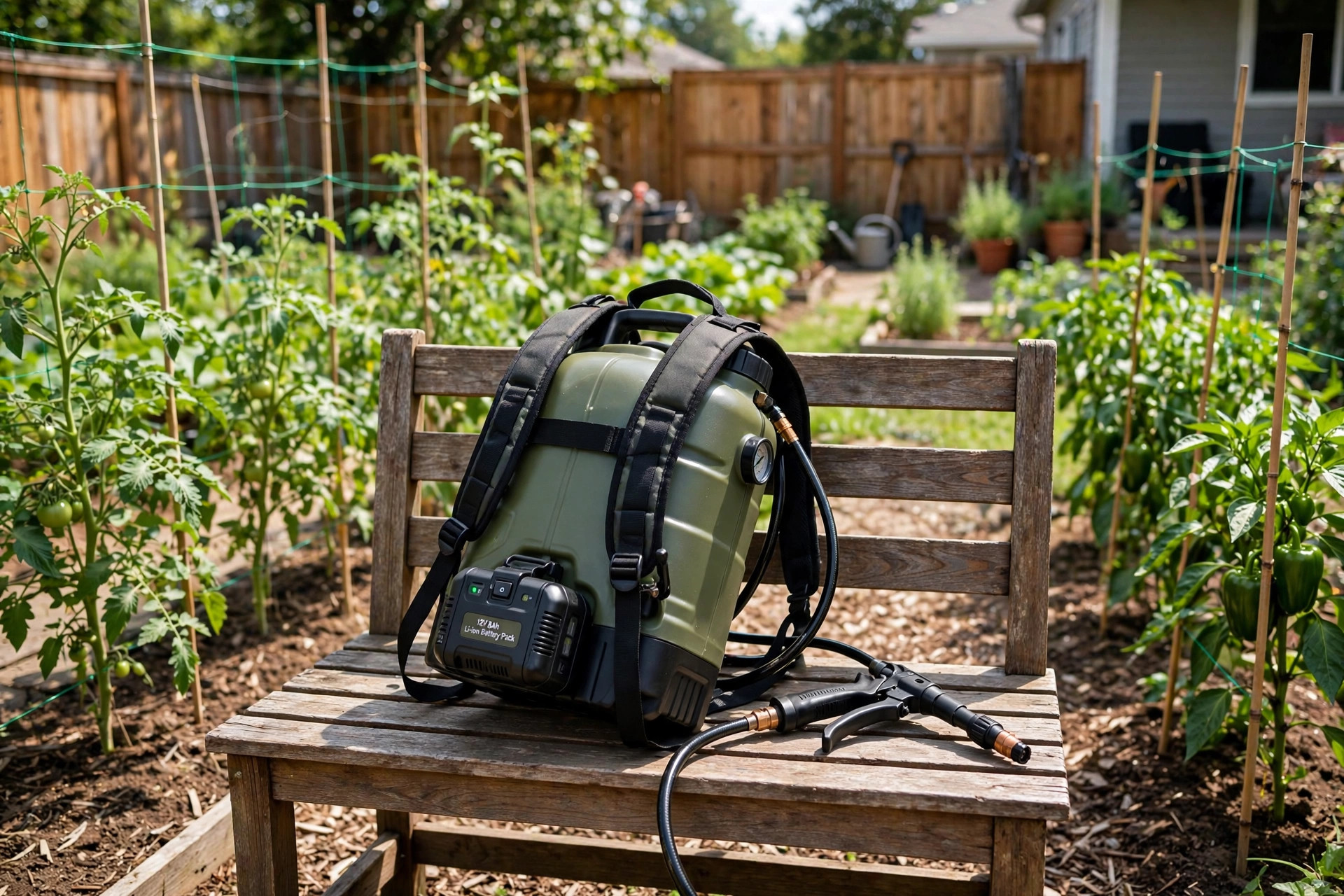
Tank size is measured in gallons. Most home models hold two to four gallons. A two-gallon tank suits a small garden and weighs less on your back. A four-gallon tank suits a larger yard but can weigh over thirty pounds when full.
Comfort matters when you wear thirty pounds. Look for wide padded shoulder straps. A waist belt helps spread the weight. Some models add a padded back panel with air vents. Try the straps on in the store if you can.
Balance counts too. A tank that sits too low will drag on your shoulders. One that hugs the back feels lighter. Check reviews that mention comfort after an hour of use.
Battery Life and Pump Power
Battery life is rated in gallons sprayed per charge or in hours of run time. Most models spray fifteen to thirty gallons per charge. For most homes, that is two to four full tanks.
Check the battery voltage. Common sizes are 18 and 20 volts. Higher voltage often means stronger pressure. Look at pressure ratings in pounds per square inch, or PSI. Home models run between 40 and 100 PSI. Forty PSI is fine for weeds and feeding. Sixty or more is better for tall trees.
Some sprayers share batteries with other tools from the same brand. This is a real plus. If you already own the brand’s drill or trimmer, you can swap batteries and save money. Sites like Lowes list many models that run on shared battery platforms.
Also check the pump type. Diaphragm pumps handle thicker mixes and last longer. Piston pumps cost less but wear faster with gritty liquids. For plain water and light weed killers, either works fine. For wettable powders, pick a diaphragm pump.
A pressure gauge helps too. It shows when the pump is at full strength. Without a gauge, you guess. A simple gauge costs little and saves trouble. Some models add an automatic shutoff when the tank runs low. This protects the pump from dry running.
Nozzle and Spray Settings
The nozzle controls the spray pattern. A good sprayer ships with several tips. A fan tip covers wide areas for weeds. A cone tip mists leaves for feeding and pest control. A stream tip reaches far branches.
Look for a lock-on trigger. It lets you spray without holding the trigger down. This saves your hand on long jobs. Adjustable wands help too. A wand that extends from one to two feet gives you reach without a ladder.
Types of Battery Backpack Garden Sprayers
Battery backpack sprayers come in a few basic styles. Each suits a different job.
The standard battery backpack sprayer is the most common. It has a four-gallon tank, shoulder straps, and a hand wand. It handles weeds, feeding, and pest control in a typical yard. Most of the best garden sprayer backpack battery reviews cover this type.
Compact battery sprayers hold one to two gallons. They fit small gardens and patios. They are lighter and cheaper. They suit raised beds, containers, and flower borders.
Cart-style battery sprayers sit on wheels. You pull them like a wagon. They hold more liquid but stay off your back. They work well on flat ground but struggle on hills and stairs.
Professional-grade models add brass wands, heavy-duty seals, and higher pressure. They cost more. They last longer under daily use. Most home gardeners do not need this level.
Cost and Price Ranges
Prices for battery backpack sprayers vary by size and brand. A compact one-gallon model may cost forty to seventy dollars. A standard four-gallon model costs eighty to one hundred fifty dollars. Professional models can reach two hundred fifty dollars or more.
What drives the price up? Bigger tanks, longer battery life, and brass parts add cost. Shared battery platforms can cut cost if you already own the batteries. Extra nozzles and longer wands add value without much price.
Do not buy on price alone. A cheap sprayer with weak seals will leak. Check reviews for leaks and battery failures. Independent testers at Consumer Reports and guides at The Spruce often note which models hold up after a full season.
Watch for sales in late winter and early spring. Stores clear last year’s stock to make room for new models. You can save twenty to forty dollars on a good unit. Open-box deals at big retailers are worth a look too, as long as the return policy is solid.
Replacement batteries cost twenty to fifty dollars. Factor this in. A sprayer is only as good as its power pack.
How to Use and Care for Your Sprayer
A battery sprayer is easy to use. But simple habits will make it last much longer.
Fill the tank only partway for the first test. Pump up or switch on the power. Check the hose and wand for leaks. Walk at a steady pace. Keep the nozzle at the same height for even coverage. Overlap each pass by about one third.
Do not spray on windy days. Drift carries chemicals to plants you want to keep. Spray in the early morning or late evening. The air is calm, and the leaves absorb liquid better.
Clean After Every Use
Cleaning is the most important habit. Leftover spray dries and clogs the pump. Rinse the tank with clean water after each use. Run water through the hose and nozzle for one minute. Then empty the tank and let it dry.
Every few months, check the filters. Most sprayers have a small screen filter in the tank. Pull it out and rinse it. Replace cracked O-rings right away. A five-dollar seal beats a ruined pump.
Battery Care
Take the battery out before cleaning. Charge it in a dry place at room temperature. Do not leave it in a hot shed all summer. Store batteries at about half charge over the winter. This keeps them healthy for spring.
Buy a second battery if you spray a large yard. You can swap and keep working. Advice at Family Handyman notes that battery platforms shared across tools make this cheap and simple.
Safety Rules for Garden Sprayers
Sprayers often carry weed killers or bug sprays. These products need respect. Read every label before you mix. Mix only what you need. Never pour leftover mix down a drain or near a well.
Wear gloves and long sleeves when you spray. Eye protection is smart when you spray above shoulder height. Keep children and pets away until sprays dry. Wash your hands and change clothes after a big job.
Store the sprayer empty and clean. Lock chemicals in a cabinet away from kids. Keep the battery indoors during freezing weather. Guides at Bob Vila stress that proper storage is the top cause of long sprayer life.
Never use the same sprayer for weed killer and plant food without a full clean. Even a small residue can burn tender plants. Some gardeners keep two sprayers: one for weeds, one for feeding.
Frequently Asked Questions
How long does a battery backpack sprayer last?
A good model lasts five to ten years with basic care. Batteries last three to five years. Cleaning after each use is the key habit.
Can I use a battery sprayer for fruit trees?
Yes. Use a stream nozzle and a high-pressure setting. Spray the tops and the undersides of leaves. Early morning works best.
Is a battery sprayer better than a manual one?
For most people, yes. You get steady pressure and less arm fatigue. Manual sprayers cost less and have no battery to charge. Small gardens may not need the upgrade.
What size tank do I need?
Two gallons suit small gardens and patios. Four gallons suit medium to large yards. Bigger tanks mean fewer refills but more weight on your back.
Can I spray fertilizer with a battery sprayer?
Yes. Liquid fertilizers spray well. Flush the tank and hose with clean water right after. Fertilizer salts can clog a pump fast.
Where can I find trusted reviews?
Start with the makers. Fiskars and Corona publish clear specs for their sprayers and tools. Retailers like Gardener’s Supply Company and Burpee host user reviews from real gardeners. Their feedback on leaks, battery life, and comfort is worth reading.
Final Word
The best garden sprayer backpack battery reviews all point to the same lesson. Buy for your yard size, not for the fanciest specs. A four-gallon model with a comfortable harness and a shared battery platform will serve most homes well. Clean it after each use. Store the battery right. Your sprayer will work season after season.
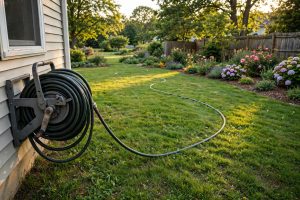
A battery sprayer is one of the best upgrades a gardener can make. It turns a tiring chore into a simple walk. Pair it with sharp pruning shears and a good garden hose for large yards, and keep your tools sharp with a guide to sharpen garden tools properly. Your garden will thank you.
References
Bob Vila. (n.d.). Home improvement advice. https://www.bobvila.com Burpee. (n.d.). Seeds, plants, and gardening supplies. https://www.burpee.com Consumer Reports. (n.d.). Product reviews and ratings. https://www.consumerreports.org Corona Tools. (n.d.). Garden and landscape tools. https://www.corona-tools.com Family Handyman. (n.d.). DIY home repair and maintenance. https://www.familyhandyman.com Fiskars. (n.d.). Garden and cutting tools. https://www.fiskars.com Gardener’s Supply Company. (n.d.). Gardening tools and supplies. https://www.gardeners.com Lowe’s. (n.d.). Home improvement products. https://www.lowes.com The Spruce. (n.d.). Home and garden advice. https://www.thespruce.com
Was this guide helpful?

About Robert Taylor
The My Garden US editorial team writes practical, in-depth home and garden guides for American homeowners — tested advice, no fluff.