
Gardening is one of the most pleasant ways to spend the later years of life. It brings fresh air, gentle movement, and the quiet joy of watching things grow. But as the years pass, hands lose strength, joints grow stiff, and tools that once felt fine begin to hurt. This is where the best garden hand tools for seniors come in. They are made with lighter frames, softer grips, and smarter shapes, so that garden work stays easy and safe. This guide will help you choose the right tools, learn fair prices, and keep your tools in good shape for many seasons.
Why Comfortable Tools Matter More With Age
A standard garden trowel may weigh little on paper, but after twenty minutes of digging in packed soil, the strain adds up. Arthritis, carpal tunnel, and simple wear on the hands make a firm grip harder to hold. Poorly designed tools force the wrist into bent angles, and bent wrists tire fast. A sore wrist today can mean a skipped garden day tomorrow.
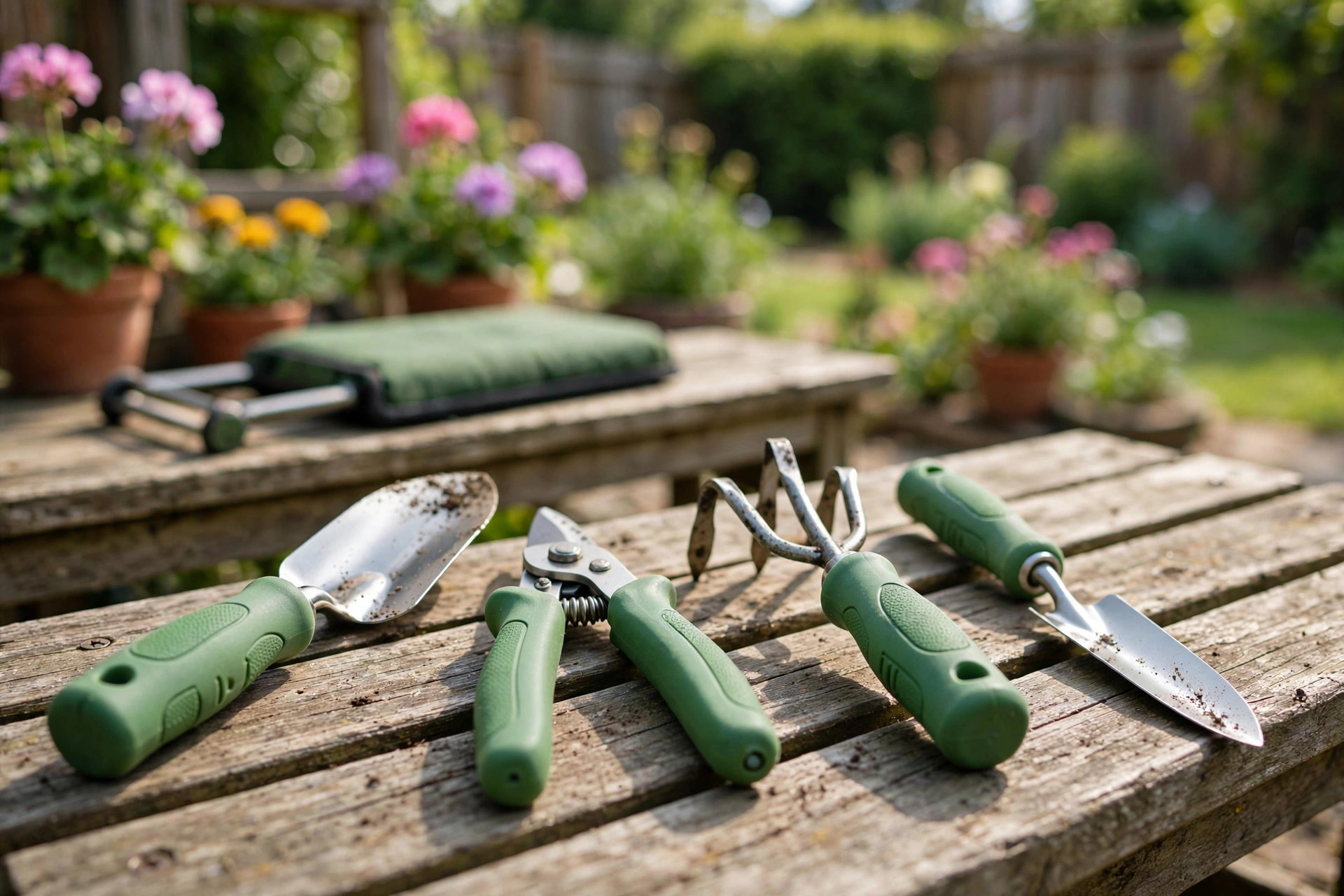
The right tools change this picture. Ergonomic designs keep the wrist straight while you work. Thick foam or rubber grips spread pressure across the palm instead of one hot spot. Longer handles give leverage, so the tool does more of the work and your hand does less. Many older gardeners report that switching to senior-friendly tools added years to their gardening life. The experts at The Spruce often remind readers that comfort is not a luxury in the garden; it is what keeps a person gardening at all.
There is also a safety angle. A tool that slips in a weak grip can cut or bruise. Tools made for older hands usually have non-slip grips and wider handles, which means fewer accidents. Gardening should heal, not harm.
What to Look for When You Choose: Best Garden Hand Tools for Seniors
Soft, Wide Grips
The grip is the first thing to check. Look for handles made of thick foam, rubber, or padded gel. They should feel warm and soft in the hand, not hard plastic. A wide grip spreads the force of each push, which eases pressure on stiff finger joints. Some brands shape their grips to fit the natural curve of a relaxed hand. Fiskars has long offered soft-grip handles on its hand tools, and many gardeners start there when shopping for comfort.
Light Weight
Aluminum and fiberglass handles weigh less than hardwood or steel. Every ounce counts when you hold a tool for an hour. A good hand trowel for senior use should feel light when you lift it, yet strong enough to dig. Avoid cast iron and heavy solid steel heads if your wrists tire easily.
Longer Handles and Smart Angles
Tools with longer handles reach deeper into beds, so you bend less. Angled heads keep the wrist straight while digging or weeding. This simple change in shape can take real strain off the forearm. If you can, hold the tool in the store before you buy it. A tool that feels right in five seconds will feel right after an hour.
Easy-Cut Blades
Pruners are the tool most seniors use the most, and they cause the most hand trouble. Look for bypass pruners with a ratchet action. The ratchet cuts in small steps, so each squeeze takes less force. A guide to pruning shears for rose bushes covers this type of tool in detail, and the same advice applies to general garden pruners.
Types and Options Worth Considering
Hand Trowels and Transplanter Trowels
The trowel is the workhorse of the garden. Senior-friendly trowels have deep scoops, sharp edges for cutting into soil, and padded grips. Transplanter trowels are narrower and often carry depth marks, which help when planting bulbs or seedlings. Brands such as Corona Tools make forged trowels with comfort grips that hold up well in hard soil. A set of two or three trowels covers most bed work.
Ergonomic Pruners
As noted above, ratchet pruners are the best choice for weak or sore hands. They lock between cuts, so you can rest mid-cut if you need to. Some models rotate the handle as you squeeze, which spreads the work across the whole hand. Keep a small pair for stems and a slightly larger pair for small branches. Sharp blades matter more than brand names; a sharp cheap pruner beats a dull costly one.
Weeders and Cultivators
Stand-up weeders and long-handled cultivators let you work without kneeling. For hand work at the soil line, look for a three-prong cultivator with a wide padded grip. It loosens soil around plants without much force. A Burpee garden catalog is a good place to see the range of small cultivators and weeders made for home gardeners, including styles suited to smaller hands.
Long-Reach Tools
Grabbers, long-handled weed pullers, and extended-reach pruners save the back and the knees. They let you work from a standing or sitting position. For raised beds and containers, these tools are often enough on their own. Gardener’s Supply Company carries many tools designed for gardeners with limited mobility, and their catalog is worth a look before you buy.
Kneelers and Garden Seats
Not strictly hand tools, but they belong in any senior toolkit. A garden kneeler with handles helps you get down and, more important, get back up. Our review of garden kneelers with handles looks at the best options in detail. Padded kneelers protect the knees on hard paths and patios.
Cost and Price
Senior-friendly garden tools cost a bit more than basic tools, but the difference is modest. A good ergonomic hand trowel usually runs from eight to eighteen dollars. A set of three basic hand tools often sells for twenty to forty dollars. Quality ratchet pruners range from twenty-five to fifty dollars, while simple bypass pruners cost less.
Long-handled tools cost more. A stand-up weeder may run thirty to sixty dollars. A garden kneeler with handles usually falls between thirty and seventy dollars. In most cases, a full set of comfortable hand tools for one gardener costs between sixty and one hundred fifty dollars.
Watch for sales at large home stores. Lowe’s and The Home Depot both run spring garden events with marked-down tools. Family Handyman and Bob Vila publish seasonal buying guides that flag good values. Buying one good tool at a time is better than buying a cheap ten-piece set all at once.
If the budget is tight, start with three items: a ratchet pruner, a padded-grip trowel, and a pair of sturdy gloves. These three handle most daily tasks. Add a cultivator and a kneeler later, then long-handled tools as you learn which beds you work most. Many gardeners build a full kit over two or three seasons this way, spending only what feels comfortable each spring.
Care and Upkeep
Good tools last decades if you care for them. After each use, knock off loose soil and wipe the tool with a dry cloth. Once a month during the season, wash metal parts with soapy water, dry them well, and rub a light coat of oil on the blade or head. This stops rust and keeps soil from sticking.
Sharpening is the single most important chore. A sharp tool cuts with less force, which is the whole point for older hands. Our guide on how to sharpen garden tools properly walks through the steps for trowels, pruners, and hoes. Pruner blades need a few strokes with a sharpening stone or file each month of heavy use.
Store tools in a dry shed or garage. Hang them on hooks rather than leaving them in damp soil. Foam grips last longer when kept out of direct sun. Check grips each spring; if the foam has cracked or worn thin, replace the tool. A worn grip can slip and cause a fall or a cut.
Wooden handles need a little oil once a year. Rub in boiled linseed oil with a rag and let the handle dry overnight. This keeps the wood from splitting and splintering.
A small tool tote or bucket caddy is a wise buy for senior gardeners. It holds your trowel, pruners, gloves, and twine in one place, so you carry one handle instead of juggling five loose tools. Choose a tote with wide padded handles or a shoulder strap. At the end of each garden day, take the tote back to the shed. This simple habit keeps tools dry, keeps edges from dulling against each other, and means you never hunt for a lost pruner when the light is fading.
Safety in the Garden
Safety rules matter at every age, but they matter more when balance and grip are not what they once were. Always wear gloves with a good grip surface. They protect against blisters, thorns, and rusty edges. Wear closed shoes with solid soles, not sandals.
Keep a phone nearby or garden with a neighbor. Falls in the yard are common among older adults, and a garden kneeler with handles can help you rise safely. Drink water on warm days and take shade breaks. The heat builds fast when you are focused on a bed of weeds.
Keep cutting tools sharp and closed when not in use. Many pruners have a safety latch; use it every time you set the tool down. Store chemicals, if you use any, in locked cabinets away from tools. Never leave sharp tools lying in grass where a foot or a pet could find them.
Frequently Asked Questions
What is the single best hand tool for a senior gardener?
Most gardeners would say a good ratchet pruner. It is the tool used most often, and the ratchet action makes cutting much easier on the hands. Pair it with a comfortable trowel and you can handle most garden tasks.
Are ergonomic garden tools really different from regular tools?
Yes. Ergonomic tools have wider, softer grips, lighter materials, and angles that keep the wrist straight. These are real design changes, not marketing words. Hold both types in your hand and the difference is clear at once.
How often should I sharpen my pruners?
During the growing season, give the blade a light sharpening every two to four weeks. Wipe the blade with oil after each use to keep sap from gumming it up. A pruner that needs force to cut needs sharpening.
Can seniors garden without kneeling?
Yes, and many do. Raised beds, containers, long-handled tools, and garden seats all let you work from standing or sitting height. A mix of raised beds and long-reach tools is the most common setup for gardeners with knee trouble.
What should I avoid when buying garden tools for an older parent?
Avoid heavy solid-steel tools, thin hard-plastic handles, and cheap pruners with stiff springs. Avoid anything that forces the wrist to bend sharply. Also avoid large multi-piece sets sold at very low prices; they are usually poor quality and will hurt more than help.
Where is the best place to buy these tools?
Local garden centers let you hold tools before you buy, which is a real advantage. Large home stores carry wide selections at fair prices. Online stores offer the largest choice and good reviews. Check return policies, since a tool that looks good online may feel wrong in the hand.
A Final Word
The garden does not ask for young hands. It asks for willing hands, and the right tools keep willing hands working. Take time to choose tools that fit your grip, your strength, and your way of working. Spend a little more for comfort. Care for the tools you buy, and they will care for your garden for years. The best garden is not the largest or the neatest. It is the one you can still enjoy, season after season.
References
Bob Vila. (n.d.). Home improvement advice. https://www.bobvila.com Burpee. (n.d.). Seeds, plants, and gardening supplies. https://www.burpee.com Corona Tools. (n.d.). Garden and landscape tools. https://www.corona-tools.com Family Handyman. (n.d.). DIY home repair and maintenance. https://www.familyhandyman.com Fiskars. (n.d.). Garden and cutting tools. https://www.fiskars.com Gardener’s Supply Company. (n.d.). Gardening tools and supplies. https://www.gardeners.com Lowe’s. (n.d.). Home improvement products. https://www.lowes.com The Home Depot. (n.d.). Home improvement products. https://www.homedepot.com The Spruce. (n.d.). Home and garden advice. https://www.thespruce.com
Was this guide helpful?

About Jennifer Lee
The My Garden US editorial team writes practical, in-depth home and garden guides for American homeowners — tested advice, no fluff.
You May Also Like
How to Grow Garlic at Home: A Simple Guide for Beginners
July 26, 2026 0 views
Best Garden Caddy for Carrying Tools: A Practical Guide
July 3, 2026 0 views
How to Grow Lettuce Indoors Winter: A Complete Home Guide
August 31, 2026 0 views