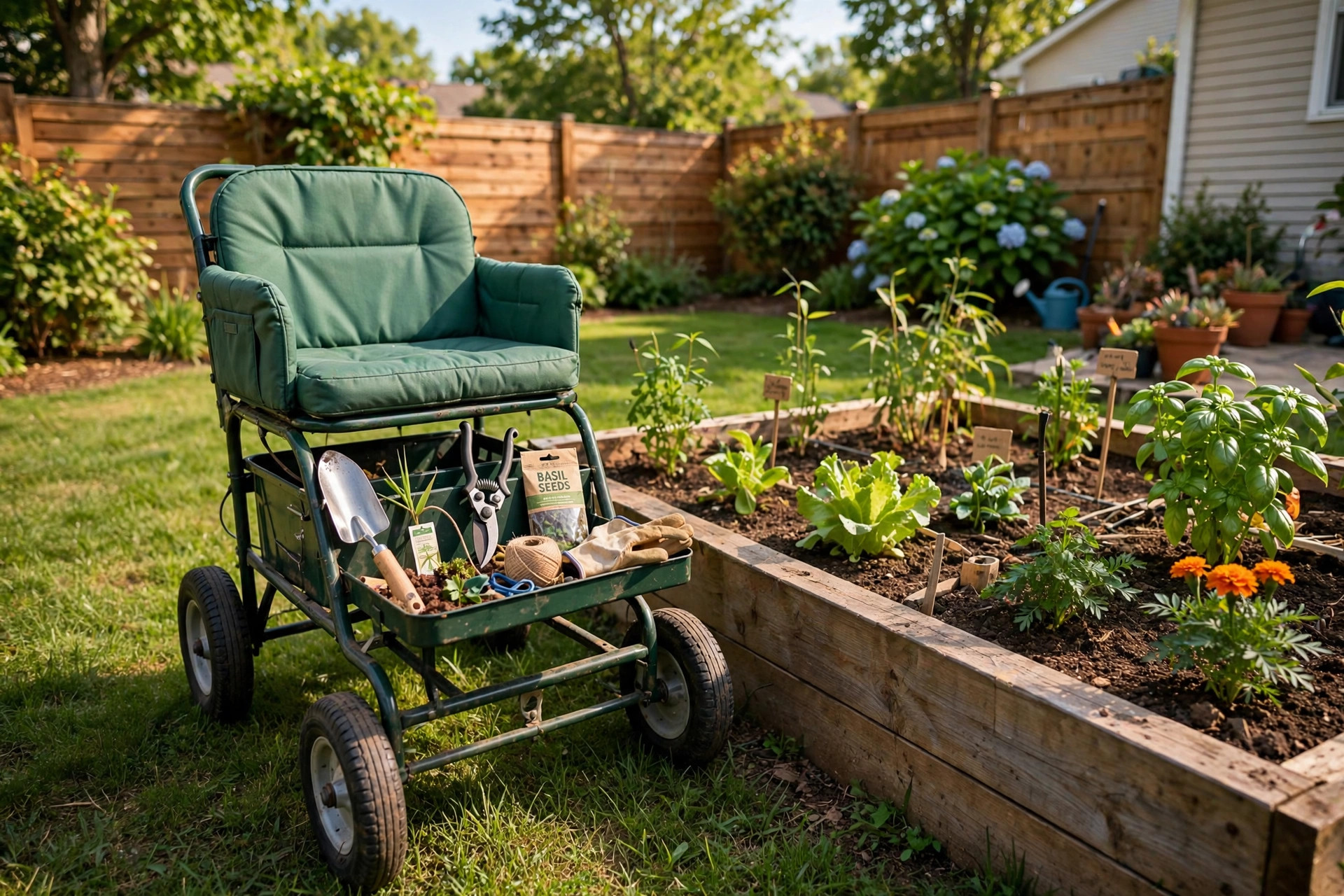

Bending, kneeling, and carrying heavy loads get harder with the years. This guide of best garden cart for seniors reviews looks at the carts that make yard work easier for older gardeners. The right cart lets you sit while you weed, roll your tools with you, and stand up without strain. A poor cart wobbles, sinks in soft soil, and becomes a chore of its own. We will walk through what matters most, the main types on the market, what you can expect to pay, and how to keep a cart in good shape for years.
Why a Good Garden Cart Matters for Senior Gardeners
Age changes the way we work in the yard. Knees that once bent for hours now complain after ten minutes. A back that handled bags of soil now needs care. A well chosen garden cart closes that gap.
A cart with a seat puts you at a comfortable working height. You can pull weeds, deadhead flowers, and plant seedlings without kneeling on hard ground. Your weight rests on the seat, not on your joints. Storage trays keep hand tools, seeds, and a water bottle within reach, so you do not have to stand and fetch them again and again.
A rolling cart also cuts the number of trips. Soil, compost, mulch, and plants move in one load instead of five. Fewer trips mean less walking with heavy buckets and less chance of a slip.
Readers of senior garden cart reviews often report the same result. A cart does not just save the back. It saves the habit of gardening. People garden more often and with more pleasure when the work fits their body.
What to Look for in a Garden Cart for Seniors: Best Garden Cart for Seniors Reviews
Not every cart suits an older gardener. A cart built for a young landscaper may be heavy, hard to steer, or set too low. When you shop, look at these points first.
Weight of the cart itself. A cart that weighs forty pounds before you load it is no friend to a senior. Look for models under twenty pounds if you can find them. Aluminum and heavy plastic frames keep the weight down while staying strong. Try to lift one side of the cart in the store. If it feels heavy empty, it will feel much heavier full of soil.
Seat height and comfort. The seat should be high enough that you can stand up with ease. Seats around eighteen to twenty inches off the ground work well for most adults. A padded seat is worth the extra cost. Some seats swivel, which lets you turn to reach a new row without lifting your feet. Check that the seat locks in place if it swivels. A seat that spins when you stand is a hazard.
Wheels. Large wheels roll over grass, mulch, and gravel far better than small ones. Pneumatic tires, the kind you pump up like a bicycle tire, give a smooth ride and grip soft ground. Foam-filled tires never go flat and need no pumping. Avoid small hard plastic wheels. They sink in soil and rattle on paths. Four wheels give more stability than two, which matters when you sit and shift your weight.
Balance and stability. Sit on the cart in the store if you can. Shift your weight side to side. A good cart feels planted. A tippy one will warn you at once. Carts with a low, wide stance are the most stable. This is one place where rolling garden cart with seat guides agree. Stability comes before every other feature.
Storage. Look for a tray or basket under or behind the seat. Tool slots that hold trowels upright save time. A place for a drink is a small comfort you will use daily in summer.
Ease of assembly. Many carts arrive in a box with parts to bolt together. If you struggle with small hardware, ask a family member for help, or buy a model that ships mostly assembled. Garden tool buying advice often notes that a cart you cannot put together is a cart you will not use.
Handles and towing. Some carts have a pull handle so you can roll them behind you like a wagon. A handle that adjusts in length helps you pull without bending. Make sure it locks upright when you sit, so it does not fall on you.
Main Types of Garden Carts for Older Gardeners
Rolling seat carts. These are the most popular choice for seniors. A padded seat sits over a small cart body with four wheels and storage below. You scoot along the bed as you work. They are light, simple, and easy to store. Most hold two hundred to three hundred pounds. They shine in vegetable beds and flower borders.
Garden scooters with steering. These have a handlebar for steering and sometimes a footrest. They suit larger gardens where you move long distances between beds. They cost more and weigh more, so they fit seniors who are still fairly strong and active.
Utility wagons with seat attachments. A basic four-wheel garden wagon hauls soil, mulch, and plants with ease. Some makers sell a seat that bolts to the wagon edge. The seat is usually lower and less padded than a dedicated seat cart, so it is a compromise choice.
Kneelers that convert to seats. These low frames flip over. One side is a kneeler with a padded pad, the other side is a low seat. They are very light and cheap. They work for quick jobs near low beds. Getting up from such a low seat is hard, so they suit seniors with good leg strength only. Pair one with a raised bed, as described in greenhouse and bed planning guides, and it becomes more useful.
Heavy-duty dump carts. These tow behind a lawn tractor. They carry huge loads and dump with a lever. They are built for cargo, not people, so never sit in one.
For most seniors, a rolling seat cart is the best start. It covers the daily work of weeding, planting, and pruning. Add a wagon later if you often move heavy loads.
Cost and Price: What You Should Expect to Pay
Garden carts for seniors span a wide price range. Basic rolling seat carts start around thirty-five to sixty dollars. These have simple seats, small wheels, and light storage. They work fine for small gardens and light use.
Mid-range models run from sixty to one hundred and twenty dollars. This is where most best garden cart with seat for older gardeners picks land. You get a padded seat, larger wheels, a sturdy frame, and useful storage. The step up in comfort and stability is clear. For a tool you will use weekly for years, this range gives the best value.
High-end carts cost one hundred and twenty to two hundred and fifty dollars or more. They add swivel seats, all-terrain wheels, steel frames, and roomy baskets. Some include a sun canopy. They suit seniors who garden daily or have large plots.
Beyond the sticker price, think about small extras. A replacement seat pad doubles comfort. A cart cover keeps rain off the seat. Solid foam tires cost a bit more up front but save the trouble of pumping and flats.
Buy from a store with a fair return policy. Sit on the cart at home, roll it in your yard, and make sure it fits your body and your paths. Many buyers check current cart prices and models and seasonal garden deals before they decide, since prices shift through the spring season.
Care and Upkeep
A garden cart lasts many years with simple care. After each use, brush off soil from the seat and frame. Soil holds moisture, and moisture rusts steel and rots fabric. A quick wipe with a damp cloth is enough most days.
Check the wheels once a month in the growing season. Pump pneumatic tires to the pressure printed on the sidewall. Spin each wheel and listen for grinding, which means the bearing needs oil. A drop of household oil on each axle keeps them turning smooth. Foam tires need no air, but check them for cracks in the rubber.
Oil any moving parts. Swivel seats have a pivot that stiffens with dirt. Spray it with a light lubricant in spring and midsummer. Garden tool maintenance tips remind us that five minutes of oiling prevents most breakdowns.
Store the cart under cover. A garage, shed, or porch keeps sun and rain off the seat pad. Sun fades fabric and cracks plastic over time. If you must leave it outside, cover it with a tarp or a purpose-made cart cover. In winter, bring it inside if you can. Cold will not hurt steel, but freeze-thaw cycles wear tires and seats faster.
Tighten bolts twice a year. Vibration from rolling loosens hardware over time. A quick pass with a wrench in spring and fall keeps the frame solid. Replace the seat pad when it wears thin. A worn pad is not just less comfortable, it can let the hard seat frame press into your legs.
With this care, a mid-range cart easily gives eight to ten years of service.
Safety Tips for Senior Gardeners
Safety comes first, and a cart is only safe when used with care. Always set the cart on level ground before you sit. A slope, even a gentle one, can let a wheeled cart roll. If your garden slopes, work across the slope and set the brake if your model has one. Many seat carts have a simple wheel lock. Use it every time you sit down and every time you stand up.
Stand up the right way. Place both feet flat on the ground, lean forward slightly, and push up with your legs and the armrests if the cart has them. Do not pull yourself up by the pull handle. It is not built for your weight.
Watch the load. A cart rated for three hundred pounds means the total of you plus your cargo. Do not overload the basket and then sit down. Heavy loads also make the cart harder to steer and stop. Make one more trip instead of one risky load. Safe gardening practices and tool safety guidance both stress that most garden injuries come from rushing, not from the tools themselves.
Dress for the work. Sturdy closed shoes with good grip keep your feet safe around wheels. Gloves protect your hands on handles. A hat and water bottle matter more with age, since heat affects older bodies faster.
Keep paths clear. Hose pipes, low branches, and loose gravel are trip hazards, especially when you are focused on a weed. Roll the cart slowly and look ahead.
Frequently Asked Questions
What is the best type of garden cart for a senior with bad knees? A rolling seat cart with a high padded seat is usually best. It lets you work at sitting height, so your knees never bend deeply. Look for a seat near twenty inches high, which makes standing up easier. Pair the cart with raised beds if you can. Raised beds bring the work even closer to seat level, and guides on raised bed gardening explain how to build them at the right height.
How much weight should a senior garden cart hold? Look for a capacity of at least two hundred and fifty pounds. This covers most adults plus a basket of tools. Three hundred pounds gives more margin. The number on the box is the total of rider plus cargo.
Are garden carts with seats stable enough for older users? Yes, when you choose well. Four-wheel models with a low, wide stance are very stable on flat ground. Sit down slowly, keep your weight centered, and lock the wheels before you shift position.
Can a garden cart replace a kneeler? For many seniors, yes. A seat cart does the same job as a kneeler, keeping you low to the work, without the painful kneel or the hard climb back up. Some gardeners keep both, using the cart for long weeding sessions and a small kneeler for quick jobs in tight spots.
What size wheels are best for a senior garden cart? Wheels of eight to ten inches handle grass, mulch, and gravel well. Smaller wheels sink and stick. Pneumatic tires ride smooth but need pumping. Foam-filled tires never go flat. Avoid small hard plastic wheels, which are the most common complaint in senior garden cart reviews.
Where should I buy a garden cart for a senior? Buy where you can test it. Garden centers and large home stores let you sit on display models and feel the weight. Online shops often have lower prices and wider choice, plus user reviews to read. A good plan is to test in a store, then order the model you liked from a trusted seller.
A Final Word
The best garden cart for seniors is the one that fits your body, your garden, and your habits. Reviews help, but your own comfort decides. A light frame, a seat at the right height, big wheels, and honest stability matter more than brand names or extra gadgets. Spend where it counts, in the mid-range, and take care of the cart through the seasons. Then get back to the work that matters: the soil, the plants, and the quiet hours in between. Your garden has waited for you. A good cart makes sure you can answer.
Related guides on this site include best pruning shears for rose bushes, how to sharpen garden tools properly, and best garden hose for large yards.
References
Bob Vila. (n.d.). Home improvement advice. https://www.bobvila.com Burpee. (n.d.). Seeds, plants, and gardening supplies. https://www.burpee.com Consumer Reports. (n.d.). Product reviews and ratings. https://www.consumerreports.org Corona Tools. (n.d.). Garden and landscape tools. https://www.corona-tools.com Family Handyman. (n.d.). DIY home repair and maintenance. https://www.familyhandyman.com Fiskars. (n.d.). Garden and cutting tools. https://www.fiskars.com Gardener’s Supply Company. (n.d.). Gardening tools and supplies. https://www.gardeners.com Lowe’s. (n.d.). Home improvement products. https://www.lowes.com The Home Depot. (n.d.). Home improvement products. https://www.homedepot.com The Spruce. (n.d.). Home and garden advice. https://www.thespruce.com
Was this guide helpful?

About Emily Rodriguez
The My Garden US editorial team writes practical, in-depth home and garden guides for American homeowners — tested advice, no fluff.
You May Also Like
How to Build a Hugelkultur Raised Bed: A Simple Step-by-Step Guide
May 29, 2026 0 views
Drip Emitter Spacing for Vegetable Gardens: A Complete Guide
February 26, 2026 0 views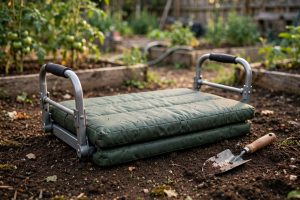
Best Garden Kneeler With Handles Reviews: A Complete Buying Guide
January 15, 2026 0 views