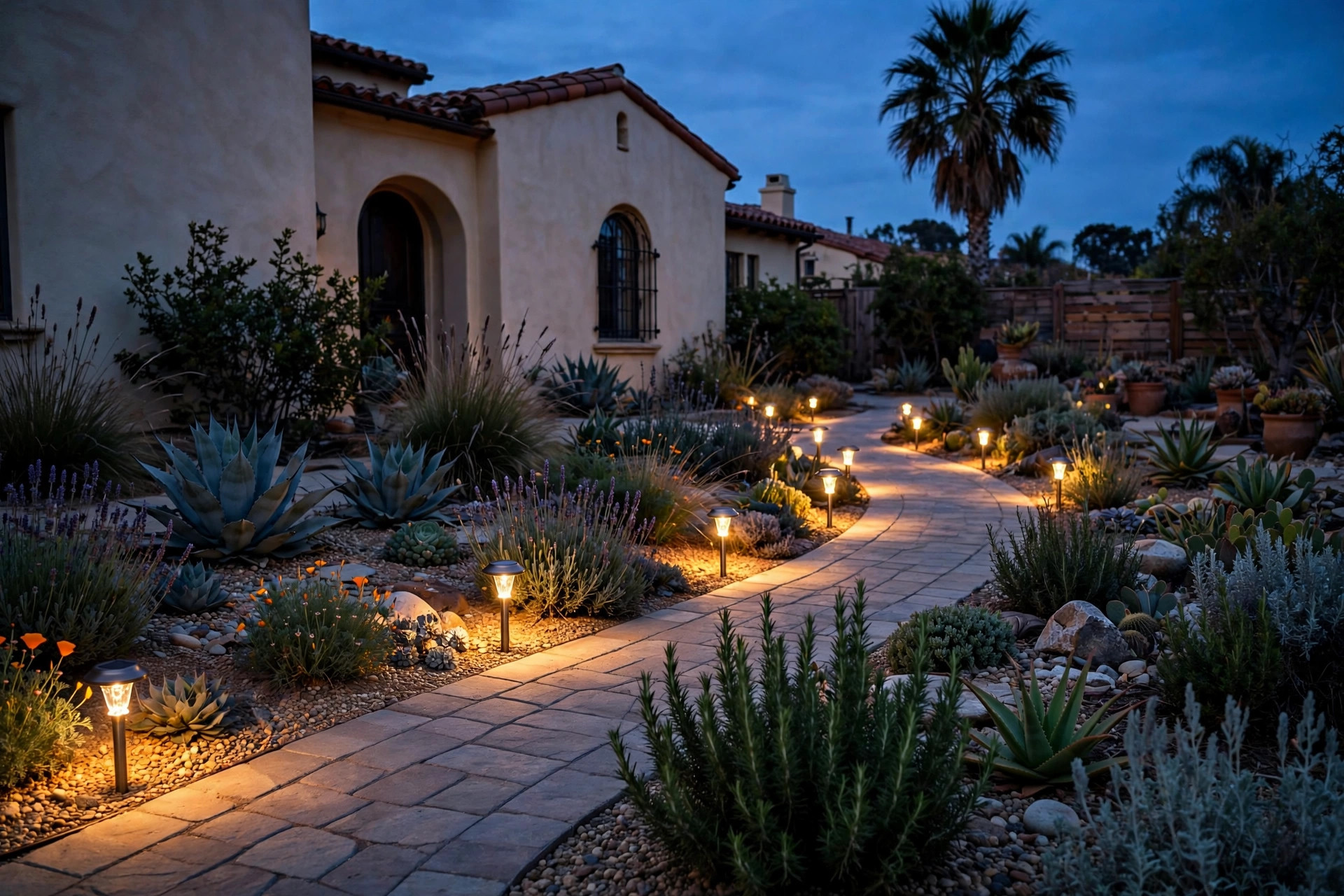
Homeowners across the state are turning to solar path lights california homes usa owners buy in growing numbers. The reason is simple. California gets more sunshine than almost any other part of the country. That free sunlight can light a walkway all night long without a single dollar spent on electricity. A solar path light charges its small battery by day and switches on by itself at dusk. No wires. No trenching. No electrician. For a California house, few upgrades are this easy or this sensible.
Why It Matters
A dark path is a hazard. People trip. Guests stumble on steps. A well lit walk keeps everyone safe and it makes a home look cared for. Curb appeal matters in California neighborhoods. A row of warm lights along a driveway or garden path gives a house a finished look that costs little.
Solar lights also fit the way California thinks about energy. The state has some of the highest electricity rates in the nation. Every watt saved is money kept. Solar path lights run entirely on sunshine, so the lighting bill for the yard is zero. They also cut the carbon load of the home, a small but real gain.
There is a practical side too. Storms knock out power in parts of California every winter. Solar lights keep working because they do not draw from the grid. The path stays lit when the rest of the block goes dark. That kind of quiet reliability is worth a great deal.
What to Look for When You Choose: Solar Path Lights California Homes Usa
Not all solar path lights are equal. A few details separate a light that glows all night from one that fades by midnight.
Brightness
Brightness is measured in lumens. Most path lights give 10 to 100 lumens. For a simple walkway, 15 to 30 lumens per light is plenty. It marks the path without flooding the yard. Brighter is not always better. A light that is too bright will blind more than it guides.
Battery and Solar Panel
The battery stores the day’s charge. Look for lithium ion batteries. They hold more charge and last longer than the older nickel cadmium type. The panel should be monocrystalline silicon, which gathers energy well even in hazy light. In California the sun is strong, but a good panel still matters on cloudy coastal days.
Housing and Materials
California sun is harsh. Cheap plastic cracks and fades after one summer. Choose stainless steel, cast aluminum, or heavy glass. These materials stand up to heat and to the dry Santa Ana winds. In coastal towns, look for rust resistant finishes. Salt air eats cheap metal.
Light Color
Warm white, around 2700 to 3000 Kelvin, feels welcoming and matches most California home styles. Cool white looks sharper and more modern. Most buyers prefer warm white for paths and gardens.
Run Time and Modes
A good light runs 8 to 12 hours on a full charge. Some models offer two modes, a steady glow and a dimmer saving mode. A saving mode stretches the charge on short winter days. Motion sensor lights are another option. They burn bright when someone walks by and dim the rest of the night, which saves battery.
For a full rundown of features, see this solar path lights buying guide before you shop.
Types and Options
Solar path lights come in several shapes. Each suits a different yard.
Stake lights are the classic type. A spike goes into the soil beside the path. They cost little and install in minutes. Most California homeowners start here.
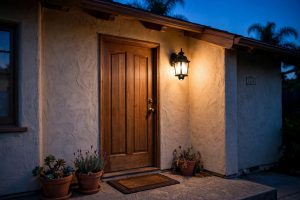
Lantern style lights look like small street lamps. They suit formal gardens and Spanish style homes common in the state. They cost more but add charm.
Disk and flat lights sit flush with the ground. They mark driveways and patios without standing in the way. Lawn crews can mow over them. They are a good pick for wide modern landscapes.
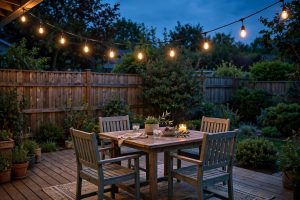
String and strand lights hang rather than stand. They suit patios and fences. If you like that festive look, read the patio string lights buying guide for ideas.
Spot lights aim upward at trees or walls. They are brighter and more focused than path lights. For accent lighting, the landscape spot lights buying guide explains how to pair them with path lighting.
Many California buyers mix two or three types. Path lights mark the walk. Spot lights lift the trees. The result is a layered look that feels designed rather than scattered.
How to Install Them
Installation is simple. That is the main joy of solar lights. Still, a few steps make the difference between lights that shine and lights that disappoint.
First, walk the path at dusk and mark where lights should go. Space them six to eight feet apart. Closer spacing gives a steady line of light. Wider spacing gives a softer, dotted effect.
Second, check the sun. Each light needs six to eight hours of direct sun. Keep them clear of eaves, dense trees, and tall fences that block the afternoon sun. In Southern California this is easy. In the Bay Area and the northern coast, watch for shade from redwoods and tall hedges.
Third, push the stake into soft ground. If the soil is hard, as it is in much of the Central Valley, water the spot first or dig a small hole with a trowel. Do not hammer the light. The plastic post can crack.
Fourth, let the lights charge for two full days before judging them. Many buyers turn them on after one cloudy afternoon and call them weak. Give the batteries time to fill.
Fifth, wipe the panels now and then. Dust from dry California winds coats the panel and cuts charging. A damp cloth once a month keeps them at full strength.
Helpful installation tips appear in many outdoor lighting guides at The Spruce, and project walkthroughs at Family Handyman show the simple tools the job needs.
Cost and Price
Solar path lights are among the cheapest lighting a homeowner can buy. A single basic stake light costs five to fifteen dollars. A set of six sells for twenty to fifty dollars. Premium lantern style sets run one hundred to two hundred dollars for six or eight lights.
The running cost is zero. There is no wiring bill and no electrician fee. A hardwired low voltage system can cost five hundred dollars or more to install. Solar skips all of that. Battery replacement every two to three years costs a few dollars per light.
Price guides at big retailers such as Home Depot and Lowe’s let you compare models side by side. Independent test results at Consumer Reports can help you weigh price against measured run time.
Care and Upkeep
Solar path lights ask for little, but they do ask for something. The batteries wear out. Most last two to three years. When a light fades early even after sunny days, swap the battery. It takes a screwdriver and two minutes.
Panels need cleaning. California dust, pollen, and ash from fire season settle on the glass. Wipe them monthly with a damp cloth. Do not use harsh cleaners. They can scratch the surface.
In winter, the days are short and some lights will not last till dawn. That is normal. You can switch some lights off in the cold months to rest the batteries, or move them to the sunniest spots in the yard.
Stakes can tilt after rain or foot traffic. Straighten them as you notice it. A leaning light looks neglected and shines in the wrong direction.
Safety
Solar path lights are low voltage and cool to the touch. They are among the safest lights a family can use. Still, a few cautions apply.
Place lights where they cannot be tripped over. Keep them off the walking surface itself. In homes with small children, choose models with smooth rounded tops and no sharp edges.
Buy lights that carry proper safety marks. The Consumer Product Safety Commission tracks recalls of outdoor electrical products, and checking its site before a large purchase is a sound habit.
Do not leave old rechargeable batteries in the trash. Take them to a battery drop off. Many hardware stores accept them.
How California Weather Shapes Your Choice
California is not one climate. It is many. A light that thrives in Palm Springs may struggle in Eureka.
In the hot interior valleys and deserts, heat is the enemy. Choose lights rated for high temperatures. Cheap batteries swell and fail in sustained heat. Store spare lights out of direct sun when not in use.
On the coast, fog and salt rule. Pick sealed, rust proof housings. A light that is not weather sealed will take in moisture and die from the inside. Stainless steel and powder coated aluminum do best near the sea.
In the foothills and mountains, winter brings frost and sometimes snow. Choose lights rated below freezing. Brush snow off panels so they can catch the weak winter sun.
The fire season brings ash. After a heavy ash fall, clean every panel. Even a thin film cuts charging by a large margin.
Energy Facts Worth Knowing
Solar path lights are small, but they belong to a bigger story. Outdoor lighting is one of the easiest places to cut energy waste. Guidance from Energy Star shows how efficient lighting choices lower a home’s total use. The U.S. Department of Energy publishes plain guides on solar basics that help buyers understand how panels and batteries work together.
For design inspiration and product roundups, lighting specialists at Lumens and Lamps Plus maintain large collections of outdoor fixtures with clear specifications. Home project veterans at Bob Vila cover yard lighting in step by step articles.
FAQ
How long do solar path lights last?
The light fixture itself can last five to ten years. The battery lasts two to three years and can be replaced. The LED bulb often lasts the life of the fixture.
Will they work on cloudy days?
Yes, but with less charge. Good panels gather energy even in overcast light. In foggy coastal areas, pick lights with larger panels and bigger batteries to ride through gray stretches.
Do solar path lights attract bugs?
Less than bright white porch lights do. Warm white LEDs draw fewer insects. If bugs are a problem, choose amber or warm tones rather than cool white.
Can I leave them out all year in California?
In most of the state, yes. California winters are mild enough that the housings survive. In mountain areas with hard freezes, store them or buy frost rated models.
How many lights do I need for a 50 foot path?
Plan on seven to nine lights spaced six to eight feet apart. That gives steady coverage without gaps.
Are solar path lights worth it compared with wired lights?
For most homes, yes. Wired systems give steadier light, but they cost far more to install and they draw grid power. Solar lights cost little, install in an afternoon, and run free. For paths and gardens, that trade is hard to beat.
A Short Final Word
Solar path lights california homes usa shoppers choose are a small purchase with an outsized return. They light the way for family and guests. They lift the look of the house after dark. They cost nothing to run and almost nothing to keep. In a state blessed with sunshine, it is only common sense to let that sunshine do the work. Pick sturdy lights, give them good sun, wipe the panels now and then, and the path will glow for years.
References
Bob Vila. (n.d.). Home improvement advice. https://www.bobvila.com Consumer Reports. (n.d.). Product reviews and ratings. https://www.consumerreports.org ENERGY STAR. (n.d.). Energy efficient products. https://www.energystar.gov Family Handyman. (n.d.). DIY home repair and maintenance. https://www.familyhandyman.com Lamps Plus. (n.d.). Lighting and home decor. https://www.lampsplus.com Lowe’s. (n.d.). Home improvement products. https://www.lowes.com Lumens. (n.d.). Lighting and ceiling fans. https://www.lumens.com The Home Depot. (n.d.). Home improvement products. https://www.homedepot.com The Spruce. (n.d.). Home and garden advice. https://www.thespruce.com U.S. Consumer Product Safety Commission. (n.d.). Product safety information. https://www.cpsc.gov U.S. Department of Energy. (n.d.). Energy efficiency and renewable energy. https://www.energy.gov
Was this guide helpful?

About Emily Rodriguez
The My Garden US editorial team writes practical, in-depth home and garden guides for American homeowners — tested advice, no fluff.