
A well-lit yard feels safer and looks better at night. This landscape spot lights buying guide usa walks you through every choice step by step. You will learn what spot lights do, how to pick the right ones, and what they cost. The guide also covers care, upkeep, and safety. By the end, you can shop with a clear plan.
Why Landscape Spot Lights Matter
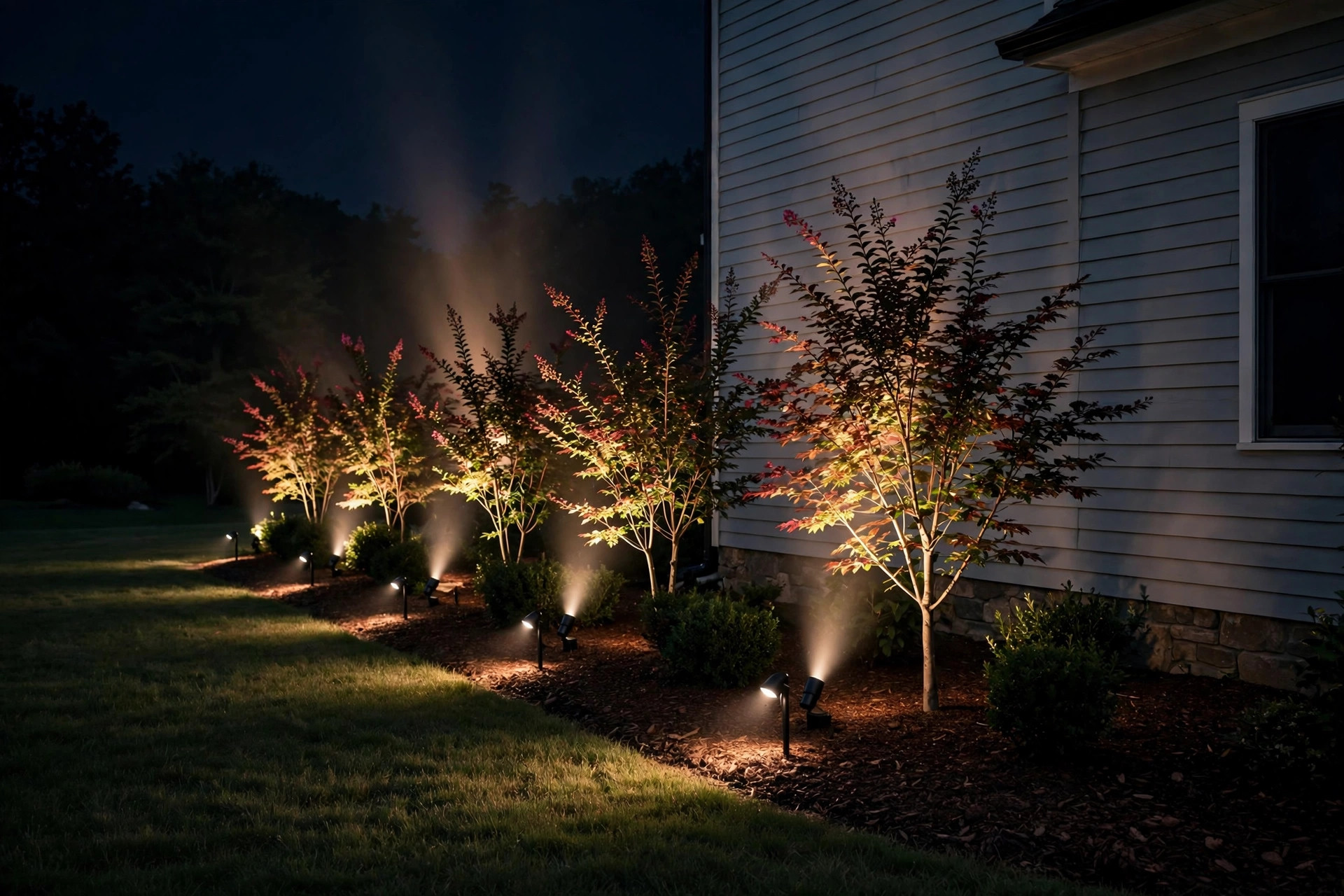
Spot lights are small fixtures that throw a tight beam of light. People place them at ground level and aim them upward or across. The narrow beam draws the eye to one thing. That thing can be a tree, a stone wall, a statue, or the front of a house.
Light changes how a home looks after dark. A dark yard can look empty and unkept. The same yard with good light looks warm and cared for. Soft pools of light show the shape of trees and the lines of a path. Bright spots near doors make guests feel welcome.
Spot lights also add safety. A lit yard is harder to approach unseen. Walkways become easier to see. Steps and edges show up clear. Many homeowners start with spot lights before they add other outdoor lights.
Good lights also add value to a home. Buyers notice a yard that looks nice at night. Real estate agents often point it out. The cost is small next to the gain. A few dozen dollars per fixture can change the whole look of a property.
How to Choose: What to Look For: Landscape Spot Lights Buying Guide Usa
Shopping for spot lights is easier when you know the terms. Focus on four things: brightness, beam angle, power source, and build quality. Get these right and the rest falls into place.
Brightness and Color
Brightness is measured in lumens. More lumens mean more light. For a small plant or shrub, 100 to 200 lumens is enough. For a medium tree, look at 300 to 600 lumens. For a tall tree or the side of a house, 700 to 1,000 lumens works well.
Color is measured in Kelvin. Low numbers look warm and soft. A warm white near 2700K feels like sunset. It suits homes, gardens, and trees. Higher numbers look cool and sharp. A cool white near 5000K feels like day light. It suits modern homes and work areas. Most yards look best in warm white.
Some spot lights let you change the color. These are fun but cost more. If you want a calm look, fixed warm white is the safe pick.
Beam Angle
Beam angle tells you how wide the light spreads. A narrow beam, near 15 to 25 degrees, makes a tight spot. Use it for tall narrow trees and columns. A medium beam, near 35 to 45 degrees, suits most trees and shrubs. A wide beam, near 60 degrees or more, washes a wall or fence with light.
Match the beam to the target. A narrow beam on a wide wall leaves dark gaps. A wide beam on a tall tree wastes light into the sky. Many brands print the beam angle on the box. Check it before you buy.
Power Source: Solar, Low Voltage, or Line Voltage
Spot lights come in three power types. Each has a clear use.
Solar spot lights run on sun power. A small panel charges a battery by day. The light turns on at dusk. They are easy to place. No wires, no digging. But they are the weakest option. They give less light and run for fewer hours. On cloudy days they may fade by midnight. Solar works best for small accent lights in sunny spots.
Low voltage spot lights run on a transformer. The transformer plugs into an outdoor outlet and steps power down to 12 volts. You run thin cable under mulch or grass to each light. This is the most common choice for yards. Low voltage lights are bright, safe to touch, and easy to install. Kits with a transformer and several lights keep the cost low. Many landscaping guides suggest low voltage as the starting point for first-time buyers.
Line voltage spot lights plug straight into house current. They are the brightest option. They also need an electrician in most states. They cost more to install. Use them only when you need strong light over a wide area.
Build and Finish
Outdoor lights face rain, heat, and cold. Look for metal bodies. Brass and cast aluminum last the longest. Plastic bodies cost less but fade and crack over time. A glass lens stays clear longer than plastic.
Check the weather rating. Look for lights rated for wet locations. That rating means the light can sit out in rain. Also check the cable. Low voltage cable should be thick enough to carry power to the last light in the run.
Finish matters for looks. Black and dark bronze blend into mulch and soil. Green blends into grass. Pick a finish that hides the fixture by day. The light should be seen, not the fixture.
Types and Options
Makers sell several kinds of spot lights. Here is what you will see on store shelves.
Stake lights. These push into the ground on a spike. They are cheap and easy to move. They suit renters and people who like to change the layout. The weak point is the stake. Cheap plastic stakes snap in hard soil. Metal stakes last longer.
Bullet lights. These are the classic spot light shape. A round head sits on a short stand. You can tilt the head to aim the beam. They cost a bit more than stake lights but look better and last longer. Many pros use them.
In-ground well lights. These sit flush with the ground in a tube. Only the lens shows. They are safe for lawns because mowers pass right over them. They cost more and need digging. They look very clean.
Wall wash lights. These give a wide even beam. Use them to light fences, walls, and hedges. They are less of a spot and more of a wash. Many brands group them with spot lights anyway.
Smart spot lights. These link to a phone app or a home hub. You can change color, dim the light, and set timers. They cost more. They are fun for parties and holidays. If you already use wifi smart bulbs for florida homes usa or other smart gear, smart spots may fit right in.
Adjustable vs fixed. Adjustable heads let you change the aim after install. Fixed heads do not. Adjustable costs a bit more but saves trouble later.
Cost and Price
Spot lights come in wide price bands. A single solar stake light can cost five to fifteen dollars. A good low voltage bullet light costs twenty to sixty dollars. A brass well light can cost eighty to one hundred fifty dollars.
Kits bundle several lights with a transformer. A four-light low voltage kit often costs sixty to one hundred twenty dollars. A six-light kit runs ninety to two hundred dollars. Kits save money over buying parts one by one. Check that the transformer has spare capacity. A transformer rated for 200 watts with six 20-watt lights is full. Leave room to add lights later.
Running cost is small. A 7-watt LED spot light costs only a few dollars per year to run. LED bulbs last 25,000 hours or more. You may never change a bulb. Compare models on Energy Star lists to find efficient picks.
Installation cost adds up if you hire help. A simple DIY low voltage job costs nothing but your time. An electrician may charge two hundred to five hundred dollars for a line voltage install. Most buyers stay with low voltage and do the work themselves.
Prices vary by store and season. Check Home Depot and Lowe’s for current kit prices. Sale seasons in spring and fall often bring deep cuts.
Care and Upkeep
Spot lights need little care. A little work each year keeps them bright.
Clean the lens twice a year. Dirt, pollen, and bug stains block light. Wipe the lens with a damp cloth. Do not use harsh cleaners. They can cloud the lens.
Trim plants around the lights. Bushes grow and block the beam. A quick trim in spring and fall keeps the light path clear. Move stake lights if roots push them out of line.
Check the cable once a year. Pets, shovels, and mowers can nick low voltage cable. Look for cuts and bare wire. Repair with outdoor-rated splice kits. Keep connections above soil so they stay dry.
For solar lights, clean the panel. A dirty panel charges less. Replace rechargeable batteries every one to two years. Weak batteries are the top cause of dim solar lights.
For low voltage systems, check the transformer. Make sure vents are clear of leaves. If half the lights go out, check the cable run for a break. Most problems trace back to one bad splice.
Safety
Outdoor light is safe when installed right. Follow these rules.
Use only lights rated for outdoor or wet locations. Indoor lights fail fast outside. The box or spec sheet states the rating. When in doubt, ask the store.
Keep line voltage work to licensed electricians. Low voltage DIY is safe for most people. The 12-volt line will not shock you. Still, turn off the transformer before you touch wires.
Do not aim spot lights at neighbor windows. Bright light through a bedroom window causes real trouble. Angle beams down or across your own yard. Shields and glare guards help. Many towns have rules on light trespass. Check local rules before a big install.
Point lights with care around wildlife. Very bright light can disturb nesting birds. Use the lowest brightness that does the job. Warm color light is gentler than cool white.
Watch for heat. Old halogen spot lights get very hot. Keep plants and mulch away from them. LED lights run cool and are safer near plants. If you still use halogen, plan a switch to LED.
Follow product safety notes. The Consumer Product Safety Commission tracks recalls of outdoor lighting. Check their site if you buy used or off-brand lights.
Frequently Asked Questions
How many spot lights do I need for my yard?
Start small. Most small yards look good with four to six spot lights. Pick three to five targets: a tree, the front door area, a path edge, and one feature plant. Add more only if dark spots remain. Too many lights make a yard look flat and harsh.
Are solar spot lights bright enough?
Solar lights suit small accent jobs. They light a single shrub or a step. They do not match low voltage lights for trees or walls. If you need real brightness, choose low voltage. If you want quick and easy, solar works in sunny spots.
What is the best color temperature for landscape lighting?
Warm white near 2700K to 3000K suits most homes. It makes plants look rich and homes look warm. Cool white near 5000K can make a yard look cold and clinical. Stick with warm white unless you have a very modern home.
Can I install low voltage spot lights myself?
Yes. Most kits need only a screwdriver and a shovel. Lay the cable on top of the soil first. Test the lights at night. Then bury the cable an inch or two deep. Follow the kit manual. If you are unsure about the outlet wiring, call an electrician.
How far apart should spot lights go?
It depends on the target. For a row of trees, space lights about ten to fifteen feet apart. For a wall, space lights six to ten feet apart with wide beams. For a single tree, use one or two lights aimed from opposite sides. Two lights cross-lit from both sides give the fullest look.
Do spot lights raise my power bill?
Very little. A set of six 7-watt LED spot lights uses 42 watts. Run five hours a night and the monthly cost is well under a dollar in most states. Check Energy.gov for tips on cutting outdoor lighting cost.
A Short Final Word
Good yard light comes down to a few smart choices. Pick warm white LEDs. Match the beam to the target. Choose low voltage for the best mix of brightness and ease. Buy metal bodies built for wet weather. Start with a small kit and grow the system over time.
Shoppers who want more background can read lighting advice on Bob Vila, compare specs on Philips pages, browse fixtures on Lumens and Lamps Plus, or read test results from Consumer Reports. For indoor projects, see our kitchen track lighting usa online deals guide and the led recessed lights installation guide usa.
References
Bob Vila. (n.d.). Home improvement advice. https://www.bobvila.com Consumer Reports. (n.d.). Product reviews and ratings. https://www.consumerreports.org ENERGY STAR. (n.d.). Energy efficient products. https://www.energystar.gov Lamps Plus. (n.d.). Lighting and home decor. https://www.lampsplus.com Lowe’s. (n.d.). Home improvement products. https://www.lowes.com Lumens. (n.d.). Lighting and ceiling fans. https://www.lumens.com Philips. (n.d.). Lighting products. https://www.philips.com The Home Depot. (n.d.). Home improvement products. https://www.homedepot.com The Spruce. (n.d.). Home and garden advice. https://www.thespruce.com U.S. Consumer Product Safety Commission. (n.d.). Product safety information. https://www.cpsc.gov U.S. Department of Energy. (n.d.). Energy efficiency and renewable energy. https://www.energy.gov
Was this guide helpful?

About Robert Taylor
The My Garden US editorial team writes practical, in-depth home and garden guides for American homeowners — tested advice, no fluff.
You May Also Like
WiFi Smart Bulbs: Reviews and Buying Guide for USA Homes
January 21, 2026 0 views
Kitchen Track Lighting Buying Guide USA: What to Know Before You Shop
June 26, 2026 0 views
Reading Floor Lamps for Sale USA: A Plain Guide for Buyers
August 22, 2026 0 views