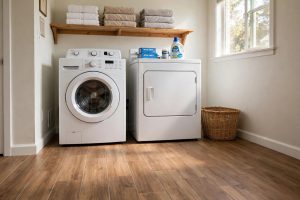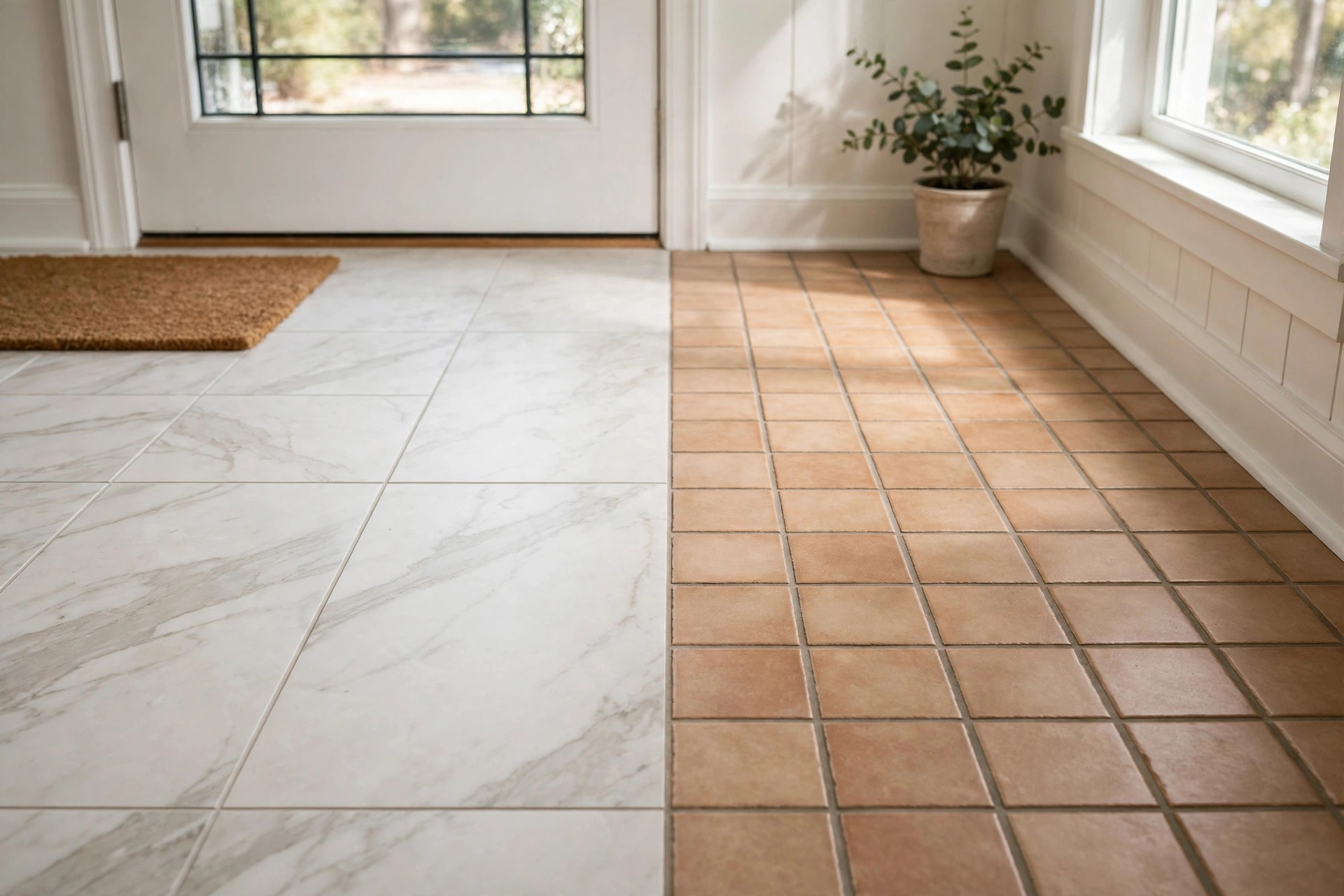

The question of porcelain vs ceramic tile for floors usa shoppers face is a common one. Both tiles sit in the same aisle. Both look much alike. Yet they are not the same product. The difference lies in how each tile is made, how dense it is, and how well it stands up to daily use. This guide lays out the facts in plain terms so you can choose with confidence.
A floor is not a small purchase. It must last for years. It must bear foot traffic, spills, pets, and dropped pans. The right choice starts with knowing what separates porcelain from ceramic, what each one costs, and where each one works best in an American home.
Why the Choice Matters
Tile floors can last for decades. A poor choice, however, shows its flaws fast. Chips at the edges. Cracks from a dropped pot. Stains that no cleaner can lift. The porcelain vs ceramic tile for floors usa debate matters because each tile handles these problems in a different way.
Porcelain is the harder of the two. It resists moisture to a high degree. It holds up well in busy kitchens, hallways, and mudrooms. Ceramic costs less in most cases. It suits light-traffic rooms and walls where the wear is mild. If you pick the wrong one for the room, you may replace it far sooner than you planned.
The choice also affects your budget. Porcelain often costs more per square foot, and its dense body can make it harder to cut and set. Ceramic is easier for many installers to work with, which can lower the tile installation cost per square foot usa for your project. Both are worth a close look before you buy.
What to Look For When You Compare: Porcelain vs Ceramic Tile for Floors Usa
A few plain measures tell you most of what you need to know.
Water absorption. Tiles earn a rating for how much water they take in. Porcelain absorbs very little, usually under one half of one percent. Ceramic absorbs more. In a bathroom or entry that sees wet shoes, the lower rate matters.
Hardness and wear. Look for the PEI rating on the box. It runs from 1 to 5. Floors in main rooms should be rated 3 or higher. Porcelain often lands at 4 or 5. Ceramic for floors should also be at least 3, but many wall tiles rate only 1 or 2 and should never go on a floor.
Through-body color. Some porcelain tiles carry the same color all the way through the body. If such a tile chips, the mark is far less visible. Most ceramic tiles have a glazed surface over a red or white clay body, so a chip shows plainly.
Slip resistance. Check the DCOF value, a measure of how slippery the tile is when wet. For floors in baths and entries, a value of 0.42 or higher is the accepted guide. Both porcelain and ceramic offer slip-resistant finishes, but you must ask for them by name.
Retailers such as Home Depot and Lowe’s print these ratings on the tile boxes and on their product pages. Flooring specialists like LL Flooring do the same. Read the label before you fall in love with the pattern.
Types and Options
Porcelain Tile
Porcelain starts as a fine clay mixed with other minerals. It is fired at very high heat. The result is a dense, hard tile with a water absorption rate below 0.5 percent. It comes in glazed and unglazed forms, and modern printing can give it the look of wood, stone, or concrete.
Porcelain suits kitchens, baths, laundry rooms, and entries. Some lines are rated for outdoor patios in mild climates. It is the default pick for homes with dogs, children, or heavy foot traffic. For wet rooms, its low absorption rate gives it a clear edge over ceramic.
Ceramic Tile
Ceramic is made from a coarser clay and fired at lower heat. It is softer and more porous than porcelain. A glazed surface gives it color and pattern, and that glaze can be rich and varied. Ceramic costs less to make, so it often costs less to buy.
Ceramic works well in light-traffic rooms such as bedrooms and formal living rooms. It is a fine choice for walls and backsplashes. For floors, it should be rated PEI 3 or higher, and it needs a good sealer at the grout lines. If you are weighing porcelain vs ceramic tile for floors with a maker such as Daltile, ask which of their ceramic lines are rated for floor use, since many are made for walls only.
Glazed vs Unglazed
Both porcelain and ceramic come glazed or unglazed. Glaze adds color, shine, and stain resistance. Unglazed tile has a matte, natural look and can hide scratches well, but it may need sealing. For floors, glazed porcelain is the most common pick in USA homes.
How the Two Compare Head to Head
| Feature | Porcelain | Ceramic | |—|—|—| | Water absorption | Under 0.5% | Often 3% or more | | Hardness | Very hard, dense | Softer, less dense | | Floor ratings | Common at PEI 4 to 5 | Often PEI 3 to 4 | | Chip visibility | Low with through-body color | Higher, body differs from glaze | | Outdoor use | Many lines rated for it | Rarely rated for it | | Ease of cutting | Harder to cut, needs good tools | Easier to cut and set | | Typical price | Mid to high | Low to mid |
For a busy kitchen floor, porcelain usually wins. For a guest bedroom that sees little wear, ceramic can save real money. Neither is wrong in the right room.
Where Each Tile Works Best in the Home
Room by room, the choice gets clearer.
In the kitchen, porcelain is the steady pick. Dropped cans, hot pans, and spilled soup are daily events. A glazed porcelain floor shrugs them off. Ceramic can work in a small kitchen that sees light use, but chips will show sooner.
In bathrooms, porcelain wins on water resistance. Steam and splashes are constant. A matte porcelain with a good slip rating is the safest and most lasting choice for the main family bath. Ceramic is fine for a powder room that sees little water.
In entries and mudrooms, foot traffic is the test. Wet boots, sand, and grit wear floors fast. Porcelain stands up to it. It also suits laundry rooms and basements where moisture may appear.
In bedrooms and living rooms, the wear is mild. Here ceramic shines as a value pick. It brings color and pattern at a lower price, and it does not face the abuse that kitchens and baths dish out.
For sunrooms and covered porches in mild climates, some porcelain lines carry a frost rating for outdoor use. Ceramic is rarely rated for freeze and thaw, so it should stay indoors.
Cost and Price
Tile prices vary by brand, size, and design. As a rough guide in the USA market, ceramic floor tile often runs from about 2 to 7 dollars per square foot. Porcelain often runs from about 3 to 10 dollars per square foot. Designer lines and large-format tiles cost more.
Labor is a large share of the bill. Setting tile takes skill and time. Because porcelain is harder to cut, some installers charge a bit more to set it. Be sure to get written quotes that list materials and labor apart. Our guide on tile installation cost per square foot usa gives a fuller picture of what drives the price.
Do not forget the extras. Underlayment, thinset mortar, grout, sealer, and trim pieces add up. A radiant heat mat under the tile is another cost many owners add in baths. If that interests you, read up on electric radiant floor heat for tile reviews before you set your budget. Also allow ten percent extra tile for cuts and waste.
Grout choice affects the long-term look. Many owners compare epoxy grout vs cement grout comparison usa before they buy, since grout lines take the most abuse on any tile floor.
Care and Upkeep
Both tiles are easy to care for, and that is one of their main draws.
Sweep or vacuum often. Grit under shoes works like sandpaper on any floor. Mop with warm water and a mild cleaner made for tile. Avoid harsh acids and strong bleach on a regular basis, since they can wear the glaze and the grout over time.
Seal the grout lines on cement-based grout once a year, or as the sealer maker directs. Porcelain itself rarely needs sealing. Some unglazed ceramic and natural-look tiles do need it, so follow the tile maker’s advice.
Makers such as Shaw Floors and Mohawk Flooring publish care guides for their tile lines. The Spruce also keeps plain-language cleaning guides that suit most glazed tiles. This Old House offers step-by-step repair articles for cracked or loose tiles.
Safety
Tile floors can be hard and, when wet, slippery. A few steps make them safer.
Choose a slip-resistant finish for baths, entries, and kitchens. The DCOF rating of 0.42 or higher is the standard guide for wet areas. Textured and matte finishes grip better than polished ones.
Use rugs or runners in spots where water lands, such as in front of the sink or the tub. Make sure rug pads sit flat so no one trips.
When cutting tile, wear eye protection and a dust mask. A wet saw keeps dust down and is the safer tool for porcelain. Let the installer handle the cuts if you lack the right tools.
For families with older members, a matte porcelain with a high slip rating is often the safest floor pick. It pairs strength with grip, and it does not need waxing.
FAQ
Is porcelain always better than ceramic for floors?
Not always. Porcelain is harder and more water-resistant, which suits kitchens, baths, and entries. Ceramic costs less and does fine in light-traffic rooms. The best tile is the one that matches the room’s wear.
Can ceramic tile go on a bathroom floor?
Yes, if it is rated for floor use with a PEI rating of 3 or higher. It must have a slip-resistant finish, and the grout should be sealed well. Porcelain is still the safer pick for very wet baths.
Which is easier to install, porcelain or ceramic?
Ceramic is easier to cut and set. Porcelain is dense and can wear out blades fast, so installers may charge more. Both need a flat, sound subfloor and the right thinset.
Does porcelain tile need sealing?
Glazed porcelain does not need sealing in most cases. The glaze itself is the seal. Unglazed porcelain and some polished lines may call for it. Always follow the maker’s guide.
What size tile is best for floors?
Large-format tiles, such as 12 by 24 inches, are popular in open rooms because they show fewer grout lines. Smaller tiles give more grout grip in wet baths. The room size and the slip needs should guide the choice.
How long do porcelain and ceramic floors last?
With sound installation and normal care, either can last 20 years or more. Porcelain often outlasts ceramic in busy rooms because it resists chips and stains better.
A Short Final Word
The porcelain vs ceramic tile for floors usa decision comes down to the room and the budget. Porcelain gives you hardness, low water uptake, and long life in the hardest-working rooms of the house. Ceramic gives you charm and savings where the traffic is light. Compare the ratings on the box, count the true cost with labor and grout, and pick the tile that fits the job at hand. A floor chosen with care will serve the house for many years.
References
Daltile. (n.d.). Ceramic and porcelain tile. https://www.daltile.com LL Flooring. (n.d.). Hardwood, vinyl, and tile flooring. https://www.llflooring.com Lowe’s. (n.d.). Home improvement products. https://www.lowes.com Mohawk Flooring. (n.d.). Flooring products. https://www.mohawkflooring.com Shaw Floors. (n.d.). Flooring products. https://www.shawfloors.com The Home Depot. (n.d.). Home improvement products. https://www.homedepot.com The Spruce. (n.d.). Home and garden advice. https://www.thespruce.com This Old House. (n.d.). Home renovation guidance. https://www.thisoldhouse.com
Was this guide helpful?

About Sarah Mitchell
The My Garden US editorial team writes practical, in-depth home and garden guides for American homeowners — tested advice, no fluff.
You May Also Like
Best Outdoor Tile for Screened Porch USA: A Practical Guide to Flooring That Lasts
October 4, 2026 0 views
Refinishing Hardwood Floors Cost Calculator: A Complete Guide to Prices and Planning
July 12, 2026 0 views
Steam Cleaner for Tile Grout Reviews USA: A Plain and Honest Guide
March 22, 2026 0 views