
Introduction
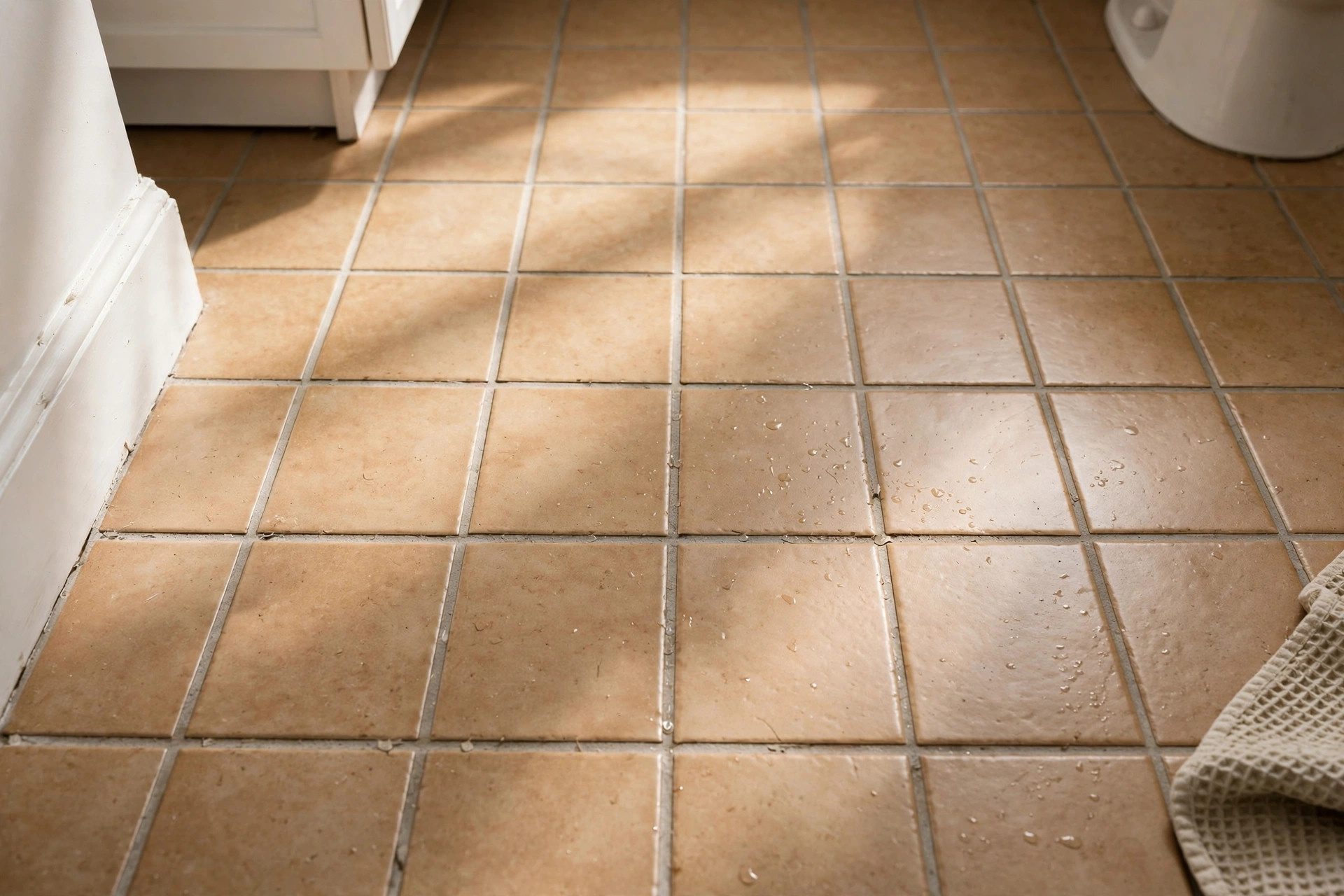
Cold tile greets bare feet on many winter mornings. This is the main reason home owners read electric radiant floor heat for tile reviews. Electric heat sits under the tile and warms it from below, so the floor feels mild and even underfoot, and the room gains gentle heat as well.
This guide covers how the systems work, what to look for, types, costs, care, and safety, ending with answers to common questions.
Tile pairs well with electric heat because it conducts heat better than wood or carpet. The surface warms in minutes. That is why so many reviews praise heated tile in baths, kitchens, mudrooms, and entryways.
Before you spend money, learn the basics below.
Why It Matters: Electric Radiant Floor Heat for Tile Reviews
Tile floors look clean and last for decades, but they feel cold. In northern states, a bathroom floor can stay cold from fall to spring. Slippers help only a little. Electric heat solves the problem at its source by warming the floor itself.
Owners in reviews speak of stepping out of the shower onto a warm floor and of kitchens that feel kind on cold mornings. The heat is silent. There are no vents or fans, and no dust moves through the air. People with allergies often like this part.
The system also adds a mild room heat. A heated bathroom floor can raise the air temperature by several degrees. In a small bath, that may be all the extra heat you need. In larger rooms, it works as a helper to the main heating system. It does not replace a furnace. It simply makes cold rooms feel warmer.
Home value can rise too. Heated floors read as a luxury feature that buyers notice. It costs less than many luxury upgrades; a small bath can be fitted for a few hundred dollars in materials.
Energy use stays modest. Mats use power only while the thermostat calls for heat. Most owners run them on a timer. Reviews often note that the monthly cost is small compared with the comfort gained.
What to Look For
Reviews agree on the key features. Study this list before you shop.
Wattage density. Most floor heating mats give 12 to 15 watts per square foot, which warms tile well. Higher wattage heats faster but costs more to run.
Voltage. Small rooms use 120-volt systems; larger areas use 240-volt systems, which heat more area at lower current. Ask your electrician which one your panel supports before you order.
Thermostat with floor sensor. The sensor sits in the floor between the heating wires and reports the true floor temperature. A good thermostat allows schedules and a floor limit so tile never gets too hot. Smart models add phone control. Reviews rate the thermostat as one of the most important parts.
Safety listing. Buy only products listed by UL or ETL. The listing proves the product passed safety tests. Unlisted heating wire is a bad risk. Reputable brands print the listing on the box and on the wire itself.
Mat versus cable. Mats are heating wire fixed to a mesh sheet. They unroll fast and keep wire spacing even. They suit square and simple rooms. Loose cable fits odd shapes, angles, and narrow strips. Cable takes longer to install. Both heat the same way once buried in thinset.
Cold lead length. The cold lead is the plain wire that runs from the mat to the thermostat. Make sure it is long enough to reach your wall box. Short leads force awkward splices.
Warranty. Strong brands offer 25-year or lifetime warranties on the heating cable. The thermostat often carries about three years. Some warranties require a registered installer or a photo of the layout before tile goes down.
Thinset and membrane compatibility. The system must work with your tile setting method. Most work with standard thinset mortar. Some brands sell a membrane that holds the cable and also guards against cracks. Ask the tile setter which method they prefer.
When you read electric radiant floor heat for tile reviews online, watch for phrases like even heat with no hot spots and a quiet, true-reading thermostat. Watch for complaints about weak thermostats and short leads; those are signs to look elsewhere.
Types and Options
Four kinds of systems appear in the market. Only two suit tile well.
Electric Heating Mats
Mats are the most popular choice for tile. The wire comes pre-spaced on fiberglass mesh. You cut the mesh, never the wire, to turn corners. You roll the mat out, tape it down, and cover it with thinset. The tile goes on top. Sizes run from small two-foot squares to long rolls that cover a whole bath. This is the system most home owners mean when they say electric radiant floor heat for tile.
Loose Cable Systems
Loose cable gives the installer full control. The wire spools out free and clips into strapping or a studded membrane. Spacing can be tight for more heat or wide for less. Cable fits L-shaped rooms and narrow strips where mats will not work, though install labor runs higher because each run is laid by hand.
Carbon Film
Carbon film is a thin plastic sheet with printed heating tracks. It works under floating floors like laminate. It does not suit tile. Mortar and thinset do not bond well to it. Reviews warn against putting film under tile. Skip it for this job.
Hydronic Systems
Hydronic heat runs warm water through tubes under the floor and heats whole houses well, but it costs far more to install than electric mats. For one bath or kitchen, electric wins on price and ease.
Thermostat Options
Manual thermostats cost the least and turn on and off with a dial. Programmable models follow a daily schedule, which reviews favor for baths. Smart models add phone control and energy reports. All three need a floor sensor.
Retailers such as Home Depot and Lowe’s carry several brands side by side, which makes it easy to compare mat sizes and thermostat features in one visit.
Cost and Price
Prices vary by room size, brand, and local labor. These ranges reflect common United States pricing.
Materials. Electric heating mats cost about 8 to 15 dollars per square foot, so a 30-square-foot bath needs about 300 to 450 dollars in mat. Loose cable kits cost about the same. A thermostat costs 80 to 300 dollars, with smart models at the top end. Many installers buy a spare floor sensor, about 20 dollars, as a backup during the job.
Labor. Tile work and electrical work are separate trades. The tile setter lays the wire in the thinset; the electrician wires the thermostat and circuit. Tile labor follows normal tile rates, so see our guide on tile installation cost per square foot usa. Electrician time runs 400 to 1,500 dollars, with the high end applying when a new circuit must be added to the panel.
Total project. A small bath often totals 1,200 to 2,500 dollars, tile included, and a 100-square-foot kitchen totals 2,500 to 5,000 dollars. See heated bathroom floor cost per square foot and radiant floor heating installation cost usa for deeper regional breakdowns.
Running cost. A 50-square-foot mat at 12 watts per square foot draws 600 watts, the same as a small space heater. At 15 cents per kilowatt-hour, four hours a day on a timer costs about 11 dollars a month. Most owners report 10 to 25 dollars a month in winter. The thermostat cuts power at the set point, so real use runs lower than full-power math.
Ways to save. Heat only the walking area, not under the vanity or tub. Use a programmable schedule and set the floor to a mild 80 degrees, not a hot 90. Insulate below the mat if you can, so heat goes up into the tile. Testers at Consumer Reports and guides at The Spruce stress that a floor sensor and a timer save the most energy.
Care and Upkeep
Electric floor heat needs almost no care. There are no moving parts. There is nothing to oil or clean. Still, a few habits protect your investment.
Keep the thermostat dry and dust-free, wiping it with a dry cloth. If the display goes blank, check the breaker first; breakers trip more often than thermostats fail.
Never nail, screw, or drill into a heated floor. This is the top rule in every manual. A fastener through the wire kills that section. Take a photo of the mat before the tile goes down and keep it with your home records.
Use floor-safe cleaners on the tile. Harsh acids can eat grout, but they do not harm the wire below. The wire sits in thinset, sealed from the room. Mop as you normally would.
Test the system once a year. Run it for an hour in the fall before the cold season. Listen for the thermostat click. Feel the floor warm up. If one area stays cold, call the installer. A spare sensor, buried during the job, lets the technician switch over fast if the first sensor fails.
Tile makers such as Daltile note that porcelain and ceramic tile handle mild heat cycles with ease. Guides from Shaw Floors and Mohawk agree: the tile itself needs no special care beyond normal cleaning.
Safety
Electric heat under tile is safe when installed to code. Follow these rules.
GFCI protection. The circuit must have ground-fault protection, and most thermostats include a GFCI inside. It cuts power in a fraction of a second if current leaks. Test the GFCI button once a month.
Listed products only. Use wire and thermostats listed by UL or ETL. The listing mark means the product passed fire and shock tests. Keep the box or manual with the listing number in your records.
Do not overlap mats. Heating wire must never cross over itself. Overlapped wire traps heat and can overheat. Cut only the mesh, never the wire. Follow the layout plan from the maker.
Sensor placement. The floor sensor must sit between two wire runs, not on top of a wire. A sensor on the wire reads too hot and shuts the system off early; a sensor far from the wire lets the floor overheat. Place it dead center between runs.
Rugs and furniture. Thick rugs block heat and can trap it, so use thin rugs if you must. Keep heavy furniture with solid bases off heated areas when you can, since air must move over the floor for the heat to spread.
Permits and pros. Most towns require an electrical permit for a new heating circuit, and a licensed electrician should make the final hookup. This Old House has plain guides on what a proper radiant install looks like, which helps you judge a bid.
Damage response. If the breaker trips and will not reset, stop and do not keep resetting it. A repeated trip means a fault in the wire or the thermostat. Call the installer or an electrician; forcing power through a damaged wire is dangerous.
Retailers from LL Flooring to the big home centers all print the same warnings in their manuals. Respect them and the system will run safe for decades.
Frequently Asked Questions
Will electric floor heat warm the whole room?
It warms the floor first and the room second. In a small bath, the floor heat alone may keep the room comfortable. In a large kitchen, it serves as a helper, taking the chill off the floor and adding mild air warmth. It does not replace a furnace or heat pump.
Can it go under any tile?
It works under ceramic, porcelain, and most stone tile. Porcelain is the favorite in reviews because it is dense and spreads heat well. Thick stone takes longer to warm. Always check the tile maker’s heat limits; most tile handles floor heat with ease.
How much does it raise the floor height?
Very little. The wire is about one-eighth of an inch thick, and the thinset adds about the same, so total rise is often one-quarter inch or less. Door thresholds usually absorb this. Tell your tile setter about the heat so they plan the height at doors.
How long does the system last?
The heating wire often carries a 25-year or lifetime warranty, and systems from the 1990s still run today. The thermostat is the part most likely to fail first, and it is a simple wall swap. The wire under the tile cannot be reached, so buy a listed brand and hire careful installers.
Can I install it myself?
A skilled home owner can lay the mat and set the tile, but the electrical hookup should go to a licensed electrician in most areas. Some makers honor the warranty only with a registered installer. Read the warranty before you decide.
Is it safe to leave on while I am away?
Yes, with a thermostat in charge. Set a low floor temperature or a schedule that runs only at set hours. The GFCI and the floor sensor guard the system. Many owners leave it on a winter schedule all season.
A Final Word
Electric radiant floor heat for tile earns the praise it gets in reviews. It turns cold tile into a warm, kind surface. It runs silent and needs almost no care. The parts are simple: listed wire, a floor sensor, and a good thermostat.
Shop with the checklist in this guide. Match the wattage and voltage to your room, buy a listed product with a strong warranty, and hire a licensed electrician for the hookup. Keep a photo of the wire layout. Then enjoy warm floors on the coldest mornings of the year.
References
Consumer Reports. (n.d.). Product reviews and ratings. https://www.consumerreports.org Daltile. (n.d.). Ceramic and porcelain tile. https://www.daltile.com LL Flooring. (n.d.). Hardwood, vinyl, and tile flooring. https://www.llflooring.com Lowe’s. (n.d.). Home improvement products. https://www.lowes.com Mohawk Flooring. (n.d.). Flooring products. https://www.mohawkflooring.com Shaw Floors. (n.d.). Flooring products. https://www.shawfloors.com The Home Depot. (n.d.). Home improvement products. https://www.homedepot.com The Spruce. (n.d.). Home and garden advice. https://www.thespruce.com This Old House. (n.d.). Home renovation guidance. https://www.thisoldhouse.com
Was this guide helpful?

About Robert Taylor
The My Garden US editorial team writes practical, in-depth home and garden guides for American homeowners — tested advice, no fluff.
You May Also Like

Waterproof Vinyl Flooring for Kitchen Reviews: What Real Buyers Say
April 23, 2026 0 views
Uncoupling Membrane for Tile Floors Reviews: What Holds Up in Real Homes
August 4, 2026 0 views
The Best Time to Buy Flooring on Sale USA: A Plain Guide
February 15, 2026 0 views