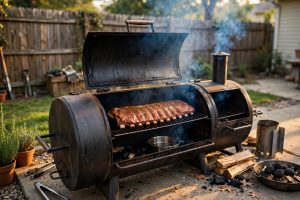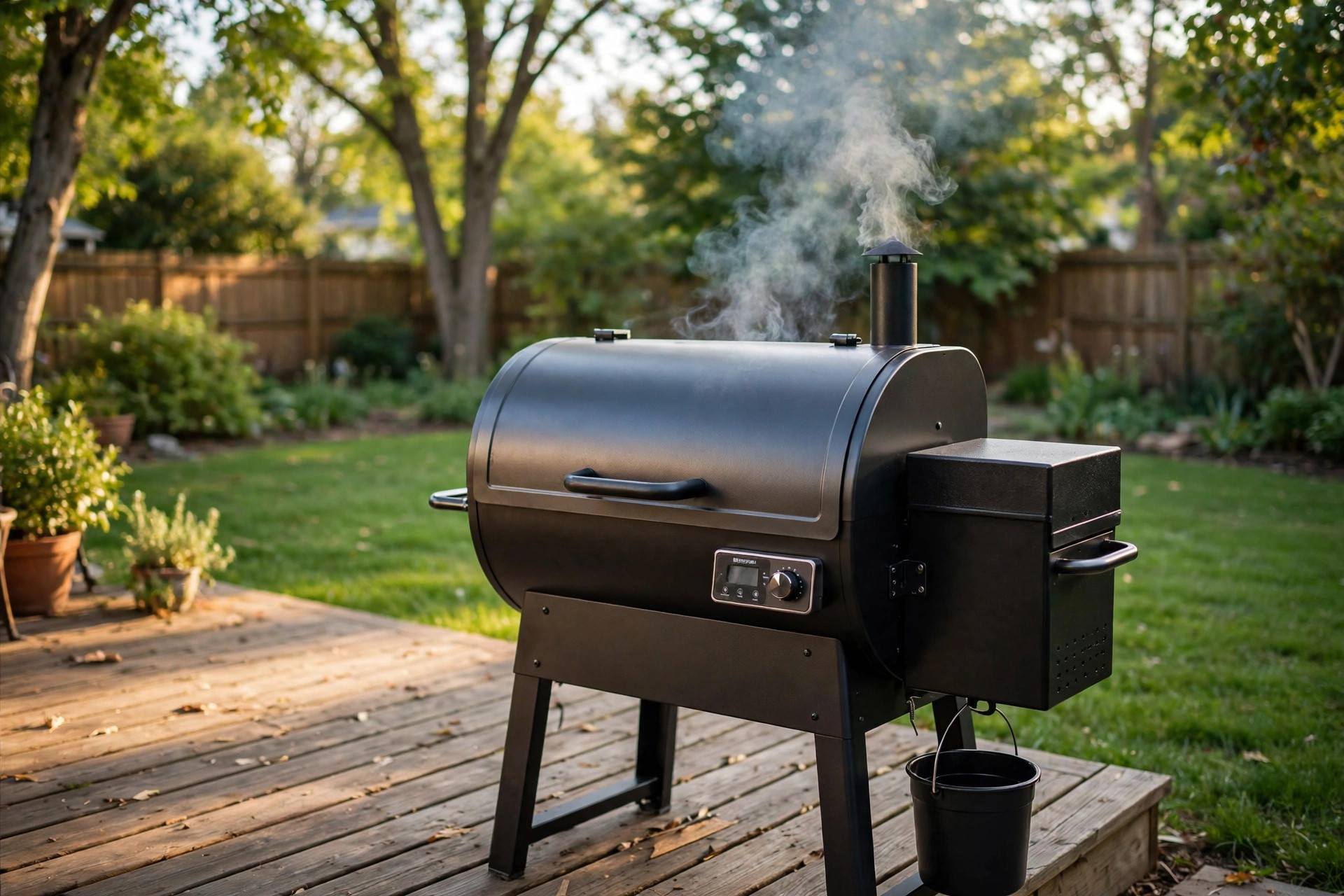

A pellet grill gives wood-fired taste with push-button ease. But grease still builds up inside it. When grease builds up too much, it can catch fire. These pellet grill grease fire prevention tips will help you cook with confidence. They take little time. They cost little money. And they keep your home, your yard, and your family safe.
A grease fire can start in minutes. It can damage the grill. It can spread to the deck or the patio. The good news is that almost every grease fire is easy to prevent. Clean habits, correct setup, and a few smart moves during cooking do most of the work. This guide walks you through all of it, step by step.
Why Grease Fires Happen in a Pellet Grill
Pellet grills burn wood pellets to make heat. A fan feeds air to the fire pot. A controller keeps the temperature steady. Grease from meat drips down onto the heat plate and the drip tray. This is normal. The problem starts when grease pools and stays there.
Grease becomes a fire risk when three things line up. First, there is old grease sitting in the drip tray. Second, the grill runs hot, often above 400 degrees. Third, a drip of fresh grease lands on the hot old grease and starts to burn. Then the whole pool of grease can light up. Flames rise fast. Smoke turns thick and black. The temperature gauge climbs well past the set point.
This happens most often in two cases. The first is after long cooks, such as brisket or pork shoulder, when a lot of fat has dripped down. The second is when someone heats the grill up high right after a long greasy cook without cleaning it first. Both cases share the same cause. There was too much old grease left in the grill.
Grill Features That Help Prevent Grease Fires: Pellet Grill Grease Fire Prevention Tips
If you are still shopping, some design features make grease control easier. A wide drip tray with high edges holds grease in place. A steep drip angle sends grease toward the drain hole instead of letting it pool. A good grease bucket or grease trap under the drain hole catches the drips before they hit the ground.
Sealed seams around the fire pot also help. They keep stray grease from working its way into the pellet hopper area. Thick steel on the heat plate spreads heat more evenly. Even heat means fewer hot spots where grease can flash.
Before you buy, it helps to compare fuel types side by side. Many cooks read a pellet grill vs gas grill pros and cons guide to weigh taste, cost, and cleanup against each other. Gas grills have their own grease habits, and knowing both helps you pick the right tool for your yard.
Retailers such as Home Depot list full specs for most pellet models, so you can check tray size and grease system design before you order. Testers at Consumer Reports also rate grills on safety and ease of cleaning.
Daily Habits That Stop Grease Fires
Prevention is mostly habit. None of these steps takes more than a few minutes.
Empty the grease bucket often
Check the grease bucket before every cook. If it is half full or more, empty it. Pour the cooled grease into a sealed can and throw it in the trash. Never pour grease on the ground near the grill. It can stain the patio and attract animals.
Scrape the drip tray
After the grill cools, pull out the drip tray and scrape it with a plastic putty knife. Wipe it down with paper towels. If grease has baked on hard, soak the tray in hot soapy water for ten minutes. A clean tray cannot feed a fire.
Vacuum the ash and drips
Once a month, or every few cooks, vacuum out the bottom of the grill. Ash mixes with grease and forms a pasty layer. This layer can smolder and start a grease fire. A small shop vacuum works well. Make sure the grill is fully cool first.
Check the drain hole
Grease drains through a small hole into the bucket. This hole can clog with bits of food and ash. Push a small stick or wire through it now and then. A clear drain keeps grease moving away from the heat.
Line trays with foil
Many cooks line the drip tray and bucket with heavy foil. The foil catches the grease. When the cook is done, you lift out the foil and throw it away. This saves scrubbing. Change the foil every few cooks. Do not stack many layers of old foil. Old layers trap grease and hold heat.
Smart Cooking Moves That Lower the Risk
How you cook matters as much as how you clean. These moves cut the odds of a flare-up.
Keep fatty cooks at lower heat. Brisket, pork butt, and whole chickens drip a lot of fat. Cook them at 225 to 275 degrees. Low heat lets grease drip slowly into the tray instead of pooling on a hot plate.
Trim extra fat before cooking. Cut thick fat caps down to about a quarter inch. Less fat on the meat means less grease in the grill. It also gives a better bark on smoked meats.
Use a water pan or drip pan on the grate. A cheap foil pan under the meat catches drips before they reach the heat plate. This works well for long smokes. Throw the pan away when you are done.
Do not crank the heat right after a long greasy cook. This is the single most common cause of grease fires. After a long cook, clean the tray first. Then heat the grill for searing or baking. The grill makers at Traeger stress cleaning between low-and-slow cooks and high-heat cooks in their care guides.
Start with a clean burn-off only when needed. A short burn-off at high heat can burn off light residue. But it cannot replace scraping. If the tray holds thick grease, burn-off just sets it on fire. Clean first, then heat.
Types of Prevention: Cleaning, Gear, and Setup
Prevention falls into three groups. Cleaning is the main one. Gear is the second. Setup is the third.
Cleaning gear
You need only a few tools. A plastic scraper for the tray. Paper towels or rags. Hot soapy water for soaking. A shop vacuum for ash. A wire brush for the grates. These tools cost little and last for years.
Cleaning the grates matters too. Dirty grates drip old grease back onto food and down into the grill. If you like well-kept grates, a guide to how to season cast iron grill grates shows how seasoning builds a nonstick layer that makes cleanup faster.
Grease management gear
Foil pans work as drip catchers. Heavy-duty foil lines trays and buckets. A metal grease can with a lid stores used grease safely until trash day. Some cooks buy a second drip tray so one can soak while the other is in use.
Safe setup
Set the grill on a non-flammable surface. Concrete, stone, or brick pavers are best. Keep the grill at least ten feet from the house, the fence, and low tree limbs. Do not place it under a wooden awning or inside a garage. Wind can push flames sideways, so leave open space on all sides.
Level the grill. If the grill tilts, grease pools on the low side instead of draining. Use small shims under the wheels if your patio slopes.
Cost and Price of Prevention
Grease fire prevention is cheap. Foil, paper towels, and dish soap cost a few dollars a month. A plastic scraper costs under five dollars. A basic shop vacuum costs thirty to fifty dollars and lasts for years.
Cleaning sprays made for grills cost eight to fifteen dollars a bottle. One bottle lasts many cleanings. A metal grease can with a lid costs ten to twenty dollars. A pack of large foil pans costs under ten dollars.
Compare that to the cost of a fire. A damaged grill costs hundreds to replace. Deck repair costs thousands. A house fire costs far more. Spending a few dollars and a few minutes on cleaning is the best deal in outdoor cooking.
If your grill parts are worn, makers such as Weber, Char-Broil, and Napoleon sell replacement drip trays, grease buckets, and heat plates. New parts fit better and drain grease the way the design intended.
Care and Upkeep Through the Seasons
Spring calls for a deep clean. Take out the grates, the tray, the heat plate, and the fire pot. Scrape everything. Wash what you can. Vacuum all ash. Check the chimney and the vents for blockages. Inspect the grease drain path from tray to bucket. Make sure every part is dry before you reassemble.
Summer is peak cooking season. Clean the tray every few cooks. Empty the bucket often. Grease goes rancid fast in heat, and rancid grease smells bad and burns poorly.
Fall is a good time for a second deep clean. Leaves and dust build up around the grill. Sweep the area clean. Check the cover for holes. A torn cover lets rain in, and rain turns ash into a thick paste that clogs drains.
Winter needs care if you cook in cold weather. Cold air thickens grease. Grease moves slower to the drain. Warm the grill up slowly and check the bucket more often. Store pellets in a dry place. Wet pellets break down and can jam the auger, which leads to uneven heat.
Many pitmasters at Amazing Ribs and recipe sites like The Spruce Eats publish seasonal maintenance checklists that pair well with these steps.
Safety: What to Do If a Grease Fire Starts
Even with good habits, you should know what to do if flames appear.
First, do not open the lid wide. Air feeds fire. Keep the lid closed if you can do it safely. Second, turn the grill off and unplug it. This stops the fan from feeding air to the flames. Third, keep your distance. Stand back and watch.
Do not use water. Water on a grease fire throws burning grease into the air. It makes the fire worse. Keep a fire extinguisher rated for grease fires near the cooking area. A Class K or Class B extinguisher works on grease. A box of baking soda can smother a small flare on the tray.
If flames leave the grill and reach the deck, the fence, or the house, call the fire department right away. Do not try to fight a spreading fire yourself. Move people and pets away from the area.
After any fire, let the grill cool fully. Then inspect it. Heat can warp the tray and the heat plate. Replace any warped or cracked parts before the next cook. The team at Big Green Egg and other grill makers note that heat damage changes how grease flows, so a post-fire inspection is not optional.
FAQ
How often should I clean the drip tray on my pellet grill?
Scrape and wipe the drip tray every two to three cooks. If you cook fatty meats, clean it after every cook. A deep clean with soap and water once a month keeps baked-on grease from building up. The tray is the number one place where grease fires start.
Can a pellet grill explode from a grease fire?
A true explosion is very rare. But a grease fire can cause a loud flare-up that some cooks call a backdraft. This happens when smoke and grease vapor build up under a closed lid and then light at once. Keep the lid closed during a flare-up, turn the grill off, and let it burn down safely.
Is foil on the drip tray safe?
Yes, if you use it right. Use heavy-duty foil and fit it smoothly to the tray. Do not poke holes in the foil over the drain. Change the foil often. Never leave many old layers stacked up. Old layers trap grease and hold heat, which raises the fire risk.
What temperature is most risky for grease fires?
Fires are most common above 400 degrees, when old grease in the tray gets hot enough to ignite. High-heat searing and baking right after a low-and-slow cook is the classic danger combo. Always clean the tray before switching from a long greasy cook to high heat.
Should I keep a fire extinguisher by my pellet grill?
Yes. Keep an extinguisher rated for grease fires within quick reach of the grill. Check its gauge once a year. Also keep the grill on a non-flammable surface and at least ten feet from the house. These steps cost little and buy a lot of safety.
Does trimming fat really help prevent grease fires?
It does. Every ounce of fat you trim is an ounce of grease that never reaches the drip tray. Trim thick fat caps to about a quarter inch. Use a foil drip pan under very fatty cuts. Together these steps cut grease buildup in half on long cooks.
Can I use my gas grill cleaning habits for a pellet grill?
The basics are the same, but pellet grills have extra parts. Ash mixes with grease and forms a paste that gas grills do not make. Vacuum ash often. Also check the fire pot and the auger area for grease creep. A guide on how to clean gas grill burners properly covers gas-side habits that still apply to grates and trays.
A Short Final Word
Grease fires are scary, but they are also easy to prevent. Clean the tray. Empty the bucket. Keep the drain clear. Cook fatty meats low and slow. Never jump to high heat on a dirty grill. These five habits will keep your pellet grill safe for years.
Pellet cooking should be fun. A little care before and after each cook keeps it that way. Follow these pellet grill grease fire prevention tips, and you can focus on what matters: good food, good smoke, and good times in the backyard.
References
AmazingRibs.com. (n.d.). Barbecue and grilling science. https://www.amazingribs.com Big Green Egg. (n.d.). Kamado grills and outdoor cooking. https://www.biggreenegg.com Char-Broil. (n.d.). Gas and charcoal grills. https://www.charbroil.com Consumer Reports. (n.d.). Product reviews and ratings. https://www.consumerreports.org Napoleon. (n.d.). Fireplaces, grills, and heating products. https://www.napoleon.com The Home Depot. (n.d.). Home improvement products. https://www.homedepot.com The Spruce Eats. (n.d.). Recipes and cooking guides. https://www.thespruceeats.com Traeger. (n.d.). Wood pellet grills. https://www.traeger.com Weber. (n.d.). Grills and outdoor cooking. https://www.weber.com
Was this guide helpful?

About James Carter
The My Garden US editorial team writes practical, in-depth home and garden guides for American homeowners — tested advice, no fluff.
You May Also Like
Pellet Grill Sale Near Me Deals: A Smart Buyer Guide
January 11, 2026 0 views
The Best BBQ for Super Bowl Party: A Complete Guide
April 17, 2026 0 views
Best BBQ for Labor Day Cookout: A Plain Guide to Picking the Right Grill
July 28, 2026 0 views