
Introduction
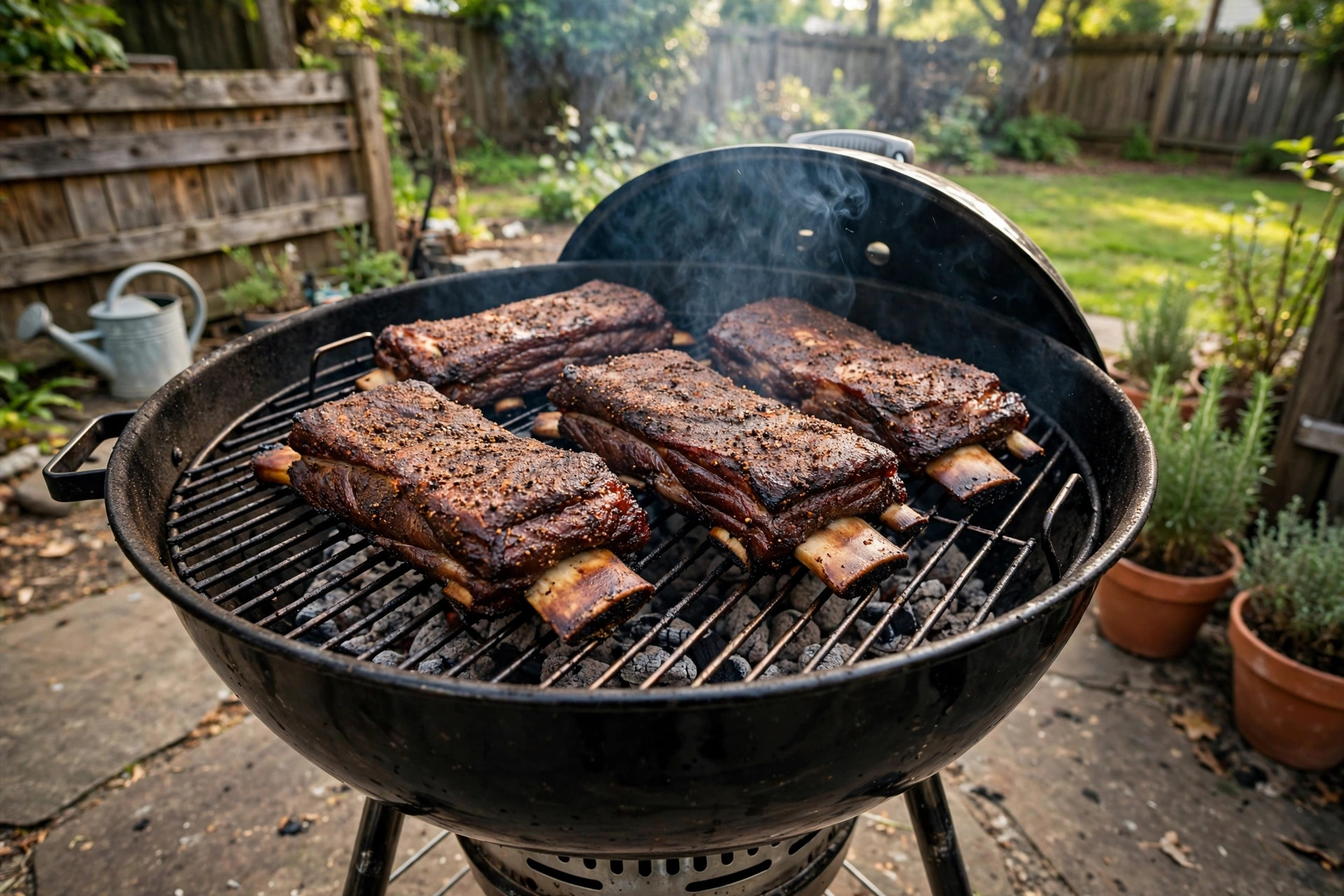
Learning how to smoke beef ribs on grill is one of the most rewarding skills a home cook can gain. Beef ribs are large, meaty, and full of flavor. With low heat and steady smoke, they turn from tough to tender over several hours. Many cooks fear that smoking is too hard. It is not. A common grill, some wood chips, and a little patience are all it takes. This guide walks through each step in plain terms, so you can serve ribs that your family will remember.
Why Smoking Beef Ribs Is Worth the Time: How to Smoke Beef Ribs on Grill
Beef ribs are cut from the rib section of the cow. They hold a great deal of fat and connective tissue. Fast heat makes them tough. Slow heat melts the tissue and softens the meat. The result is rich and soft, with a deep smoky taste.
Smoked beef ribs also stand out at gatherings. A rack of ribs on the table looks fine and feeds many. The cost per pound is often lower than brisket or steak. For the cook, the long time on the grill gives room to visit with guests. The grill does most of the work.
What to Look For When Buying Beef Ribs
Plate Ribs and Chuck Ribs
Two main cuts are sold as beef ribs. Plate ribs come from the lower rib section. They are the largest and the meatiest. They often have three bones. Chuck ribs come from higher up near the shoulder. They are smaller but still full of flavor.
Plate ribs are the first choice for smoking. Their thick meat holds up to long hours of heat. Ask your butcher for plate ribs if they are not on the shelf. Many stores can cut them on request.
Choosing Good Meat
Look for ribs with even thickness. The meat should be deep red with white fat marbled through it. Avoid ribs that look gray or smell sour. A thick fat cap on top is fine. It will melt during the smoke and keep the meat moist.
A full rack of plate ribs weighs about four to six pounds. Buy enough for your guests. Plan on about one pound of raw ribs per person, since bones make up much of the weight.
How to Set Up Your Grill for Smoking
Two-Zone Heat
The heart of learning how to smoke beef ribs on grill is the two-zone setup. Push your coals or burners to one side of the grill. Place the ribs on the empty side. This gives indirect heat. The ribs cook in warm air, not over flames.
On a charcoal grill, pile lit coals on one side. On a gas grill, light the burners on one side and leave the other side off. Place a pan of water under the ribs. The water keeps the air moist and steadies the heat.
Wood for Smoke
Wood chips or chunks give the smoke flavor. Hickory and oak are strong and classic with beef. Mesquite is very strong; use it with care. Fruit woods like cherry give a mild, sweet note. Soak chips in water for thirty minutes before use, then drain them. Add a handful to the coals or to a smoker box on the gas grill.
Many makers of grills and smokers share setup tips on their sites. You can read about indirect cooking methods at Weber and Traeger. For ceramic cookers that hold low heat well, see Big Green Egg.
Types of Grills That Work Well
Charcoal Kettle Grills
The simple kettle grill is the classic tool for smoking. It holds heat well with the vents set low. Charcoal gives a natural smoke taste. A kettle large enough to hold a rack of ribs with room to spare is best.
Gas Grills
Gas grills work too. Use only one or two burners on low. Add a smoker box filled with soaked chips. Gas gives less smoke flavor than charcoal, but the results are still fine. See Char-Broil and Broil King for gas grill guidance.
Pellet Grills
Pellet grills feed wood pellets by machine and hold a set temperature. They make long smokes easy. Set the dial to 250 degrees and the grill does the rest. Many reviews of pellet models appear at Consumer Reports. Keep in mind that pellet grill grease fire prevention tips matter on long cooks, since grease can build up during hours of smoking.
Step by Step: How to Smoke Beef Ribs on Grill
1. Trim and Season
Pull the ribs from the fridge an hour before cooking. Trim hard fat but leave a thin layer. Some cooks remove the thin membrane on the bone side. Others leave it. Removing it lets more smoke and seasoning reach the meat.
Season simply. Salt and coarse black pepper are enough. A light rub of paprika, garlic powder, and brown sugar also works. Coat the ribs well on all sides. Let them rest while the grill heats.
Seasoning Blends That Work
Two styles of rub suit beef ribs. The first is a simple Texas-style mix of equal parts coarse salt and coarse black pepper. It lets the beef and smoke speak. The second adds depth: two parts salt, two parts pepper, one part paprika, one part garlic powder, and half a part brown sugar. The sugar helps the bark darken and adds a mild sweetness. Apply the rub heavy. Beef ribs are thick and can take it. Some cooks add a thin coat of yellow mustard first. The mustard acts as glue for the rub and its taste fades in the smoke. Avoid fresh herbs on long smokes. They burn and turn bitter. Dried spices hold up better to hours of heat.
2. Heat the Grill
Aim for 225 to 250 degrees at the grate level. Place a pan of water under the grate on the cool side. Close the lid and let the temperature settle for fifteen minutes. Steady heat matters more than speed.
3. Start the Smoke
Add soaked wood chips to the hot coals or to the smoker box. Thin blue smoke is the goal. Thick white smoke can taste bitter. Add a small handful of chips every hour or so for the first three hours.
4. Cook Low and Slow
Place the ribs bone-side down on the cool side of the grill. Close the lid. Do not open it often. Each peek lets out heat and adds time. Check the temperature through the vent once an hour. Expect five to eight hours of cook time for a full rack of plate ribs.
For general grilling gear and fuel supplies, many cooks shop at Home Depot. Recipes and timing charts for smoked meats can be found at The Spruce Eats and AmazingRibs.com.
5. Wrap the Ribs
After three to four hours, the ribs will have a dark bark on the outside. At this point, many cooks wrap the ribs in butcher paper or foil. Wrapping speeds the cook and keeps the meat moist. Add a spoon of beef broth before sealing. Return the wrapped ribs to the grill.
6. Test for Doneness
Beef ribs are done when the meat pulls back from the bones and a probe slides in with little pushback. The internal temperature should read about 200 to 205 degrees. Do not trust time alone. Every rack is different.
7. Rest and Serve
Rest the ribs for at least thirty minutes before cutting. Wrapping them in a towel inside a cooler keeps them warm for up to two hours, which helps when guests arrive late. Resting lets the juices settle back into the meat. Cutting too soon lets juice run out onto the board. Slice between the bones with a sharp knife. Serve warm with simple sides like coleslaw, beans, or bread.
Holding Ribs for Later
If the ribs finish early, wrap them in foil and a towel and place them in an empty cooler. They will stay warm for hours. Reheat leftovers low and slow in a covered pan with a splash of beef broth at 300 degrees for twenty minutes. Avoid the microwave. It can make the meat rubbery.
Cost and Price
Beef plate ribs cost more than pork ribs but less than brisket in many stores. Prices move with the beef market. Buying a full rack from a butcher is often cheaper per pound than buying cut ribs in trays. A six-pound rack can feed five to seven people. Wood chips, charcoal, and seasoning add only a small cost to the meal.
Compare gas grill models and prices before buying if your old grill runs too hot for slow smoking. Napoleon makes several lines suited to low-and-slow cooking. Pair your grill with best grill mats for gas grills if you want easier cleanup under long smokes.
Care and Upkeep
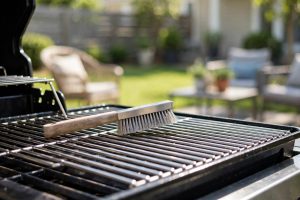
Clean the grill grates after each smoke. Grease and ash build up fast during long cooks. Brush the grates while they are still warm. Empty the ash from a charcoal grill once it is fully cool. Check the burners and grease tray on a gas grill before each long cook.
Store wood chips and pellets in a dry place. Wet wood burns poorly and makes bad smoke. Cover the grill when it is not in use. A grill that is clean and dry will last many seasons.
If you are building an outdoor kitchen bar seating ideas plan around your grill, keep the grill zone separate from the seating zone. Guests enjoy watching the cook, but smoke and heat should not drift over the table.
Safety
Fire safety comes first. Never leave a lit grill alone for long stretches. Keep the grill at least ten feet from the house, deck rails, and trees. Keep a fire extinguisher or a bucket of sand nearby. Let coals cool fully before dumping the ash. Wash your hands and tools after handling raw beef. Keep raw meat cold until it goes on the grill.
Frequently Asked Questions
How long does it take to smoke beef ribs on a grill?
A full rack of plate ribs takes five to eight hours at 225 to 250 degrees. Smaller chuck ribs may finish in four to five hours. Go by feel and temperature, not by the clock.
What temperature should the grill be?
Hold the grill at 225 to 250 degrees. This range melts the tough tissue without drying the meat. Higher heat cooks faster but can leave the meat tough.
Should I wrap beef ribs?
Wrapping is common and it helps. Wrap after three to four hours, once the bark is dark and set. Use butcher paper for a crisp bark or foil for a softer one. Some cooks skip the wrap for a firmer crust.
What wood is best for beef ribs?
Oak and hickory are the classic picks. They pair well with the strong flavor of beef. Cherry adds color and a mild sweetness. Mesquite is bold; mix it with oak so it does not overpower the meat.
Can I smoke beef ribs on a gas grill?
Yes. Set up two-zone heat, add a smoker box with soaked chips, and keep the lid closed. The smoke flavor is milder than charcoal, but the ribs still turn out tender.
Why are my beef ribs tough?
Tough ribs are almost always undercooked. The meat needs enough time for the connective tissue to melt. If a probe does not slide in easily, give the ribs more time. Trust the feel test over the clock.
Final Word
Smoking beef ribs takes time, but the work is simple. Set up two zones, hold low heat, add wood smoke, and wait. Each smoke teaches you a little more. Start with salt and pepper and a steady fire. The ribs will reward your patience with deep flavor and tender meat. That is how to smoke beef ribs on grill, plain and simple.
References
AmazingRibs.com. (n.d.). Barbecue and grilling science. https://www.amazingribs.com Big Green Egg. (n.d.). Kamado grills and outdoor cooking. https://www.biggreenegg.com Broil King. (n.d.). Gas and charcoal grills. https://www.broilkingbbq.com Char-Broil. (n.d.). Gas and charcoal grills. https://www.charbroil.com Consumer Reports. (n.d.). Product reviews and ratings. https://www.consumerreports.org Napoleon. (n.d.). Fireplaces, grills, and heating products. https://www.napoleon.com The Home Depot. (n.d.). Home improvement products. https://www.homedepot.com The Spruce Eats. (n.d.). Recipes and cooking guides. https://www.thespruceeats.com Traeger. (n.d.). Wood pellet grills. https://www.traeger.com Weber. (n.d.). Grills and outdoor cooking. https://www.weber.com
Was this guide helpful?

About Lisa Anderson
The My Garden US editorial team writes practical, in-depth home and garden guides for American homeowners — tested advice, no fluff.
You May Also Like
Best Outdoor Wok Burner for Patio: A Practical Guide
June 26, 2026 0 views
Best Outdoor Ice Chest for Parties: How to Choose and Use One
March 6, 2026 0 views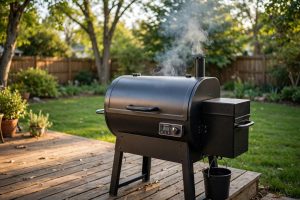
Pellet Grill Grease Fire Prevention Tips for Safe Backyard Cooking
July 20, 2026 0 views