
Introduction
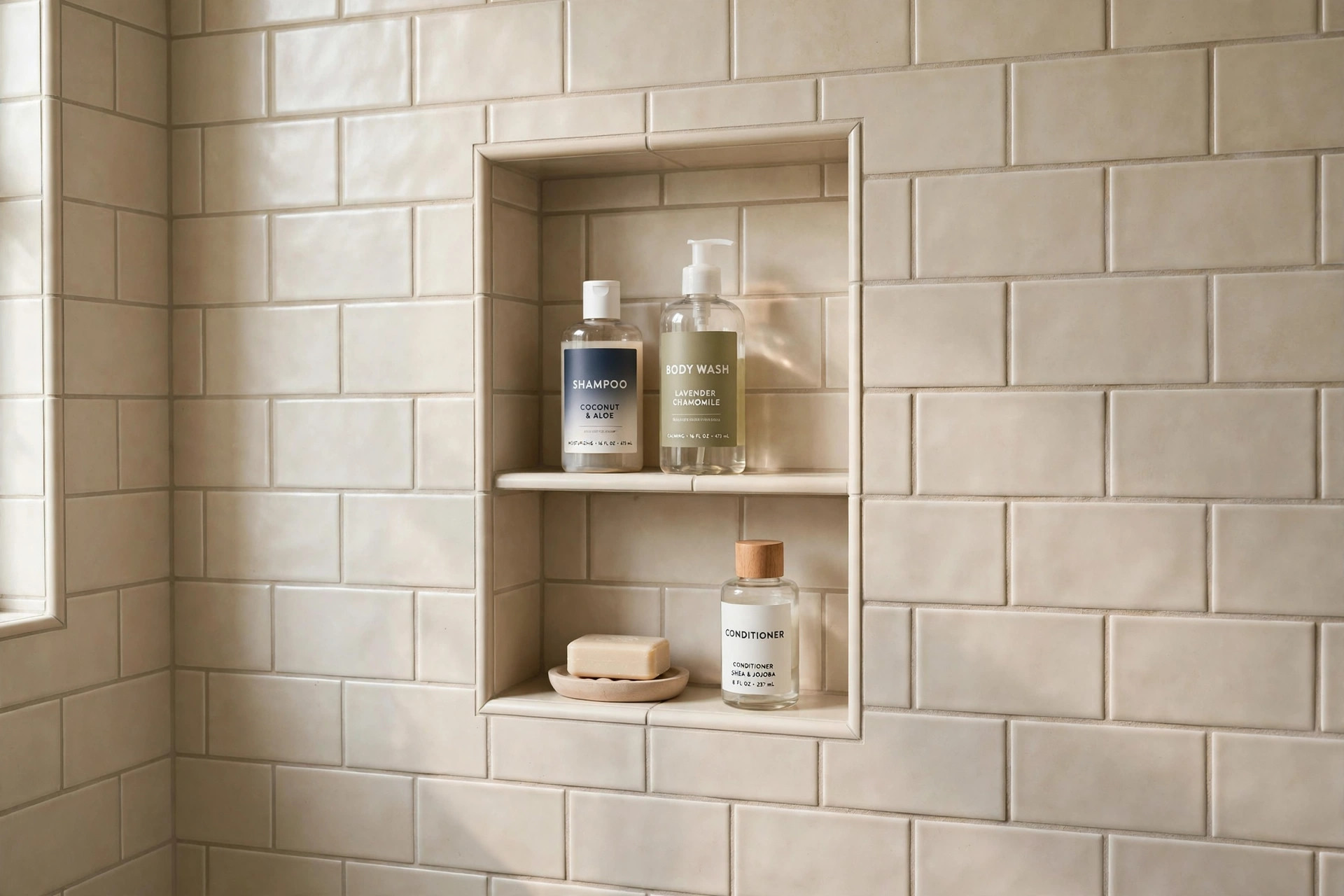
A shower niche is a shelf cut into the wall of the shower. It holds bottles, soap, and razors. It looks clean. It never rusts. It never slides off a hook. If you are searching for shower niche inserts deals near me, you already know the idea. A niche insert is the ready-made version. It is a box or a shell that fits into a hole in the wall. Tile goes over it. The job goes faster than building a niche by hand. This guide walks through what niche inserts are, how to pick one, what they cost, where to look for deals near you, and how to keep them clean for years.
A good niche changes a shower. Bottles stand in rows. The floor stays clear. Inserts make this upgrade open to anyone who is doing a tile job. They come in set sizes. They fit common wall framing. They pair with the same mirrored medicine cabinets american homes guide style of tidy storage that keeps a whole bath in order.
Why a Niche Insert Matters: Shower Niche Inserts Deals near Me
Loose bottles crowd a shower. They fall. They leak onto the floor. A wire caddy hung from the showerhead rusts in a year. It squeaks. It looks poor. A niche built into the wall solves all of this. It is fixed. It drains. It matches the tile. It adds value to the home because buyers like neat, finished baths.
Inserts matter because they remove skill from the job. An old-style niche is built by hand. The setter cuts cement board, frames the box, and waterproofs the seams. That takes hours. One mistake can leak. An insert is a formed box, often plastic or foam board, sized to fit between studs. It drops into the wall opening. Its face is flat. Tile sticks to it. The setter saves a half day of labor. The homeowner pays less for the same finished look. Makers such as Kohler and American Standard sell matching lines of bath goods, and the niche insert sits well beside their trims and valves.
Niches also help in small showers. A corner shelf juts out and takes floor space. A niche sits inside the wall. Nothing sticks out. A tiny three-by-three shower feels larger when the shelf is in the wall. For a guest bath or a hall bath, one twelve-inch niche may be all that is needed.
What to Look for When You Choose
Start with size. Common widths are twelve, sixteen, and twenty-eight inches. The sixteen-inch size fits between studs set sixteen inches on center. This is the most common framing in American homes. A wider niche needs the framer to cut and reframe a stud. That adds cost. Measure the space between studs before you shop. Most inserts are three to four inches deep. That holds a large shampoo bottle. Some are shallow. Shallow works for soap and small bottles only.
Look at the material. Foam-core inserts are light. They take thin-set and tile well. They do not rot. Plastic or polymer inserts are stiff and easy to level. Some inserts ship with a waterproof seal around the rim. That matters. The wall behind tile gets wet. The niche is the wettest spot of all. Waterproof flanges and sealed corners keep the wall dry. Read the box. If the insert needs a separate membrane, plan for it.
Check the shape of the opening. A single rectangle is standard. Some inserts have a sloped shelf. The slope drains water back into the shower. Flat shelves can pool a little water. A slight slope is better.
Think about tile size. Large tiles cut around a niche look clean. Small mosaic tile fits curves and shelves well. Match the insert face to the tile plan. If the tile is thin, the insert face must sit flush with the wall board. A lipped insert covers the seam between wall and niche. That is forgiving. No lip means the setter must cut tile tight. Ask your setter which type they prefer.
Types of Shower Niche Inserts
The most common type is the foam niche. It is a block of high-density foam with a waterproof coat. It weighs almost nothing. A utility knife trims it. Tile bonds to the coat. These are sold by tile-board makers and at big stores. They come in standard stud-bay sizes. They are the cheapest full solution.
The second type is the plastic shell. It is a molded box with a flange. It is strong. Some have two or three shelves built in. The flange nails to the studs and gets a waterproof band over it. These cost a bit more than foam.
The third type is the stainless or tiled metal niche. These are thin metal boxes that slide into the wall. The inside is finished metal, often brushed. They look modern. They cost more. They need a precise opening.
The fourth type is the pre-tiled niche. It comes from the factory with tile already on it. It drops in and the face is done. These are the dearest. They save tile time.
Finding Deals Near You
Deals on niche inserts hide in plain sight. Start with the big home centers. Both Lowe’s and Home Depot stock foam and plastic niches in the tile aisle. Prices move with sales. Holiday weekends bring ten to twenty percent off bath goods. Clearance end caps hold open boxes at deep cuts. An open box costs little if the insert is sound. Check the corners for dents before you pay.
Local tile shops are the next stop. They carry pro lines that the big stores skip. They also know which sizes local setters prefer. A shop may discount a discontinued size. A twelve-inch niche at half price still holds three bottles. Ask the counter what is slow-moving. Floor models and last-year colors sell cheap.
Plumbing supply houses sell to the trade. Some sell to walk-ins at list price. Ask for the contractor price politely. Online sellers list the same inserts with free shipping. Watch the shipping date. A slow boat can stall a remodel. Compare the shelf price at home with the online price before you buy.
Buy the insert before the tile setter arrives. It sits on site. The setter measures it. The wall opening gets cut to fit. This order saves a return trip. If you buy during a sale, store the insert flat and dry. Foam dents under weight. Keep it in the box until the day of the set.
Cost and Price Guide
A plain foam niche costs about twenty to forty dollars. A sixteen-inch size sits near the top of that range. A molded plastic niche with a flange costs about forty to eighty dollars. Tall double niches run sixty to one hundred dollars. Metal finished niches run one hundred to two hundred fifty dollars. Pre-tiled niches run one hundred fifty to three hundred dollars or more.
Labor is the larger cost. Setting an insert into an open wall takes a setter about one to two hours. At local rates, that is fifty to one hundred fifty dollars. Framing a wider opening adds one to two hours of carpenter time. Waterproofing a custom box adds material and time. The insert pays for itself by cutting this labor.
Tile and thin-set add to the bill. A niche needs a few square feet of tile and cuts. Plan for a waste factor. Broken cuts happen around corners. Grout, caulk, and sealer are small costs. All told, a ready insert niche often lands between one hundred fifty and four hundred dollars, all in. A hand-built custom niche often lands between three hundred and seven hundred dollars. The saving is real.
Watch for bundle deals. Some stores pair the niche with a matching shower shelf or a waterproofing kit. The kit deal can beat buying parts alone. Ads on This Old House and guides from Bob Vila often note seasonal bath sales. Time the buy to a sale and the project costs less.
Care and Upkeep
A niche insert asks for little care. Wipe the shelf each week when you clean the bath. Soap film builds up. Hard water leaves spots. A soft cloth and a mild cleaner lift both. Do not use harsh acids on grout. They eat the grout and the seal. A pH-neutral bath cleaner is safe for tile, grout, and most insert coats.
Check the caulk line where the niche meets the tile. It flexes with heat and time. Once a year, press the line. If it is soft or pulling away, cut it out and lay a fresh bead of silicone. This is a ten-minute job. It keeps water out of the wall. It is the single best upkeep step for any niche.
Keep drains clear. Niche shelves slope to the shower. A film of gel can block the slope. Rinse the shelf after each use. Lift bottles now and then and wipe under them. Rings form under bottles that never move. A quick wipe keeps them off.
If the tile grout stains, a grout pen or a light reseal fixes it. Sealed grout sheds water. Some new grouts need no sealer. Old sanded grout likes a coat every year or two. The Spruce cleaning guides keep a simple yearly list for baths like this.
Safety Notes
Plan the height of the niche. Place the bottom shelf at chest height or lower. High niches force a reach over a wet floor. That is a slip risk. Keep razors on a high shelf if small children use the shower. Put the family bottles low so no one reaches too far.
Watch glass corners. Metal niches with sharp rims can cut a hand in a tight shower. Round the plan. Tile edges should be bullnose or trimmed. Run a finger along the finished edge. It should feel smooth.
Waterproofing is a safety matter too. A leaking niche rots the wall. Rot grows mold. Mold harms air. Use the flange, the band, and the membrane as the maker directs. Do not skip steps to save an hour. A dry wall lasts decades. A wet wall fails in years. When in doubt, hire a pro for the waterproofing and do the simple parts yourself.
Vent the bath. Steam feeds mold in grout lines. Run the fan during the shower and for twenty minutes after. Dry air is the cheapest mold cure.
Frequently Asked Questions
Can I add a niche insert to an existing tiled shower? Yes, but the job is larger. The setter cuts the tile and the backer board, sets the insert, waterproofs, and retiles the patch. It costs more than doing it during a full retile. If the wall tile is old, matching it is hard. Many owners retile the whole shower wall at the same time. This is also a good moment to fix old valves, and the bathtub refinishing kits for sale usa route can freshen a worn tub too.
What size niche insert fits between my studs? Most American walls frame studs sixteen inches on center. A niche made for a sixteen-inch bay fits with no framing change. Measure from the inside face of one stud to the inside face of the next. That clear space is usually about fourteen and a half inches. Pick an insert at or under that width. Wider units need a header and reframing.
Do I need to waterproof a foam niche insert? The insert face is waterproof, but the joint to the wall is not. Seal the joint with the flange and band the maker supplies. Tie it into the wall membrane. Water that gets behind tile must have a path out or be blocked at the joint. Skipping this step is the most common cause of niche leaks.
Tile or metal: which niche insert lasts longer? Both last when set right. A tiled foam niche matches the wall and hides wear. Grout needs upkeep. A metal niche wipes clean and needs no grout. Metal can scratch. Deep scratches show. Pick tile for a classic look and metal for a low-care modern look. Either one outlives a plastic caddy by many years.
Can I set a niche insert myself? A handy owner can set a foam insert into an open stud wall. Cutting the wall, leveling the box, and banding the seams are within reach. Tiling the inside takes patience. Small tiles are kind to beginners. If the wall holds plumbing or wire, call a pro before you cut. Many owners pair this with a bidet toilet seats florida homes usa upgrade while the bath is open. One nicked pipe costs more than the labor you saved.
Where do I find the best shower niche inserts deals near me? Check the tile aisle at big home centers first, then local tile shops, then plumbing supply houses. Compare shelf prices with online listings. Buy during holiday sales. Ask for open-box and clearance stock. Fixture makers like Moen and Delta Faucet run bath promotions through retail partners, so watch their dealer pages for seasonal offers.
A Short Final Word
A shower niche insert is a small buy with a large payoff. It tidies the shower. It speeds the tile job. It holds its looks for years with light care. Shop sizes against your stud bays. Seal every joint. Buy on sale when you can. The search for shower niche inserts deals near me ends well when the price is fair and the set is sound. Do that, and your shower will look planned instead of patched, every single day.
References
American Standard. (n.d.). Bathroom and kitchen products. https://www.americanstandard.com Bob Vila. (n.d.). Home improvement advice. https://www.bobvila.com Delta Faucet. (n.d.). Kitchen and bathroom faucets. https://www.deltafaucet.com Kohler. (n.d.). Bathroom and kitchen fixtures. https://www.kohler.com Lowe’s. (n.d.). Home improvement products. https://www.lowes.com Moen. (n.d.). Faucets and plumbing fixtures. https://www.moen.com The Home Depot. (n.d.). Home improvement products. https://www.homedepot.com The Spruce. (n.d.). Home and garden advice. https://www.thespruce.com This Old House. (n.d.). Home renovation guidance. https://www.thisoldhouse.com
Was this guide helpful?

About James Carter
The My Garden US editorial team writes practical, in-depth home and garden guides for American homeowners — tested advice, no fluff.
You May Also Like

Bathroom Towel Warmers Texas Homes USA: A Full Guide
January 9, 2026 0 views
Bathroom Sink Vanities: A Plain Guide for American Homes
February 20, 2026 0 views
Bathtub Refinishing Kits Texas Homes USA: A Plain Guide to Restoring Worn Tubs
August 28, 2026 0 views