Introduction
This mirrored medicine cabinets reviews buying guide usa shoppers can rely on starts with a simple fact. The bathroom cabinet is one of the most used fixtures in any home. It holds toothpaste, pills, bandages, and eye drops. It is opened and closed many times each day. A good mirrored medicine cabinet serves two jobs at once. It stores small items out of sight. It also gives a clear mirror for shaving, makeup, and grooming. A bad one wastes space and fogs up. It may rust or sag. This guide walks through every point that matters. It covers types, sizes, mounts, and mirrors. It covers prices across the United States. It covers care and safety. By the end, any buyer can shop with confidence.
Why a Mirrored Medicine Cabinet Matters: Mirrored Medicine Cabinets Reviews Buying Guide Usa
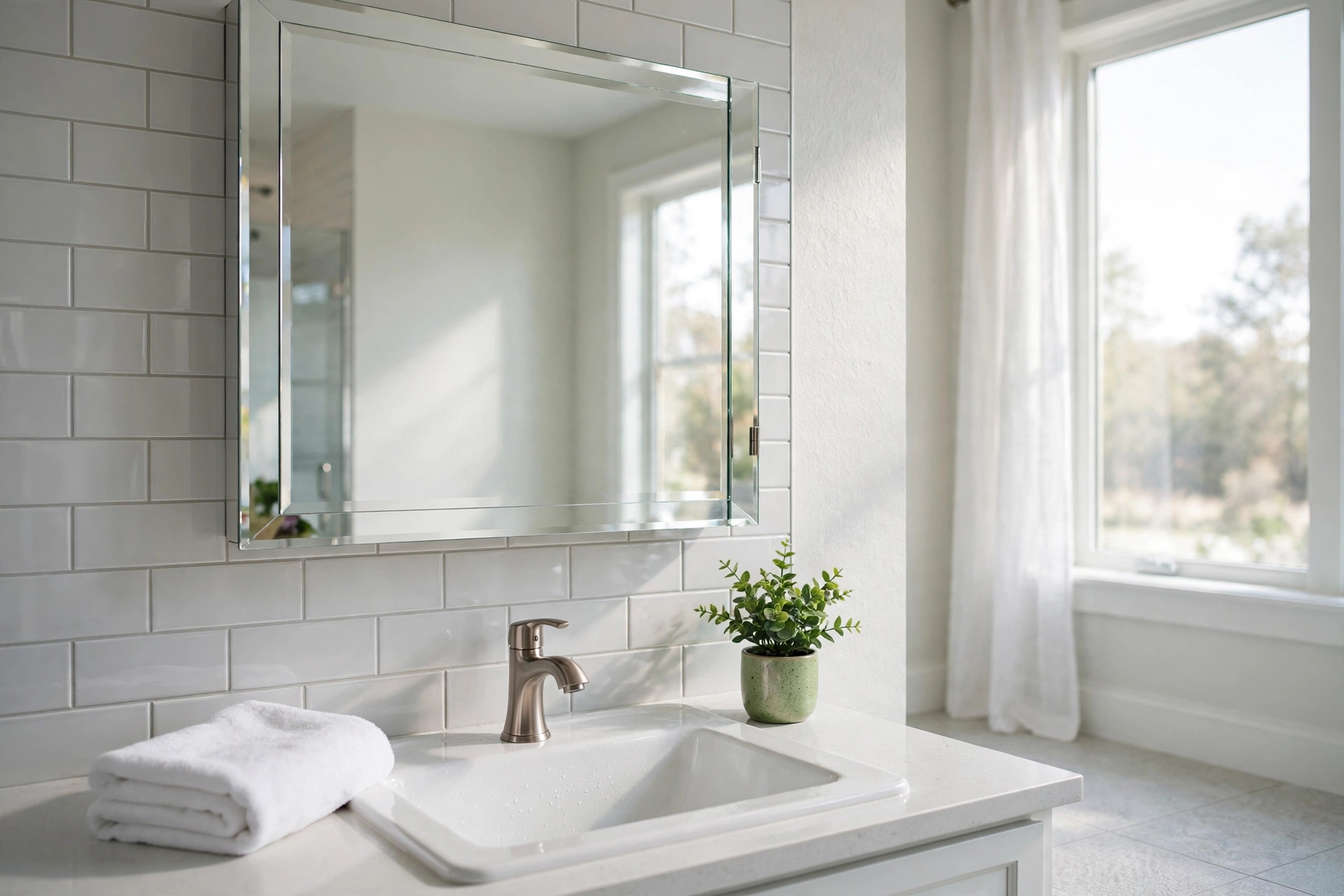
Space is the main reason. Bathrooms are often small. A hall bath or powder room may measure only a few feet wide. Every inch of storage counts. A mirrored medicine cabinet uses space that would otherwise sit empty. The wall above the sink already holds a mirror. The cabinet turns that same wall into storage. It keeps counters clear. A clear counter is easier to wipe down. It looks neater. It gives room for soap and a small plant.
Mirrors matter for light. A large mirror bounces light around a small room. It makes the room feel bigger. It doubles the effect of the vanity light. A mirrored medicine cabinet often spans the full width of the sink. That gives more mirror surface than a small flat mirror. Morning routines go faster with a wide, clear mirror.
Order matters too. Small bottles fall over in drawers. Cotton swabs spill. A cabinet with adjustable shelves keeps items upright. Each shelf can hold one group of goods. One shelf for dental care. One for first aid. One for daily pills. Children and guests can find what they need without digging.
Cost is another point. A full vanity rebuild can run into thousands of dollars. A new mirrored medicine cabinet costs far less. It can refresh a whole bathroom in one afternoon. Many owners pair the upgrade with matching bathroom sink vanities for a full look. Others change only the cabinet. Either way, the room looks newer.
Finally, resale value counts. Home buyers notice bathrooms. A clean, working cabinet with a clear mirror helps a showing. A rusted or broken one hurts it. Advice from sites like HGTV often stresses small updates that lift a whole room. A mirrored medicine cabinet is one such update.
What to Look for When Buying
Mirror Quality
The mirror is the face of the product. Check for flat, distortion-free glass. Cheap mirrors bend the image at the edges. Stand to the side and look for wavy lines. Good mirrors stay true from edge to edge. Some models add a beveled edge. The bevel catches light and looks fine. Others keep a plain edge. Both work. The key is clarity.
Some cabinets offer defogging pads. A heated pad sits behind the mirror. It warms the glass after a hot shower. This keeps the mirror clear. It costs more. It needs an electrical hookup. Many buyers find it worth the money in busy family baths.
Cabinet Material
Steel is the most common body material. Stainless steel resists rust. Powder-coated steel resists chips. Aluminum is light and will not rust at all. Plastic bodies are cheap but feel flimsy. They can crack if over-tightened. Wood frames appear on some designs. Wood looks warm but needs care in damp rooms. Seal it well or skip it.
Check the back panel too. Some cabinets have a mirrored back inside. This helps light bounce inside. It also lets a person see the back of their head with a hand mirror. Solid backs are fine. Mirror backs are a nice extra.
Mounting Style
Two mounts exist. Surface mount hangs on the wall like a picture. It sticks out four to six inches. Install takes minutes. Recessed mount sets into the wall cavity. The front sits flush with the wall. It looks clean and saves inches. Install takes more work. The wall must have an open stud bay. Older homes may hide pipes or wires in that bay. Check before cutting. Reviews at The Home Depot often note which models suit each mount.
Door and Hinge Details
Doors swing or slide. Swing doors need clear space in front. Sliding doors work in tight spots. They need no swing room. Hinges should feel solid. Soft-close hinges stop slamming. They cost a little more. They are worth it in homes with children. Check that the door stays shut on its own. A weak magnet lets the door drift open.
Most doors carry a full mirror on the front. Some add mirrors on the inside too. Double mirrors help with grooming. Beveled or frameless styles suit modern rooms. Framed styles suit classic rooms. Frame finishes should match the room. Chrome, nickel, and bronze are common. A finish that matches the brushed nickel faucets gives a pulled-together look.
Shelving and Interior
Adjustable shelves beat fixed ones. Tall bottles need tall slots. Short jars need short slots. Glass shelves look clean and wipe fast. Wood shelves stain. Check the shelf depth. Three to four inches fits most bottles. Deeper shelves fit bulk items. Doors with storage pockets add space. Pockets hold toothbrushes and razors. They keep wet items off the main shelves.
Lighting and Extras
Some cabinets build in lights. Top lights wash the face. Side lights cut shadows. LED strips last long and run cool. Battery models avoid wiring. Hardwired models need an electrician. USB ports and outlets appear on higher-end units. They charge a toothbrush or shaver inside the cabinet. A lock adds safety for homes with small children. Magnetic strips hold bobby pins and tweezers.
Types of Mirrored Medicine Cabinets
Single Door Cabinets
The single door is the classic. It fits one sink. Widths run 16 to 24 inches. It suits hall baths and powder rooms. It holds a fair amount. It is easy to hang. Prices stay low. Most American homes use this type.
Double Door Cabinets
Double doors serve wide vanities. Widths run 30 to 40 inches. Each door opens to its own bay. Some models join the bays into one wide space. These suit master baths with two sinks. They give a big, even mirror. Install is heavier. Two people may be needed.
Triple Door and Wide Units
Triple units stretch past 40 inches. They serve long counters. Center doors sometimes stay fixed as a mirror. Side doors open for storage. These are less common. They suit large remodels. Guides at Lowe’s list sizes for such wide walls.
Corner Cabinets
Corner units fit two walls at once. They save space in tiny baths. Storage is smaller. Mirrors meet at an angle. They suit odd layouts. Measure twice before ordering. Corners are hard to return.
Framed Versus Frameless
Framed cabinets carry wood or metal borders. They match classic decor. Frameless cabinets show edge-to-edge mirror. They match modern decor. Frameless units give a touch more mirror area. Framed units hide edge chips better. Both sell well across the United States.
Cost and Price in the USA
Prices span a wide range. Basic surface-mount units cost 40 to 80 dollars. They carry simple mirrors and fixed shelves. They work well in rental units. Mid-range models cost 100 to 250 dollars. They add adjustable glass shelves, soft-close hinges, and better steel. Most buyers land here. High-end units cost 300 to 800 dollars. They add defoggers, LED lights, outlets, and rust-proof bodies. Designer brands cost more.
Install adds to the bill. Surface mount is a do-it-yourself job. Recessed mount may need a carpenter. A pro charges 100 to 300 dollars for a recessed install. Electric hookups add 150 to 300 dollars. Plan the full cost before buying.
Where to buy matters. Big chains stock many models. Brand sites list full lines. Company pages such as Kohler, Moen, Delta Faucet, and American Standard show specs and finish options. Review sites help too. Long-form advice at Bob Vila and project guides at This Old House walk through real installs. Compare at least three models before choosing.
Watch for sales. Holiday weekends bring deep cuts. Floor models sell cheap. Check the return policy. Mirrors break in shipping. A free return saves grief.
Care and Upkeep
Clean the mirror weekly. Use a soft cloth and plain glass cleaner. Spray the cloth, not the mirror. Liquid can seep behind the glass and stain the backing. Black spots on a mirror mean the backing failed. Replace the door or the unit when spots spread.
Wipe shelves monthly. Pull items out. Wipe with a damp cloth. Check dates on pills and creams. Toss what is old. Old drugs lose strength. Old creams can breed germs. A quick sort keeps the cabinet safe.
Check hinges twice a year. Tighten loose screws. Oil stiff hinges with a drop of household oil. Check the mount too. A cabinet that rocks needs its screws reset. Do not overload shelves. Heavy bottles stress hinges and mounts.
Fight moisture. Run the quiet exhaust fans during every shower. Let the fan run 20 minutes after. This cuts rust and mold. Leave the cabinet door ajar after steamy showers. Air flow keeps the interior dry.
Safety
Anchor the cabinet well. A full cabinet is heavy. Use studs or proper wall anchors. A falling cabinet can shatter glass and injure a person. Follow the manual for screw size and spacing.
Store drugs up high and locked if children live in the home. Pills look like candy to small kids. A simple latch or lock stops curious hands. Keep razors and sharp tools in door pockets away from little fingers.
Electrical models need care. Keep cords dry. Let a licensed electrician wire hardwired units. Do not cut into walls without checking for wires and pipes. A stud finder and a careful hand prevent accidents.
Glass safety matters. Tempered glass breaks into dull chunks. Plain glass breaks into sharp shards. Check the spec sheet. Tempered is safer for family baths.
Frequently Asked Questions
What size mirrored medicine cabinet should I buy?
Match the cabinet to the sink. A 24-inch vanity takes a 20 to 24-inch cabinet. A 36-inch vanity takes a 30 to 36-inch unit. Hang the bottom edge 60 to 66 inches from the floor. That height suits most adults. Small rooms may need a smaller unit. Measure the wall and the swing space before ordering.
Can I install a recessed cabinet in any wall?
No. The wall needs an open bay between studs. Pipes, wires, and vents may block the space. Exterior walls hold insulation that complicates the job. Check with a stud finder. Cut a small test hole first. If the bay is clear, the job is simple. If not, choose a surface-mount model.
Are mirrored medicine cabinets out of style?
No. Styles change, but the cabinet remains common. Frameless models look modern. Framed models look classic. Sales stay strong across the United States. Designers still spec them in new builds. The key is picking a style that fits the room.
How do I stop the mirror from fogging?
Run the bath fan during showers. Wipe the mirror after. Some buyers pick cabinets with built-in defogging pads. A thin film of shaving cream, wiped off, also cuts fog. It is an old trick that still works.
Single mirror or cabinet, which is better?
It depends on storage needs. A flat mirror is cheaper and sits closer to the wall. A cabinet adds hidden storage. Small baths gain the most from cabinets. Large baths with big vanities may do fine with a flat mirror. Many owners choose the cabinet for the extra shelves.
How long does a mirrored medicine cabinet last?
A good unit lasts 15 to 20 years. Steel bodies outlast plastic ones. Rust shortens life. Dry rooms keep units longer. Hinges wear first. Most hinges can be replaced. When the mirror backing fails or the body rusts through, replace the whole unit.
Final Word
A mirrored medicine cabinet is a small buy with a big daily impact. It stores, it reflects, and it tidies the busiest room in the house. Match the size to the sink. Pick a mount that fits the wall. Choose steel over plastic. Spend a little more for soft-close hinges and adjustable shelves. Add a defogger if the bath runs steamy. Keep it clean, keep it dry, and lock up the pills. With these steps, any buyer in the United States can pick well and enjoy the choice for years.
References
American Standard. (n.d.). Bathroom and kitchen products. https://www.americanstandard.com Bob Vila. (n.d.). Home improvement advice. https://www.bobvila.com Delta Faucet. (n.d.). Kitchen and bathroom faucets. https://www.deltafaucet.com HGTV. (n.d.). Home and garden ideas. https://www.hgtv.com Kohler. (n.d.). Bathroom and kitchen fixtures. https://www.kohler.com Lowe’s. (n.d.). Home improvement products. https://www.lowes.com Moen. (n.d.). Faucets and plumbing fixtures. https://www.moen.com The Home Depot. (n.d.). Home improvement products. https://www.homedepot.com This Old House. (n.d.). Home renovation guidance. https://www.thisoldhouse.com
Was this guide helpful?

About Emily Rodriguez
The My Garden US editorial team writes practical, in-depth home and garden guides for American homeowners — tested advice, no fluff.