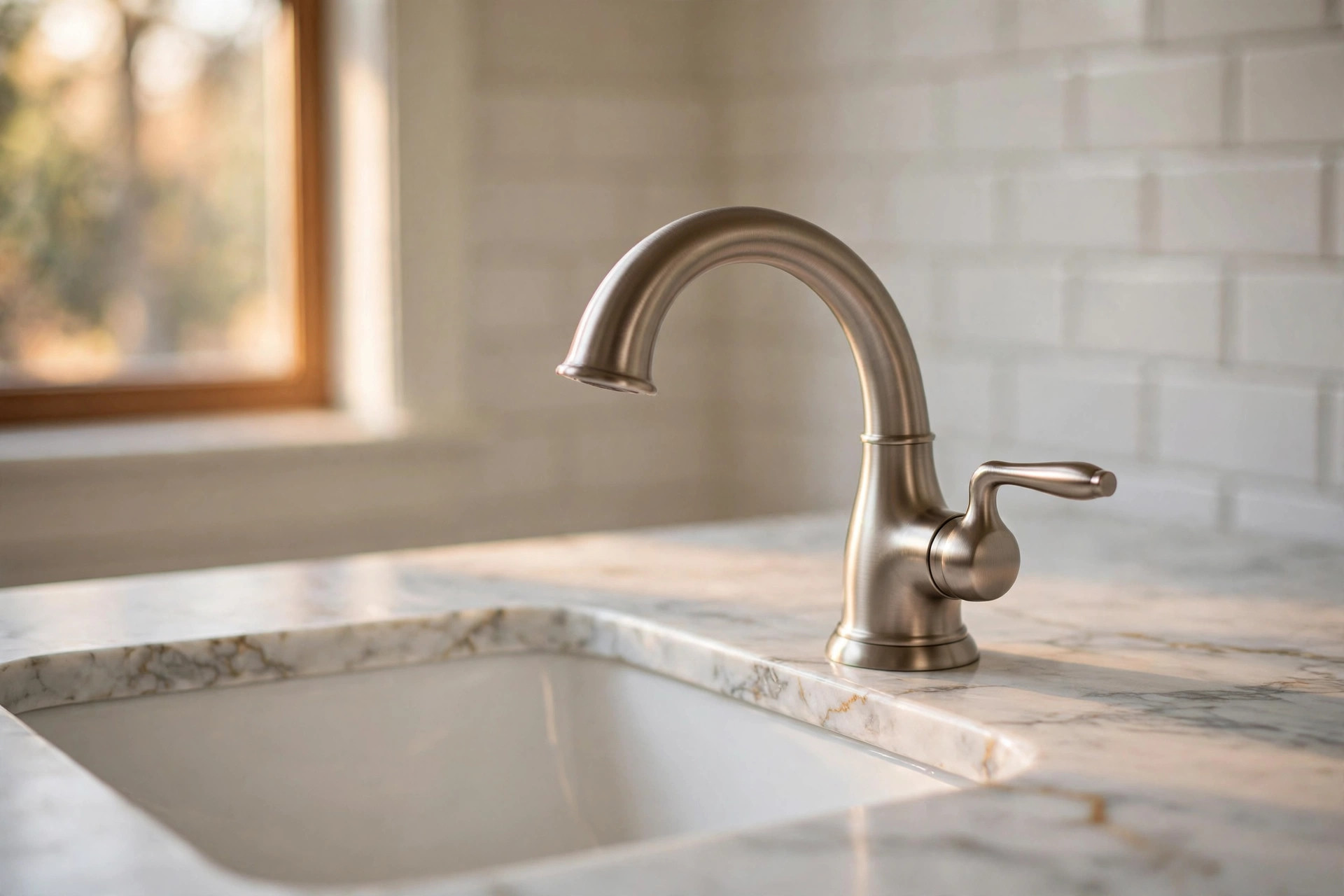

A faucet is one of the hardest working parts of a home. You use it many times each day. You touch it with wet hands. You expect it to work well for years. This brushed nickel faucets buying guide USA will help you choose a faucet with the brushed nickel finish that fits your bath or kitchen. It covers finish quality, styles, valves, water flow, prices, care, and safety. Read it before you shop, and you will know what to ask for at the store.
Why the Finish Matters More Than You Think
The finish on a faucet is not just about looks. It guards the metal under it. A poor finish can peel, pit, or change color. A good finish can last for decades. Brushed nickel is one of the most popular finishes in American homes. It has a soft glow. It is not as bright as chrome. It is not as dark as oil-rubbed bronze. It sits in the middle. It works with many styles, from classic to modern.
Homeowners like brushed nickel for one plain reason. It hides water spots and fingerprints. Chrome shows every drop. Polished brass shows every touch. Brushed nickel has a fine texture that softens marks. Your faucet looks clean longer. That is a real benefit in a busy house with children.
The finish also affects resale value. Real estate agents in many markets say updated fixtures help a home sell. A worn faucet can make a whole bath look old. A new brushed nickel faucet can make the same bath look fresh.
What to Look for When You Shop: Brushed Nickel Faucets Buying Guide Usa
Shopping for a faucet is easier when you know the key terms. The first term is the base metal. Most faucets in the United States are made of brass. Brass resists rust. It holds up well under daily use. Some low-price faucets use zinc alloy. Zinc costs less. It also wears out sooner. Look for solid brass or brass construction on the box.
The second term is the valve. The valve controls the flow of water. Ceramic disc valves are the best choice today. They turn with a light touch. They last a long time. They rarely drip. Older styles use rubber washers. Washers wear out. Then the faucet drips. A drip wastes water and money. Many guides from home repair experts at This Old House suggest checking the valve type before you buy.
The third term is the number of holes. Sinks come with different hole counts. A bathroom sink may have one, three, or four holes. A kitchen sink may have one, two, three, or four holes. Count the holes in your sink before you shop. Bring the count to the store. This one step saves many returns.
The fourth term is the spout. Spout height and reach matter. A tall spout gives room under it for washing hands. A short spout fits under low cabinets. Measure the space above your sink. A deep sink pairs well with a high-arc spout. A shallow sink pairs well with a low spout.
Types and Options for Brushed Nickel Faucets
Faucets come in several styles. Each style suits a certain room and a certain need. The sections below walk through the main kinds you will find in American stores.
Bathroom Sink Faucets
Bathroom faucets are the most common use of brushed nickel. They come as single-hole, centerset, and widespread models. A single-hole faucet has one handle. It is simple and modern. A centerset faucet has the handles and spout on one base. It fits a three-hole sink with four-inch spacing. A widespread faucet has separate pieces. The handles sit apart from the spout. It fits a three-hole sink with eight-inch spacing. It looks more formal.
When you shop for brushed nickel bathroom faucets, check the handle style too. Lever handles are easy for all ages to use. Cross handles look traditional. Knob handles suit small spaces. Pick the one that fits your hands and your taste.
Kitchen Faucets
Kitchen faucets work harder than bath faucets. They fill pots. They rinse dishes. They run for long stretches. A pull-down sprayer is a smart pick for most kitchens. It lets you aim water where you need it. A pull-out sprayer suits shallow sinks. Touchless models add ease when your hands are full. Brushed nickel hides spots well in kitchens, where grease and flour dust fly. Many buyers look for the best brushed nickel kitchen faucets with a high-arc spout, which leaves room for tall pots.
Shower and Tub Faucets
Brushed nickel also comes on shower trim and tub fillers. A shower trim kit includes the handle, the shower head, and the spout. It must match the valve already in your wall. Brands use their own valve sizes. So match the brand when you replace trim. For a full bath update, many buyers pair new faucets with rain shower heads in the same brushed nickel finish.
Bar and Prep Faucets
Small sinks in wet bars and prep areas need small faucets. Bar faucets come in compact sizes. They use the same brushed nickel finish. They keep the whole home looking consistent.
How to Choose the Right Finish Quality
Not all brushed nickel is equal. The finish can be a thin coat or a deep, baked-on layer. The label may say PVD. PVD stands for physical vapor deposition. It is a strong finish process. PVD brushed nickel resists scratching and tarnish. It costs more. It lasts longer.
Some faucets list a lifetime finish warranty. That is a good sign. It means the maker stands behind the finish. Read the warranty terms. Some cover the finish only for the first owner. Some cover it for any owner. Keep your receipt and the model number. You will need them for a claim.
Color can vary between brands. One maker calls its finish brushed nickel. Another maker uses the same name for a slightly darker tone. If you buy a faucet, a shower trim, and a towel bar from three brands, the tones may clash. The safe move is to buy fixtures from one brand for one room. Home design sites such as HGTV often show rooms where all metals match. That matched look reads as calm and planned.
Cost and Price: What You Should Expect to Pay
Prices for brushed nickel faucets in the United States run wide. A basic bath faucet can cost 40 to 80 dollars. A mid-range bath faucet can cost 90 to 180 dollars. A high-end bath faucet can cost 200 to 400 dollars or more. Kitchen faucets cost more on the whole. A basic kitchen faucet can cost 80 to 150 dollars. A mid-range model can cost 160 to 300 dollars. A premium model with a pull-down sprayer can cost 300 to 600 dollars.
What drives the price up? Solid brass construction. Ceramic disc valves. PVD finish. Brand name. Designer styling. Extra features such as touchless sensors or filtered water taps. What drives the price down? Zinc alloy bodies. Washer valves. Thin finish coats. No-name brands with short warranties.
Set a budget before you shop. Then compare three models in that range. Check the valve type. Check the warranty. Check the finish process.
Installation cost is separate. A plumber in the United States may charge 150 to 350 dollars to install a bath faucet. A kitchen faucet may cost 200 to 450 dollars to install. Shoppers who compare prices at large retailers like Lowe’s can see how fast small feature changes move the price. If you are handy, a basic faucet swap is a common do-it-yourself task.
Care and Upkeep for a Brushed Nickel Finish
Brushed nickel is easy to care for. That is one of its main selling points. Still, the wrong cleaner can harm it. Follow these rules and the finish will stay bright for years.
Clean with a soft cloth and warm water. Add a drop of mild dish soap for stubborn spots. Wipe in the direction of the brushed lines. Dry with a clean towel. This simple routine handles most daily soil.
Do not use bleach. Do not use ammonia. Do not use abrasive pads. Do not use lime-scale removers with harsh acids. These can eat the finish. Read the cleaner label. If it warns against use on nickel, believe it.
Hard water leaves white spots. Wipe the faucet dry after heavy use in hard-water areas. A 50-50 mix of white vinegar and water can remove light mineral film. Rinse well after. Dry fully. Use this method only now and then, not every day. Too much acid can dull any finish over time.
Check for drips now and then. A slow drip can stain a sink. It can raise the water bill. Most drips come from worn valve parts. Ceramic disc valves can often be fixed with a new cartridge. Keep the model number of your faucet. Order parts from the maker. Many brands offer free parts under warranty.
Safety Notes for Bath and Kitchen Faucets
Safety starts with hot water. Water above 140 degrees can scald skin in seconds. The U.S. Consumer Product Safety guidance suggests a water heater setting of 120 degrees. Test the water after any new install. Let it run for a minute. Hold a thermometer under it. Adjust the heater if needed. This is vital in homes with young children or older adults.
Anti-scald valves add a layer of safety. Many shower valves now include pressure balance or thermostatic controls. They keep the temperature steady when a toilet flushes or a washer fills. If you update a shower, ask for an anti-scald valve. It is a small cost for real protection.
Lead safety matters too. U.S. law now limits lead in plumbing products that touch drinking water. Look for faucets marked as compliant with the Safe Drinking Water Act. The box may say lead-free. This is one more reason to buy from known brands sold by established makers such as Moen, Delta Faucet, Kohler, or American Standard. These firms test to U.S. standards and publish the results.
Sturdy mounting is a safety point as well. A loose faucet can leak under the sink. A slow leak can rot a cabinet. Tighten the mounting nuts when you install. Check them once a year. Look under the sink for damp spots. Catch a leak early and you save the cabinet.
Touchless faucets need care around batteries and sensors. Change batteries on schedule. Keep the sensor eye clean. A dirty sensor can cause odd on-off behavior. Follow the manual for your model.
Frequently Asked Questions
Does brushed nickel go with stainless steel appliances?
Yes, in most cases. Brushed nickel and stainless steel share a soft gray tone. They sit well side by side. Chrome is brighter and can clash a bit more. If you want a calm kitchen, brushed nickel faucets with stainless steel appliances are a safe pair. Bring a sample chip to the store to compare tones in real light.
Will the brushed nickel finish wear off?
A quality finish will not wear off under normal use. Thin or cheap finishes can fade, especially with harsh cleaners. Buy a faucet with a PVD finish or a lifetime finish warranty. Clean it gently. Avoid abrasives. Treated well, the finish can look good for fifteen years or more.
Can I mix brushed nickel with other metals in one room?
You can. Designers often mix metals on purpose. A common rule is to keep one main metal and one accent metal. Brushed nickel can be the main metal. Matte black or aged bronze can be the accent. Keep the mix to two metals. More than two can look messy. Renovation guides on The Spruce show many rooms that mix metals with care.
Are brushed nickel faucets more expensive than chrome?
They can be, by a small amount. The brushing process adds a step. On many models the price gap is ten to thirty dollars. On basic models the gap may be zero. Shop by model, not by finish alone. Compare the same faucet in both finishes to see the real difference.
How do I know the faucet will fit my sink?
Count the holes in your sink or counter. Measure the space between the outer holes. Note the sink depth. Then match those numbers to the faucet spec sheet. The spec sheet lists hole count, hole spacing, spout height, and spout reach. When in doubt, take a photo of your sink to the store. A sales associate can help you match it.
Is a touchless brushed nickel faucet worth it?
It depends on your kitchen habits. Touchless helps when your hands are dirty from cooking. It can cut the spread of germs. It costs more up front. It needs batteries or a power source. If you cook a lot, many owners say it is worth it. If your kitchen sees light use, a standard pull-down model serves well for less money. For a full bath project, some buyers also add a bidet toilet seat at the same time to finish the update in one visit from the plumber.
A Short Final Word
A brushed nickel faucet is a practical pick. It looks warm. It hides spots. It suits many styles. It lasts when you choose a solid build and care for the finish. Start with your sink measurements. Pick a brass body with a ceramic disc valve. Choose a finish with a strong warranty. Match the brand across the room for one clean tone. Budget for both the faucet and the install. Keep cleaners gentle. Set the water heater to a safe level. Do these things, and your new faucet will serve your home well for many years. For more room-by-room planning help, the project guides at Bob Vila cover bath and kitchen updates step by step.
References
American Standard. (n.d.). Bathroom and kitchen products. https://www.americanstandard.com Bob Vila. (n.d.). Home improvement advice. https://www.bobvila.com Delta Faucet. (n.d.). Kitchen and bathroom faucets. https://www.deltafaucet.com HGTV. (n.d.). Home and garden ideas. https://www.hgtv.com Kohler. (n.d.). Bathroom and kitchen fixtures. https://www.kohler.com Lowe’s. (n.d.). Home improvement products. https://www.lowes.com Moen. (n.d.). Faucets and plumbing fixtures. https://www.moen.com The Spruce. (n.d.). Home and garden advice. https://www.thespruce.com This Old House. (n.d.). Home renovation guidance. https://www.thisoldhouse.com
Was this guide helpful?

About Michael Thompson
The My Garden US editorial team writes practical, in-depth home and garden guides for American homeowners — tested advice, no fluff.
You May Also Like
Shower Grab Bars Buying Guide USA: Sizes, Finishes, and Safe Installation
February 4, 2026 0 views
Brushed Nickel Faucets American Homes Guide: Choosing, Buying, and Caring for a Classic Finish
July 17, 2026 0 views
Double Sink Vanities Buying Guide USA
July 4, 2026 0 views