The bathroom uses more water than any other room in the house. Toilets, showers, and faucets together account for the bulk of indoor water use. That makes the bathroom the best place to cut your water bill, and modern efficient fixtures do it without the weak flushes and sad trickles of the old low-flow days. This article explains water efficient bathroom fixtures in simple terms.
Table of Contents
Table of Contents
- Water Efficient Bathroom Fixtures: What "Water Efficient" Means Today
- The Toilet: Biggest Saver in the House
- What to buy
- What to skip
- Installation notes
- The Showerhead: Fastest Payback
- What to buy
- What to skip
- The five-minute upgrade
- The Faucet: Small Change, Steady Savings
- What to buy
- The aerator trick
- Which Upgrade Pays Back First?
- Rebates and Incentives
- Performance Worries, Answered
- Comfort-Height Toilets and Accessibility
- Budgeting the Toilet Swap
- Shopping Checklist
- Beyond Fixtures: Free Water Savers
- References
This guide covers the water efficient bathroom fixtures worth the money: what the WaterSense label means, which upgrades pay back fastest, and how to pick fixtures that perform.
Water Efficient Bathroom Fixtures: What "Water Efficient" Means Today
When it comes to water efficient bathroom fixtures, getting the details right makes all the difference.
When it comes to water efficient bathroom fixtures, getting the details right makes all the difference.
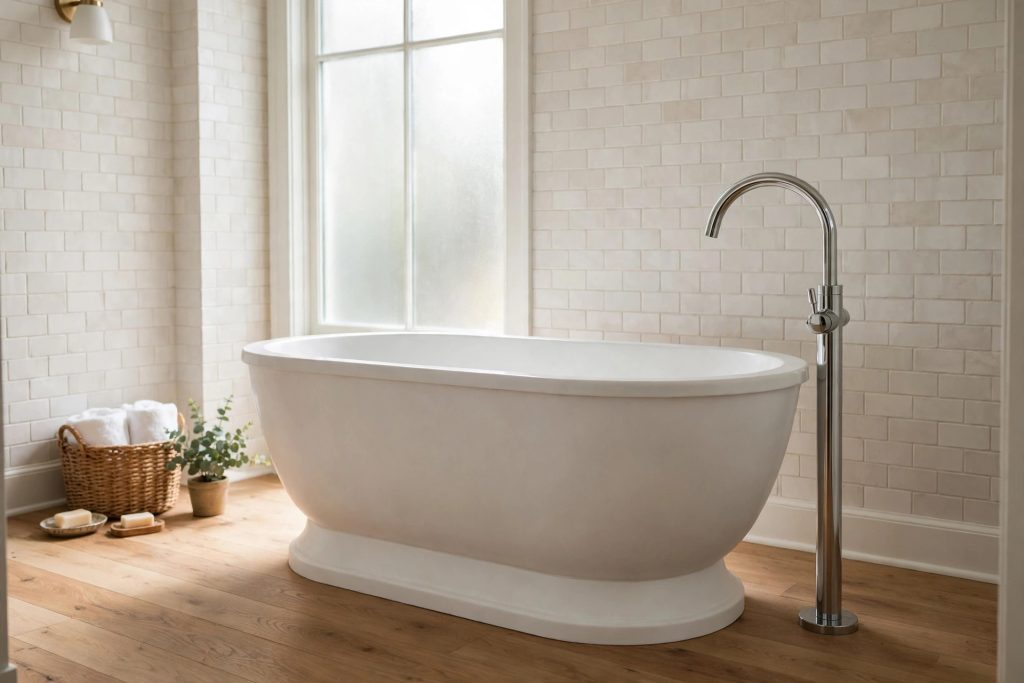
Many homeowners find that water efficient bathroom fixtures is easier than they expected once they know the basics.
The benchmark is the EPA's WaterSense label. To earn it, a fixture must use at least 20 percent less water than the federal standard and pass independent performance testing. It is a voluntary program, like Energy Star for water, and the label is your shortcut to fixtures that save water without sacrificing function (EPA WaterSense label).
The key WaterSense numbers:
- Toilets: 1.28 gallons per flush or less, versus the federal standard of 1.6.
- Showerheads: 2.0 gallons per minute or less, versus the standard 2.5.
- Bathroom faucets: 1.5 gallons per minute or less, versus the typical 2.2.
These are maximums. Many labeled products beat them. And every labeled product is third-party tested, so a WaterSense toilet has proven it can clear the bowl in one flush.
The Toilet: Biggest Saver in the House
Many homeowners find that water efficient bathroom fixtures is easier than they expected once they know the basics.
Many homeowners find that water efficient bathroom fixtures is easier than they expected once they know the basics.
The key to water efficient bathroom fixtures is choosing the right approach for your space and budget.
If your toilet was made before the mid-1990s, it may use 3.5 gallons or more per flush. Replacing it with a WaterSense model at 1.28 gallons cuts flush water by more than half. For a family, that is thousands of gallons a year.
What to buy
- WaterSense-labeled 1.28 gpf toilets. The sweet spot of savings, price, and proven performance.
- Dual-flush models. A light flush for liquids and a full flush for solids. Great for households that want maximum control.
- Pressure-assisted toilets. Louder, but powerful. Good for homes with chronic clogging.
What to skip
Ultra-cheap no-name toilets with no WaterSense label. Poor bowl design causes double flushing, which wipes out the savings. A mid-range labeled toilet from an established maker beats a bargain toilet every time.
The EPA notes that WaterSense toilets can cut flush water use by 20 to 60 percent compared with old inefficient models, saving up to 13,000 gallons a year in some homes (Southwest Florida Water Management District water savings guide).
Installation notes
A toilet swap is a moderate DIY job: shut off water, drain the tank, unbolt, scrape the old wax ring, set the new ring, and seat the new bowl. Budget for a new supply line and shutoff valve while you are at it. If the flange is cracked or the floor is soft, call a plumber.
The Showerhead: Fastest Payback
The key to water efficient bathroom fixtures is choosing the right approach for your space and budget.
With a little planning, water efficient bathroom fixtures can fit even a busy schedule.
Showers are the second-biggest indoor water user, and they also use hot water, so an efficient showerhead saves on both the water bill and the energy bill. A WaterSense showerhead at 2.0 gpm versus an old 2.5 gpm head saves roughly 2,700 gallons a year for a typical household, plus the energy to heat that water.
What to buy
- WaterSense-labeled showerheads at 2.0 gpm or less. Modern designs use air injection and optimized nozzles to keep pressure feeling strong.
- Adjustable and handheld models. A handheld head on a slide bar adds flexibility for cleaning the shower, bathing kids, and seated showering. It pairs perfectly with an aging in place bathroom remodel.
What to skip
Removing the flow restrictor from a labeled head. It voids the point of the upgrade and can unbalance the spray pattern the head was designed around.
The five-minute upgrade
Swapping a showerhead is the easiest fixture upgrade in the house. Unscrew the old head, clean the threads, wrap with Teflon tape, and screw on the new one. No plumber needed. If you are remodeling the whole shower, see our tub to shower conversion cost guide for the bigger picture.
The Faucet: Small Change, Steady Savings
With a little planning, water efficient bathroom fixtures can fit even a busy schedule.
Before you start, it helps to understand how water efficient bathroom fixtures works in real homes.
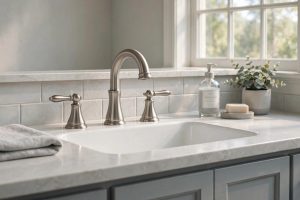
Bathroom faucets run many times a day for hand washing, teeth brushing, and shaving. A WaterSense faucet at 1.5 gpm versus a standard 2.2 gpm faucet cuts sink water use by about a third.
What to buy
- WaterSense-labeled faucets or aerators. An aerator swap costs a few dollars and takes two minutes. It is the cheapest water saver in this entire guide.
- Single-lever faucets. Easier to find the right temperature fast, which means less water wasted while adjusting.
The aerator trick
If you like your current faucet, just change the aerator. Unscrew the old one, match the thread size at the store, and screw on a 1.5 gpm or 1.0 gpm WaterSense aerator. You will barely notice the difference in daily use.
Which Upgrade Pays Back First?
Before you start, it helps to understand how water efficient bathroom fixtures works in real homes.
Ranked by typical payback speed for an average household:
1. Faucet aerators. A few dollars each. Pays back in weeks. 2. Showerhead. Tens of dollars. Pays back in months through water and energy savings. 3. Toilet. A few hundred dollars plus installation. Pays back in one to a few years, faster if replacing a pre-1990s water hog. 4. Full fixture set during a remodel. The labor is already paid for, so the efficient fixtures cost little extra. Always choose labeled fixtures during any bathroom remodel.
Roto-Rooter's WaterSense explainer puts it plainly: toilets usually offer the biggest savings when the old one is inefficient, showerheads save both water and energy, and faucet aerators are the cheapest upgrade (Roto-Rooter WaterSense explained).
Rebates and Incentives
A good plan for water efficient bathroom fixtures saves time, money, and frustration.
Many water utilities offer rebates for WaterSense toilets, and some give away free showerheads and aerators. Check your local water provider's website before buying. A rebate can cut the cost of a new toilet significantly, and free conservation kits often include everything on this list except the toilet.
Performance Worries, Answered
For most people, water efficient bathroom fixtures comes down to a few smart choices.
The old reputation of low-flow fixtures comes from the first generation of 1.6 gpf toilets in the 1990s, which sometimes needed two flushes. That era is over. WaterSense requires performance testing, and modern 1.28 gpf toilets from major makers clear waste reliably in one flush. Showerheads use pressure-compensating and air-mixing technology to feel strong at 2.0 gpm or less.
If a new efficient fixture performs poorly, the cause is usually installation or water pressure, not the fixture. Check that the supply valves are fully open, clean the inlet screens, and confirm your home's water pressure is in the normal 40 to 80 psi range.
Comfort-Height Toilets and Accessibility
If you are new to water efficient bathroom fixtures, start with the simplest option and build from there.
Water efficiency and comfort can come in the same box. Comfort-height toilets, at 17 to 19 inches to the seat, make sitting and standing easier on knees and hips, and most major makers offer them with the WaterSense label. If anyone in the home has mobility concerns, pair the taller toilet with grab bars and a handheld showerhead. AARP's aging-in-place checklist lists exactly these upgrades as core bathroom safety items (AARP aging in place checklist), and Kiplinger's guide to safer homes recommends starting with raised toilet heights and better lighting (Kiplinger home safety guide). Efficient and accessible is a combination that serves a household for decades.
Budgeting the Toilet Swap
When it comes to water efficient bathroom fixtures, getting the details right makes all the difference.
A WaterSense toilet itself is affordable. The variable is installation. A straightforward swap on a sound flange is a half-day job. If the flange is cracked, the shutoff valve is frozen, or the floor around the toilet is soft, costs climb. This Old House breaks down how plumbing changes, old fixture removal, and floor repairs affect bathroom fixture installation costs (This Old House bath installation cost). Get the flange and floor checked before you buy the toilet, and budget a new supply line and wax ring as a matter of course.
Shopping Checklist
- Look for the WaterSense label on the box, not just "low flow" or "eco" marketing.
- Toilets: 1.28 gpf or less, elongated bowl, comfort height if you prefer it.
- Showerheads: 2.0 gpm or less, with the spray patterns you like.
- Faucets and aerators: 1.5 gpm or less.
- Keep receipts. You may need them for utility rebates.
- Match finishes across fixtures for a pulled-together look. See our bathroom faucet reviews and vanity buying guide.
Beyond Fixtures: Free Water Savers
- Fix dripping faucets and running toilets immediately. A running toilet can waste hundreds of gallons a day.
- Shorten showers by a minute or two.
- Turn off the tap while brushing teeth.
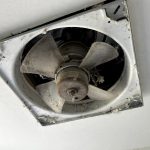
- Run the exhaust fan to control moisture, which protects the efficient fixtures and finishes you just installed.
Water efficient bathroom fixtures are one of the rare upgrades that pay you back every month, help the environment, and perform as well as what they replace. Start with the five-minute aerator swap, then work up the list. Your water bill will show the difference. That is all it takes to handle water efficient bathroom fixtures with confidence.
References
- U.S. Environmental Protection Agency. (n.d.). The WaterSense label. https://www.epa.gov/node/155905
- Roto-Rooter. (n.d.). WaterSense explained: what it is, how it works, and what it saves. https://www.rotorooter.com/blog/water-conservation/making-sense-of-watersense/
- Southwest Florida Water Management District. (n.d.). Maximize water savings with low-flow showerheads. https://www.swfwmd.state.fl.us/blog/maximize-water-savings-home
- Contra Costa Water District. (n.d.). Partners with EPA's WaterSense program. https://www.ccwd.org/ccwd-partners-with-epa-s-watersense-program-to-promote-water-efficiency
- Wikipedia. (n.d.). EPA WaterSense. https://en.wikipedia.org/wiki/EPA_WaterSense
- AARP. (n.d.). Your home checklist for aging in place. https://www.aarp.org/home-living/aging-in-place-checklist/
- Kiplinger. (n.d.). How to make your home safer as you age. https://www.kiplinger.com/retirement/how-to-make-your-home-safer-as-you-age
- This Old House. (n.d.). What factors affect bathtub installation cost? https://www.thisoldhouse.com/bathrooms/cost-to-fit-a-bath
Was this guide helpful?

About My Garden US
The My Garden US editorial team writes practical, in-depth home and garden guides for American homeowners — tested advice, no fluff.
You May Also Like
Double Sink Vanities: Where to Buy in the USA
January 27, 2026 19 views
Heated Floor Kits American Homes Guide
May 25, 2026 19 views
Bidet Toilet Seats Reviews: Buying Guide for USA Homes
April 2, 2026 18 views