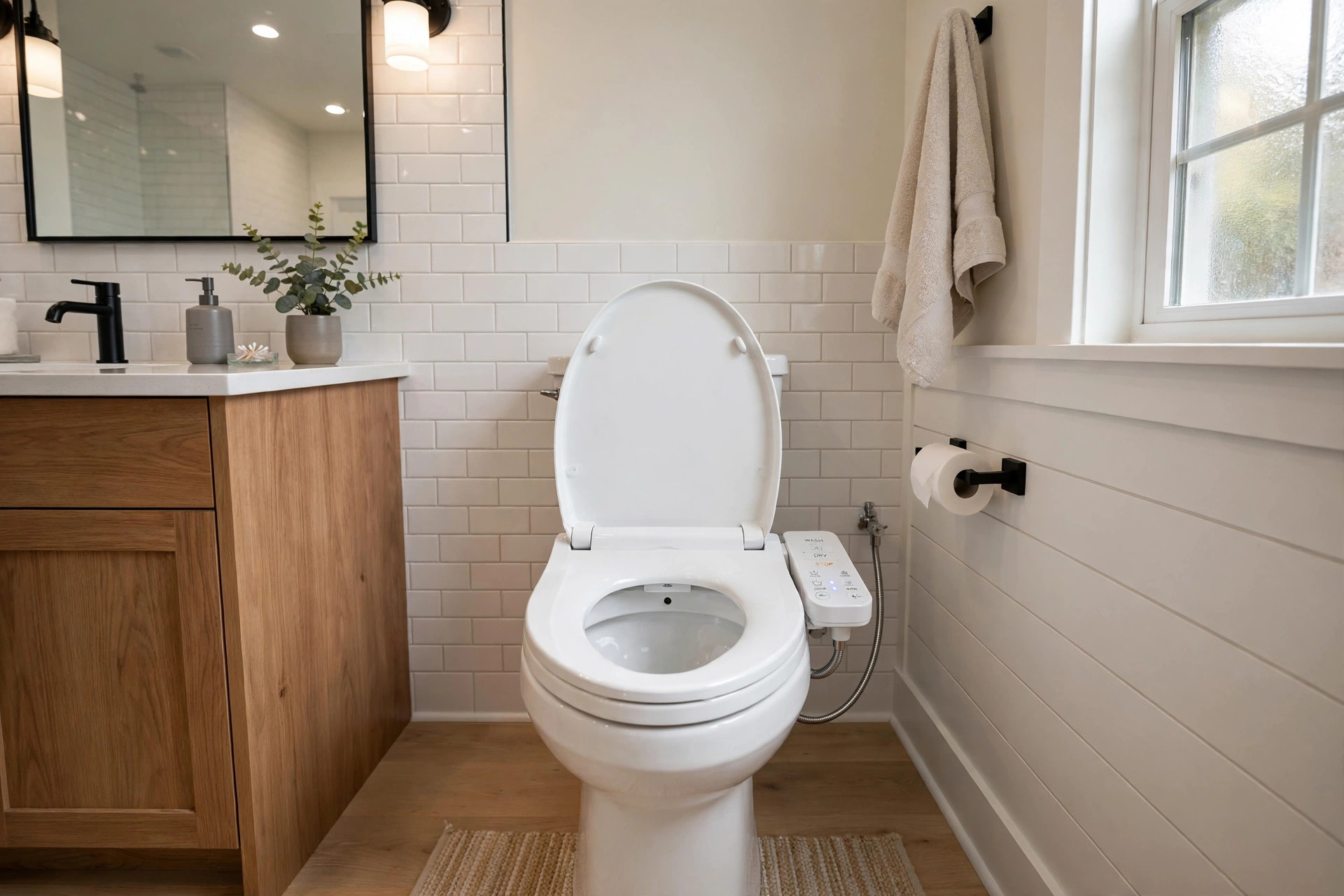

This bidet toilet seats buying guide USA edition will walk you through every step of choosing a bidet seat for your home. A bidet seat replaces your regular toilet seat. It washes with water. It needs no new toilet. Most seats fit the bowl you already own. Shoppers across the United States now ask for them more than ever before. Prices have dropped. Features have grown. The choice can feel wide and confusing.
This guide keeps things plain. It explains what bidet seats do. It tells you what to look for before you buy. It covers the main types. It gives real price ranges. It covers care, safety, and common questions. By the end, you will know which seat suits your home and your budget.
Why Bidet Toilet Seats Matter
A bidet seat brings water washing to your normal toilet. You press a button or turn a dial. A small nozzle moves out from under the seat. It sprays warm or room-temperature water. It cleans better than dry paper alone. Many people find it gentler on skin.
Water use is modest. A short wash uses less water than the paper it replaces, when you count the water used to make the paper. Homes with an older parent or a small child may find a seat very useful. It can help people who have trouble with wiping. Many users say they feel fresher through the day.
The seats also cut paper waste. You still keep some paper near the toilet. Most users pat dry with a small square. They use far less than before. That means fewer trips to buy large packs and less trash.
What to Look For When You Choose: Bidet Toilet Seats Buying Guide Usa
Before you shop, check a few facts about your own toilet. These points decide which seat will fit and work.
Bowl shape. American toilets come in two shapes: round and elongated. A round bowl is about 16.5 inches from the tank bolts to the front edge. An elongated bowl is about 18.5 inches. Measure yours with a tape. Buy a seat that matches the shape. A wrong match leaves the seat short or hanging over the edge.
Water supply. Bidet seats need water from your toilet tank line. They come with a T-valve that splits the supply hose. You do not need a plumber in most cases. Check that you can reach the supply line behind the toilet. If a cabinet or pipe blocks it, measure the space first.
Power outlet. Electric seats need a standard outlet near the toilet. Codes in most states ask for a GFCI outlet in a bathroom. If you have none within reach, plan for an electrician or choose a non-electric model.
Water pressure. Most homes have enough pressure for a good spray. If your pressure is very low, read the seat specs before you buy. Non-electric seats depend on line pressure alone.
Tank and lid weight limits. Some seats have a lid you can sit on for a moment, and some do not. Check the weight rating if this matters to you.
Types of Bidet Toilet Seats
Seats fall into two broad families: electric and non-electric. Each has clear strengths.
Electric Bidet Seats
Electric seats plug into a wall outlet. They heat the water and the seat. They often add a warm air dryer, an adjustable spray, and a deodorizer. The nozzle cleans itself before and after each use. Many models store two user presets.
These seats cost more. They also need the outlet. But they give the most comfort. They suit cold climates and users who want full control. Guides on major home sites note that electric models top most best-buy lists for comfort and features. You can compare models on the Consumer Reports site before you decide.
Non-Electric Bidet Seats
Non-electric seats use water pressure only. You turn a dial or press a lever. The spray is room temperature or fed from your hot-water line. There is no heated seat, no dryer, and no motor.
They cost much less. They install in about twenty minutes. They need no outlet at all. They suit a first purchase, a rental, or a second bathroom. Homeowners on a budget often start here and upgrade later.
Handheld Bidet Sprayer Attachments
A third option is the handheld sprayer. It hangs from the tank like a small hose. You aim it by hand. It is the cheapest choice of all. It needs no seat change and no outlet. Many renters pick it for that reason. It does ask for a little practice to aim well.
Key Features Explained
Not every feature matters to every buyer. Here is what the labels mean in plain words.
Nozzle type. Most seats use a single nozzle. Some add a second nozzle for a front wash. Look for a self-cleaning cycle. Stainless nozzles cost more but last long.
Water temperature. Electric seats heat water in small steps. Basic models offer two or three levels. Top models hold the set temperature through the whole wash.
Spray position and pressure. Adjustable position moves the stream forward or back. Adjustable pressure moves from gentle to strong. These two controls solve most comfort complaints.
Heated seat. A warm seat is the most-loved electric feature in cold months. Most models let you set the level or turn it off in summer.
Air dryer. The dryer cuts paper use to near zero. It adds cost and a few minutes of sitting time. Some buyers skip it and keep a small stack of paper.
Night light. A soft blue light guides you at night. It is a small perk but a popular one.
Deodorizer. A small carbon filter cuts smell in the bowl. It needs a filter change once or twice a year.
Self-cleaning cycle. The nozzle rinses itself before and after use. This keeps the spray clean and is worth having.
Wireless remote. Many seats come with a remote that mounts on the wall. It is easier to reach than side buttons, above all for older users.
Cost and Price Ranges
Prices in the United States span a wide band. Here are fair ranges as of 2026.
– Handheld sprayer: $25 to $60 – Non-electric seat: $35 to $120 – Electric seat, basic: $200 to $400 – Electric seat, mid-range: $400 to $700 – Electric seat, premium: $700 to $1,200
Big-box stores such as Home Depot and Lowe’s carry seats across these bands. Watch for sale events in spring and fall. Installation by a plumber, if you want one, adds about $100 to $200. Most buyers do the job themselves with the tools in the box.
Running cost is low. The seat draws power only when in use or warming. Yearly electricity cost is small. Filters and nozzles last years with normal care. Paper savings can reach several hundred dollars a year for a family.
Installation: What to Expect
Most bidet seats install in 20 to 45 minutes. The box holds a mounting plate, a T-valve, hoses, and small parts. The basic steps are the same across brands.
1. Turn off the water at the wall valve. 2. Remove the old seat from the bowl. 3. Set the mounting plate on the bolt holes. 4. Connect the T-valve to the tank supply line. 5. Run the hose from the valve to the seat. 6. Slide the seat onto the plate until it clicks. 7. Turn the water on and check for drips. 8. Plug in the seat if it is electric.
Test the spray over the bowl before you sit. Adjust the position and pressure. Video guides from This Old House show the steps in real homes. If a fitting leaks, tighten by hand first, then a quarter turn with a wrench. Never force plastic threads.
Care and Upkeep
A bidet seat asks for little care. Wipe the seat and lid with a soft cloth and mild soap. Avoid harsh cleaners and bleach. They dull the plastic and can harm the finish.
Pull the nozzle out for a manual wipe now and then. Many seats have a button that holds the nozzle out for cleaning. If your home has hard water, descale the nozzle with white vinegar every few months. This keeps the spray strong.
Replace the deodorizer filter as the manual says, often once a year. Check hose fittings once a year for slow drips. Keep the power cord dry and away from the floor drain path. These small habits keep the seat working for a decade or more.
Safety Notes
Bidet seats are safe for most people when used as directed. Keep these points in mind.
– Use a GFCI outlet for any electric seat. Water and power must never meet in a bad way. The CPSC lists GFCI rules for bathrooms. – Keep the cord and remote dry. Do not set the remote where it can fall in the tub. – Start with low pressure. High pressure is not kind to soft skin. – Warm water should feel warm, not hot. Turn the heat down if it stings. – People with certain health issues should ask a doctor first. A gentle spray suits most, but a weak pelvic floor or a recent surgery calls for advice. – Children should learn to use the seat with an adult at first. Lock the controls if your model offers a lock.
Manufacturers test these seats to strict standards. A seat from a known brand, used with care, is a safe home fixture. Read the manual once. It takes ten minutes and answers most worries.
How It Fits a Full Bathroom Remodel
A bidet seat is one of the cheapest upgrades in a bathroom. If you plan a wider remodel, it pairs well with other fixture changes. New brushed nickel faucets and a fresh vanity can lift the whole room. Shoppers often bundle the seat with a new toilet or a vanity during sales. You can compare vanity choices in our bathroom sink vanities buying guide before you plan the room. For the best price, see bidet toilet seats for sale in the USA.
Brands such as Kohler, Moen, Delta Faucet, and American Standard all sell bidet seats or full bidet toilets. Each brand page lists specs and warranty terms. HGTV and Bob Vila run plain-language buying articles that compare popular models. The Spruce keeps a home section with fixture reviews and care tips.
FAQ: Common Questions
Will a bidet seat fit my toilet? Most seats fit standard two-piece toilets, round or elongated. Measure from the tank bolts to the front of the bowl. Match the shape and the length. Some one-piece toilets with curved tanks need a model made for that shape. Check the brand fit list before you buy.
Do I need a plumber to install one? Most buyers do not. The kit splits the water line with a simple valve. If you can turn a wrench, you can do the job. Call a plumber if the shut-off valve is stuck or the line is hard to reach.
Does it use a lot of electricity? No. A seat heats water only when needed. Yearly power cost is small, often under twenty dollars. Eco modes cut it more by warming the seat only at set hours.
Is a bidet seat clean? Yes. The nozzle rinses itself before and after each use. It sits behind a guard when idle. Water washes more fully than dry paper. Many doctors note that gentle water suits sensitive skin.
Can guests use it? Yes, with a short demo. Set the pressure low for a first try. Remotes with simple buttons help. A note near the remote with two lines of how-to saves awkward questions.
Will it raise my water bill? Barely. A short wash uses a fraction of a gallon. The drop in paper buying often saves more money than the water costs.
A Short Final Word
A bidet seat is a small change with a large payoff. It costs little to buy and little to run. It fits the toilet you own. It cuts paper waste and adds daily comfort. Start with the checklist in this guide: bowl shape, water line, outlet, and pressure. Then pick electric or non-electric to match your budget. Buy from a known brand with a clear warranty. Install it on a quiet weekend morning. You will wonder why you waited.
References
American Standard. (n.d.). Bathroom and kitchen products. https://www.americanstandard.com Bob Vila. (n.d.). Home improvement advice. https://www.bobvila.com Consumer Reports. (n.d.). Product reviews and ratings. https://www.consumerreports.org Delta Faucet. (n.d.). Kitchen and bathroom faucets. https://www.deltafaucet.com HGTV. (n.d.). Home and garden ideas. https://www.hgtv.com Kohler. (n.d.). Bathroom and kitchen fixtures. https://www.kohler.com Lowe’s. (n.d.). Home improvement products. https://www.lowes.com Moen. (n.d.). Faucets and plumbing fixtures. https://www.moen.com The Home Depot. (n.d.). Home improvement products. https://www.homedepot.com The Spruce. (n.d.). Home and garden advice. https://www.thespruce.com This Old House. (n.d.). Home renovation guidance. https://www.thisoldhouse.com U.S. Consumer Product Safety Commission. (n.d.). Product safety information. https://www.cpsc.gov
Was this guide helpful?

About David Wilson
The My Garden US editorial team writes practical, in-depth home and garden guides for American homeowners — tested advice, no fluff.
You May Also Like
Shower Niche Inserts Reviews Buying Guide USA
February 9, 2026 0 views
Bathroom Towel Warmers Buying Guide USA
April 1, 2026 0 views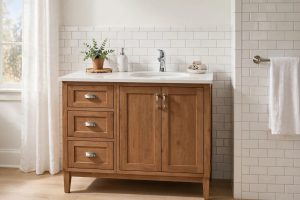
Bathroom Sink Vanities Buying Guide USA: Choose the Right Vanity for Your Home
May 27, 2026 0 views