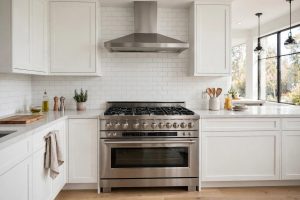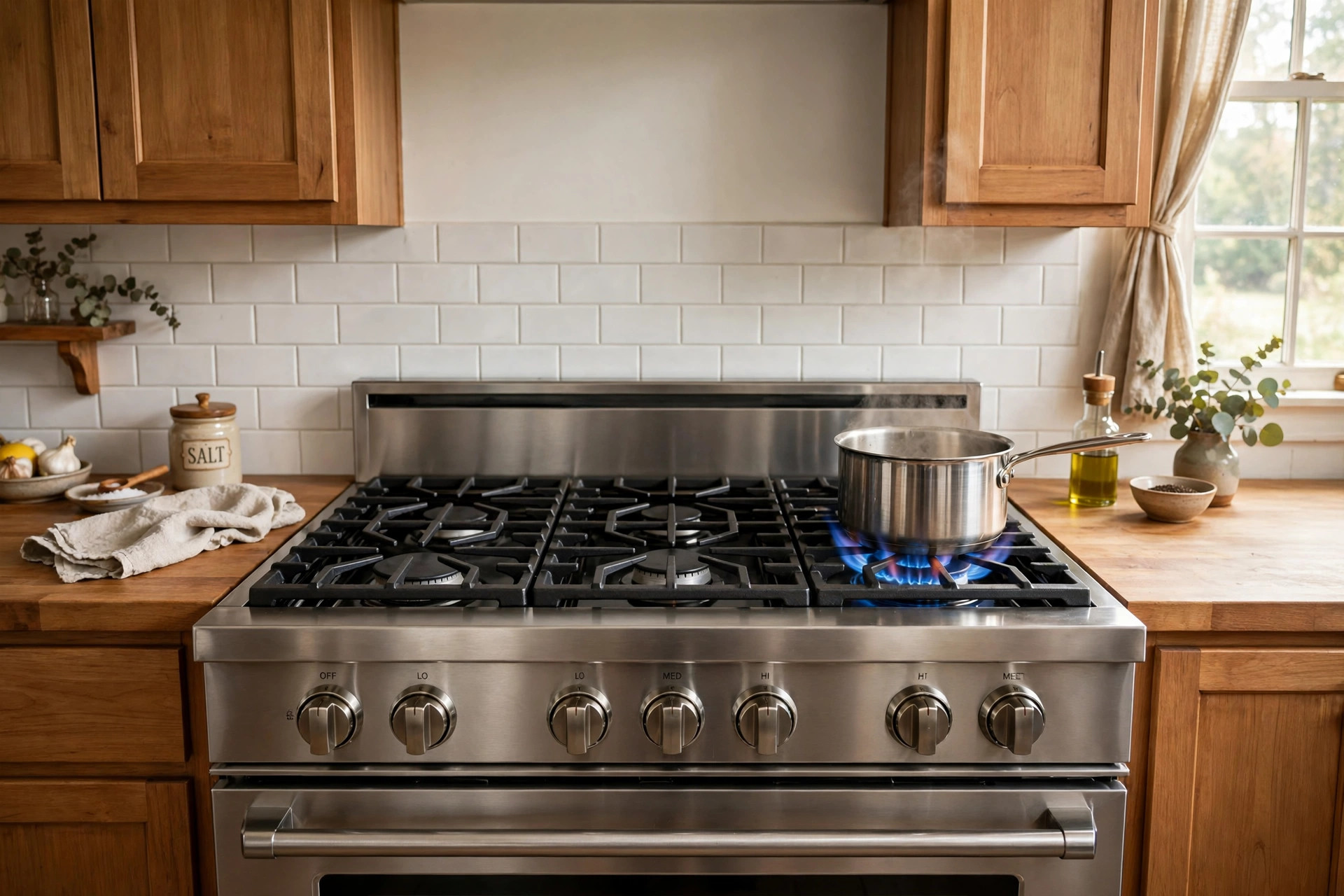

When a shopper types “gas kitchen ranges deals near me” into a search box, the goal is simple. He wants a good gas range at a fair price. He wants it close to home. He wants a stove that cooks well and lasts for years. This guide will help him find it. We will look at why a gas range matters, what to check before buying, the main types, the cost, simple care, and safety rules. By the end, the shopper will know how to read a sale sign with a clear head.
Why a Gas Range Matters in the Kitchen
A kitchen range is the center of home cooking. It holds the cooktop on top and the oven below. For many cooks, gas is the fuel of choice. The flame gives quick heat. The flame goes low at once. That control is hard to match. A gas range also works when the power is out, as long as the burners can be lit by hand. Many buyers search for gas kitchen ranges deals near me because they want this kind of control without paying full price.
There is another reason the search is common. Ranges are not bought often. A family may keep one for ten or fifteen years. When the old one fails, the need is urgent. A deal close to home saves money and time. Local stores can deliver, set the unit in place, and take the old one away. That service has real worth.
What to Look For Before You Buy: Gas Kitchen Ranges Deals near Me
A deal is only good if the range fits your home. Start with size. Most gas ranges are 30 inches wide. Some are 24 inches. Big kitchens may hold 36 or 48 inches. Measure the opening twice. Leave room for the door to swing open.
Next, check the fuel hookup. A gas range needs a gas line. It also needs a standard plug for the clock and the igniter. If your kitchen has no gas line, the cost of adding one can be high. Call a licensed plumber for a quote before you fall in love with a model.
Look at burner power. Power is measured in BTUs. A strong burner may reach 18,000 BTU for fast boiling. A small simmer burner may sit near 5,000 BTU for gentle heat. A good range has both. If you cook big pots of soup or can food in jars, strong burners matter. If you melt butter and warm milk, a low simmer matters more.
Check the oven size. A 5 cubic foot oven holds a large turkey. A smaller oven may fit a sheet pan but little more. Look at the number of racks. Two racks are standard. Some models add a third.
Controls should feel solid. Knobs should turn with care and hold their mark. Digital panels should be easy to read. Self-cleaning ovens cost more but save hours of scrubbing. See our gas kitchen ranges buying guide for a deeper look at features and specs.
Types of Gas Ranges on Sale
Not all gas ranges are alike. The main types are freestanding, slide-in, and professional style.
Freestanding ranges are the most common. The sides are finished, so the unit can stand alone. The back has a raised panel with the controls. They cost less than slide-in models. Most gas kitchen ranges deals near me will be for freestanding units.
Slide-in ranges fit between cabinets. The controls sit on the front, above the oven door. The look is clean and built-in. They cost more. They often need a small strip of counter behind them to close the gap.
Professional style ranges look like the stoves in a restaurant kitchen. They are wide. They have strong burners. They are heavy. They often need a strong vent hood above them. For tips on matching a range with the right vent, read our stainless range hoods buying guide. These ranges cost the most, but their deals can be deep when a store clears stock.
There are also dual fuel ranges. They burn gas on top and use electric heat in the oven. Cooks who want even oven heat may like them. They cost more than all-gas models.
Where Deals Hide and How to Spot Them
Stores run sales at set times of the year. Big holiday weekends bring price cuts. New models arrive in the fall, so late summer can bring deals on last year’s units. Floor models and scratch-and-dent units sell for less. A small mark on the side may cut the price by a third.
When you read “gas kitchen ranges deals near me,” look past the big number on the sign. Ask what is left out. Does the price cover delivery? Does it cover the gas hookup? Does it cover taking the old range away? A low price with high fees can cost more than a fair price with free service.
Compare the model number, not just the brand name. A store may sell a special model made only for that chain. The price cannot be matched elsewhere, but the features may differ from the brand’s main line. Write the full model number down. Check reviews on Consumer Reports and The Spruce to see how that model holds up over time.
Local dealers sometimes match prices. Bring a printed ad from a rival store. Many will meet the price to keep your business. Ask about rebates from the maker. A mail-in rebate can cut fifty or a hundred dollars after the sale.
Cost and Price: What to Expect
A basic gas range can cost as little as five hundred dollars on sale. A mid-range model with a convection oven and five burners may run eight hundred to fifteen hundred dollars. A professional style range can cost three thousand dollars or more.
Watch for the full cost. Delivery may add fifty to one hundred dollars. A new gas line can cost several hundred dollars if your home lacks one. A range cord or anti-tip bracket is often cheap or free with install. Extended warranties add cost. Read the terms with care. Some plans cover little.
Energy cost is small next to the price of the unit, but it adds up over years. Gas is often cheap per meal. Check the Energy Star site for tips on efficient cooking and home energy use. A well-sealed oven door and a clean burner save fuel each day.
Simple Care and Upkeep
A gas range lasts longer with simple care. Wipe spills when the top is cool. Do not let food bake onto the grates. Lift the grates and wash them in hot soapy water. Dry them well before you set them back.
Clean the oven on a set plan. If the oven cleans itself, run the cycle when the house can be aired out. The cycle gets very hot. Keep children and pets away. If the oven needs hand cleaning, use a mild cleaner and a soft cloth. Harsh pads can scratch the finish.
Check the burners once a month. The flame should burn blue and steady. A yellow or uneven flame can mean a clogged port. Turn the gas off. Let the burner cool. Clear the ports with a soft brush or a straight pin. If the flame still burns wrong, call a repair tech.
Keep the area behind the range clean. Crumbs and grease can draw pests. Pull the unit out once a year if you can do so with care. Check the gas line for wear. If you smell gas, leave the house and call for help from outside.
Safety Rules Every Home Should Follow
Gas is safe when it is treated with care. Learn the smell of the gas additive. Makers add a rotten-egg smell so leaks can be found fast. Teach every adult in the home what to do if they smell it.
Install a carbon monoxide alarm near the kitchen. Gas burners make a small amount of this gas. A working alarm adds a layer of care. Test the alarm each month. Change the battery on schedule.
Never use the range to heat the home. The oven and burners are made for cooking only. Running them for heat can fill the room with bad air. Keep the kitchen aired when you cook for a long time. Use the vent hood or open a window a crack.
Keep cloth, paper, and plastic away from the burners. Turn pot handles to the side so they do not hang over the edge. Tie back long sleeves. Small children should stay three feet from a hot stove. An anti-tip bracket keeps the range from tipping if a child climbs on the open door.
For more home safety tips, the advice pages at This Old House and Bob Vila cover stoves and kitchen care in plain words.
Buying New vs. Used
A used gas range can be a true bargain. Churches, offices, and remodel jobs sell units that still cook well. Check the burners and the oven before you pay. Look for rust on the grates. Open and close the door. It should shut firm with no gaps.
Used units carry risk. There is no warranty. Parts for old models can be hard to find. A range more than fifteen years old may use more gas than a new one. Weigh the low price against these facts.
If you buy new, look at the big makers first. Whirlpool, GE Appliances, and Bosch all make gas ranges in many price bands. Big box stores like Home Depot and Lowe’s stock many models and run the weekly sales that feed those “gas kitchen ranges deals near me” searches. While you plan the kitchen, our French door refrigerator buying guide can help you match the rest of your appliances.
Frequently Asked Questions
How do I find gas kitchen ranges deals near me?
Start with a web search for the phrase and your town name. Check the weekly ads of big box stores and local dealers. Call two or three shops and ask for their best out-the-door price. Ask about floor models, open-box units, and holiday sales.
What size gas range do I need?
Most homes use a 30-inch range. Measure your opening before you shop. A 24-inch unit fits small kitchens. Wide 36-inch models suit big kitchens and heavy cooks. The range must fit with room for the oven door to open.
Is a gas range cheaper to run than an electric range?
In many areas, yes. Gas often costs less per meal than electric heat. The gap depends on local fuel prices. A well-kept gas range with clean burners uses less fuel than a neglected one.
Do I need a special vent for a gas range?
A basic range hood helps clear heat, steam, and cooking smells. Strong professional style ranges may need a more powerful hood. Check local codes. Some towns set rules for vent size above high-BTU burners.
Can I install a gas range myself?
You can set the unit in place, but the gas hookup should be done by a licensed pro. A loose fitting can leak gas. Many stores offer install for a set fee. Take the offer if you are not trained.
How long should a gas range last?
A good gas range lasts ten to fifteen years. Some last twenty with care. If repairs cost more than half the price of a new unit, it is time to shop for a new one.
A Final Word
The search for gas kitchen ranges deals near me ends well when the buyer shops with a plan. Measure first. Learn the types. Read the fine print on fees. Check reviews from trusted testers. Keep safety first and care simple. A good range, bought at a fair price, will serve the family table for years to come.
References
Bob Vila. (n.d.). Home improvement advice. https://www.bobvila.com Bosch. (n.d.). Home appliances. https://www.bosch-home.com Consumer Reports. (n.d.). Product reviews and ratings. https://www.consumerreports.org ENERGY STAR. (n.d.). Energy efficient products. https://www.energystar.gov GE Appliances. (n.d.). Kitchen and home appliances. https://www.geappliances.com Lowe’s. (n.d.). Home improvement products. https://www.lowes.com The Home Depot. (n.d.). Home improvement products. https://www.homedepot.com The Spruce. (n.d.). Home and garden advice. https://www.thespruce.com This Old House. (n.d.). Home renovation guidance. https://www.thisoldhouse.com Whirlpool. (n.d.). Home appliances. https://www.whirlpool.com
Was this guide helpful?

About Michael Thompson
The My Garden US editorial team writes practical, in-depth home and garden guides for American homeowners — tested advice, no fluff.
You May Also Like

Microwave Drawer Units Reviews Buying Guide USA
February 12, 2026 0 views
Garbage Disposal Installation: Where to Buy in the USA
July 6, 2026 0 views
Undermount Stainless Sinks Buying Guide USA: How to Choose the Right Sink for Your Kitchen
April 19, 2026 0 views