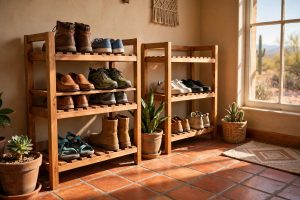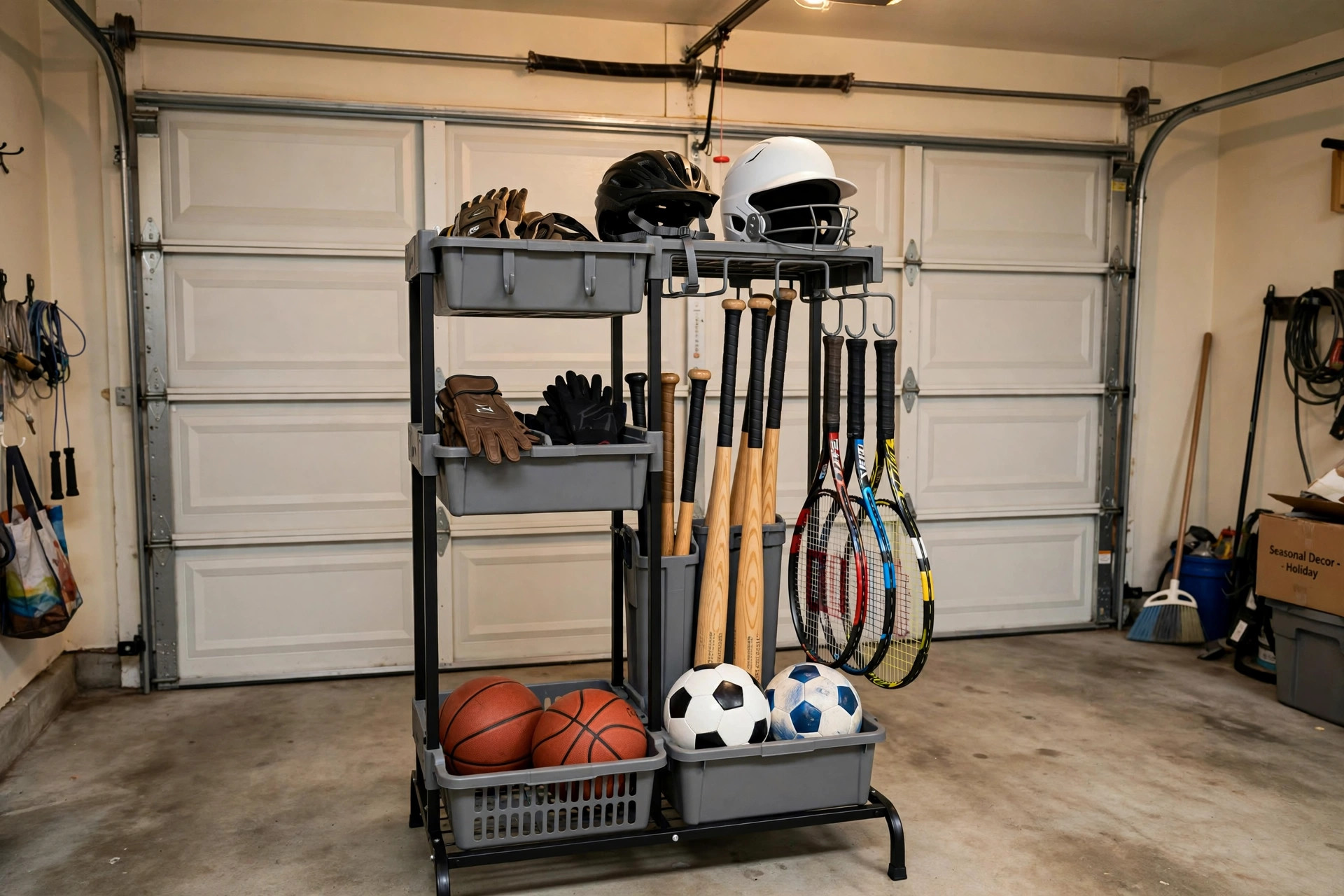

Many homes hold more sports gear than closet space. Bats lean in corners. Balls roll under the couch. Helmets pile by the door. Shopping for affordable sports equipment organizers for sale is the answer to this common mess. These simple racks, bins, and wall systems keep gear off the floor and easy to find.
This guide walks through what such organizers do, what kinds you can buy, what to look for, and what they cost. It also covers care and safety. By the end, you will know how to pick the right unit for your home, your garage, or your mudroom. Families with active kids gain the most, but single players and small teams can use them too.
Why Sports Gear Needs a Home
The Clutter Problem
Sports gear is bulky and odd shaped. A single family can own a dozen balls, several rackets, gloves, pads, skates, and one or two bikes. Left loose, these items drift through the house. The entry hall becomes an obstacle course. The garage turns into a maze. Time gets lost each day hunting for a glove or a pump. A low-cost organizer ends this drift. Each item gets its own hook, slot, or shelf. Put-away time drops to seconds. Clean-up becomes a habit instead of a chore.
Protect Your Investment
Gear costs money. Bats chip. Helmet straps tear. Tennis rackets warp. When items sit in a heap, they rub and press on each other. Moisture from a damp garage floor can rust metal parts. UV light near a window can fade and weaken plastic shells. A rack that holds gear upright, off the floor, and out of direct sun extends its life. Spending a modest sum on storage often saves a larger sum on replacement gear. Coaches have long said that players who care for their gear play longer on it. The same holds for the gear itself.
Safer Rooms for the Family
Loose gear causes falls. A basketball on a stair can send a person down hard. A skate left in a dark hall can trip a child at night. Loose weights in a garage can roll under a tire. A simple storage unit moves these hazards out of walking paths. It also keeps sharp items like ice skate blades and fishing gear away from small hands. Safety is one of the best reasons to bring home one of the many affordable sports equipment organizers for sale today.
How to Choose the Right Organizer: Affordable Sports Equipment Organizers for Sale
Measure Your Space First
Before you buy, measure the spot where the unit will stand. Note the width, height, and depth. Check the ceiling height in the garage. Check that a door can still swing open. Write down these numbers and carry them with you or keep them on your phone. Many buyers guess and end up with a rack that is two inches too wide. A tape measure takes two minutes and prevents this mistake.
Count Your Gear
Make a list of what must fit. Count balls by size. List long items like bats, clubs, and sticks. List small items like gloves, guards, and pucks. Note heavy items like weights or a bike. This list tells you what mix of slots, hooks, and bins you need. A home with three young children will need more hooks than a home with one adult runner. Buy for the gear you have today, plus a little room to grow.
Check Weight Limits
Each rack or shelf has a weight limit. This number matters most for heavy items. A unit that holds thirty pounds per shelf is fine for balls and gloves. It is not fine for a set of dumbbells. Check the product label or the store listing. The rating should list the limit per shelf and for the whole unit. When in doubt, choose a stronger unit than you think you need. A rack that never strains will last far longer than one that sags under load.
Pick the Right Material
Most units are made of plastic, steel, or wood. Plastic is light, cheap, and will not rust. It suits damp garages. Steel is strong and holds heavy gear, but it needs a coated finish to fight rust. Wood looks warm in a mudroom or entry hall, but it can warp in damp air and usually costs more. Mixed units use steel frames with fabric bins. These are light and easy to carry, yet the fabric may tear under sharp cleats. Pick the material that fits your room and your budget.
Types of Sports Equipment Organizers
Freestanding Sports Racks
Freestanding racks stand on the floor like a small tower. They often hold balls in a top basket and bats in side slots. Some have a top shelf for helmets. These units need no drilling. They can move from the garage to the hall in seconds. They work well for renters. Their weak point is stability. A tall, narrow rack can tip if a child climbs it. Choose one with a wide base, and anchor it if the maker says so.
Wall-Mounted Storage Systems
Wall-mounted systems hang from wall studs. Hooks hold rackets, helmets, and bags. Slotted panels hold tools and small gear. A wall system keeps the floor fully clear. That helps in small garages where a car must park each night. The catch is that you must drill into studs. Brick or concrete walls need special anchors. If you rent, ask your landlord first. When set up right, wall systems are strong and tidy. Home improvement guides from The Home Depot often show step by step mounting methods.
Corner and Rolling Carts
Corner racks fit into a corner and use space that often goes to waste. Rolling carts ride on wheels. You can roll a cart from the garage to the yard for practice, then roll it back. Carts suit families who train in the driveway. They are less stable than fixed racks, so lock the wheels when the cart is parked. Good carts cost a little more than plain bins, but the rolling ease is worth it for many buyers.
Bins, Benches, and Combo Units
Storage bins are the cheapest choice. Drop balls and pads into a large bin. Some bins stack. Combo units mix a bench seat with hidden storage. The bench serves in the mudroom while gear hides under the lid. These suit homes where looks matter. A hall bench in plain wood blends with home decor. Check that the bench top can hold an adult’s weight if you plan to sit on it.
If you need more storage ideas beyond sports gear, our guide on wall-mounted storage shelves covers general home shelving options that pair well with a sports corner.
Cost and Price Guide
What Cheap, Mid, and High Cost Look Like
Affordable sports equipment organizers for sale range from about fifteen dollars to about two hundred dollars. Simple plastic bins sit at the low end, often under twenty five dollars. Basic freestanding racks run from thirty to eighty dollars. These cover most family needs. Wall systems with panels and hooks run from sixty to one hundred fifty dollars, based on size and brand. Combo benches and large multi-sport towers run from one hundred to two hundred dollars. Price often follows size and load rating, not brand name alone.
Where the Best Deals Turn Up
Sales cluster around certain seasons. Late summer brings clearance on outdoor gear racks as stores make room for fall goods. Holiday weekends bring store-wide discounts. Online stores run flash sales through the year. Big retailers like Wayfair and IKEA often list budget organizers with clear price filters. Set a price alert online and wait two or three weeks if you are not in a rush. The patient buyer often saves twenty percent or more.
Watch for Hidden Costs
The sticker price is not always the full price. Wall systems may need extra hooks sold on their own. Some racks need wall anchors that are not in the box. Shipping can add ten to twenty dollars on bulky items, so look for free shipping offers. Assembly can take an hour; if you hire help, add that cost too. Read the product listing to the end before you buy. Specialty stores like The Container Store often note exactly what is and is not in the box.
Care and Upkeep
Cleaning Simple Materials
Most organizers need little care. Wipe plastic and coated steel with a damp cloth and mild soap. Rinse and dry. Keep fabric bins out of standing water. Brush dust off wooden units and check the finish each year. A quick wipe every few months keeps the unit looking new and stops grit from scratching gear.
Tighten and Check Twice a Year
Set a habit of checking the unit each spring and fall. Tighten all screws and bolts. Test wall hooks by pulling firmly. Look for cracks in plastic and rust spots on steel. A five minute check catches small faults before they fail. Keep the assembly sheet in a drawer so you know which parts fit where if a repair is ever needed.
Store Gear Dry
Even the best rack cannot fix wet gear. Let balls, pads, and gloves dry before they go back on the rack. Open the garage door for an hour on dry days to air the room. Damp gear grows mold and smells. It also rusts zippers and buckles. A small fan in the garage corner helps in humid months. Practical upkeep advice from The Spruce and Apartment Therapy often stresses this drying habit as the single best way to protect both gear and storage units.
Safety Tips
Anchor Tall Units
Any unit taller than three feet should be anchored to the wall if the maker suggests it. Children climb. A tipping rack can cause a serious head injury. Most anti-tip kits cost under ten dollars. They take ten minutes to fit. Do not skip this step, even in the garage. Safety agencies like the U.S. Consumer Product Safety Commission note that tip-over injuries from furniture and storage units are common and preventable.
Keep Aisles Clear
Place the unit against a wall, never in a walkway. Leave at least three feet of clear path in front of it so gear can be pulled out without strain. In a garage, keep the unit away from the car door swing. In a hall, keep it out of the direct line of travel. A well placed rack is one you never bump into in the dark.
Store Hazardous Items Up High
Keep sharp blades, heavy weights, and cleaning sprays on high shelves or in locked bins. Small children reach low hooks with ease. Put their balls and soft toys down low, and move risky items out of reach. If the home has a toddler, consider a unit with a door or latch. For bigger homes, a full lockable freestanding wardrobe closet can serve as a second safe spot for gear that needs to stay out of small hands.
Check Recalls
Once a year, check whether your model has been recalled. Makers sometimes find a fault in a latch or a bracket. The Consumer Reports buying guides and the CPSC recall list are good places to check. Keep your receipt and model number. A recall fix is usually free.
Frequently Asked Questions
What is the cheapest type of sports equipment organizer?
Simple stackable bins are the cheapest. Large open bins sell for under twenty five dollars. They hold balls, pads, and gloves with no setup. Their weak point is that small items sink to the bottom. For a little more, a basic ball cart with side pockets keeps things sorted.
Can I use a sports organizer in a small apartment?
Yes. Wall-mounted systems suit small flats. A single wall panel with hooks can hold rackets, a helmet, and bags in about two feet of wall. Corner racks also save floor space. Measure first, then pick a unit that matches your wall and your gear list.
Do these organizers need tools to set up?
Many do. Freestanding racks often need a hex key, which is usually in the box. Wall systems need a drill, a level, and a stud finder. Bins need no tools at all. Check the listing for the tool list before you buy so you are ready on arrival day.
How long will a budget organizer last?
A well made budget unit lasts five to ten years. Plastic bins last longest in dry rooms. Steel racks last long if the coating stays intact. Keep the unit dry, do not overload it, and tighten screws twice a year. Repair guides from Family Handyman show how to fix most small faults with basic tools.
Where else can I buy affordable sports equipment organizers?
Apart from big chains, check local sporting goods stores at season end for clearance racks. Thrift stores sometimes carry solid used units. Online marketplaces sell new and used options, but check seller ratings and read the full description. Retail guides from Lowe’s often compare store and online prices for the same models.
Can one organizer hold gear for the whole family?
Yes, if you size it right. Count every person’s gear first. A family of four may need two racks or one large multi-sport tower. Put kids’ gear on low hooks and adult gear up high. Label each hook with a name so put-away stays simple.
A Short Final Word
A tidy home is not about owning less. It is about giving each thing a place. Among the affordable sports equipment organizers for sale today, there is a fit for every budget, from a twenty dollar bin to a full wall system. Measure your space. List your gear. Check the weight limit. Anchor what stands tall. Then enjoy a hall you can walk through and a garage you can park in.
If your storage needs go beyond the sports corner, you may also want to read our piece on where to buy kitchen drawer organizers in Arizona, which shows how the same buy-smart habits apply to other rooms in the home.
References
Apartment Therapy. (n.d.). Home design ideas and inspiration. https://www.apartmenttherapy.com Consumer Reports. (n.d.). Product reviews and ratings. https://www.consumerreports.org Family Handyman. (n.d.). DIY home repair and maintenance. https://www.familyhandyman.com IKEA. (n.d.). Home furnishings. https://www.ikea.com Lowe’s. (n.d.). Home improvement products. https://www.lowes.com The Container Store. (n.d.). Storage and organization products. https://www.containerstore.com The Home Depot. (n.d.). Home improvement products. https://www.homedepot.com The Spruce. (n.d.). Home and garden advice. https://www.thespruce.com U.S. Consumer Product Safety Commission. (n.d.). Product safety information. https://www.cpsc.gov Wayfair. (n.d.). Furniture and home goods. https://www.wayfair.com
Was this guide helpful?

About Jennifer Lee
The My Garden US editorial team writes practical, in-depth home and garden guides for American homeowners — tested advice, no fluff.
You May Also Like
Where to Buy Ottoman Storage Benches in Colorado: A Homeowner’s Guide
June 29, 2026 0 views
Affordable Garden Tool Organizers for Sale: A Practical Guide
February 5, 2026 0 views
Bathroom Vanity Organizers Reviews and Buying Guide
August 2, 2026 0 views