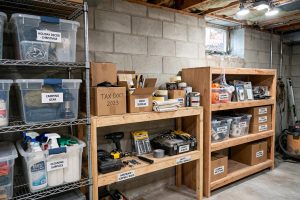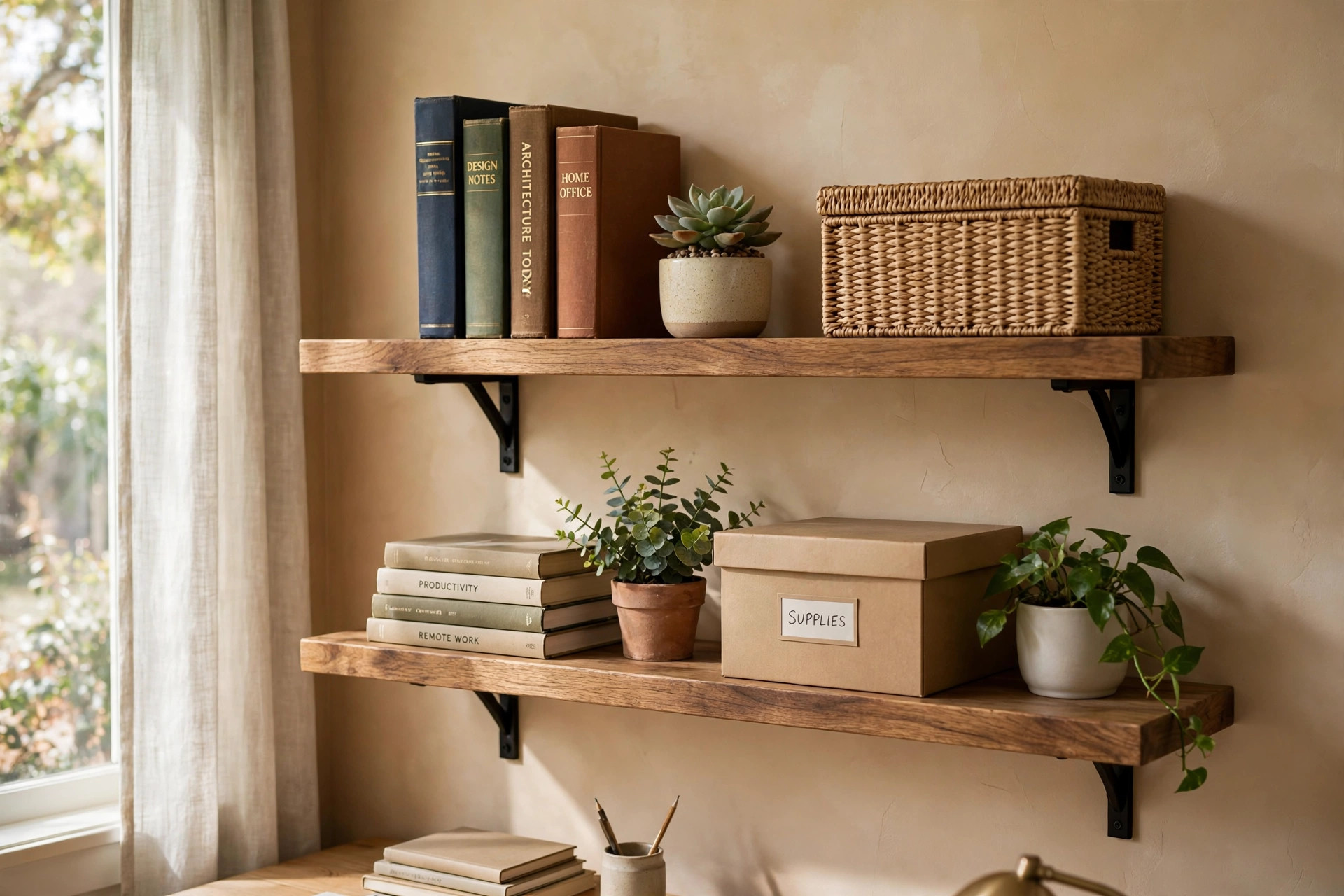

Wall mounted storage shelves are among the most useful items a home can hold. They lift books, tools, dishes, and boxes off the floor and onto the wall, where they stay out of the way yet close at hand. A good set of shelves can turn a bare garage wall, a small kitchen, or a crowded home office into an orderly space. A poor set, badly chosen or badly mounted, can sag, tilt, or fall, and can ruin a wall in the process.
This guide brings together the main points from many wall mounted storage shelves reviews and turns them into a buying guide you can use before you shop. It covers the types on the market, the materials that hold up best, the prices you should expect in the United States, the right way to mount shelves so they stay safe, and the care that keeps them strong for years.
Why Wall Mounted Storage Shelves Matter
Floor space is the scarcest resource in most homes. Every closet, garage, pantry, and office fights the same battle: too many things and too little room. Wall mounted storage shelves solve the problem by using the walls, which are usually empty. A single 48-inch shelf, set at a good height, can hold as much as a small bookcase while leaving the floor clear.
Reviews point to a second gain: order. When shelves are in place, items earn a home. Tools go back to the garage shelf. Spices line up on the kitchen shelf. Boxes rest on the utility shelf instead of the hallway floor. Over time this habit saves real money, because people buy fewer duplicates of things they could not find.
A third reason is cost. Shelving is one of the cheapest ways to add storage. A basic two-shelf set costs less than a night out for two. Even heavy duty systems, built to hold hundreds of pounds, cost far less than cabinets or a renovation.
Types of Wall Mounted Storage Shelves: Wall Mounted Storage Shelves Reviews and Buying Guide
Not all shelves are alike. Reviews sort them into five main groups, and the right choice depends on what you plan to store.
Fixed Bracket Shelves
The classic form: a wood or metal board held by two or more metal brackets screwed into the wall. These are cheap, strong, and easy to replace. Solid pine or plywood boards 10 to 12 inches deep are the most common. Reviewers praise their simplicity and their strength when the brackets land in wall studs. Their weak point is looks; plain brackets can appear rough unless painted or dressed with a front lip.
Floating Shelves
Floating shelves hide their hardware inside the board, so the shelf appears to hover. They are the favorite of interior decor sites such as IKEA and Wayfair for living rooms and offices. Reviews say floating shelves look clean and modern, but they hold less weight than bracket shelves of the same size. Choose thick boards, at least 2 inches, and use the metal rods or hidden rails the maker supplies. Thin floating shelves from discount stores tend to bow under heavy books.
Wire and Steel Utility Shelves
Made of steel wire or slotted steel uprights, these are the workhorses of garages, basements, and laundry rooms. The slots let you move shelf levels up and down. Reviews rate them highest for raw capacity: many models hold 75 to 100 pounds per shelf. They resist rust when coated, and the open design lets light and air through. They are not pretty, and small items can fall through the wires, but for storage duty few types beat them.
Track and Standard Systems
Twin-slot upright tracks screw to the wall, and brackets click into the slots at any height. You can shift shelves in minutes as needs change. Retailers such as The Container Store and Home Depot sell full lines of these systems. Reviewers like the flexibility and the clean metal finish. The cost runs higher than fixed brackets, and the tracks must be level or the shelves will rock.
Corner and Specialty Shelves
Corner shelves fit into unused corners, often in sets of two or three stacked. Small spice racks, DVD shelves, and picture ledges belong here too. They use space well but hold light loads. Keep them to decor and small items.
How to Choose: What to Look For
Reviews return again and again to the same checklist. Work through it before you buy.
Load rating. Every serious product lists a weight limit per shelf. Take it at face value and leave a margin. If the shelf says 50 pounds, plan for 35. Overloading is the top cause of shelf failure in user reviews.
Mounting hardware. The shelf is only as strong as its anchors. Wood screws into wall studs are the gold standard. Drywall anchors, toggles, or molly bolts are needed where studs do not line up. Cheap plastic expansion anchors fail under real weight. For concrete and brick walls, use masonry anchors and a hammer drill.
Depth and length. Deeper shelves hold more but stick out into the room. For books and boxes, 10 to 12 inches is the norm. Above a workbench or desk, 8 inches keeps items within reach. Shelves longer than 36 inches need three brackets or a center support to stop sagging.
Material. Solid wood is strong and takes paint or stain. Plywood is strong and light, and hides its edges under a band. Medium density fiberboard is smooth and cheap but weak when wet, so keep it out of damp rooms. Steel shelves carry the most weight. Reviews consistently warn against particleboard shelves in kitchens or bathrooms, where steam softens them.
Finish and care. A sealed finish, such as polyurethane or a baked powder coat, wipes clean and resists stains. Raw pine looks warm but drinks in grease and water. In a garage, choose finishes that stand up to dust and oil.
Adjustability. If your needs change, tracks and wire systems move with you. If the shelf will sit in one place for ten years, fixed brackets are fine.
Cost and Price in the United States
Prices vary by size, material, and brand, but reviews describe a clear pattern.
A single fixed-bracket wood shelf, 24 to 36 inches long, costs about 15 to 40 dollars with brackets. A pair of floating shelves in the same size runs 25 to 60 dollars. Full track systems for a closet wall cost 80 to 200 dollars. Heavy duty steel utility shelves, 48 inches wide, run 50 to 120 dollars per unit. Custom hardwood shelves, cut and finished by a local shop, start around 100 dollars per shelf.
Installation adds cost if you hire help. A handyman typically charges 50 to 100 dollars per visit to hang a set of shelves. Most homeowners hang simple shelves themselves in under an hour with a drill, a level, and a stud finder. Advice from Family Handyman walks through the steps clearly for first-timers.
Shipping is worth a check. Steel systems are heavy, and freight can add 20 dollars or more. Local pickup at a hardware store avoids that fee. For renters, look for systems that need few holes; Apartment Therapy often covers damage-free or low-damage storage ideas.
Safe Mounting: The Steps That Matter
Most shelf failures come from poor mounting, not poor shelves. Follow these steps.
1. Find the studs. A stud finder or a strong magnet locates the wood framing behind drywall. Studs sit 16 inches apart in most American walls. Mark each one with tape. 2. Plan the layout. Hold the shelf up and check the height against your reach and the items it will carry. Leave space above for the tallest object you plan to store. 3. Level the line. Draw a level line where the top of the brackets will sit. Even a slight tilt shows, and it gets worse as items pile on. 4. Drive the screws. For fixed brackets, drive long wood screws through the bracket holes into the studs. Two inches of screw in the stud is a safe rule. Where no stud exists, use toggle bolts rated for the load. 5. Test the shelf. Before loading it fully, press down hard with both hands. If it moves or creaks, add another bracket or a stronger anchor. 6. Load evenly. Place heavy items near the brackets and light items toward the middle. This spreads the load and stops the shelf from pulling away at the ends.
In a pantry or kitchen, you may pair shelves with pantry shelving units or small pegboard wall organizers to keep jars and tools within reach. In a damp garage or shed, consider waterproof wall mounted storage shelves that will not warp with moisture.
Care and Upkeep
Shelves ask little, but they ask it on schedule. Dust them once a month so grit does not grind into the finish. Wipe wood shelves with a damp cloth and dry them at once; standing water stains pine and swells fiberboard. Tighten bracket screws once a year, since seasonal movement of the house can loosen them. Check anchors in drywall every spring; a screw that spins freely has lost its bite and needs a new anchor or a move to a stud.
Steel shelves need a wipe with a damp cloth and a dry finish to keep rust at bay. If the powder coat chips, touch it up with matching enamel paint. Wire shelves benefit from liners, thin sheets of plastic or paper, that keep small items from tipping through.
Safety
Safety is the heart of this buying guide. A shelf that holds fifty pounds of tools becomes a hazard when it falls, so every mounting choice is a safety choice.
Never mount heavy shelves with nails alone. Never hang them from drywall with plastic anchors rated below the planned load. Keep shelves out of reach of small children when they hold heavy or sharp items, and anchor tall track systems so a climbing child cannot pull them down. In earthquake areas, add a small lip or rail at the front of open shelves to keep items from walking off.
Reviews on sites like The Spruce often remind readers to check for pipes and wires before drilling. Cut power to nearby outlets if you are unsure, and never drill blindly into a wall that backs onto a bathroom or kitchen.
Frequently Asked Questions
How much weight can a wall mounted storage shelf hold? It depends on the shelf and the mounting. Light floating shelves hold 15 to 30 pounds. Fixed bracket wood shelves hold 40 to 75 pounds per shelf when screwed into studs. Heavy steel systems hold 75 to 150 pounds per shelf. Always check the maker rating and mount into studs for full strength.
Can I mount shelves on drywall without studs? Yes, with the right anchors. Toggle bolts and molly bolts grip the back of the drywall and hold 50 to 100 pounds each in half-inch drywall. Keep loads modest, spread brackets wide, and avoid heavy shelves on drywall alone. Studs are always stronger.
What is the best depth for storage shelves? Ten to twelve inches suits most uses: books, boxes, tools, and pantry goods. Eight inches works over desks and workbenches. Sixteen inches suits large bins and paint cans but makes the shelf dominate a small room.
How far apart should brackets be? Two brackets suit shelves up to 36 inches. Three brackets, with one in the middle, suit shelves from 36 to 60 inches. Keep the outer brackets within 6 inches of each shelf end to stop the ends from drooping.
Are floating shelves strong enough for books? Thick floating shelves, 2 inches or more, with metal rods set into studs, can hold a row of books. Thin shelves, or shelves held only by drywall anchors, will bow or pull free. When in doubt, use bracket shelves for heavy book collections.
Which finish lasts longest in a garage? Powder-coated steel and sealed hardwood last longest. Both resist dust, oil, and the damp air that garages breathe. Raw fiberboard and thin veneer fail fastest in garage conditions.
A Short Final Word
The reviews tell a steady story. Buy shelves rated above your real load. Mount them into studs with good hardware. Keep them level, loaded evenly, and checked once a year. Do that, and wall mounted storage shelves will serve your home quietly for a decade or more, holding everything from spice jars to toolboxes with room to spare.
For more background, see Target.
References
Apartment Therapy. (n.d.). Home design ideas and inspiration. https://www.apartmenttherapy.com Family Handyman. (n.d.). DIY home repair and maintenance. https://www.familyhandyman.com IKEA. (n.d.). Home furnishings. https://www.ikea.com Target. (n.d.). Retail store. https://www.target.com The Container Store. (n.d.). Storage and organization products. https://www.containerstore.com The Home Depot. (n.d.). Home improvement products. https://www.homedepot.com The Spruce. (n.d.). Home and garden advice. https://www.thespruce.com Wayfair. (n.d.). Furniture and home goods. https://www.wayfair.com
Was this guide helpful?

About James Carter
The My Garden US editorial team writes practical, in-depth home and garden guides for American homeowners — tested advice, no fluff.
You May Also Like

Nightstands With Storage Drawers Reviews and Buying Guide
March 1, 2026 0 views
Where to Buy Wicker Storage Baskets in California
March 2, 2026 0 views
Space Saving Rolling Storage Carts With Free Shipping: A Buyer’s Guide
August 23, 2026 0 views