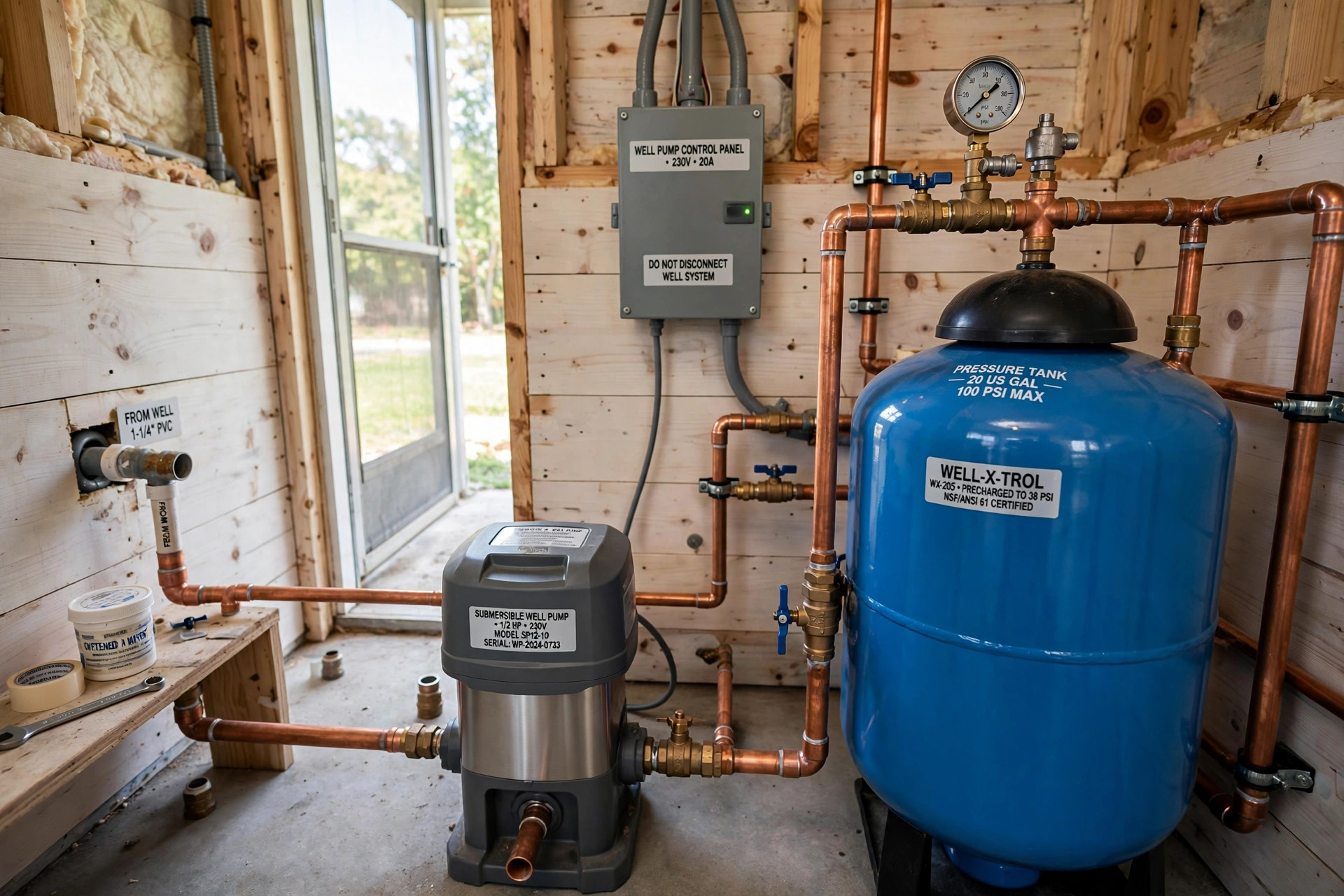

When the water stops flowing from a private well, the first thought most homeowners have is simple. They want to know the well pump replacement cost near me. A failing well pump means no water for drinking, cooking, or washing. The cost of a replacement is not a single number. It changes with the type of pump, the depth of the well, and the local labor rates. This guide explains what drives the price and how to make a wise choice when the time comes.
Why the Well Pump Matters So Much
A well pump is the heart of a private water system. It lifts water from underground and pushes it into the home. Without it, the faucets run dry. Most well pumps last between eight and fifteen years. Some fail sooner because of heavy sediment or frequent cycling. Others last longer when the water is clean and the system is sized well.
When a pump dies, speed matters. A family cannot go many days without running water. Yet rushing into the cheapest offer can lead to bigger bills later. A pump that is too small will strain and burn out early. A poor installation can crack pipes or damage the well casing. Knowing the real well pump replacement cost near me helps a homeowner plan calmly instead of panicking.
Types of Well Pumps and Their Prices: Well Pump Replacement Cost near Me
There are two main kinds of well pumps. The right kind depends on how deep the well is.
Submersible Well Pumps
A submersible pump sits deep inside the well, below the water line. It pushes water upward. These pumps are quiet because they work underwater. They are the standard choice for deep wells, which are common across much of the United States. A submersible pump costs more than a jet pump, but it is more efficient and lasts longer.
Jet Well Pumps
A jet pump sits above ground, often in a basement or well house. It pulls water up through a suction pipe. Jet pumps work well only for shallow wells, usually less than twenty-five feet deep. They are cheaper to buy and easier to service, but they are louder and less efficient.
The type of pump is the first factor that sets the well pump replacement cost near me. Deep wells need submersible pumps, and those cost more in both parts and labor.
What Drives the Well Pump Replacement Cost
Several facts decide the final bill. Homeowners who understand them can judge quotes with confidence.
Well depth. A deeper well needs a stronger pump and more pipe. It also takes more time to pull the old pump and set the new one. Labor climbs as depth rises.
Pump type and horsepower. Submersible pumps cost more than jet pumps. A larger home with more bathrooms needs a pump with more horsepower. More power means a higher price.
Well condition. Old pipes, corroded wire, or a damaged well cap add to the job. A good installer inspects these parts before the new pump goes in.
Local labor rates. Labor is a large part of the cost. Rates differ by state and by county. Rural areas with few well drillers may charge more because travel time is long. This is why the search for well pump replacement cost near me always ends with a range rather than a fixed price.
Permits and extras. Some counties require a permit for well work. New pressure tanks, pressure switches, or water lines add to the total.
Typical Cost Ranges
No two jobs are the same, but ranges help set expectations. For a shallow jet pump replacement, homeowners often pay between three hundred and eight hundred dollars in total. For a submersible pump in a well of one hundred to three hundred feet, the total often falls between one thousand and two thousand five hundred dollars. Very deep wells can push the cost past three thousand dollars.
These ranges include parts and labor. The pump itself is only part of the bill. Wire, pipe, fittings, and the service call all add up. When you ask a contractor for the well pump replacement cost near me, ask for an itemized quote. A clear breakdown shows what is labor, what is parts, and what is extra.
The condition of the well also moves the number. If the drop pipe is old and must be replaced, or if the wiring shows corrosion, the installer will add those items to the quote. A pressure tank near the end of its life is often replaced in the same visit. This saves a second service call and keeps the new pump from cycling too often. Ask whether the quote covers the full system or only the pump, so no cost surprises you later.
How to Choose the Right Pump
Choosing a pump is not only about price. A pump that fits the well will run for years with little trouble.
Match the pump to the well depth. A pump that is too weak will run constantly and fail early. A pump that is far too strong will cycle on and off too often. Both patterns wear out the motor.
Check the flow rate. Flow rate is measured in gallons per minute. A typical family home needs five to ten gallons per minute. A well contractor can test the well yield and pick the right size.
Buy a known brand. Quality brands stand behind their motors and parts. Cheap pumps from unknown makers may save money at first but fail within a few years.
Look at the warranty. Most good submersible pumps carry a warranty of one to five years. Some extend further. A longer warranty often signals a better-built pump.
Consider water quality. Well water with iron, sediment, or sulfur is hard on pumps. A sediment filter before the pump can extend its life. Many homeowners pair a new pump with updated best well water filtration system reviews usa to protect their investment. Others add a softener at the same time, and reading about water softener installation cost near me helps them plan the full project budget.
Finding a Trusted Local Installer
The person who installs the pump matters as much as the pump itself. Here is how to find a good one.
Ask for state licensing. Many states license well drillers and pump installers. A license shows training and insurance. You can check with your state health department for rules that protect well owners, and the national guidance from EPA on private drinking water wells is a useful starting point.
Get three written quotes. Three quotes reveal the fair market price. Be wary of any quote far below the others. It may hide cheap parts or skipped steps.
Ask about the full scope. A good quote lists the pump model, horsepower, depth setting, wire gauge, and warranty terms. It should also say who handles the old pump and any permits.
Read local reviews. Neighbors with wells are a strong source of honest advice. Local hardware stores and supply houses also know which installers do clean work. Big home centers like Home Depot and Lowe’s list local well services and customer ratings.
Ask about emergency service. Pumps often fail at the worst time. An installer who offers emergency calls is worth more than a cheaper one who does not.
Care and Upkeep After Replacement
A new pump deserves regular care. Simple habits add years to its life.
Listen for short cycling. A pump that turns on and off every few seconds is short cycling. This pattern overheats the motor. The cause is often a waterlogged pressure tank or a bad pressure switch. Fix it early.
Test the water yearly. Well water can change. Yearly testing shows shifts in minerals or bacteria. Clean water treats the pump gently. If tests show heavy iron or sediment, a best water softener for well water usa guide can help you pick protection for the whole system.
Keep the area clear. The well head and pressure tank need room to breathe. Do not pile mulch, soil, or debris against the well casing. Keep the well house clean and dry.
Watch the electric bill. A sudden rise in power use can signal a pump that runs too long. Catching this early saves both money and the pump.
Schedule a check every two years. A quick visit from a well professional keeps small issues small. They check pressure, wiring, and tank air charge.
Safety Notes for Well Owners
Well work has real hazards. Electricity and water are a dangerous mix. A well pump runs on 230 volts. Never open the well cap or touch pump wiring unless the power is off at the breaker. Even then, let a trained installer do the work. Pulling a submersible pump from a deep well needs special equipment and two or more people. A dropped pump can be lost in the well and cost thousands to retrieve.
Water safety matters too. After any pump replacement, run the water until it is clear. Many health departments advise testing for bacteria after well service. The well cap must sit tight to keep insects and surface water out. For step-by-step how-to articles on home water systems, the guides at This Old House and Family Handyman are respected by professionals. For water quality products that pair well with a new pump, Aquasana offers certified filtration options, and the fixture experts at Moen and Delta help protect the rest of the plumbing. Premium fixtures from Kohler also pair nicely with a refreshed well system.
Frequently Asked Questions
How long does it take to replace a well pump?
Most replacements take two to four hours. Deep wells or damaged pipes can stretch the job to a full day. Ask the installer for a time estimate with the quote.
Can I replace a well pump myself?
It is not advised. Deep well pumps need a derrick or hoist, and the wiring is high voltage. A mistake can damage the well or cause injury. Licensed installers carry the right tools and insurance.
What are the signs my well pump is failing?
Common signs are sputtering faucets, low pressure, a pump that runs all the time, air in the pipes, and rising electric bills. Rust-colored water can also point to pump trouble.
Does homeowners insurance cover well pump replacement?
Most policies cover sudden damage, such as a lightning strike that kills the pump. They usually do not cover wear and tear from age. Check your policy before you need it.
How often should a well pump be replaced?
Submersible pumps last about eight to fifteen years. Jet pumps often last five to ten years. Good water quality and a sound pressure tank push the number higher.
Is it cheaper to repair or replace an old pump?
A small fix, like a new pressure switch, is worth doing. But if the pump is over ten years old and needs a motor rewind or major part, replacement is usually the better value. A new pump also comes with a fresh warranty.
A Final Word
Searching for the well pump replacement cost near me is really a search for peace of mind. The number matters, but what matters more is a pump that fits the well, an installer who does honest work, and a system that is cared for after the job is done. Get written quotes, ask clear questions, and do not rush the choice. Clean water is worth the patience.
References
Aquasana. (n.d.). Water filtration systems. https://www.aquasana.com Delta Faucet. (n.d.). Kitchen and bathroom faucets. https://www.deltafaucet.com Family Handyman. (n.d.). DIY home repair and maintenance. https://www.familyhandyman.com Kohler. (n.d.). Bathroom and kitchen fixtures. https://www.kohler.com Lowe’s. (n.d.). Home improvement products. https://www.lowes.com Moen. (n.d.). Faucets and plumbing fixtures. https://www.moen.com The Home Depot. (n.d.). Home improvement products. https://www.homedepot.com This Old House. (n.d.). Home renovation guidance. https://www.thisoldhouse.com U.S. Environmental Protection Agency. (n.d.). Protecting human health and the environment. https://www.epa.gov
Was this guide helpful?

About James Carter
The My Garden US editorial team writes practical, in-depth home and garden guides for American homeowners — tested advice, no fluff.
You May Also Like
Best Under Sink Filter for Apartments USA: A Complete Buyer Guide
June 13, 2026 0 views
Heat Tape for Water Pipes Reviews USA: A Plain Guide for Homeowners
August 21, 2026 0 views
Well Pressure Tank Replacement Cost USA: What American Homeowners Should Expect to Pay
March 18, 2026 0 views