
Anyone who runs a short-term rental knows the math of a turnover. A guest checks out at eleven. A new guest arrives at three. In those four hours a cleaner must strip beds, wash towels, wipe counters, and make the whole place feel new again. The floor sits under every one of those jobs. The wrong floor eats an hour by itself. The right floor takes ten minutes with a mop.
That is why the search for the best flooring for airbnb turnover cleaning is not a luxury question. It is a business question. The floor you choose decides how fast your cleaner can work, how often you pay for repairs, and how fresh the rooms look in your listing photos. This guide walks through the choices in plain terms, compares the main floor types, and lists costs and upkeep steps so you can decide with confidence.
Why Flooring Matters for an Airbnb
A home floor has to please one family for twenty years. An Airbnb floor has to please a different family every week. Shoes track in sand and salt. Suitcases drag across corners. A child spills juice that no one reports until the next cleaning. Pets sneak in even when the rules say no pets. Each stay leaves a little mark, and hundreds of stays a year multiply every weakness.
Turnover cleaning is the sharpest test. Most hosts hire a cleaner by the job or by the hour. A floor that needs vacuuming, spot scrubbing, and steam cleaning eats time and money on every single turnover. A floor that needs one pass with a damp mop protects your margin twice a year over year. Guests also judge cleanliness by what they see at ankle level. A dull, stained floor makes even a well-scrubbed kitchen feel dirty. A bright, clean floor makes the whole rental feel cared for.
What to Look for When You Choose: Best Flooring for Airbnb Turnover Cleaning
Not every floor survives rental life. Before you compare products, hold each candidate against the four tests below. If a floor fails any one of them, it will cost you during turnovers.
Speed of Cleaning
The best flooring for airbnb turnover cleaning lets a cleaner finish the floors in one pass. Hard, smooth surfaces take a quick sweep and a damp mop. Anything with deep texture, open grout, or shaggy fibers slows the job down. Grout lines in tile collect dirt and take scrubbing. Carpet takes vacuuming and sometimes stain treatment. Ask yourself a plain question: could a tired cleaner finish this floor in under fifteen minutes per room? If not, think twice.
Scratch and Dent Resistance
Guests are not careful. They slide heavy bags. They drag chairs. They drop luggage wheels hard on the entry. A floor that dents or scratches shows its history to every future guest, and listing photos suffer first. Look for floors rated for commercial traffic or high wear layers. A thick wear layer on vinyl or a hard glaze on tile keeps the surface looking new through hundreds of stays.
Water Resistance
Spills are guaranteed. Bathrooms, kitchens, and entryways see water every day. A floor that swells or stains when wet becomes a repair bill. Waterproof or water-resistant floors let the cleaner wipe and move on without worry. This is one reason luxury vinyl plank has become the favorite of so many hosts.
Cost and Replacement
Even a good rental floor has a shorter life than a floor in a private home. Plan for that. A floor that costs little and is easy to replace in pieces beats a floor that costs a fortune and needs a full tear-out. Vinyl plank, for example, lets you swap one damaged board in minutes. That kind of repair keeps a listing live instead of shutting it down for a week.
Types of Flooring That Work Well for Turnovers
Four floor types pass the tests above for most hosts. Each has strengths. None is perfect.
Luxury Vinyl Plank
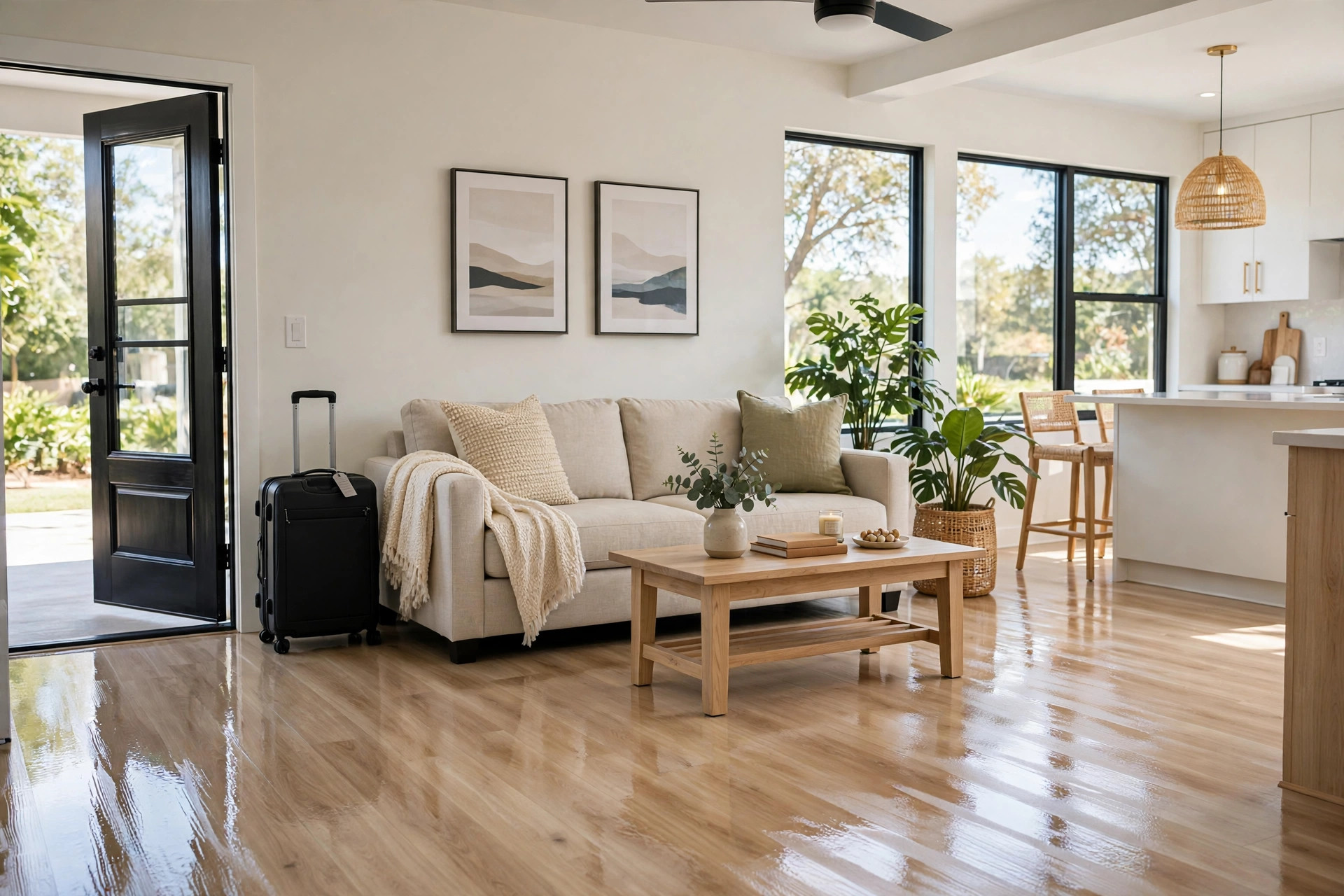
Luxury vinyl plank is the most common answer to the best flooring for airbnb turnover cleaning question, and the reasons are easy to see. The planks look like wood but shrug off water. A spill wipes up. Mud mops up. Most types have a click-lock design, so a single damaged plank can be pulled and replaced without touching the rest of the floor.
Cleaning is simple: sweep, then damp mop with a mild cleaner. There is no waxing and no special machine. Wear layers of twenty mil or more handle heavy rental traffic. The floor also feels warmer underfoot than tile, which guests like in living rooms and bedrooms.
The weak point is heat and sharp drag marks. Hot pots straight from the stove can melt a spot, so keep trivets in the kitchen. Heavy furniture without pads can dent the surface. Still, for most rentals the balance of cost, looks, and speed makes vinyl plank the default choice. Major flooring makers publish wear and water ratings you can compare before you buy.
Porcelain Tile
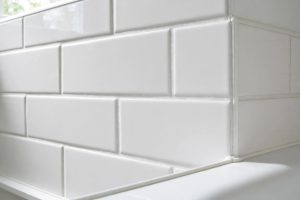
Porcelain tile is the toughest floor on this list. It does not scratch easily, it does not burn, and it handles water better than anything else. In bathrooms, entries, and laundry areas, tile is the clear winner. A damp mop and a standard tile cleaner keep it looking sharp for years.
The trade-off is the grout. Grout lines slow down turnovers because dirt settles into them and takes scrubbing. Large-format tiles help: fewer tiles mean fewer grout lines, which means faster mopping. Sealed grout also resists stains and cuts cleaning time. In living areas, tile can feel cold and hard underfoot, and guests in socks may notice. Rugs soften it, but rugs add cleaning work of their own. Tile makers show large-format options that reduce grout work.
Waterproof Laminate
Newer waterproof laminate bridges the gap between vinyl and classic laminate. It looks like real wood, sometimes more convincingly than vinyl, and it resists standing water far better than the old-style laminate that swelled at the edges. For hosts who want a warm wood look in living rooms at a moderate price, it is worth a look.
Turnover cleaning is the same as vinyl: sweep and damp mop. The surface does not need wax. The caution is the seams. Even waterproof laminate should not sit in deep water for long, and floods can still ruin it. In kitchens and bathrooms, vinyl or tile remains the safer pick. Flooring retailers such as LL Flooring carry both laminate and vinyl lines so you can compare them side by side.
Sheet Vinyl
Sheet vinyl is the budget workhorse. It comes in one continuous piece, so there are almost no seams for water to reach. That makes it very forgiving of spills, which is why it has served kitchens and baths for decades. It mops fast and costs the least per square foot of any option here.
The weakness is damage. A deep cut or burn cannot be spot-repaired the way a vinyl plank can. The whole sheet may need replacing. It also looks less like real wood than plank products, though modern prints have improved. For a budget rental or a laundry room where looks matter less, sheet vinyl is a smart, fast-to-clean choice. You can browse current styles at home improvement retailers.
Flooring Types That Make Turnovers Harder
A few popular floors fail the turnover test and should be avoided in rentals.
Carpet is the biggest offender. It shows stains, holds odors, and takes real vacuuming time on every turnover. A pet accident can ruin a room. Guests also associate carpet with dust and allergies. If your rental has carpet now, plan to replace it.
Real hardwood looks beautiful but scratches under luggage and dulls fast under hundreds of shoes. Refinishing costs thousands and shuts the listing down. Waterproof basement flooring advice applies to rental thinking too: choose the floor for the worst day, not the best.
Natural stone tile is stunning and nearly indestructible, but it needs sealing, and unsealed grout stains. The upkeep cost eats the advantage.
Cost and Price
Floor prices move with quality and region, but typical ranges help with planning.
– Luxury vinyl plank: three to seven dollars per square foot for material, plus two to four dollars for installation. A spare box of planks for spot repairs costs little and pays for itself on the first fix. – Porcelain tile: two to eight dollars per square foot for material, plus five to twelve dollars for installation. Labor is the big cost here, so tile suits spaces where its toughness matters most. – Waterproof laminate: two to five dollars per square foot for material, plus two to four dollars for installation. – Sheet vinyl: one to four dollars per square foot for material, plus one to three dollars for installation.
For a one-bedroom rental of eight hundred square feet, vinyl plank through the main rooms plus tile in the bathroom often lands between four thousand and nine thousand dollars installed. That sounds like a lot until you compare it with one year of extra cleaning hours on carpet, or one hardwood refinish. Many hosts earn the floor back within a season or two of faster turnovers. Price lists at Lowe’s and other big stores give current local numbers.
Care and Upkeep Between Guests
The best flooring for airbnb turnover cleaning stays at its best with a simple routine. Write this routine into your cleaning checklist so every cleaner follows it the same way.
Sweep or vacuum the floors first. A dry pass picks up grit that would scratch the surface during mopping. Then damp mop with a cleaner made for the floor type. Most vinyl and laminate floors need only a pH-neutral cleaner. Tile needs a tile cleaner, and the grout needs a sealed surface and an occasional scrub.
Keep furniture pads under chair legs and bed frames. Place a firm mat inside and outside the front door to catch sand. Sand is the enemy of every floor; it acts like sandpaper under shoes. Replace the mat when it wears thin.
Stock a repair kit. For vinyl plank, that means a spare box of matching planks and the number of your installer. For tile, it means a few spare tiles and a tube of grout. A damaged spot repaired the same day never shows up in a review.
Once a year, do a deeper pass: check grout sealer, re-caulk tub edges, and inspect high-traffic boards. A day of maintenance prevents a week of repairs.
Safety
Fast floors must also be safe floors. Wet smooth floors can be slick, so choose products with decent slip resistance, especially in bathrooms and entries. Look for a coefficient of friction rating on the product sheet.
Keep transitions flat between rooms. A raised edge between tile and vinyl trips tired travelers carrying bags. Transition strips should sit flush.
Watch for trip hazards from rugs. If you use area rugs to warm up tile, choose low-pile rugs with non-slip pads. Pick them up and shake them out each turnover; do not let grit grind under them.
Finally, check the product for indoor air quality labels. Guests with allergies notice odors. Low-VOC floors keep the air clean and the reviews clean with them. Manufacturers list these certifications on their product pages.
Frequently Asked Questions
What is the best flooring for airbnb turnover cleaning overall?
Luxury vinyl plank wins for most hosts. It mops in minutes, resists water and scratches, looks like wood in photos, and lets you replace a single damaged plank. Pair it with porcelain tile in bathrooms and you cover the whole rental.
Is tile or vinyl better for fast turnovers?
Vinyl is faster to clean in living areas because there are no grout lines. Tile is tougher in wet areas. Many hosts use both: vinyl in bedrooms and living rooms, tile in baths and entries. Large-format tile narrows the cleaning gap by cutting grout lines.
How do I keep floors from smelling between guests?
Mop with the right cleaner, not more cleaner. Too much soap leaves residue that traps odor. Dry the floor fully after mopping. Wash entry mats often. Replace any plank or tile that has absorbed a smell, such as from a pet accident, rather than trying to mask it.
Can I install vinyl plank myself in a rental?
Click-lock vinyl is one of the friendliest DIY floors. Many hosts install it themselves and save the labor cost. Watch tutorials from home repair guides first, and buy ten percent extra material for cuts and future repairs.
How often will a rental floor need replacing?
With decent quality and care, vinyl plank lasts five to ten years in a busy rental. Tile can last decades but grout needs attention. Budget one full replacement cycle into your long-term plans, and keep a reserve fund for spot repairs.
Do guests care what the floor is?
Guests care about how the floor looks and feels, not its name. A clean, fresh-looking floor photographs well and reads as a well-run rental. A worn floor does the opposite. The material matters less than its condition on check-in day. Home advice sites like The Spruce confirm that clean hard surfaces top guest wish lists.
A Short Final Word
The best flooring for airbnb turnover cleaning is the one that lets your cleaner finish fast and lets your rooms look new in every photo. For most hosts that means luxury vinyl plank in the living areas and porcelain tile where water rules. Keep the cleaning routine simple, stock spare pieces, and treat the floor as business equipment. Do that, and the floor stops being a turnover problem and starts being a quiet reason guests book again. Brand sites and flooring specialists both offer rental-focused product lines worth comparing before you buy.
References
Armstrong Flooring. (n.d.). Resilient and hardwood flooring. https://www.armstrongflooring.com Daltile. (n.d.). Ceramic and porcelain tile. https://www.daltile.com LL Flooring. (n.d.). Hardwood, vinyl, and tile flooring. https://www.llflooring.com Lowe’s. (n.d.). Home improvement products. https://www.lowes.com Mannington. (n.d.). Hardwood, laminate, and vinyl flooring. https://www.mannington.com Mohawk Flooring. (n.d.). Flooring products. https://www.mohawkflooring.com Shaw Floors. (n.d.). Flooring products. https://www.shawfloors.com The Home Depot. (n.d.). Home improvement products. https://www.homedepot.com The Spruce. (n.d.). Home and garden advice. https://www.thespruce.com This Old House. (n.d.). Home renovation guidance. https://www.thisoldhouse.com
Was this guide helpful?

About Emily Rodriguez
The My Garden US editorial team writes practical, in-depth home and garden guides for American homeowners — tested advice, no fluff.
You May Also Like
Schluter Ditra vs Redgard Comparison USA: Which Tile Membrane Is Right for Your Floor
July 14, 2026 0 views
Mexican Tile for Bathroom Floor for Sale: A Plain Buyer’s Guide
June 21, 2026 0 views
Best Tile Saw for DIY Homeowners: A Complete Buying Guide
March 2, 2026 0 views