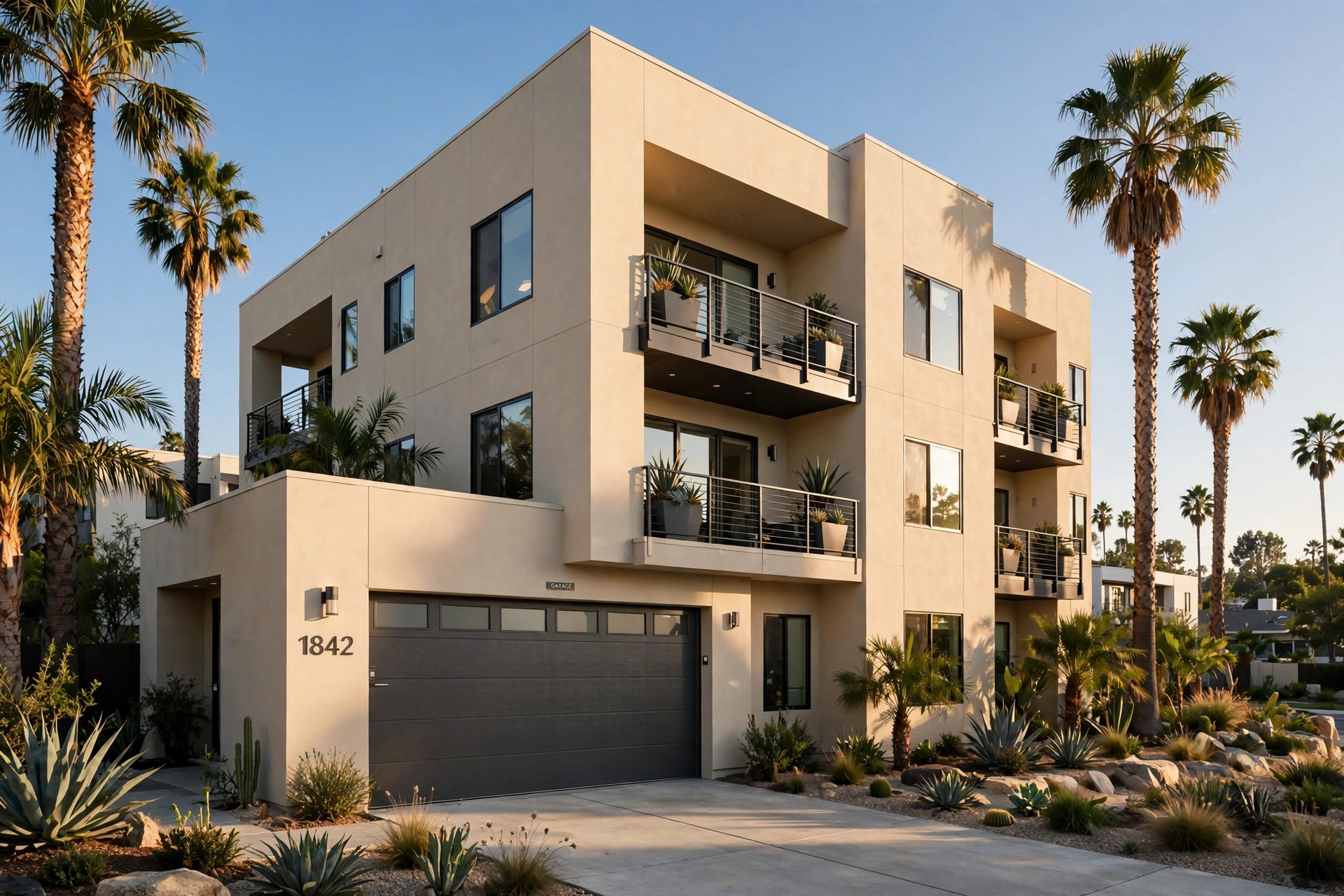

Finding top rated insulated garage doors for California apartments takes more thought than many people expect. A garage door is the largest moving part of most apartment buildings. It also makes up a large share of the front wall. In California, it must handle hot sun, ocean air near the coast, and cold nights in the inland valleys. An insulated door keeps the garage cooler in summer and warmer in winter. It also cuts noise. That matters a lot in apartment life, where neighbors live close by.
This guide explains what to look for, how much doors cost, and how to keep them working for years. Every sentence is plain and practical. Use it as a starting point before you call a dealer or a contractor.
Why Insulated Garage Doors Matter for California Apartments
California weather is mild, but it is not gentle. Summer sun beats down on south-facing garages. Temperatures in the Central Valley and the Inland Empire can pass 100 degrees. Near the coast, salt air eats at bare metal. In the mountains and high desert, winter nights drop below freezing.
An insulated garage door slows the flow of heat. In summer, less heat moves into the garage. In winter, less heat escapes. That helps apartments that share a wall with a garage. It also helps tenants who store boxes, paint, and tools there. Heat and damp can ruin all of them.
Noise is the other big reason. Apartment garages sit under or next to living rooms and bedrooms. A thin steel door bangs and rattles. An insulated door runs much quieter. Foam inside the panels soaks up sound. Thicker panels vibrate less. Tenants notice the difference the first week.
There is also the question of curb appeal. A clean, well-built door makes a whole apartment building look better. Owners in California compete for good tenants. A tired, dented door sends the wrong message. A solid, quiet door suggests a building that is kept up.
For owners, energy costs add up. Some California apartments include garages in common areas with electric lights and outlets. A cooler garage in summer can lower the load on nearby living spaces.
What to Look for When You Choose: Top Rated Insulated Garage Doors for California Apartments
Start with the R-value. This number rates how well the door resists heat flow. A higher number means better insulation. Basic insulated doors rate around R-6 to R-9. Good residential doors rate R-12 to R-16. The best foam-filled doors reach R-18 or higher. For California apartments, R-12 or better is a sensible target. It handles both the hot interior valleys and the cooler coastal mornings.
Next, look at how the insulation is built. Some doors use thin foam panels glued to the inside of a single steel sheet. This is called polystyrene insulation. It works well and costs less. Better doors inject liquid foam between two steel layers. This is called polyurethane. It fills every gap and gives a higher R-value in the same thickness. It also makes the door stronger. For apartments, polyurethane is worth the extra money.
Check the steel thickness, which is sold as gauge. A lower gauge number means thicker steel. Standard doors use 25-gauge steel. Stronger doors use 24-gauge. The best use 20 or 22-gauge in the front layer. Thicker steel resists dents from carts, bikes, and careless drivers. In a shared garage, that is a real concern.
Look at the seals. A good door has rubber seals on the sides, top, and bottom. These block dust, hot air, and water. In California, dust from dry hills gets everywhere. A tight seal keeps the garage cleaner. Ask the dealer to show you the seal design before you buy.
Noise ratings matter too. Look for nylon rollers instead of plain steel. They glide quieter. Look for a belt-drive opener instead of a chain drive. A chain clanks. A belt hums softly. When garages sit under bedrooms, a quiet opener is worth every dollar. Guides at This Old House often note that hardware choice matters as much as the door itself.
Finish and color deserve attention. Powder-coat finishes hold up better under the California sun than plain paint. Light colors reflect heat. Many apartment owners pick white, tan, or light gray. These colors also show less dust. If your building has design rules or HOA rules, check them first.
Finally, think about size and fit. Apartment garages come in odd sizes. Older buildings may have low ceilings or shallow tracks. Measure the opening twice. A good dealer will send someone to measure. Do not trust a rough guess.
Types and Options on the Market
The most common choice is the sectional steel door. It rolls up in panels along ceiling tracks. It comes insulated or not. Most apartment buildings use this type. It is reliable, easy to fix, and priced well.
Wood-look steel doors are growing in popularity. They are steel doors printed or stamped to look like wood. They need no staining. They do not rot. In California, where real wood dries out and cracks, this is a smart compromise. Reviews at Bob Vila often rank these among the best-looking choices.
Aluminum and glass doors suit modern buildings. They have aluminum frames with glass panels. They look sharp. They let light into the garage. They insulate less than foam-filled steel. In hot climates, the glass can make the garage warmer. Some come with insulated glass, which helps.
Carriage-house style doors give a classic look. They swing out in drawings of old carriage houses, but the real ones roll up like sectional doors. They suit older California buildings with a vintage feel. Most are insulated steel under a decorative face.
For small apartment units, single-car doors are standard. For shared garages, wider double doors are common. Wider doors need stronger springs and openers. Make sure the opener is rated for the door size and weight.
Some owners add windows to the top panel. Windows bring light into the garage. In shared apartment garages, that can be a security plus or a privacy minus. Think about which matters more for your building.
Insulation kits exist for doors that are already installed. These are foam panels you glue or clip to the inside. They help, but they are not as good as a factory-insulated door. Kits make sense when the budget is tight and the old door is still sound. Repair guides at Family Handyman walk through the steps for this kind of upgrade.
Cost and Price Guide
Prices vary by size, insulation level, and brand. A basic insulated single door, installed, often runs from about 900 to 1,500 dollars. A well-insulated double door often runs from about 1,800 to 3,200 dollars. High-end doors with thick polyurethane foam and wood-look finishes can pass 4,000 dollars installed.
California labor adds to the cost. Big cities like Los Angeles, San Francisco, and San Diego run higher than rural areas. Getting three written quotes is wise. Make sure each quote lists the same details: door size, R-value, steel gauge, opener type, and labor.
Do not forget the opener. A quiet belt-drive opener adds about 250 to 450 dollars installed. If the old opener is more than ten years old, replace it with the door. Old openers can strain a heavier insulated door.
Long-term value matters more than the first price. An insulated door lasts 15 to 25 years with basic care. A cheap door may need new panels or springs in five. In an apartment building, repair calls cost staff time and tenant goodwill. Paying more up front often costs less over time.
Some California utility programs offer rebates for energy upgrades. Check with your local utility before you buy. Big-box retailers like Lowe’s and Home Depot also run seasonal sales. Timing a purchase can save real money.
For related exterior upgrades, many owners compare this project with professional grade exterior door replacement for homeowners. Entry doors and garage doors age together in many buildings.
Care and Upkeep
An insulated garage door needs little care, but it needs some. Wash the door twice a year with mild soap and water. Dust bakes onto the finish in the sun. A quick wash protects the coating.
Oil the moving parts once a year. Use a silicone-based lubricant on the rollers, hinges, and springs. Do not use thick grease. It collects dust and hardens.
Check the weather seals each fall. Look for cracks or gaps. Replace worn seals. They are cheap and easy to swap. Good seals keep out dust, rain, and insects.
Test the safety sensors monthly. They sit near the floor on each side of the door. Wave a broom through the beam while the door closes. The door should stop and reverse. If it does not, call a technician. This is not a job to skip in a building with children and pets.
Have the springs checked every year or two. Springs carry the full weight of the door. A broken spring can slam a heavy door down. Never try to adjust or replace springs yourself. The tension can cause serious injury. A trained technician does this work safely and fast.
Watch for rust near the coast. Salt air attacks scratches and chips. Touch up paint chips right away. A small chip is a five-minute fix. A rusted panel is a costly replacement.
Keep the tracks clean. Leaves and dirt collect in the lower track. Sweep them out. A small stone in the track can jam the door or wear out the rollers early.
Safety Notes for Apartment Buildings
Garage doors are heavy. A double insulated door can weigh over 200 pounds. Treat it with respect. Teach tenants to keep hands and feet clear of moving panels. Post a simple sign in shared garages.
Openers made since 1993 must have auto-reverse sensors by federal law. If your building still runs an older opener, replace it. It is a safety risk and a liability risk.
Lock the emergency release cord where children cannot reach it but adults can find it. In a power outage, the cord lets you open the door by hand. Show new tenants how it works.
For shared garages, keypads and remotes need a plan. Change codes when tenants move out. Keep a list of who holds a remote. Lost remotes should be erased from the opener memory. This is basic building security, and it is often neglected.
Fire rules matter in California apartments. Some garages connect to living space. Local codes may require a fire-rated door or specific seals. Check with your city building department before you start. Manufacturer pages like Overhead Door and Clopay list code details for many products.
Frequently Asked Questions
What R-value should an insulated garage door have in California? For most California apartments, R-12 to R-16 is a good range. It handles hot summers and cool winters well. In the high desert or mountains, consider R-16 or higher. Below R-10, you give up much of the benefit.
Are insulated garage doors worth the extra cost for apartments? Yes, in most cases. They cut noise, which tenants value. They resist dents better. They keep the garage cooler in summer. In shared buildings, fewer repair calls and happier tenants pay back the difference.
How long does an insulated garage door last? With basic care, 15 to 25 years. Springs usually need replacement once or twice in that time. Rollers and seals wear out sooner. The insulated panels themselves last a long time if the finish is kept up.
Can I add insulation to my existing garage door? Yes. Foam panel kits fit many sectional doors. They improve comfort and noise. They do not match a factory-built insulated door. They also add weight, so have the springs checked after the install. This Old House-style guides at Amarr show which doors accept kits.
Do insulated garage doors need a special opener? Not special, but stronger. Insulated doors weigh more than hollow doors. Choose an opener rated for the door’s weight. Belt-drive openers are quieter, which matters in apartments. Have the installer match the opener to the door.
How do I keep a garage door quiet in an apartment building? Pick a high R-value door with polyurethane foam. Use nylon rollers. Install a belt-drive opener. Keep everything lubricated. Tighten loose hardware twice a year. Each step helps. Together they make a big difference.
For storm protection on entry doors in the same building, see our guide on best storm door installation near me. Many owners handle both projects in one round of work.
A Short Final Word
Choosing top rated insulated garage doors for California apartments comes down to a few clear points. Pick a high R-value. Choose polyurethane foam if the budget allows. Buy thick steel that resists dents. Add quiet hardware. Keep up with simple yearly care.
An apartment garage door works hard every day. Tenants open it, close it, and judge the building by it. A strong, quiet, well-insulated door pays for itself in fewer repairs, lower noise, and better curb appeal. Take the time to compare three quotes. Ask about R-value, gauge, and opener type. Then buy the best door the budget allows. Your tenants will notice.
Price comparisons for other exterior projects can help with budgeting. Our look at insulated vinyl siding price comparison usa shows how insulation upgrades stack up across the building shell. Design ideas from The Spruce and product data from CertainTeed can round out your research.
References
Amarr. (n.d.). Garage doors. https://www.amarr.com Bob Vila. (n.d.). Home improvement advice. https://www.bobvila.com CertainTeed. (n.d.). Building materials and exterior products. https://www.certainteed.com Clopay. (n.d.). Residential and commercial garage doors. https://www.clopay.com Family Handyman. (n.d.). DIY home repair and maintenance. https://www.familyhandyman.com Lowe’s. (n.d.). Home improvement products. https://www.lowes.com Overhead Door. (n.d.). Garage doors and openers. https://www.overheaddoor.com The Home Depot. (n.d.). Home improvement products. https://www.homedepot.com The Spruce. (n.d.). Home and garden advice. https://www.thespruce.com This Old House. (n.d.). Home renovation guidance. https://www.thisoldhouse.com
Was this guide helpful?

About Robert Taylor
The My Garden US editorial team writes practical, in-depth home and garden guides for American homeowners — tested advice, no fluff.
You May Also Like
Reliable Curb Appeal Makeover Services in Colorado
August 4, 2026 0 views
Top Rated Soffit and Fascia Repair Reviews: How to Find a Contractor You Can Trust
July 23, 2026 0 views
Buy Mailbox Posts Online in Florida: A Complete Guide
April 7, 2026 0 views