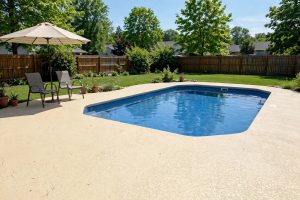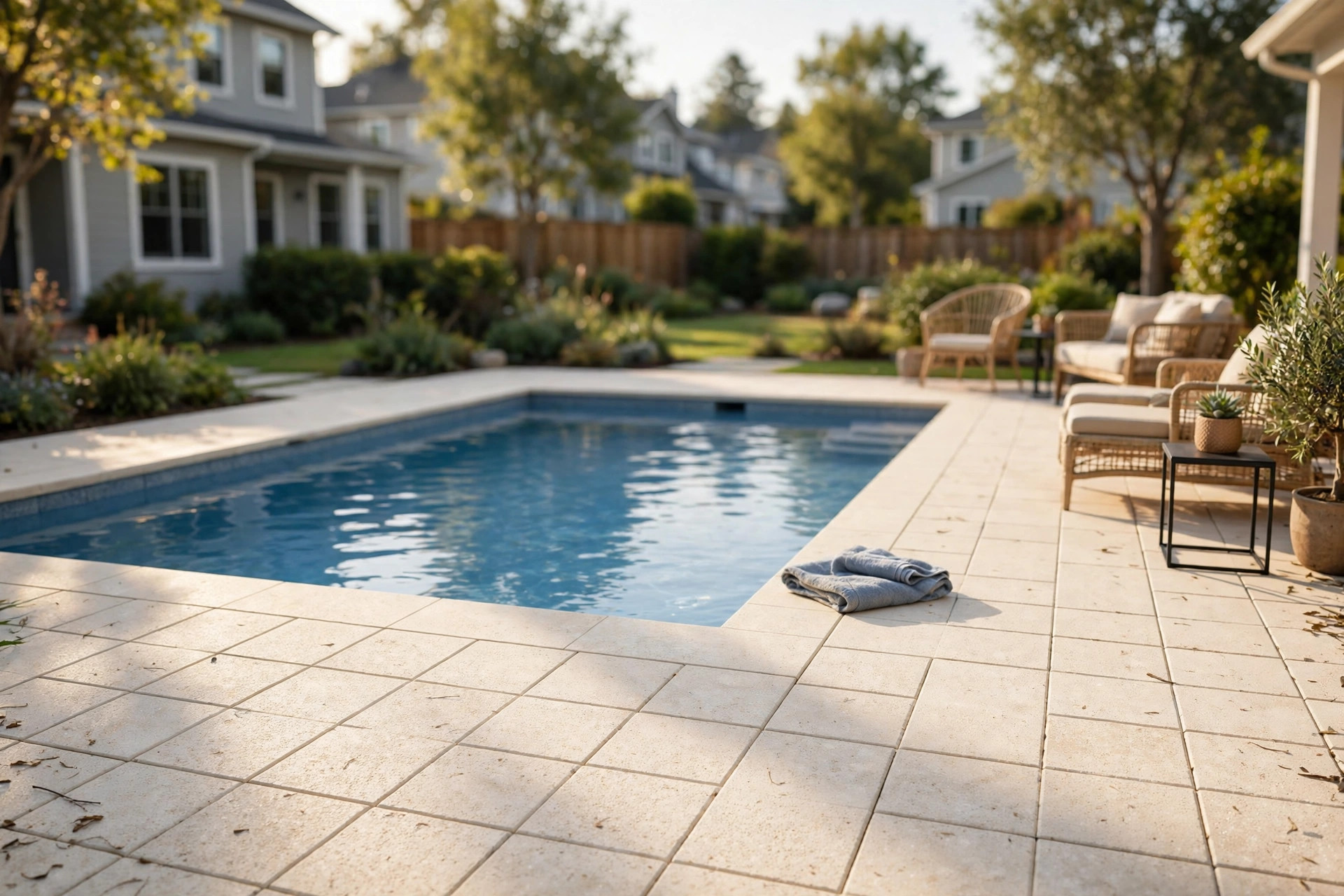

A pool deck is one of the most used spaces around a home. It is also one of the most slippery. Wet feet, wet tile, and bright sun make for a bad mix. That is why so many home owners in the United States now search for non slip outdoor tile for pool deck usa listings before they build or remodel. The right tile cuts the risk of slips while still looking good for years.
This guide walks through the topic in plain terms. It covers why slip resistance matters, which tile types work best, what they cost, how to keep them in shape, and what to ask a contractor before work starts.
Why Slip Resistance Matters on a Pool Deck
Water and smooth tile do not mix well. A pool deck stays wet for hours after swimming. Kids run. Guests walk barefoot. Even a careful adult can lose footing on a polished surface.
Slip and fall injuries are common around pools. Broken bones, bruises, and head injuries can all result from one bad step. A non slip tile surface gives feet more grip. It cannot remove all risk, but it lowers it in a real way.
Comfort matters too. Some rough surfaces grip well but feel harsh on bare feet. The best pool deck tile finds a middle ground. It holds when wet and still feels fine to walk on.
Heat is another factor. Dark tile can get very hot in direct sun. Home owners in warm states often pick lighter colors for this reason. A deck that burns feet will not get used much.
How to Choose Non Slip Outdoor Tile: Non Slip Outdoor Tile for Pool Deck Usa
Several traits matter when you pick tile for a pool deck. Here is what to weigh before you buy.
Slip Rating and Texture
Tile makers test slip resistance and give products a rating. Look for tile rated for outdoor and wet use. The rating may appear on the box or in the product sheet.
Texture is what you can feel. Matte finishes grip better than glossy ones. Tiles with a slightly raised or sandy surface give wet feet more to hold on to. Run your hand over a sample with water on it. If it feels slick in the store, it will feel slick by the pool.
Porcelain Versus Ceramic
Porcelain tile is the top pick for pool decks in most of the country. It is dense, hard, and absorbs very little water. That low absorption rate means it holds up in freeze and thaw cycles. If you are weighing porcelain vs ceramic tile for floors usa in general, the same logic applies outside: porcelain wins for wet areas.
Ceramic tile is softer and more porous. It suits indoor floors and walls. Outdoors it can crack in cold weather. Some glazed ceramic looks pretty, but most kinds are too slick for a pool deck.
Size and Shape
Larger tiles mean fewer grout lines. That looks clean and modern. But grout lines add grip. Many pool decks use mid size tile, such as six by six or twelve by twelve inches, to keep some texture underfoot.
Rectangular planks can look like wood. They work well on decks with a long layout. Small mosaic tile gives the most grip per square foot, though it needs more grout work.
Color and Heat
Light colors stay cooler. Whites, creams, and soft grays reflect heat. Dark browns and blacks can burn bare feet on a July afternoon. In southern states, color is almost as important as texture.
Color also affects cleaning. Very light tile shows dirt. Very dark tile shows water spots. A mid tone often hides the most wear.
Freeze and Thaw
In cold states, the tile must survive winter. Water gets into tiny pores, freezes, and expands. This can crack tile over time. Porcelain rated for outdoor frost use handles this well. Always check the frost rating if you live north of the Mason Dixon line.
Tile Options for Pool Decks
Several materials work on pool decks. Each has strengths and weak points.
Porcelain Pavers
Porcelain pavers are thicker than indoor tile, often three quarters of an inch. They are strong, frost proof, and come in many looks, including stone and wood styles. Their slip ratings are good. This is the most common choice for new pool decks today.
Natural Stone
Travertine, slate, and limestone are popular around pools. Travertine stays cool underfoot and looks natural. Many home owners compare travertine pavers for pool deck cost usa when they price out this option. Stone is porous, so it needs sealing. It can chip or flake in harsh winters.
Slate has a rough surface that grips well. Its dark color absorbs heat, though. Limestone is soft and can wear smooth over time, which lowers grip.
Textured Concrete Tile
Some concrete tiles mimic stone or wood. They are tough and slip resistant. Their color can fade in strong sun. Sealing helps them last longer.
Brick Pavers
Brick gives a classic look and good grip. It works well in dry climates. In wet, cold areas it can spall, or flake, with freeze cycles. Brick needs a firm base and good drainage.
Cost and Price
Price is a big part of the choice. Costs vary by region, tile type, and labor market. Here are rough figures for the United States.
Porcelain pavers for pool decks often cost six to twelve dollars per square foot for materials. Natural stone runs eight to eighteen dollars per square foot. Concrete pavers are cheaper, often four to eight dollars per square foot.
Labor adds more. Setting tile on a pool deck is skilled work. The base must be level and must drain water away from the pool. Install costs often run ten to twenty dollars per square foot, depending on the market and the complexity of the job.
Grout, sealant, and edge trim add to the total. A full deck job for a typical home pool can run several thousand dollars. Get at least three written quotes before you sign. Make sure each quote lists the tile type, the base work, and the sealant.
If you are comparing tile installation cost per square foot usa guides, pool decks sit at the high end. The slope, drainage, and coping work around a pool add labor hours.
Care and Upkeep
A good pool deck needs care to keep its grip and looks. The work is not hard, but it should be done on a schedule.
Regular Cleaning
Sweep the deck weekly. Leaves and dirt wear down the surface. Hose it off after heavy use. A pressure washer on a low setting works well, but keep the nozzle back from the grout. Too much force can blast grout out of the joints.
Stain Removal
Sunscreen, food, and pool chemicals stain tile. Clean spills soon. A mild dish soap and water handles most stains. For tougher spots, use a cleaner made for outdoor tile. Test it in a small corner first. Avoid acid based cleaners on natural stone, as they can etch the surface.
Sealing
Most pool deck tile benefits from a sealant. Sealant blocks water and stains. Porcelain pavers often need less sealing than stone. Natural stone usually needs a fresh coat every one to three years, depending on sun and use.
Pick a penetrating sealant rather than a film forming one. Film sealants can make the surface slick when wet. That defeats the purpose of non slip tile. Ask the sealant maker if their product is safe for pool decks.
Grout Care
Grout lines crack over time. Check them each spring. Small cracks let water under the tile, which can loosen it. A grout repair kit handles minor fixes. For larger damage, call the original installer.
Safety Tips Beyond the Tile
Tile is only part of pool safety. Other steps make the deck safer for everyone.
Keep the deck slope correct. Water should drain away from the pool, not toward it. Standing water is a slip risk on any surface.
Use a pool fence with a self closing gate if children are around. The Consumer Product Safety Commission publishes pool safety guidance worth reading.
Keep rescue gear handy. A shepherd’s hook and a life ring should hang near the pool. Store pool chemicals far from the deck where kids and pets play.
Good lighting helps at night. Slips happen more in the dark. Low voltage lights along the deck edge mark the boundary clearly.
Shoes with rubber soles beat bare feet on any wet deck. Keep a shoe rack near the deck entrance so guests use it.
Installing the Tile: DIY or Pro?
Some home owners like to do their own work. A pool deck is a tough first project, though. The base must be compacted and sloped right. The tile must be set in a mortar bed rated for outdoor use. One bad slope and water pools on the deck.
A pro installer brings the right tools and the right base mix. They know how to cut tile around the pool coping. They also know local rules about drainage and permits.
If you do hire out, check references. Ask to see past pool deck jobs. Make sure the contract names the exact tile brand and model. Ask what happens if tile cracks in the first year.
For planning help, the project guides at This Old House and The Spruce walk through deck and patio work in clear steps. Material prices and styles can be compared at Home Depot and Lowe’s.
FAQ
What is the best non slip tile for a pool deck?
Textured porcelain pavers are the most common answer in the United States. They resist water, survive freezes, and come with good slip ratings. Natural stone like travertine also works but needs more care. The best choice depends on your climate and budget.
How do I test slip resistance before buying?
Ask for a sample tile. Wet it and run your bare foot or hand across it. A good pool tile feels grippy, not glassy. You can also ask the store for the slip rating on the product sheet. Tile rated for wet outdoor use is what you want.
Can I put tile over an existing concrete pool deck?
Often yes. The old concrete must be sound, level, and free of major cracks. A thin set mortar bonds the new tile to the old slab. This saves the cost of tearing out the old deck. A contractor should check the slab first.
How long does pool deck tile last?
Porcelain pavers can last twenty years or more with basic care. Natural stone lasts long too if it is sealed on schedule. Harsh winters shorten the life of any tile. Grout is usually the first part to need repair.
What color tile is best for a pool deck?
Light colors stay coolest. Cream, sand, and light gray are common picks. They also look clean next to blue water. Avoid very dark colors in hot states. A mid tone hides dirt and water spots best.
Is non slip tile safe for kids?
It is safer than smooth tile, but no surface is fully slip proof. Kids should still walk, not run, on a wet deck. Adult supervision around the pool matters more than any tile choice. Pair good tile with a fence, good lighting, and clear pool rules.
A Short Final Word
A pool deck should be a place of rest, not a place of risk. Non slip outdoor tile gives your family and guests firmer footing every day of the season. Porcelain pavers lead the market for good reason. They grip, they last, and they come in looks that suit almost any home.
Take time to compare samples. Check the slip rating, the frost rating, and the price. Get written quotes from more than one installer. Seal the surface on schedule and keep the grout in good shape. Do these simple things and your deck will serve you well for many summers. The search for non slip outdoor tile for pool deck usa ends where good planning begins.
For more background, see LL Flooring, Shaw Floors, and Mohawk Flooring.
References
LL Flooring. (n.d.). Hardwood, vinyl, and tile flooring. https://www.llflooring.com Lowe’s. (n.d.). Home improvement products. https://www.lowes.com Mohawk Flooring. (n.d.). Flooring products. https://www.mohawkflooring.com Shaw Floors. (n.d.). Flooring products. https://www.shawfloors.com The Home Depot. (n.d.). Home improvement products. https://www.homedepot.com The Spruce. (n.d.). Home and garden advice. https://www.thespruce.com This Old House. (n.d.). Home renovation guidance. https://www.thisoldhouse.com U.S. Consumer Product Safety Commission. (n.d.). Product safety information. https://www.cpsc.gov
Was this guide helpful?

About Michael Thompson
The My Garden US editorial team writes practical, in-depth home and garden guides for American homeowners — tested advice, no fluff.
You May Also Like
Rigid Core Vinyl Flooring Reviews USA: A Plain Guide for American Homeowners
May 25, 2026 0 views
Vintage Style Area Rugs for Sale USA: A Plain Guide to Buying Them
January 26, 2026 0 views
Reclaimed Wood Flooring for Sale Near Me: A Buyer Guide
March 11, 2026 0 views