---
Table of Contents
Table of Contents
- Store Firewood to Keep It Dry: The Golden Rules of Firewood Storage
- Pick the Right Spot
- Get the Wood Off the Ground
- Stack It Right
- Cover the Top, Never the Sides
- Storage Structures Worth Considering
- Storing Wood Indoors
- Protecting Seasoned Wood Through the Seasons
- How to Tell Your Stored Wood Stayed Dry
- Common Storage Mistakes
- Quick Storage Checklist
- Frequently Asked Questions
- References
You can spend a year seasoning firewood to perfection and ruin it in a month with bad storage. Wet wood hisses, smokes, and barely heats. Dry wood lights fast and burns hot. The difference comes down to how you store it. This guide shows how to store firewood to keep it dry through rain, snow, and damp seasons, from the outdoor stack to the basket by the stove. This article explains how to store firewood to keep it dry in simple terms.
Store Firewood to Keep It Dry: The Golden Rules of Firewood Storage
When it comes to store firewood to keep it dry, getting the details right makes all the difference.
When it comes to store firewood to keep it dry, getting the details right makes all the difference.
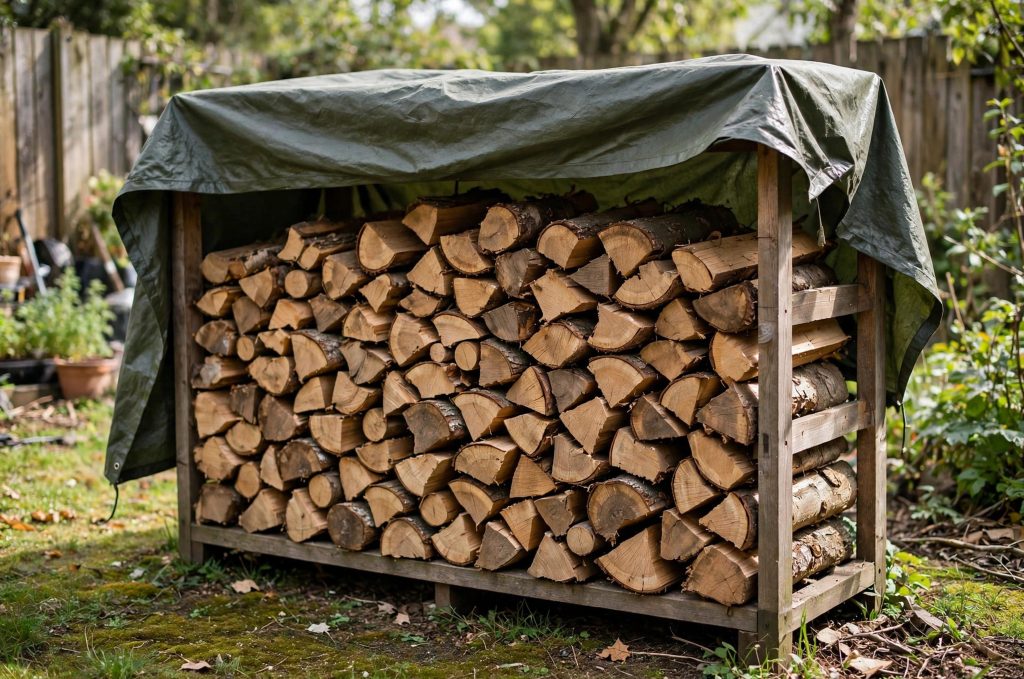
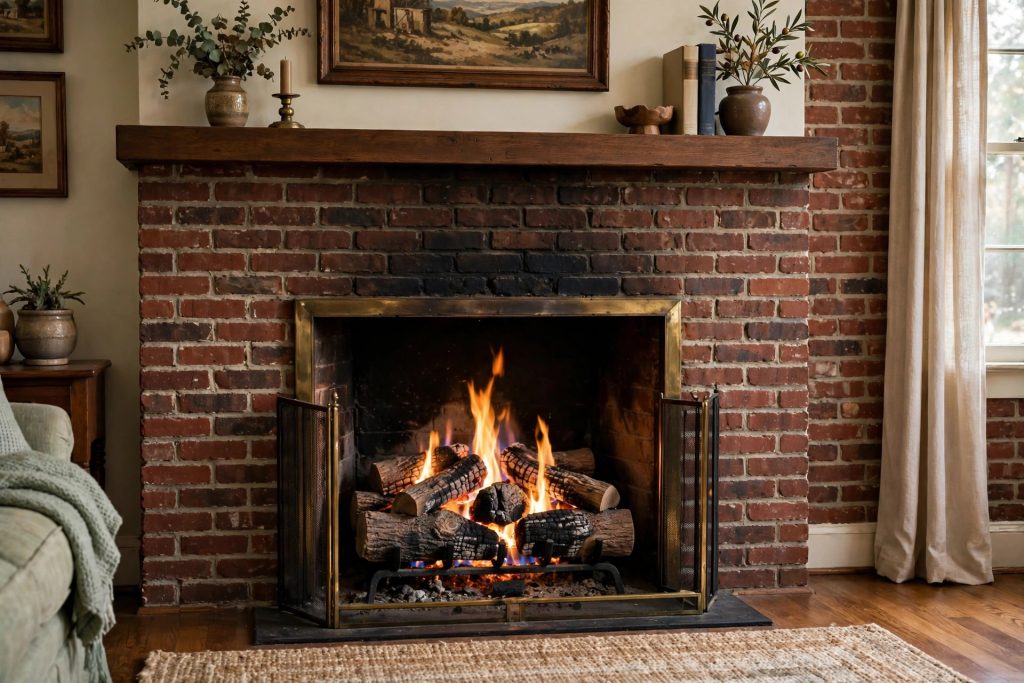
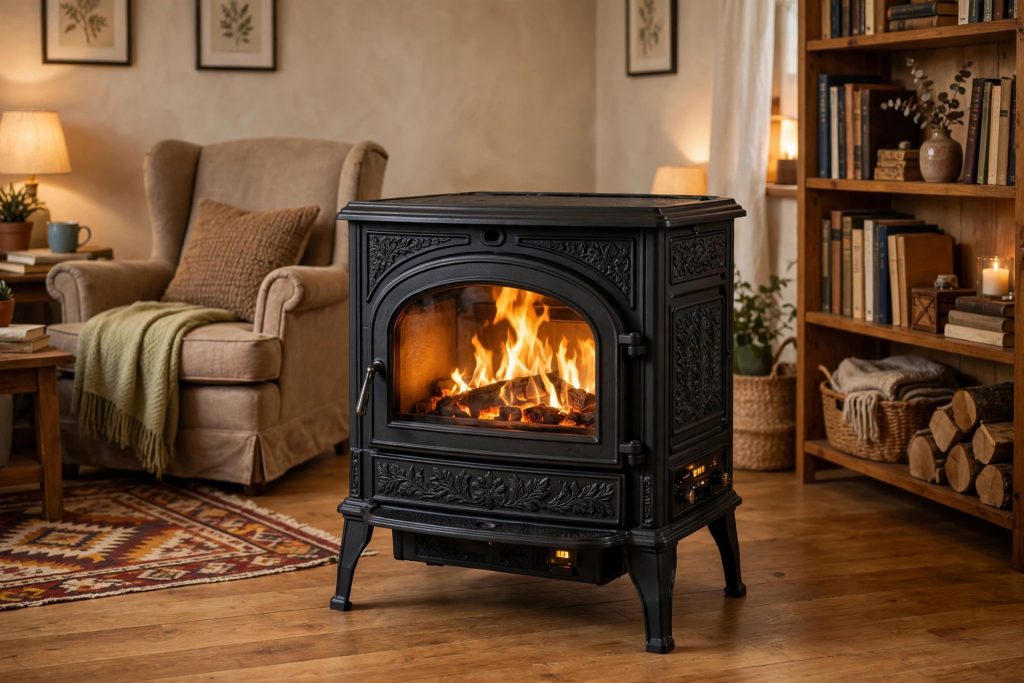
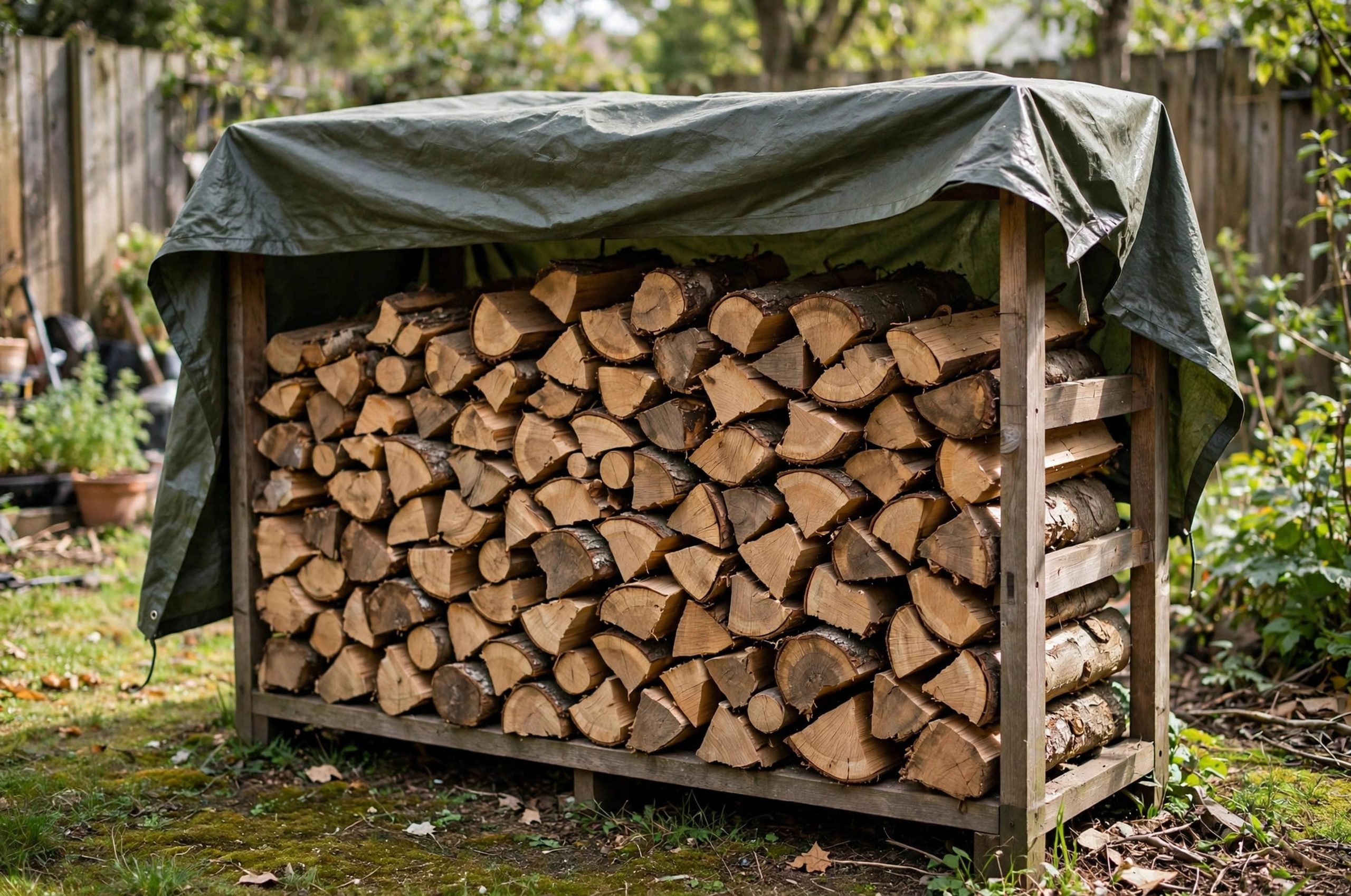
Many homeowners find that store firewood to keep it dry is easier than they expected once they know the basics.
Every good storage setup follows the same four rules:
1. Off the ground. Ground moisture wicks up into the bottom rows. 2. Top covered. Rain and snow must shed off the pile. 3. Sides open. Air must flow through the stack to carry moisture away. 4. Sun and wind. A sunny, breezy spot dries wood and keeps it dry.
Best Burn Firewood boils it down to one line: off the ground, single rows, ends to the wind (Best Burn Firewood).
Pick the Right Spot
Many homeowners find that store firewood to keep it dry is easier than they expected once they know the basics.
Many homeowners find that store firewood to keep it dry is easier than they expected once they know the basics.
The key to store firewood to keep it dry is choosing the right approach for your space and budget.
Location matters more than most people think.
- Choose high ground where water does not pool after rain.
- Face the cut ends of the logs toward the prevailing wind so air blows through the stack.
- Pick a sunny spot. Sunlight warms the wood and speeds evaporation, even in cold weather.
- Keep the stack a reasonable distance from the house. Twenty feet or so keeps pests away from your walls while keeping hauling trips short. Do It Yourself's firewood guide recommends about twenty feet from the back door with a few inches of clearance behind the stack for airflow (Do It Yourself).
- Avoid spots under trees or below gutters where drip keeps the wood wet.
- Check local rules. Some cities and counties limit how much wood you can store and where the pile can sit.
Get the Wood Off the Ground
The key to store firewood to keep it dry is choosing the right approach for your space and budget.
With a little planning, store firewood to keep it dry can fit even a busy schedule.
This is the most skipped step and one of the most important. Wood sitting on soil, grass, or bare concrete soaks up moisture from below, and the bottom rows can rot.
Good bases include:
- Wooden pallets, free from many stores
- Two-by-fours or landscape timbers laid parallel
- A purpose-built metal log rack
- Concrete blocks with boards across them
An outdoor firewood storage shed with a raised floor solves this permanently. Flamecrafters' storage guide stresses that raising logs off the ground is the first defense against moisture (Flamecrafters).
Stack It Right
With a little planning, store firewood to keep it dry can fit even a busy schedule.
Before you start, it helps to understand how store firewood to keep it dry works in real homes.
A neat stack is not just pretty. It is more stable, dries better, and wastes less space.
- Stack in single rows when possible. One row deep dries far faster than a deep pile.
- Leave small gaps between pieces so air moves through.
- Stack bark-side up on the top layer to shed rain. Stack bark-side down on lower layers so water drains off.
- Keep rows under four feet high for stability.
- Crisscross the ends of each row to lock the stack together.
- Leave space behind the stack if it sits near a wall or fence, so air circulates.
Family Handyman advises stacking loosely enough that the wood can breathe, with the stack positioned in direct sunlight (Family Handyman).
Cover the Top, Never the Sides
Before you start, it helps to understand how store firewood to keep it dry works in real homes.
A good plan for store firewood to keep it dry saves time, money, and frustration.
This is the rule people get wrong most often. Cover only the top of the stack. Leave the sides fully open.
A tarp draped over just the top sheds rain and snow while letting air flow through. A tarp wrapped down over the sides traps moisture inside, and the wood sweats, molds, and can end up damper than if you had covered nothing at all. Best Burn Firewood calls the full wrap the single most common storage mistake (Best Burn Firewood).
Good top covers include:
- A tarp secured over the top only, tied down against wind
- A sheet of corrugated metal or old roofing
- A piece of plywood weighted with a log
- A purpose-built rack cover
MiOrganics' firewood guide adds that the cover should be loose enough for air circulation but tight enough to keep moisture out (MiOrganics).
Storage Structures Worth Considering
A good plan for store firewood to keep it dry saves time, money, and frustration.
For most people, store firewood to keep it dry comes down to a few smart choices.
If you burn a lot of wood, a dedicated structure pays off:
- Open-sided woodshed. A roof with open sides is the gold standard. It sheds rain completely while air moves freely.
- Lean-to. A simple roof against the garage or barn wall works well.
- Log store. A small roofed box with slatted sides, sized for a season of wood.
- Firewood rack with cover. Metal racks with fitted covers suit smaller yards and patios.
Whatever you build or buy, keep the design open on at least two sides. A sealed shed is little better than a plastic wrap.
Storing Wood Indoors
For most people, store firewood to keep it dry comes down to a few smart choices.
Keep the bulk of your wood outside. Firewood harbors insects, spiders, and sometimes mice, and bringing large amounts indoors invites them into your home. Family Handyman is blunt: keep the main supply outside and bring in only about a day's worth at a time (Family Handyman).
For the wood you do bring in:
- Use a sturdy indoor firewood holder or log basket near the stove.
- Store it in a dry spot away from the stove's direct heat.
- Bring wood in a day or two before burning so surface moisture evaporates in the warm air.
- Shake or brush off loose bark and debris outside before carrying wood in.
- Never store large quantities in a damp basement, where mold thrives.
Browse indoor firewood holders to find one that fits your space and style.
Protecting Seasoned Wood Through the Seasons
If you are new to store firewood to keep it dry, start with the simplest option and build from there.
Wood you already seasoned needs maintenance, not just storage.
- Spring: Check covers after winter storms. Restack anything that toppled. This is the time to cut and stack next season's wood.
- Summer: Let the sun work. Pull back covers during long dry spells if you want maximum drying, then recover before rain.
- Fall: Make sure every stack has a solid top cover before the wet season. Test moisture with a meter.
- Winter: Knock snow off covers so meltwater does not seep in. Keep a path clear to the stack.
The University of Kentucky's extension service recommends starting the seasoning cycle in spring, which gives wood the longest possible drying window before the next burning season (University of Kentucky).
How to Tell Your Stored Wood Stayed Dry
When it comes to store firewood to keep it dry, getting the details right makes all the difference.
Before burning, check:
- Weight. Dry wood feels light for its size.
- Sound. Two pieces knocked together ring sharply. A dull thud means moisture.
- Ends. Cracked, checked ends signal dry wood.
- Moisture meter. Split a piece and test the fresh face. You want 20 percent or below.
The Vermont Department of Environmental Conservation recommends the moisture meter test as the final check before any wood goes into the stove (Morning Ag Clips). Best Small Wood Stoves adds that regular moisture checks take the guesswork out of the whole process (Best Small Wood Stoves).
Common Storage Mistakes
- Piling wood on bare dirt. The bottom rows rot and the rest wick moisture.
- Wrapping the stack in plastic. Trapped moisture grows mold.
- Stacking against the house with no gap. Poor airflow and a pest bridge to your siding.
- Leaving the top uncovered all winter. Rain and snow undo months of seasoning.
- Storing rounds unsplit. Whole logs dry far too slowly, however well you store them.
- Bringing in a month of wood at once. Pests move in with it.
Quick Storage Checklist
- [ ] Stack is off the ground on pallets, rails, or a rack
- [ ] Single rows with air gaps between pieces
- [ ] Top covered, sides fully open
- [ ] Sunny, breezy location with good drainage
- [ ] Reasonable distance from the house
- [ ] Only a day or two of wood stored indoors
- [ ] Moisture tested before burning season
Store your firewood right and it stays dry, lights easy, and heats well all season long. The work is simple: lift it off the ground, cover the top, let the air in, and keep most of it outside. Your stove will thank you with hotter, cleaner fires.
Frequently Asked Questions
Can I store firewood in the garage? Yes, if the garage is dry and ventilated. Stack the wood off the concrete floor on pallets, keep it away from the water heater and furnace, and do not pack it tight against the walls. A garage is far better than an open pile in the rain.
How long can seasoned firewood be stored? Wood kept dry under cover stays burnable for several seasons. It slowly loses a little energy over the years, but the bigger risk is rot from ground contact or trapped moisture, not age.
Should I cover firewood in the summer? Keep the top cover on through rainy periods. In a long dry spell you can leave the stack open to the sun for faster drying, but put the cover back before the next rain. The top cover is cheap insurance.
Can I stack firewood against the house? Leave a few inches of air gap between the stack and the wall. Stacking tight against siding traps moisture, blocks airflow, and gives insects a path into the home. That is all it takes to store firewood to keep it dry with confidence.
References
Best Burn Firewood. (n.d.). How to store firewood: Keep it dry & ready to burn. https://bestburnfirewood.com/how-to-store-firewood/
Best Small Wood Stoves. (n.d.). How to properly season firewood for your wood stove. https://bestsmallwoodstoves.com/how-to-properly-season-firewood-for-your-wood-stove/
Do It Yourself. (n.d.). How to chop and store firewood. https://www.doityourself.com/stry/how-to-chop-and-store-firewood
Family Handyman. (n.d.). How to stack and store firewood. https://www.familyhandyman.com/article/how-to-stack-and-store-firewood/
Flamecrafters. (n.d.). How to store firewood: Keep logs dry and ready to burn. https://www.flamecrafters.co.uk/blogs/news/firewood-storage-guide
Morning Ag Clips. (n.d.). How to season firewood and cut costs, smoke, and fuel use. https://www.morningagclips.com/how-to-season-firewood-and-cut-costs-smoke-and-fuel-use/
University of Kentucky Cooperative Extension Service. (n.d.). Spring is time to start seasoning firewood. https://news.mgcafe.uky.edu/article/spring-time-start-seasoning-firewood
Was this guide helpful?

About My Garden US
The My Garden US editorial team writes practical, in-depth home and garden guides for American homeowners — tested advice, no fluff.