
A bathroom mirror is one of the most used items in any home. People check it each morning and each night. In recent years, a new kind of mirror has won many fans across the state: the LED bathroom mirror. This guide on led bathroom mirrors california homes usa explains what these mirrors are, why they suit California homes, how to choose one, and what they cost. The aim is simple: to help you make a good choice with no guesswork.
Why LED Mirrors Are Popular in California
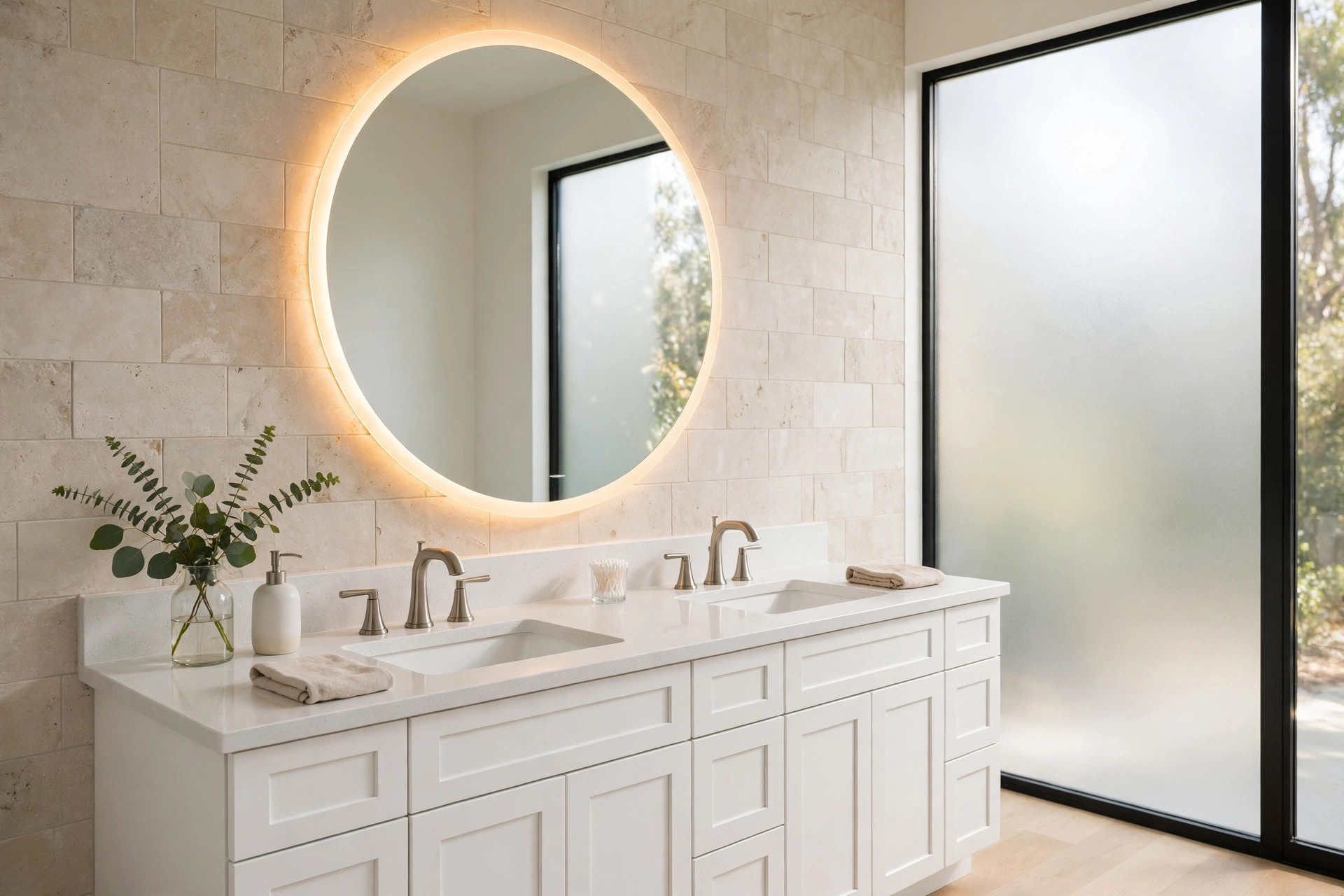
California homes often have a bright, clean style. White tile, light stone, and warm wood are common. An LED mirror fits this style well. It gives off its own soft light, so the face is lit evenly. Old bathroom lighting often leaves dark shadows under the eyes and chin. LED light removes most of those shadows. Shaving, makeup, and skin care all become easier.
Energy use matters in California too. The state has high power rates and strict rules on energy use. LED lights use far less power than old bulbs. A typical LED mirror uses about the same power as a small lamp. Many models are damp-rated for bathroom use, which matters in a steamy room. The mirror adds light without the need for extra wall fixtures, which can save space in smaller bathrooms.
Style is another reason. Many California homes, from new builds near San Diego to older bungalows in Los Angeles, mix old charm with new comfort. A backlit or front-lit LED mirror brings a modern touch without changing the whole room. It can make a small bathroom feel larger, since the glow adds depth to the glass.
What to Look for When You Choose One: Led Bathroom Mirrors California Homes Usa
A good choice starts with the basics. Measure first, then think about light quality and features.
Size and Shape
Measure the vanity or sink below the mirror before you shop. A common rule is to keep the mirror a few inches narrower than the vanity on each side. A 24-inch mirror fits most single sinks. A 36-inch mirror works over a double vanity. Round mirrors are popular in powder rooms and small baths. Rectangular mirrors fit wide walls and give more viewing space. Oval mirrors soften a room with sharp corners.
Height matters as well. The center of the mirror should sit near eye level for most users. In family homes, pick a size that works for both tall and short people. If the mirror is also the main light source, a larger mirror gives more light.
Light Color and Brightness
LED mirrors list their light color in Kelvin. Warm white is around 2700 to 3000 Kelvin. It feels soft and calm, like an old bulb. Daylight is around 5000 to 6500 Kelvin. It is crisp and bright, close to sunlight. Many people like a middle range, near 4000 Kelvin, for daily use. Some mirrors let you switch between warm and cool light with a touch button. This is a useful feature if you share the bathroom. It also helps the mirror suit different times of day. Morning light can be bright and cool. Evening light can be soft and warm. A mirror with memory will recall your last setting each time you turn it on.
Brightness is measured in lumens, but many sellers simply list watts. For a mirror, 1500 to 3000 lumens is plenty for most bathrooms. If the bathroom has no window, pick a brighter model. If the room already has good ceiling lights, a softer glow may be enough.
Extra Features
Many LED mirrors offer more than light. An anti-fog pad keeps the glass clear after hot showers. A touch switch or sensor turns the light on with a tap. Some mirrors dim from bright to soft with a long press. A few models add a clock, a shaver socket, or a Bluetooth speaker. Think about which features you will truly use. Each extra feature adds cost and can add repair work later.
Common Types and Styles
Backlit mirrors glow from behind the glass. The light spills out around the edges and onto the wall. This gives a soft halo look and is gentle on the eyes. Front-lit mirrors have light built into the face of the mirror, often along the sides. They give stronger light for tasks like makeup or shaving.
Some LED mirrors combine both types. The back glow adds mood. The front strips add task light. This two-way design costs more but covers all needs.
Framed LED mirrors have a metal or wood frame with lights hidden inside it. Frameless models look cleaner and suit modern rooms. A few models hide storage behind the glass, like a mirrored cabinet with lights. If you need more storage, compare these with mirrored medicine cabinets for sale usa before you decide.
The style should match the room. A round backlit mirror suits a coastal cottage. A wide rectangular mirror suits a new master bath. Brushed nickel or matte black edges pair well with modern faucets. You can match them with fixtures from Kohler, Moen, or Delta, all widely sold at The Home Depot and Lowe’s. For fresh design ideas, browse bathroom photo galleries on HGTV before you buy. For a full buying guide, see led bathroom mirrors buying guide usa.
How to Plan the Install
Most LED mirrors need a power source. Some plug into an outlet. Others are hardwired into the wall by an electrician. Hardwired models look cleaner because no cord shows. If you are remodeling, ask your electrician to add a switch or a dedicated line before the tile goes up.
Mounting is usually simple. The mirror hangs on a bracket fixed to wall studs or anchors. Heavy mirrors need strong anchors. Read the weight in the product listing. If the mirror is wide, get help to lift it. Glass is heavy and fragile.
Check the rating for wet areas. A bathroom mirror should be rated for damp or wet use. This means it can handle steam and splashes. The US Consumer Product Safety notes apply to many bath fixtures, and good sellers list safety ratings clearly. Keep the mirror away from direct shower spray unless it is rated for wet zones.
If you are unsure about wiring, hire a licensed electrician. California has strict electrical codes. A professional install takes about one to two hours and protects your warranty. If you want to learn the basics first, This Old House and Bob Vila both publish clear bathroom wiring guides, and The Spruce covers mirror mounting step by step.
Cost and Price in California Homes
Prices vary widely. A basic backlit LED mirror, about 24 by 32 inches, often costs between 100 and 250 dollars. Mid-range models with dimming and anti-fog pads run from 250 to 500 dollars. Large or designer models can reach 800 dollars or more.
Install costs add to the total. A simple swap by a handyman may cost 100 to 200 dollars. A hardwired install by an electrician may cost 200 to 400 dollars in many California cities. Rates are higher in the Bay Area and parts of Los Angeles. Always get a written quote first.
Running costs are low. LED lights use little power and last for years. A quality LED strip can last 30,000 to 50,000 hours. That is many years of daily use. You will rarely need to replace a part. This long life helps the mirror pay for itself over time compared with old fixtures that need new bulbs each year.
To set a budget, add the mirror price, the install price, and a small buffer of ten percent. This covers small surprises like extra wiring or new anchors.
Care and Upkeep
Care for an LED mirror is simple. Wipe the glass with a soft cloth and a mild glass cleaner. Do not spray cleaner straight onto the mirror. Spray it on the cloth first. Too much liquid can seep behind the glass and harm the lights.
Do not use harsh chemicals or rough pads. They can scratch the glass and dull the light. For the anti-fog pad, follow the maker notes. Most need no special care beyond dry cleaning.
Check the power cord or wiring once a year. Look for loose plugs or frayed wires. If the light flickers, turn off the power and call an electrician. Do not open the back of the mirror yourself. The parts inside are sealed and not meant for home repair.
In hard-water areas, which are common in parts of California, wipe splashes off the frame after use. This stops white spots from forming. A quick wipe each week keeps the mirror looking new.
Safety Tips
Bathrooms mix water and power, so safety comes first. Buy only mirrors with a UL or ETL listing. These marks show the product passed safety tests. The listing should appear on the box or the product page.
Keep all wiring dry. If the mirror plugs in, the outlet should be a GFCI outlet. GFCI outlets shut off power fast if they sense a fault. Most California bathrooms already have them near sinks. If yours does not, ask an electrician to install one.
Do not let children play with touch switches near water. Teach kids to dry their hands before touching the mirror controls. Mount the mirror high enough that small children cannot pull on it. Use wall anchors rated for the mirror weight.
If the mirror breaks, turn off the power before you clean up. Wear gloves to pick up glass. Wrap broken pieces in thick paper before you throw them away.
Frequently Asked Questions
Do LED bathroom mirrors use a lot of electricity?
No. Most use between 10 and 30 watts, about the same as a small lamp. Running one for an hour a day adds very little to a power bill. This low use is one reason they suit California homes, where power rates are high.
Can I install an LED mirror myself?
You can hang a plug-in model yourself if you are handy. Hardwired models need an electrician. California electrical codes are strict. A licensed pro keeps the job safe and protects the warranty.
Will the LED lights burn out?
Good LED strips last 30,000 hours or more. That is about 20 years at four hours a day. The light will dim very slowly over time. Most users replace the whole mirror for style reasons long before the lights fail.
Are LED mirrors good for makeup?
Yes. Even, shadow-free light helps makeup look true. Pick a model with adjustable color temperature. Use daylight settings for makeup and warm settings for evening. Front-lit models give the most even light on the face.
Do they work in bathrooms with no window?
Yes. In fact, they work best there. A bright LED mirror can serve as the main light in a windowless bath. Pair it with a ceiling light for the best result. Many buyers also add bathroom vanity light bars for sale usa above the sink for extra task light.
How do I stop the mirror from fogging?
Buy a model with a built-in anti-fog pad. It warms the glass so steam does not stick. Running the exhaust fan during showers also helps. Keep the bathroom door open a crack after a hot shower to let steam escape.
A Short Final Word
LED bathroom mirrors bring clear light, low power use, and a clean modern look to California homes. Pick the right size, choose a light color you like, and check the safety ratings. Compare a few trusted brands and read real buyer reviews online before you buy. Plan the install with care, and keep the upkeep simple. With those steps done, your mirror will serve you well for many years.
References
Bob Vila. (n.d.). Home improvement advice. https://www.bobvila.com Delta Faucet. (n.d.). Kitchen and bathroom faucets. https://www.deltafaucet.com HGTV. (n.d.). Home and garden ideas. https://www.hgtv.com Kohler. (n.d.). Bathroom and kitchen fixtures. https://www.kohler.com Lowe’s. (n.d.). Home improvement products. https://www.lowes.com Moen. (n.d.). Faucets and plumbing fixtures. https://www.moen.com The Home Depot. (n.d.). Home improvement products. https://www.homedepot.com The Spruce. (n.d.). Home and garden advice. https://www.thespruce.com This Old House. (n.d.). Home renovation guidance. https://www.thisoldhouse.com U.S. Consumer Product Safety Commission. (n.d.). Product safety information. https://www.cpsc.gov
Was this guide helpful?

About Robert Taylor
The My Garden US editorial team writes practical, in-depth home and garden guides for American homeowners — tested advice, no fluff.
You May Also Like
Shower Niche Inserts American Homes Guide: A Plain Guide to Built-In Shower Shelves
March 23, 2026 0 views
Bidet Toilet Seats Deals Near Me: A Plain Guide to Buying and Saving
September 27, 2026 0 views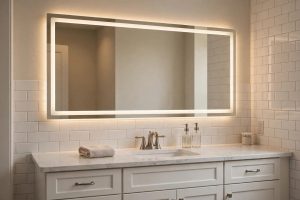
LED Bathroom Mirrors American Homes Guide: Choosing the Right Lighted Mirror
April 22, 2026 0 views